
When purchasing a climbing harness, the primary safety certifications to look for are the European Conformity (CE) mark and the International Climbing and Mountaineering Federation (UIAA) label. Specifically, a certified climbing harness must comply with the EN 12277 standard, which defines the safety requirements and test methods for harnesses used in mountaineering and climbing. While these certifications guarantee that a harness has passed rigorous laboratory tests for structural strength and load distribution, they represent only the baseline of safety. Safe climbing operations depend equally on selecting the correct harness type for your specific activity, achieving a precise physical fit, performing diligent pre-climb inspections, and storing the gear correctly. No certification can compensate for an improperly buckled harness, a worn-out tie-in point, or an incorrect knot. Therefore, understanding how to verify these standards and inspect the physical construction of your gear is a fundamental skill for every climber, whether navigating indoor climbing gyms in Singapore or scaling outdoor crags.
Understanding the Role of Safety Standards in Climbing Gear
Independent safety standards serve as the foundation of climbing equipment reliability by establishing uniform testing protocols. Organizations such as the European Committee for Standardization (CEN) and the UIAA design these protocols to simulate the forces a harness might experience during a fall. For instance, testing involves applying high static loads to ensure the structural webbing and buckles do not slip or fail under tension, as well as dynamic drop tests using anthropomorphic dummies to evaluate load distribution and body support.
However, these laboratory tests are conducted under highly controlled conditions. They verify that a newly manufactured harness meets minimum structural thresholds, but they cannot replicate the unpredictable variables of real-world climbing. Factors such as abrasive rock surfaces, environmental exposure, and user error fall outside the scope of manufacturing certifications.
Products mentioned in this guide
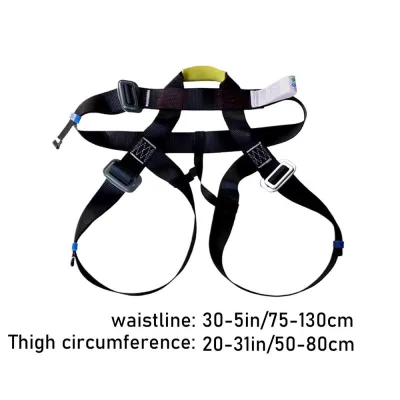
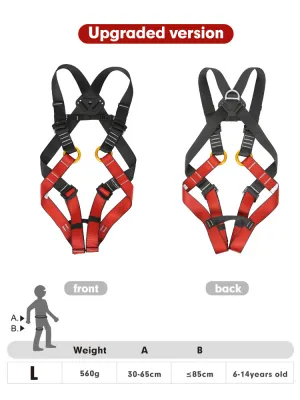
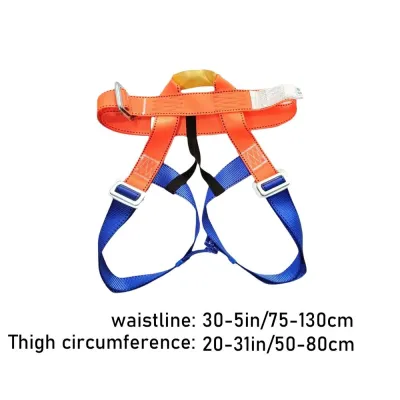
Prices are valid at publication and may change. Please refer to the product page for the latest price.
A certified harness only provides its intended protection when used in strict accordance with the manufacturer’s instructions. A common misconception is that a certified label guarantees absolute safety under any circumstance. In reality, the certification simply confirms that the physical object is capable of holding specific forces when brand new and configured correctly. The responsibility for maintaining that safety margin shifts entirely to the climber once the gear is taken out of the packaging.
How to Locate and Read Certification Marks on Harness Labels
To verify that a climbing harness complies with international safety standards, you must locate and read its tracking label. Manufacturers typically sew this label into the inside of the waistbelt or on the underside of one of the leg loops, protecting it from direct abrasion during climbing. If the label is missing, defaced, or illegible, the harness should not be used, as you can no longer verify its manufacturing history or compliance status.

On this label, look for the CE mark followed by a four-digit number (for example, CE 0123). This number identifies the specific notified body—an independent third-party testing house—responsible for auditing the manufacturer’s quality control systems. Adjacent to or near the CE mark, you should find the European standard designation: EN 12277. This standard is divided into different classifications, with Type C denoting a standard sit harness (the most common type used for sport and trad climbing) and Type A denoting a full-body harness.
Additionally, look for the UIAA logo. The UIAA standard (specifically UIAA 105 for climbing harnesses) often mirrors the EN standard but sometimes incorporates slightly different testing criteria or safety margins. While a CE mark is legally required for climbing gear sold in Europe, the UIAA label is an international voluntary standard highly respected globally. A harness carrying both marks indicates a high level of independent verification. The label will also display a unique serial number, the manufacture date, and the maximum weight limit, all of which are critical for tracking the gear’s service life.
Essential Construction Features to Inspect Before Purchase
While certification marks confirm that a model has passed laboratory testing, you must physically inspect any individual harness before purchase to ensure there are no manufacturing defects or shipping damages. Begin your inspection at the tie-in points and the belay loop, which are the most critical load-bearing components of the harness. The tie-in points—the loops where you thread the climbing rope—and the belay loop must feature heavily reinforced webbing and dense, tight stitching known as bar-tacking. This stitching is typically sewn in a contrasting thread color to make visual inspection easier.
Next, examine the adjustment buckles on the waistbelt and leg loops. Modern climbing harnesses generally feature either manual double-back buckles or pre-threaded auto-locking buckles. If the harness uses manual buckles, verify that the webbing is long enough to double back through the buckle with at least five centimeters of tail remaining. For auto-locking buckles, check that the metal slide operates smoothly without catching or sticking, and ensure the buckle frame is free of sharp edges, burrs, or deformation that could abrade the webbing.
Inspect the load-bearing stitching across the entire harness. The stitching must be uniform, tight, and free of loose loops, frayed ends, or skipped stitches. Any irregularity in the structural stitching is a reason to reject the harness. Finally, locate the gear loops on the sides of the waistbelt. It is vital to understand that gear loops are strictly non-load-bearing; they are designed solely to carry quickdraws, cams, and other equipment. Never clip a safety lanyard, belay device, or anchor system directly into a gear loop, as they are not rated to support human weight and will fail under load.
Fit Verification and Pre-Climb Safety Checks
A certified harness can only protect you if it fits your body correctly and is adjusted properly before every climb. To perform a fit test, pull the waistbelt up so it sits securely above your iliac crest (the top of your hip bones). Tighten the waistbelt until it is snug; a reliable rule of thumb is that you should only be able to flatly slide two fingers between the webbing and your body. If you can easily slide a flat hand or a fist inside, the waistbelt is too loose and poses a risk of slipping down over your hips during an inverted fall.
Once the waistbelt is secure, adjust the leg loops. They should be snug enough to prevent excessive shifting but loose enough to allow a full range of motion. Ensure the leg loop webbing lies completely flat against your thighs without any twists or folds, which can cause severe discomfort or uneven load distribution during a fall. If the harness has adjustable leg loops, verify that the buckles are correctly threaded and secure.
Before leaving the ground, always conduct a mutual partner check with your climbing partner. This check must be systematic and visual. Verify that both climbers’ harnesses are buckled correctly, with all manual buckles doubled back and auto-locking buckles properly tensioned. Check that the climbing rope is threaded correctly through both tie-in points—not just the belay loop—and that the tie-in knot is fully dressed and tied off. If belaying, verify that the belay carabiner is locked and threaded through the belay loop only. Understanding these operational limits and maintaining a strict check routine is your primary defense against catastrophic accidents.
Observable Signs That a Harness Must Be Retired
Climbing harnesses do not last indefinitely, and environmental factors can significantly accelerate their degradation. In warm, humid environments like Singapore, moisture and sweat can accumulate in the harness fibers, potentially promoting mold or mildew if stored poorly. Always store your harness in a cool, dry, well-ventilated space away from direct sunlight. UV radiation from the sun is highly damaging to synthetic fibers like nylon and polyester, causing them to become brittle and lose tensile strength over time.
Regularly inspect your harness for physical signs of wear that indicate it must be retired immediately. Look closely at the tie-in points and the belay loop for severe fraying, fuzzy textures, thinning of the webbing, or the exposure of inner core fibers (some harnesses feature red wear-indicator threads inside the webbing to signal when retirement is necessary). Check all metal buckles for corrosion, cracks, or deep scratches that could cut into the webbing. Any exposure to harsh chemicals, such as battery acid, bleach, or strong solvents, requires immediate disposal of the harness, even if no physical damage is visible.
Furthermore, pay close attention to the manufacturer’s stated maximum lifespan, which is typically up to ten years from the date of manufacture under ideal storage conditions, though active use can reduce this to a few years or even a single season. If your harness is subjected to a severe fall, a high-impact event, or if you have any doubt about its structural integrity, retire it immediately. Destroy the harness by cutting it into pieces before throwing it away to ensure no one else can salvage and use it.
Frequently Asked Questions (FAQ)
Can I use a chest harness without a sit harness?
No, you must never use a chest harness alone for load-bearing, suspension, or fall arrest. A chest harness is designed solely as an auxiliary piece of equipment to help maintain an upright body position, which is particularly useful when carrying a heavy pack or in rescue scenarios. It does not possess the structural design or load distribution capabilities to safely support your weight independently. Using a chest harness without a certified sit harness can lead to severe chest compression, restricted breathing, and rapid suspension trauma in the event of a fall. Always connect the chest harness to a certified sit harness using the manufacturer’s approved tie-in method and rope configuration.
Do heavier climbers need to look for different safety certifications?
Heavier climbers do not need to look for different safety certifications, as the standard EN 12277 and UIAA 105 certifications apply to all climbing harnesses regardless of user weight. However, standard testing protocols typically certify harnesses up to a maximum total weight limit, which is commonly 120 kilograms (including all gear, clothing, and equipment). If your total weight approaches or exceeds this limit, you must consult the manufacturer’s user manual or product specifications to verify the exact maximum weight capacity of that specific model. Additionally, heavier climbers should prioritize harnesses with wider waistbelts and thicker padding to ensure optimal load distribution, comfort, and pressure reduction during suspension.

Community discussion
Share your experience or ask a question. Comments are reviewed before publication.