
Creating a functional workout space inside a Singapore HDB flat requires balancing your fitness goals with the realities of limited square footage. You do not need a dedicated spare room to build an effective home gym; instead, the key lies in selecting highly versatile, space-efficient equipment that can be easily tucked away or integrated into your daily living area. By focusing on multi-functional gear, vertical storage, and collapsible designs, you can maintain a clutter-free home while achieving a comprehensive workout.
Assessing Your Available Space and Layout Constraints
Before purchasing any fitness gear, you must accurately measure your designated workout zone, whether it is a corner of your living room or a spot beside your bed. Start by mapping out the physical footprint of the equipment when fully extended, but do not stop there. You must also account for your own body’s range of motion during exercises like overhead presses, lunges, or lateral raises, which require additional clearance beyond the machine’s physical frame. Measure your ceiling height carefully, especially if you plan to install pull-up bars or use suspension trainers, as low ceilings can severely restrict your vertical movement.
Delivery and assembly logistics are equally critical in high-density housing. Ensure that larger, non-folding items can clear your front door, narrow hallways, and bedroom entryways during transport. Additionally, consider the proximity of power outlets if you are using motorized equipment, and plan for adequate ventilation or air conditioning access to keep the space comfortable during intense sessions.
Products mentioned in this guide
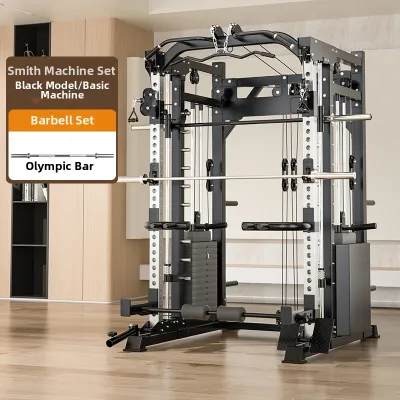
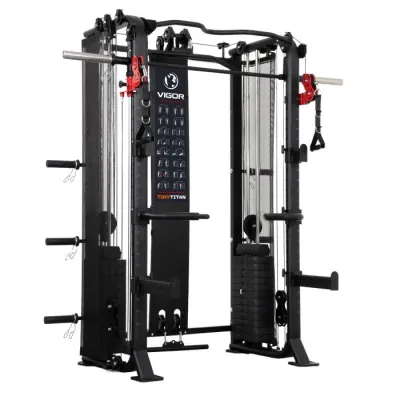
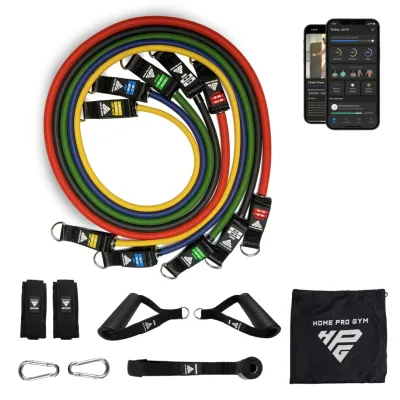
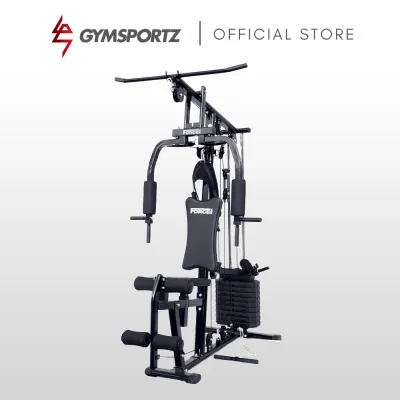
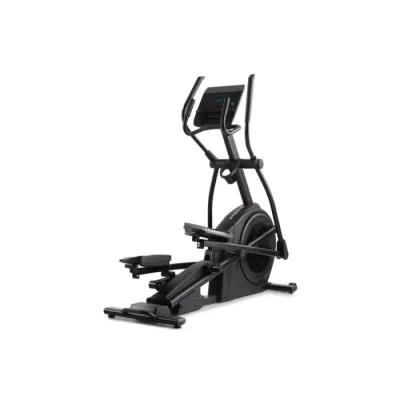
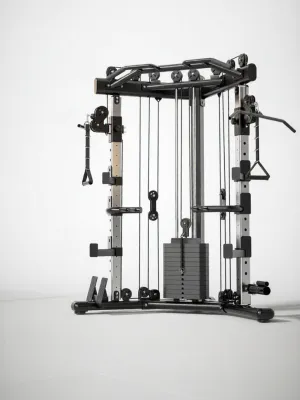
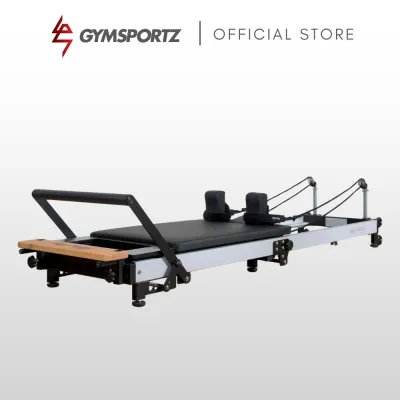
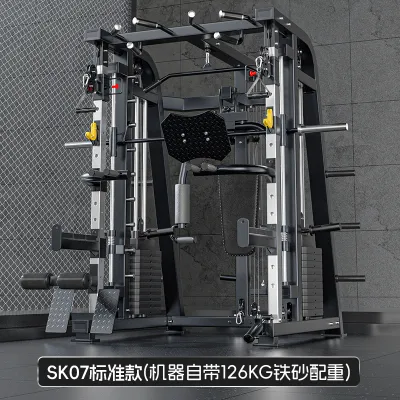
Prices are valid at publication and may change. Please refer to the product page for the latest price.
Finally, identify the structural composition of your walls. Most HDB flats feature a mix of solid concrete structural walls and non-load-bearing drywall partitions. Mounting heavy equipment on drywall without locating the internal studs or using specialized anchors can lead to severe structural damage and safety hazards. Always verify your wall type before planning any wall-mounted installations.
Core Equipment Categories for Compact Spaces
When planning your layout, you will generally choose between two main equipment strategies: temporarily deployed gear and permanently installed space-saving systems. Temporarily deployed items, such as folding benches or adjustable dumbbells, are designed to be brought out for a workout and completely hidden away afterward. This approach keeps your living space visually clean but requires a commitment to setting up and packing down your gear for every session.

In contrast, permanent space-saving systems, like wall-mounted folding racks or compact cable columns, remain fixed in place but occupy a minimal physical footprint. While these systems offer excellent stability and a dedicated workout feel, they permanently alter the aesthetics of the room. Balancing these options requires you to weigh the convenience of instant access against the desire for a completely multi-purpose living area.
Foldable and Wall-Mounted Options
Foldable and wall-mounted equipment offers an excellent compromise between structural stability and space preservation. When evaluating foldable workout benches or treadmills, closely inspect the hinge mechanisms, locking pins, and overall weight capacities. A high-quality folding mechanism should lock securely into place without any noticeable wobble or play during use, ensuring your safety under heavy loads.
For wall-mounted gear, such as folding power racks or pull-up stations, compatibility with your flat’s walls is paramount. Solid concrete walls provide the necessary structural integrity for heavy-duty anchors, whereas partition walls require precise mounting to internal studs or additional reinforcement. Always check the manufacturer’s specified mounting requirements and ensure you have the correct masonry drill bits and heavy-duty expansion bolts.
You should also realistically assess the physical effort required to transition the equipment from storage to active mode. If a machine is excessively heavy or complicated to unfold, you may find yourself avoiding your workouts altogether. Look for designs featuring gas-assisted struts or lightweight yet durable aluminum frames that simplify the daily setup process.
Multi-Functional and Modular Systems
To maximize your training variety within a small footprint, prioritize multi-functional and modular systems over single-purpose machines. Adjustable dumbbells and kettlebells are prime examples of this philosophy, replacing entire racks of traditional weights with a single pair of handles and a compact docking tray. This not only saves massive amounts of floor space but also simplifies your storage organization.
Resistance band systems and compact, wall-mounted cable machines offer another highly efficient alternative to bulky gym equipment. These systems provide continuous tension throughout your movements and can easily replicate dozens of traditional cable exercises. When choosing these options, verify the maximum resistance range offered to ensure the equipment can grow with your strength levels over time.
When sourcing these space-saving solutions, exploring specialized local retailers like homegymsg can help you find modular gear tailored specifically for compact residential layouts. Because modular systems rely on moving parts, selector pins, and dial mechanisms, pay close attention to the durability of these connection points. Regularly inspect the adjustment dials, collar locks, and cable sleeves for signs of wear or friction. Investing in systems with robust metal components rather than cheap plastic selectors will ensure long-term reliability and safety during training.
Key Selection Criteria for HDB Home Gyms
Selecting the right gear requires a systematic approach that matches equipment specifications to your living conditions. Begin by comparing the exact folded and unfolded dimensions of the equipment against your pre-measured room clearances. Do not rely on visual estimates; even a discrepancy of a few centimeters can prevent a folding bench from sliding under your bed or fitting inside your wardrobe.
Aesthetics also play a significant role in maintaining a harmonious home environment. Equipment with low-profile designs, matte finishes, and neutral color schemes tends to blend seamlessly into modern home decor, reducing the visual clutter of a shared living space. Look for gear that can be stored vertically or flat against the wall to minimize its visual impact when not in use.
Always verify the manufacturer’s specifications regarding maximum user weight, height limits, and load capacities. These limits are crucial for ensuring the equipment remains stable and safe under your specific body type and training intensity. Choosing gear with a generous safety margin prevents structural failure and gives you greater confidence during heavy lifts.
Finally, ensure that the space-saving equipment you select directly supports your primary fitness goals. It is easy to fall into the trap of buying a highly compact machine simply because it fits your space, only to realize later that it does not offer the resistance or range of motion you need. Prioritize utility and effectiveness over pure compactness to ensure your home gym remains a valuable asset to your routine.
Installation, Safety, and Noise Considerations
Operating a home gym in a high-density residential building like an HDB flat requires careful consideration of your neighbors. Impact noise from dropping weights and vibration transfer from cardio equipment can easily travel through concrete floors, causing disturbance to those living below you. To mitigate this, invest in high-density rubber gym tiles or specialized shock-absorbing mats to place under your equipment.
When assembling your gear, strictly follow the manufacturer’s step-by-step instructions and use the recommended tools. Avoid making unauthorized modifications, such as drilling extra holes in frames or substituting hardware, as this can compromise the structural integrity of the machine and void your warranty. If you are unsure about wall-mounting procedures, hiring a professional installer is a highly recommended step to ensure a secure setup.
Lastly, establish clear safety and stopping conditions for your workouts. Regularly inspect your equipment for loose bolts, frayed cables, or cracked welds before every session. If you notice any unusual squeaking, instability, or structural flexing during an exercise, stop immediately and address the issue before continuing. Equipment maintenance is a fundamental part of safe home training.
Frequently Asked Questions (FAQ)
Can I install a pull-up bar on an HDB door frame or wall?
Yes, but you must choose the right type and mounting method for your specific flat. Pressure-mounted door frame bars are convenient but carry a high risk of slipping or damaging hollow, modern door frames. For a safer setup, a wall-mounted pull-up bar fixed directly into a solid concrete wall using heavy-duty expansion anchors is highly recommended. Always check your wall material, consult the manufacturer’s load limits, and refer to HDB renovation guidelines before drilling into any structural walls.
How do I protect my HDB flooring from heavy gym equipment?
Protecting your flooring requires distributing the weight of your equipment and absorbing impact forces. Standard thin yoga mats do not provide enough cushioning for heavy weights or machines; instead, use high-density rubber gym tiles or interlocking foam mats designed specifically for fitness equipment. These mats help distribute point-load weight and prevent scratches on vinyl, laminate, or tile floors. Additionally, lift your mats periodically to clean and dry the floor underneath, preventing moisture buildup and surface discoloration.
Community discussion
Share your experience or ask a question. Comments are reviewed before publication.