
Fitting a rowing machine into a typical Singapore HDB flat requires prioritizing vertical storage, foldable frames, and a compact front-end footprint. While a standard rower can span over two meters in length when in use, models designed with folding rails or stable upright storage bases allow you to reclaim valuable floor space the moment your workout ends. By focusing on machines with a small stored footprint and quiet resistance mechanisms, you can enjoy a high-quality cardiovascular workout without permanently crowding your living room or bedroom.
Understanding HDB Space Constraints and Machine Footprints
Living in a 3-room or 4-room HDB flat means managing multi-purpose spaces where the living room often doubles as a dining area, home office, or play zone. When shopping for fitness equipment, it is vital to distinguish between a machine’s active footprint and its stored footprint. The active footprint represents the total floor area required when the rail is fully extended and the seat is in motion, which typically ranges from 1.8 to 2.4 meters in length. The stored footprint, on the other hand, is the vertical or folded space the machine occupies when tucked away, often requiring less than one square meter of floor space.
Before committing to a purchase, map out how the machine will travel from your front door to its designated workout or storage spot. Singapore HDB corridors, lift cars, and household shelter doorways can have tight angles and limited widths. A machine that is too long or heavy to maneuver around tight corners can become a major delivery headache. Always measure your doorway clearances and compare them against the boxed and assembled dimensions provided by the manufacturer to ensure a smooth setup process.
Products mentioned in this guide
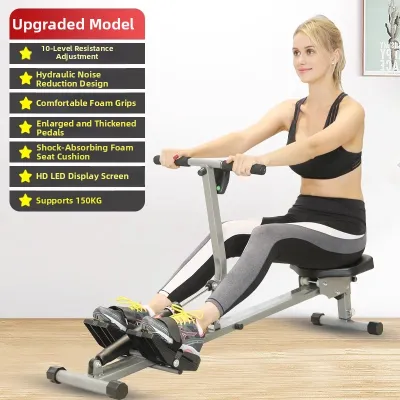
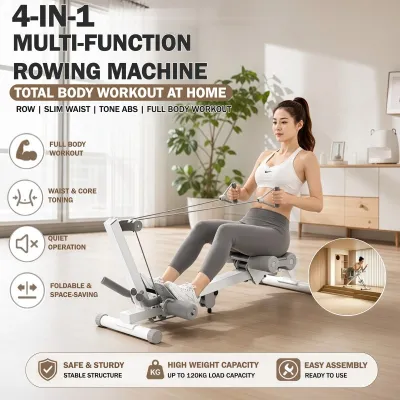
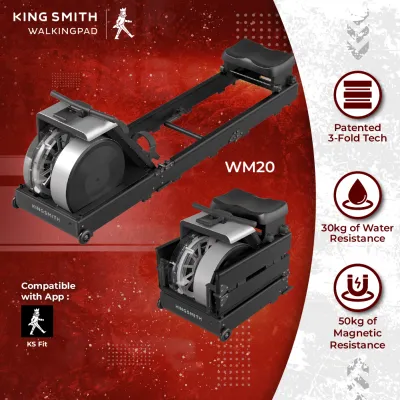
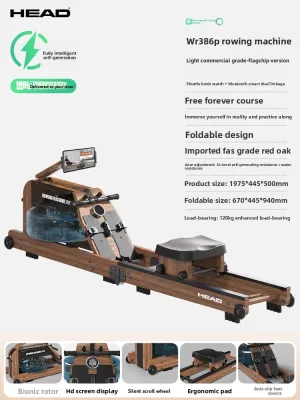
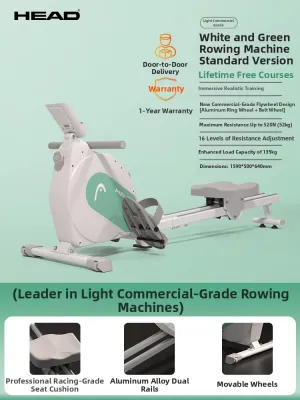
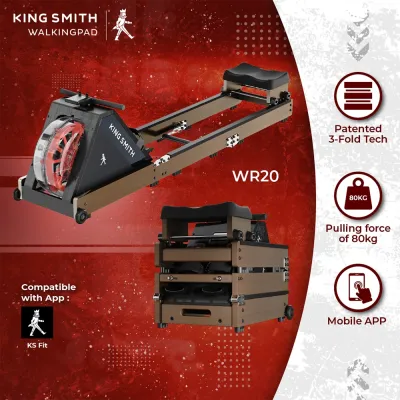
Prices are valid at publication and may change. Please refer to the product page for the latest price.
Key Storage Features for Compact Living
To keep your home clutter-free, look for structural design features specifically engineered for easy storage. Vertical storage is one of the most efficient options for small apartments. Many modern rowers are designed to stand upright on their front frame, utilizing a built-in stand or safety strap to remain stable. When stored vertically, a machine that normally takes up two meters of floor space can be reduced to a footprint similar to an armchair, allowing it to sit neatly in a corner or alongside a wardrobe.

Foldable frames and detachable rails offer alternative ways to minimize the machine’s daily presence. Foldable models typically feature a hinge mechanism in the middle of the rail, allowing the rear portion to fold upward or over the front housing. Detachable rails allow you to separate the slide rail from the main body entirely, making it easier to slide the components under a bed or store them in a closet.
Regardless of the folding mechanism, transport wheels are an essential feature for HDB dwellers. Moving a heavy piece of steel or wood across vinyl, laminate, or ceramic tile flooring can easily cause scratches or strain your back. High-quality, non-marking transport wheels integrated into the front stabilizer bar allow you to tilt the machine and roll it effortlessly between your workout zone and storage area.
Evaluating Resistance Types and Head Rowing Machine Designs
The front portion of the rower, often referred to as the head, houses the resistance mechanism, flywheel, and console. The design of this head rowing machine assembly plays a significant role in determining both the physical bulk of the equipment and the noise it generates during use. Different resistance types have distinct spatial and acoustic profiles that you must evaluate before purchasing.
Magnetic resistance rowers are highly popular for HDB flats because their head units are typically compact and operate almost silently. The magnetic housing is sealed, preventing dust buildup and keeping the front-end width relatively narrow. In contrast, water resistance rowers feature a large, horizontal water tank at the front. While they offer a realistic rowing feel, the water tank adds substantial width and weight to the head rowing machine design, making it harder to maneuver and store in tight spaces. Air resistance rowers utilize a large fan flywheel that requires open space around the vents to draw in air, which can increase the overall front-end footprint and produce a noticeable whirring noise that might disturb family members or neighbors.
When selecting a head rowing machine, pay close attention to how the monitor and console arm are integrated. Some models feature adjustable console arms that fold flat against the main housing, reducing the vertical height when stored. Others have fixed, protruding monitors that can catch on clothing or prevent the machine from sliding under low furniture. Choosing a design with a streamlined, folding console ensures the machine remains as compact as possible when not in use.
How to Measure and Plan Your Workout Zone
Creating a safe and comfortable workout zone in your flat requires more than just matching the machine’s length to your floor space. You must calculate the required length for a full rowing stroke, which depends on your height and inseam. If the slide rail is too short, you will not be able to fully extend your legs, limiting the effectiveness of your workout. Ensure the machine’s rail length accommodates your height while still leaving at least 30 centimeters of clearance behind the rear stabilizer to prevent the seat from hitting walls or furniture at the end of your stroke.
Lateral clearance is equally important for maintaining proper rowing form. During the drive and recovery phases, your elbows and arms will extend outward. Planning for at least 50 centimeters of clear space on either side of the machine prevents you from bumping into coffee tables, TV consoles, or walls.
Additionally, consider practical environmental factors. If your machine features an electronic console or motorized magnetic resistance, you will need to position it near a power outlet, or plan to use a heavy-duty extension cord safely. Ensure the workout zone is well-ventilated, ideally near a window or directly under a ceiling fan, to stay cool during intense sessions. Finally, always leave space for a protective floor mat to anchor the machine and absorb sweat.
Common Space-Planning Mistakes to Avoid
One of the most frequent mistakes buyers make is ignoring ceiling height requirements when planning for vertical storage. While a rower might have a small floor footprint when stood upright, its total length becomes its vertical height. In HDB flats with false ceilings or low-hanging light fixtures, a vertically stored machine might not clear the ceiling. Always measure the height of your storage area before purchasing a model designed for upright storage.
Another common error is overlooking the total weight of the machine and how it interacts with your flooring. While HDB floors are highly durable, placing a heavy machine on a raised decorative platform or delicate laminate without proper support can cause structural issues or surface damage over time.
Lastly, do not assume that all foldable models are lightweight or easy to handle. Some heavy-duty rowers fold but still weigh over 40 kilograms, making daily setup and teardown a strenuous chore. If you plan to fold and move the machine after every single workout, verify the total weight and the ease of the folding mechanism to ensure it is a task you can comfortably manage on your own.
Frequently Asked Questions (FAQ)
Can I store a rowing machine upright in an HDB household shelter or storeroom?
Yes, you can store a rowing machine upright in an HDB household shelter, provided the machine’s vertical height is lower than the shelter’s ceiling and the doorway is wide enough for entry. However, you must ensure the machine does not block access to the shelter’s door or ventilation openings. The household shelter is designed as a safety feature, so any stored equipment must be easy to move in an emergency and must not violate civil defense guidelines regarding structural modifications or obstruction.
Do I need a protective mat under my rowing machine on HDB vinyl or tile floors?
Using a protective mat is highly recommended for HDB flats with vinyl, laminate, or ceramic tile floors. The repetitive back-and-forth motion of rowing can cause the machine to slide slightly, leading to surface scratches, scuffs, or wear on your flooring. A dense, non-slip rubber or PVC mat helps distribute the machine’s weight, prevents slipping, and acts as a crucial barrier to dampen vibrations and reduce noise transmission to the neighbors living directly below you.
Community discussion
Share your experience or ask a question. Comments are reviewed before publication.