
Finding space for fitness equipment in a typical Singapore HDB flat requires balancing your training goals with the realities of shared living areas. When your living room doubles as a dining space, workspace, and relaxation zone, bulky gym gear quickly becomes an obstacle. Choosing the right sit-up equipment involves looking beyond the exercise itself to evaluate how a piece of gear integrates into your daily environment when not in use. By focusing on compact footprints, multi-functional designs, and smart storage strategies, you can maintain a consistent core routine without sacrificing your home’s open feel.
Assessing Your Available Space and Storage Options
Before browsing online marketplaces, establish the physical boundaries of your training zone. Start by measuring the exact floor area where you plan to exercise. A standard sit-up bench typically requires a clear rectangular footprint of at least 1.2 to 1.5 meters in length and 0.6 meters in width. However, you must also account for your own body length when fully extended, especially if you plan to perform exercises that involve reaching overhead or extending your legs beyond the frame.
Ceiling height is another critical dimension often overlooked in modern HDB flats. While standard ceilings provide ample clearance for flat exercises, an inclined sit-up bench raises your torso significantly. Measure the vertical clearance in your designated workout spot to ensure you will not hit your head on low-hanging ceiling fans or light fixtures when sitting up quickly.
Products mentioned in this guide
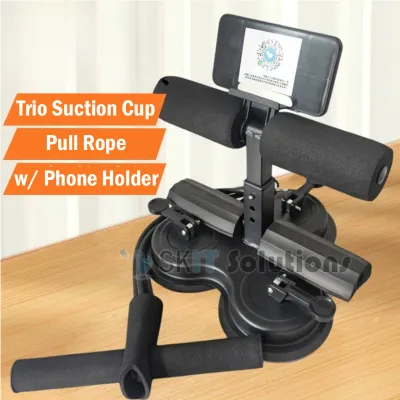
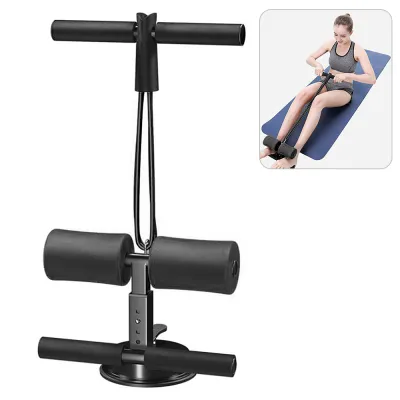
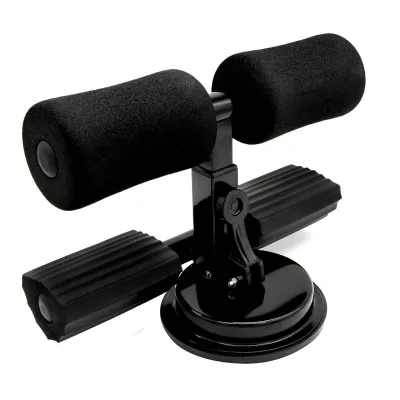
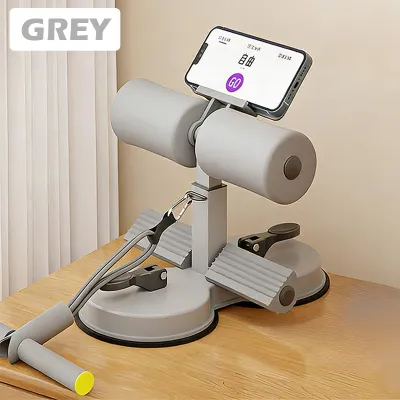
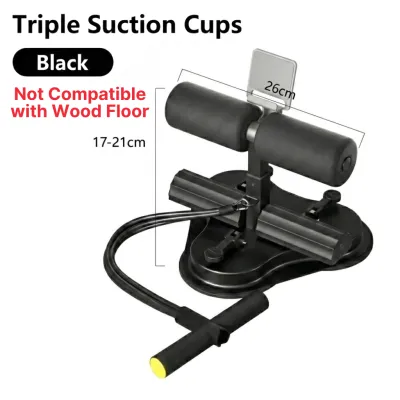
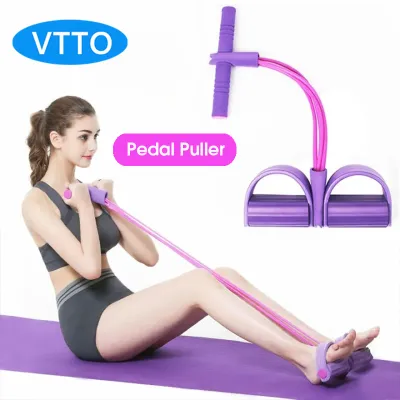
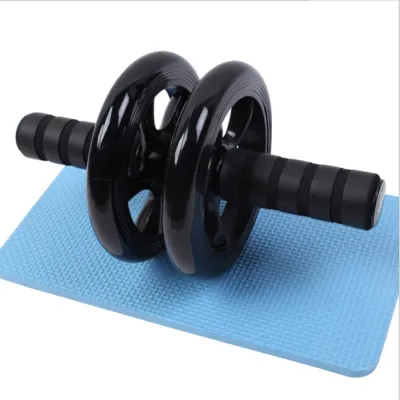
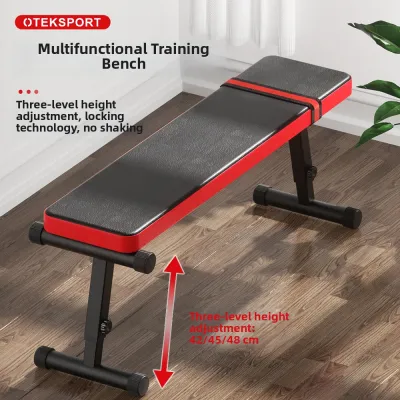
Prices are valid at publication and may change. Please refer to the product page for the latest price.
Storage planning requires equal precision. Identify potential storage zones such as the gap beneath your bed frame, the space on top of a wardrobe, the narrow crevice behind a bedroom door, or a corner in your household shelter. Use a tape measure to record the height, width, and depth of these storage spots. For instance, if your bed frame sits only 15 centimeters off the floor, any foldable bench you purchase must collapse to a thickness of less than 15 centimeters to slide underneath smoothly.
Finally, map out the movement pathways within your home. Deployed equipment should not block the main walkway between your bedroom and the bathroom, nor should it prevent wardrobe doors or kitchen cabinets from opening fully. If you have to constantly shift furniture or squeeze past a half-unfolded bench to move around, the friction of setting up your workout will eventually lead to the equipment being abandoned.
Evaluating Compact Sit-Up Equipment Types by Space Footprint
Different categories of core training equipment offer distinct trade-offs between structural support, exercise variety, and spatial footprint. Understanding these categories helps you select a tool that matches both your fitness level and your home’s storage capacity.

Foldable sit-up benches are the most traditional option, providing dedicated back support and secure ankle rollers for decline exercises. When fully deployed, they occupy a substantial amount of floor space, but high-quality space-saving models fold down to a fraction of their active size. When evaluating these benches, compare the active footprint against the folded dimensions. Some models stand vertically in a closet corner, while others fold completely flat for horizontal storage under a sofa.
For those with extremely limited space, portable core tools offer an alternative to large benches. Ab wheels, resistance bands, and sliding discs require virtually zero storage space and easily fit into a small drawer. However, these tools demand a higher baseline of core strength and stability compared to a supported bench. They also require specific floor surfaces; sliding discs work best on smooth tiles or laminate, while an ab wheel requires a flat, debris-free floor to roll safely without slipping.
Multi-functional or modular setups combine core training with other exercises, such as integrated push-up bars or resistance band attachments. While these features sound highly efficient, they often increase the overall bulk and weight of the equipment. Assess whether you will actually use these additional features in your daily routine. If your primary goal is simply performing sit-ups and basic core work, a single-purpose, highly compact bench is often more practical than a bulky multi-gym setup.
Inflatable or roll-up exercise mats represent the absolute minimum footprint option. A high-density mat provides sufficient cushioning for floor-based sit-ups, crunches, and planks, and can be rolled up and tucked away in seconds. While mats do not offer the decline angles or leg-locking capabilities of a dedicated bench, they are highly versatile and completely eliminate the risk of structural clutter in a small flat.
Key Features to Check for Small-Space Compatibility
When shopping for compact sit-up equipment, specific structural details determine whether a product is truly compatible with a small-space lifestyle. Relying on visual marketing photos can be misleading, so you must verify the technical specifications and design features before purchasing.
First, inspect the locking mechanisms and folding joints. A space-saving bench relies on pins, hinges, and latches to transition from its folded state to a rigid training platform. Look for heavy-duty steel locking pins with secure pull-elastic or screw-in designs. Avoid models that feel loose or wobble at the joints when unfolded, as any structural instability can compromise your safety during high-intensity movements.
Second, evaluate the base grip and floor protection features. Most HDB flats feature homogeneous tiles, vinyl, or laminated wood flooring, which can be easily scratched or scuffed by bare metal frames. Ensure the equipment features thick, non-marking rubber or thermoplastic elastomer (TPE) end caps on all floor-contact points. These caps protect your flooring from cosmetic damage and provide the necessary friction to prevent the bench from sliding during your workout.
Third, consider the physical weight and portability of the gear. If you must drag a heavy steel bench out of a closet and across your living room every day, the sheer effort will discourage you from training. Look for lightweight yet structurally sound materials, and check if the bench includes built-in transport wheels or a dedicated carrying handle. A bench that weighs under 12 kilograms and rolls smoothly is much easier to manage on a daily basis.
Lastly, always verify the manufacturer-stated weight capacities and dimensional limits. Do not estimate whether a bench can support your weight based on its appearance. Check the official product specifications for the maximum user weight and the maximum load capacity, which includes any weights or dumbbells you plan to hold during your exercises.
Common Space-Matching Mistakes to Avoid
Optimizing a small home for fitness requires avoiding several common pitfalls that can lead to buyer’s remorse, wasted money, and a cluttered living environment.
One frequent mistake is ignoring the extra clearance needed for your body’s full motion path. A bench might fit perfectly in a narrow corridor when empty, but once you lie down and extend your arms overhead or hook your legs into the rollers, you may find your knuckles scraping against a wall or your feet hitting a cabinet. Always add at least 50 centimeters of clearance around the entire perimeter of the active equipment footprint to allow for safe, unrestricted movement.
Another common error is assuming that “foldable” automatically translates to “easy to store.” Some manufacturers label benches as foldable even if the folding process requires unscrewing multiple bolts with hand tools. A truly practical small-space bench should feature a quick-release mechanism that allows you to fold and unfold the unit in under a minute without needing external tools. Always check user reviews or product manuals to verify how many steps are required to collapse the equipment.
Do not overlook ventilation and heat dissipation when setting up your workout corner. Exercising in a tight, enclosed space like a household shelter or a narrow hallway can quickly lead to overheating, especially in Singapore’s warm and humid climate. Ensure your training spot has adequate airflow from a nearby window, ceiling fan, or portable air conditioner to keep your body temperature at a safe level during intense core sessions.
Finally, avoid the temptation to purchase overly complex, multi-jointed equipment that exceeds your current fitness level. Beginners often buy advanced decline benches with multiple attachments, only to find the setup process tedious and the exercises too difficult. Start with simpler, highly compact tools that match your immediate needs, and only upgrade to larger equipment once you have established a consistent, long-term training habit.
Frequently Asked Questions (FAQ)
Can I use a sit-up bench on a typical HDB tiled floor without it slipping?
Yes, but you must verify that the bench has high-quality rubberized or TPE footpads that grip smooth tile surfaces. If the footpads are made of hard plastic, they will slide easily, which can scratch your tiles and cause instability during your workout. To ensure maximum safety and floor protection, place a high-density, non-slip exercise mat or a thin rubber gym tile underneath the bench. If you feel the bench shifting or sliding even slightly during an exercise, stop immediately and adjust the positioning or replace the worn footpads.
How do I maintain the folding joints of sit-up equipment safely?
Regular maintenance is essential to keep folding mechanisms operating smoothly and safely. Inspect the locking pins, hinges, and bolts at least once a month to ensure nothing has loosened from repeated folding and unfolding. Wipe down the joints with a dry microfiber cloth to remove sweat, dust, and lint, which can accumulate in the moving parts and cause grinding. If a joint begins to squeak or feel stiff, apply a small amount of silicone-based lubricant to the pivot points. If you detect any structural wobbling, bent pins, or cracked welds, stop using the equipment immediately until it is repaired or replaced.
Community discussion
Share your experience or ask a question. Comments are reviewed before publication.