
Finding the right thigh exerciser for a small HDB flat requires balancing your fitness goals with the physical realities of limited square footage. In a typical three-room or four-room flat, every square meter of floor space is highly contested, meaning bulky gym equipment is rarely a practical option. The ideal workout tool must not only target the inner and outer thighs effectively but also disappear completely into a drawer, wardrobe, or narrow gap when your workout is finished.
To make an informed decision, you must look beyond the marketing photos of fitness equipment set up in spacious, open-concept rooms. A device that looks compact on a screen can quickly feel overwhelming when placed in a multi-purpose living room or a cozy bedroom. By evaluating the physical footprint, storage requirements, and operational clearance of different equipment types, you can maintain a consistent home workout routine without cluttering your living space.
Assessing Your Available Space and Storage Options
Before purchasing any fitness equipment, it is essential to map out where you will actually perform your exercises and where the device will live when not in use. Many apartment dwellers make the mistake of measuring only the static dimensions of a machine, forgetting that your body needs additional clearance to move through a full range of motion. For thigh exercises, this dynamic footprint often extends at least one meter beyond the physical boundaries of the equipment to accommodate leg extensions, lateral movements, or wide stances.
Products mentioned in this guide
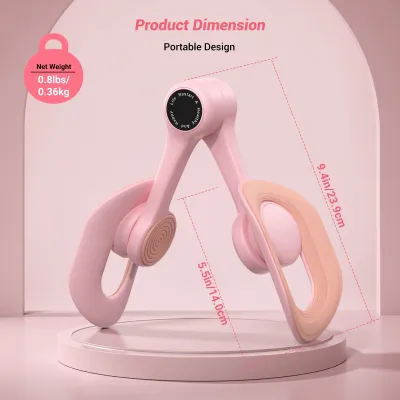
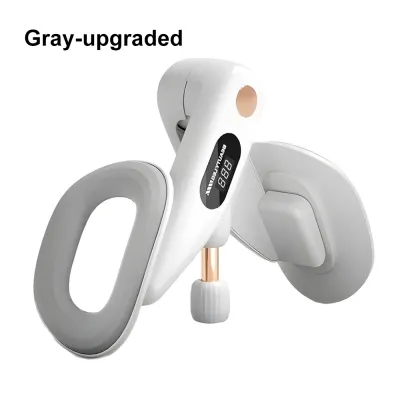
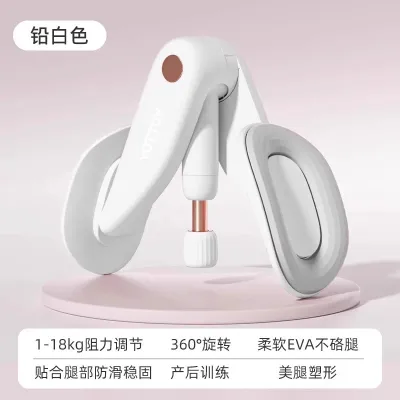
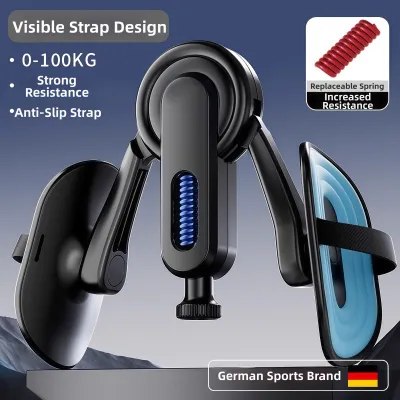
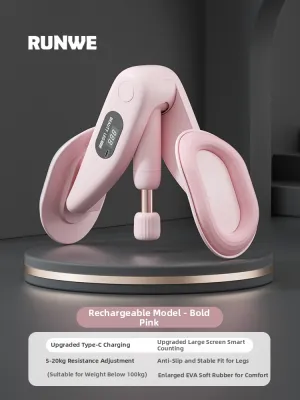
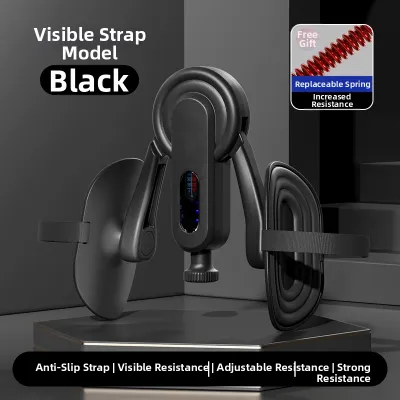
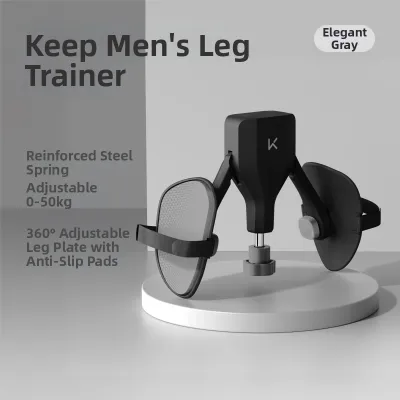
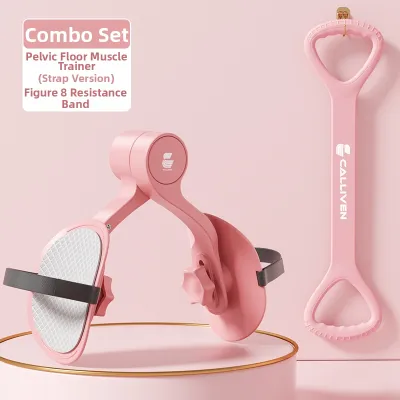
Prices are valid at publication and may change. Please refer to the product page for the latest price.
Take a tape measure to your potential storage zones to establish hard physical limits before browsing online catalogs. Measure the vertical clearance under your bed frame, the available depth of your wardrobe shelves, and the narrow gap behind your bedroom door or next to your washing machine. If you plan to store the equipment in your household shelter, ensure the access path is clear and that the device can be retrieved easily without shifting heavy storage boxes every time you want to exercise.
Living in an HDB flat also means navigating shared, multi-purpose spaces where walkways must remain clear for family members or housemates. A bulky machine that takes ten minutes to assemble and disassemble will quickly become a chore to use, eventually ending up as an expensive clothes rack. Prioritize equipment that can be set up in under a minute and cleared away just as quickly, allowing you to transition your living room from a temporary home gym back to a functional family space.
Comparing Compact Thigh Exerciser Types by Footprint
Compact thigh exercisers generally fall into three distinct design categories, each offering a different balance between storage volume and operational space. Understanding these categories allows you to match the equipment to your specific storage constraints and workout preferences. While some options prioritize absolute minimalism, others offer structured mechanical resistance at the cost of a slightly larger physical footprint.

The primary trade-off when selecting a small-space exerciser is the relationship between storage convenience and exercise variety. Ultra-compact tools often rely on your own body weight or simple elastic tension, requiring more physical effort to stabilize your posture during use. Conversely, mechanical devices with built-in frames provide guided movement paths that can make exercises feel more stable, but they require a dedicated, unyielding patch of floor space during your workout.
Resistance Bands and Pilates Rings
For flats where storage space is at an absolute premium, resistance bands and Pilates rings represent the most space-efficient options available. These tools have a near-zero storage footprint and can easily be tucked into a bedside drawer, slipped into a closet organizer, or packed away in a small fabric pouch. Because they do not rely on heavy metal frames or rigid joints, they can be stored in almost any unused nook without risk of damaging surrounding items.
However, the minimal physical size of these tools means your body becomes the primary frame of reference during your workout. When using long resistance bands for lateral walks or leg presses, you must ensure you have a clear lateral and vertical clearance zone. A sudden slip or loss of grip can cause a band to snap outward, potentially striking nearby glass coffee tables, television screens, or fragile home decor.
Safety is a critical consideration when using elastic materials in confined spaces. Before every workout session, you must carefully inspect your resistance bands for micro-tears, discoloration, or brittle spots that indicate wear and tear. A band that snaps under high tension in a small room poses a significant risk of injury to yourself or anyone else sharing the space, making regular replacement of worn bands a mandatory safety practice.
Mini Pedal Exercisers and Steppers
Mini pedal exercisers and compact steppers offer a stationary, low-impact cardio and strength workout with a relatively small static footprint. These devices typically sit flat on the floor and allow you to perform stepping or pedaling motions from a standing or seated position. Because their movement is vertical or rotational within a fixed frame, they do not require a wide lateral clearance zone, making them highly suitable for narrow walkways or tight corners.
If you plan to use a mini pedal exerciser while sitting at a study desk or working from home, you must verify the total operational height of the unit. This measurement includes not just the frame itself, but the highest point of the pedal when your foot is positioned on it. Failing to account for this clearance can result in your knees repeatedly striking the underside of your desk, rendering the setup unusable for active sitting.
Another factor to consider is the physical weight of these machines, which often incorporate heavy steel flywheels or hydraulic cylinders to provide smooth resistance. This weight makes them highly stable on the floor, but it also makes them much harder to lift onto high wardrobe shelves or retrieve from deep under-bed storage. If you have physical limitations or simply want a low-effort setup, a heavy stepper may prove too cumbersome for daily retrieval.
Hip and Thigh Gliders or Squeeze Machines
Hinged squeeze machines and sliding thigh gliders are designed specifically to target the adductor and abductor muscles of the thighs. Squeeze machines, often featuring a spring-loaded V-shape design, are highly portable but can be awkward to store flat due to their rigid, angled arms. Sliding gliders, which require you to stand and slide your feet apart and together, offer a highly effective workout but demand a significant horizontal clearance area during use.
When shopping for sliding gliders, look specifically for models that feature a folding frame or collapsible tracks. While these folding mechanisms greatly reduce the storage depth of the machine, you must still verify the folded length to ensure it can fit inside your wardrobe or stand upright in a utility closet. Non-folding models are generally impractical for small flats as they require a permanent, dedicated floor area that cannot be easily reclaimed.
It is also vital to inspect the underside of any mechanical glider or squeeze machine before placing it on your floor. Exposed metal hinges, rough plastic edges, or protruding locking pins can easily scratch and gouge vinyl, laminate, or polished parquet flooring during vigorous movements. Choosing models with protective rubber casings or using a dedicated protective barrier is essential to preserve the condition of your home’s flooring.
Key Features to Check for Small-Space Living
When evaluating different thigh exercisers, a specific set of structural features can make the difference between a tool that integrates seamlessly into your home and one that becomes a constant nuisance. First, examine the folding and collapsible mechanisms of the device. A truly space-saving machine should fold down without requiring complex tools and, ideally, should be able to stand upright on its own without needing to lean precariously against a wall where it could easily slide and fall.
Second, check for detachable components such as removable handles, footplates, or resistance rods. Devices that allow you to quickly unscrew or unclip protruding parts are much easier to pack into standard plastic storage bins or slide into shallow drawers. This modularity is particularly useful if you need to store the equipment in a shared wardrobe where space is shared with clothing and household items.
Third, consider the overall weight and portability of the unit in relation to your daily routine. If a device is too heavy or awkward to carry, you are far less likely to retrieve it for a quick workout session. Look for built-in carrying handles, lightweight materials like aluminum or high-density plastics, or integrated transport wheels that allow you to roll the equipment across the room without lifting.
Finally, noise and vibration transmission is a critical consideration for anyone living in high-density housing like HDB flats. The impact of a stepper or the mechanical squeak of a spring-loaded hinge can easily travel through concrete floor slabs, causing unwanted noise for your downstairs neighbors. Prioritize devices that utilize magnetic resistance systems, which operate almost silently, and ensure the unit is equipped with thick, vibration-absorbing rubber feet to dampen any physical impact.
Safe Setup and Usage in Limited Areas
Operating fitness equipment in a confined space requires deliberate preparation to prevent accidents and protect your property. Always begin by laying down a high-density, non-slip exercise mat over your flooring. This mat serves a dual purpose: it prevents the thigh exerciser from sliding or shifting during high-intensity movements, and it provides an extra layer of protection against scratches, sweat, and impact noise.
Establish a clear safety buffer zone around your workout area before you begin. As a general rule, you should be able to extend your arms and legs fully in all directions without touching any walls, furniture, or decorative items. Keep a close eye on the proximity of glass coffee tables, TV consoles, and low-hanging light fixtures, as a loss of balance during a thigh exercise can lead to a dangerous collision.
Knowing when to stop your workout is just as important as setting up correctly. If you experience any unusual joint pain, if the equipment feels unstable or begins to wobble on the mat, or if you notice excessive mechanical noise, halt your exercise immediately. Continuing to use a malfunctioning or poorly positioned device in a tight space increases the risk of injury and can lead to permanent damage to both the equipment and your home.
Frequently Asked Questions (FAQ)
Can I use a thigh exerciser on a sofa or bed to save floor space?
Using a thigh exerciser on a soft, uneven surface like a sofa or a bed is highly discouraged. Soft surfaces compress under your body weight, which destabilizes the equipment and forces your joints into unnatural, unaligned angles during exercise. This lack of stability not only reduces the effectiveness of the workout but also increases the risk of joint strain or muscle injury. Additionally, using mechanical devices on soft furnishings can cause the frame to twist or bind, potentially damaging the internal mechanisms and voiding the manufacturer’s warranty. For safe and effective operation, always place your equipment on a firm, flat, and level floor.
Are magnetic resistance thigh exercisers quieter than spring-based ones?
Magnetic resistance thigh exercisers are significantly quieter than traditional spring-based or hydraulic models. Magnetic systems rely on non-contact magnetic fields to create resistance, eliminating the friction, squeaking, and metallic clicking sounds common to mechanical springs and hinges. This near-silent operation makes them ideal for early morning or late-night workouts in noise-sensitive HDB environments. However, to maintain this quiet performance over time, you must perform regular maintenance as outlined in your product manual. This includes checking and tightening any structural bolts, inspecting moving joints, and applying appropriate lubrication to any non-magnetic pivot points to prevent structural squeaks.

Community discussion
Share your experience or ask a question. Comments are reviewed before publication.