
Selecting the most breathable running vest for a marathon requires looking beyond brand names and focusing on how specific fabric structures and designs interact with your body’s thermoregulation. While many manufacturers claim superior ventilation, actual performance depends heavily on the balance between fabric weight, weave density, and structural air gaps. In high-humidity environments, where sweat cannot evaporate easily, a vest that relies solely on chemical wicking treatments may saturate quickly, whereas a vest with physical 3D spacer mesh might perform better by keeping the wet fabric off your skin. Therefore, no single brand holds a universal monopoly on breathability; instead, runners must evaluate individual model specifications against their personal sweat rates and race-day climates.
Key Factors That Determine Running Vest Breathability
To understand how a running vest manages heat, it is essential to examine the materials that contact your body. Technical running vests generally utilize synthetic fibers like polyester, polyamide, and elastane due to their low water absorption and high durability. However, the way these fibers are woven determines their breathability. Open micro-mesh fabrics feature a knit pattern with visible physical openings, allowing air to pass directly to the skin and facilitate convective cooling. In contrast, solid nylon or polyester panels, often used to reinforce pockets or load-bearing areas, block airflow and trap body heat unless they are treated with specialized hydrophilic finishes that pull moisture away from the skin.
Structural ventilation features play an equally critical role in keeping a runner cool over 42.195 kilometers. Many modern vests incorporate 3D spacer mesh, a double-faced fabric with vertical connecting fibers that create a physical chamber of air between the vest’s outer utility layer and your back. This design prevents the saturated fabric of the vest from clinging directly to your skin, allowing heat to rise and escape through the top of the harness. Other designs utilize strategic perforation, where laser-cut vents are placed in non-load-bearing zones, or open-back configurations that minimize fabric coverage entirely to maximize skin exposure to the ambient air.
Products mentioned in this guide

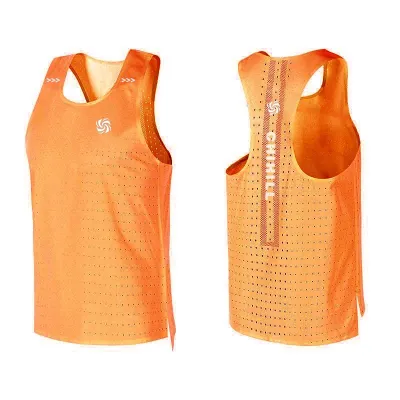
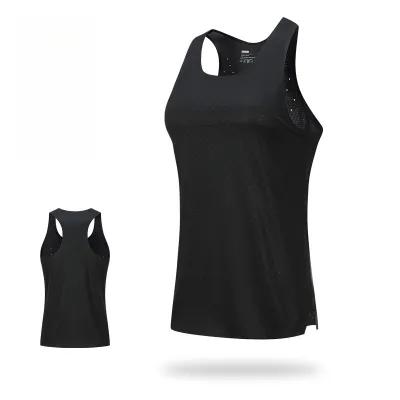
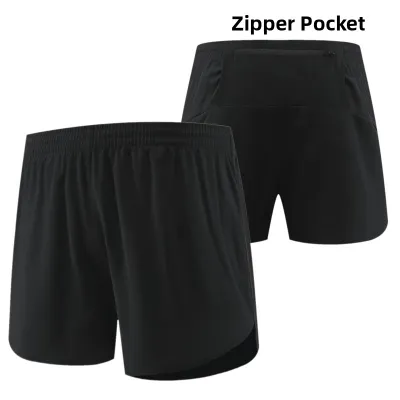
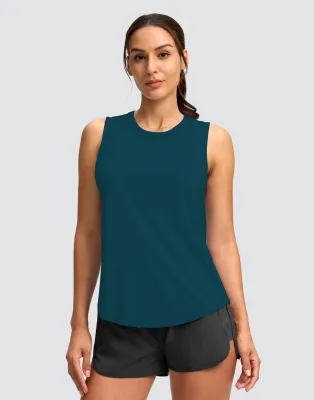
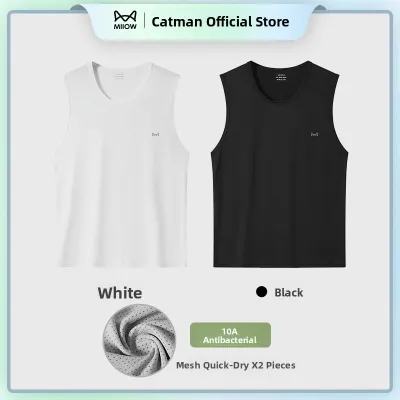
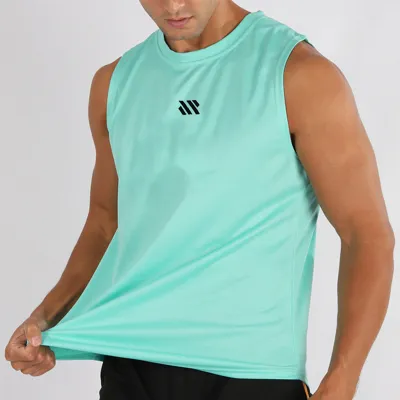
Prices are valid at publication and may change. Please refer to the product page for the latest price.
The effectiveness of these materials and structural features is highly dependent on the fit and adjustability of the vest. A vest must sit snugly against the torso to prevent bouncing, which can cause severe chafing over long distances. However, if the vest is adjusted too tightly, it compresses the 3D spacer mesh, flattening the air channels and trapping heat directly against the body. Conversely, a loose vest allows the fabric to bunch up, creating pockets of stagnant, warm air and increasing the risk of friction-induced skin irritation as you run.
Comparing Ventilation Approaches Across Leading Brands
Different brands approach the challenge of heat and sweat management with distinct design philosophies, allowing runners to choose a system that matches their specific comfort preferences. One prominent philosophy focuses on ultra-lightweight micro-mesh panels. Brands adhering to this approach strip away all non-essential structure, utilizing extremely thin, high-gauge polyester or nylon mesh for the entire chassis of the vest. This design maximizes direct airflow and ensures the vest dries almost instantly in dry, windy conditions. However, because these fabrics lack structural rigidity, they may stretch or sag when loaded with full hydration flasks, which can alter the fit and compress the fabric against the body.

Another design philosophy prioritizes structural separation through the use of robust 3D spacer mesh. Brands utilizing this method place a springy, cushioned mesh panel along the entire back and shoulder harness. This creates a consistent, physical air gap that remains open even when the vest is fully loaded with water, nutrition, and gear. While this approach provides excellent ventilation by allowing air to circulate behind the pack, the thicker mesh can retain more sweat when completely saturated in high-humidity environments, temporarily increasing the overall weight of the vest.
A third approach involves hybrid construction and zoned ventilation. Designers map the human body’s sweat zones, placing highly breathable, open-weave mesh or laser-cut perforated panels in high-heat areas like the spine and sternum. Meanwhile, they use more durable, non-stretch fabrics for the pockets and shoulder straps to ensure load stability. This balanced approach aims to provide the structural support needed to carry hydration without sacrificing airflow in the areas where the body generates the most heat.
When comparing these designs, it is crucial to remember that brand-wide generalizations rarely apply to every product line. A brand known for its ultra-lightweight racing vests may also produce heavier, more structured packs designed for self-supported ultra-marathons. Runners should always verify the specific material composition, mesh thickness, and pocket layouts of the individual model they are considering, rather than assuming all vests from a particular manufacturer will perform identically.
Matching Vest Breathability to Marathon Environments and Physiology
Selecting the right vest requires aligning these design philosophies with the specific environmental conditions of your marathon. In high-humidity and tropical climates, such as Singapore, the air is already saturated with water vapor, which severely limits the body’s primary cooling mechanism: sweat evaporation. In these conditions, chemical moisture-wicking treatments are less effective because the pulled sweat cannot easily evaporate into the humid air. Instead, the priority shifts to physical airflow and low water retention. Runners in humid climates should look for vests made of highly hydrophobic materials that do not absorb water weight, combined with open-mesh designs that maximize physical air circulation to help dry the skin.
In dry and hot environments, the physics of cooling change significantly. Here, evaporative cooling is highly efficient, and a vest that can rapidly pull sweat away from the skin and spread it over a wide surface area of micro-mesh will provide a noticeable cooling effect. For these races, ultra-lightweight, high-wicking fabrics that dry quickly in the wind are often the most comfortable choice, as they minimize bulk and allow the natural breeze to accelerate evaporation.
Runners must also adjust their expectations based on their individual physiology and the thermal load of their gear. Carrying two 500ml flasks on your chest and a mobile phone or emergency gear in a back pocket creates solid, impermeable barriers to airflow, regardless of how breathable the vest’s fabric is. If you are a heavy sweater or tend to run hot, you must account for this “blocked” surface area by choosing a vest with highly ventilated shoulder straps, open side panels, and minimalist pocket designs to compensate for the insulation created by your hydration and nutrition.
Decision Framework: Selecting Your Marathon Running Vest
To finalize your choice, use this conditional framework to evaluate candidate vests based on your primary running environment and fit requirements:
- Choose a 3D spacer mesh design if you run primarily in high-humidity environments and require a physical barrier to prevent wet fabric from clinging to your skin and trapping body heat.
- Choose an ultra-light micro-mesh design if your priority is minimizing overall weight and bulk, and you run mostly in dry, hot climates where rapid evaporative cooling is highly effective.
- Verify the material consistency across the entire vest. Check if the shoulder straps and front chest panels use the same breathable mesh as the back panel, as some models use solid, non-breathable fabrics on the front to support flask pockets, which can create localized hot spots on your chest.
- Check the adjustability features, ensuring the vest includes adjustable sternum straps or elastic bungee cords. These are crucial for maintaining a secure, bounce-free fit that does not compress your chest or flatten the breathable mesh layers as your breathing deepens over marathon distances.
Frequently Asked Questions (FAQ)
Does washing a running vest improve or degrade its breathability?
During a marathon, your body releases significant amounts of sweat, which contains salts, urea, and natural body oils. Over time, these substances accumulate within the microscopic pores of the vest’s technical fabrics, clogging the weave and severely reducing its ability to wick moisture and allow airflow. Regular washing is essential to clear these blockages and restore the fabric’s original breathability and odor-resistance.
However, improper washing can permanently damage the technical fibers. Always check the manufacturer’s care label for specific instructions regarding water temperature and washing cycles. As a general rule, wash the vest in cold water on a gentle cycle using a mild, liquid detergent.
Crucially, you must avoid using fabric softeners or bleach. Fabric softeners leave a thin, silicone-like coating over the synthetic fibers, which repels water and prevents the fabric from wicking sweat away from your skin. Always hang the vest to air dry in a well-ventilated area away from direct sunlight, as the high heat of a tumble dryer can melt or warp the delicate elastic fibers and mesh structures.
How should a marathon running vest fit to maximize airflow?
A marathon running vest should fit snugly against your torso, acting like a second skin to eliminate bounce and friction. If the vest is too loose, the fabric will shift and bunch up as you run, which not only causes painful chafing but also creates pockets of stagnant, warm air that trap heat against your body.
Conversely, an overly tight vest is equally detrimental to both your performance and your comfort. If the straps are pulled too tight, they will compress the 3D spacer mesh or micro-mesh layers, flattening the physical air channels designed to let heat escape. A tight fit can also restrict your chest expansion, making it harder to breathe deeply during the later stages of a marathon.
To achieve the optimal balance, adjust the sternum straps so the vest is secure but allows you to take a full, deep breath without feeling restricted. The load of your hydration flasks and gear should be distributed evenly across your upper back and shoulders, keeping the back panel flat against your spine without compressing the ventilation channels.

Community discussion
Share your experience or ask a question. Comments are reviewed before publication.