
Finding the right elbow pads in Singapore requires balancing your specific athletic needs with the realities of a tropical climate. Whether you are navigating the Park Connector Network on inline skates, lifting heavy at a local gym, or tackling mountain bike trails, your choice of protective gear directly impacts both your safety and your performance. The ideal elbow pad must deliver reliable impact resistance or joint support without causing overheating or restricting your natural range of motion.
To make an informed comparison, you must first define the primary activity for which you need protection. Weightlifters and powerlifters typically require compression sleeves that keep the joint warm and provide lateral stability, rather than bulky impact padding. Conversely, skateboarders, rollerbladers, and mountain bikers require robust impact protection to shield against hard falls on asphalt or rocky terrain. Contact sports like basketball or rugby demand low-profile, flexible padding that protects against player-to-player collisions without posing a hazard to other athletes on the court.
What to Look for When Comparing Elbow Pads
Every design involves a direct trade-off between maximum impact protection and joint mobility. Thicker, hard-shell pads offer the highest level of defense against abrasions and direct impacts, but they inevitably restrict your arm’s bending angle and add noticeable weight. Lightweight, flexible sleeves offer unrestricted movement and excellent comfort, but they provide minimal defense against high-velocity impacts or sharp surfaces. Understanding where your sport falls on this spectrum allows you to narrow down your choices to the appropriate category of protective gear.
Products mentioned in this guide
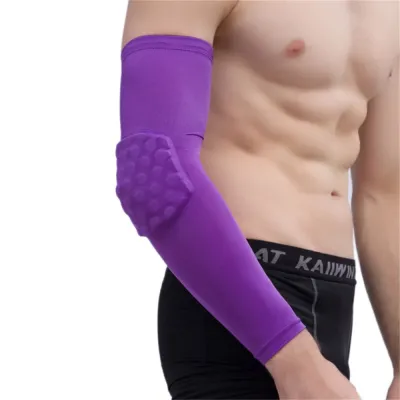
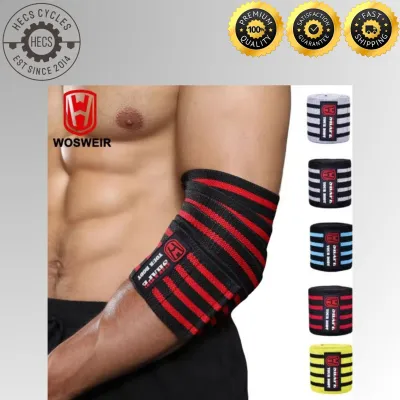
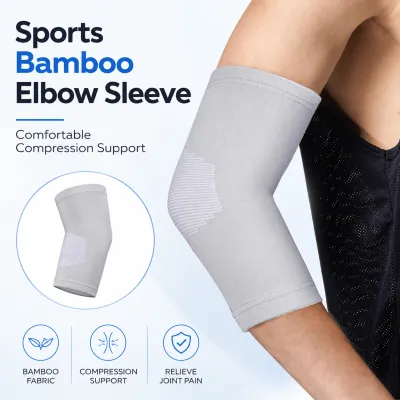
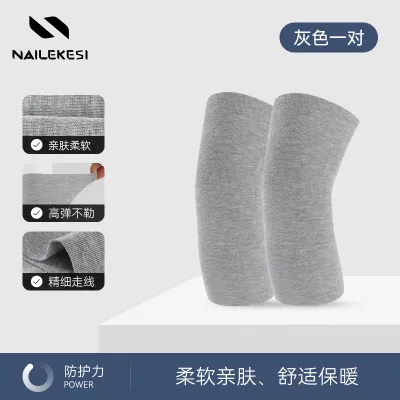
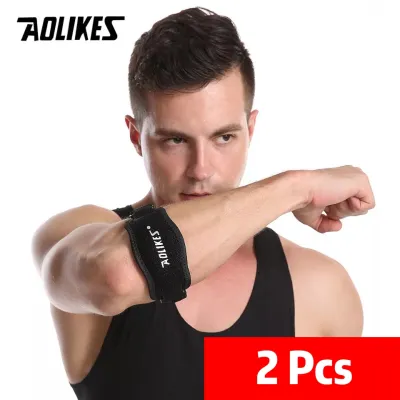
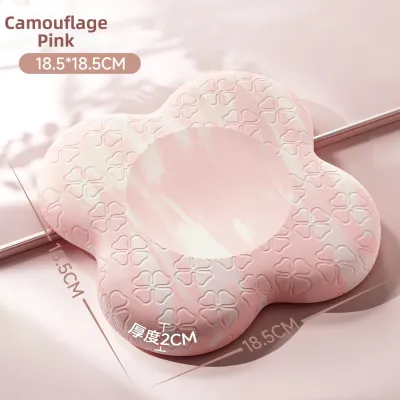
Prices are valid at publication and may change. Please refer to the product page for the latest price.
When evaluating different options, always check the product labels and specification sheets for essential details. Look for clear indications of the materials used in both the protective core and the outer sleeve. Reliable manufacturers provide detailed sizing charts, clear care instructions, and specific use-case recommendations. Avoid products that make vague promises of universal protection without specifying the exact materials or design features that enable such performance.
How to Verify Protection and Material Durability
Verifying the protective capabilities of an elbow pad requires looking closely at the padding materials specified by the manufacturer. Ethylene-vinyl acetate (EVA) foam is a common, lightweight material found in many entry-level and mid-range pads, offering decent shock absorption but tending to compress permanently over time. Gel inserts provide excellent, low-profile shock distribution and conform well to the shape of the joint, though they can make the pad feel heavier. Advanced reactive foams, which remain soft and flexible during normal movement but instantly harden upon impact, offer a premium balance of comfort and high-level protection. Hard plastic caps, often sewn or riveted onto the exterior, are essential for activities where sliding across hard surfaces is common, as they disperse impact forces and prevent painful friction burns.

Durability is heavily dependent on construction quality, which you can assess by examining the seams and outer fabrics. Look for reinforced stitching, such as double-stitched seams or flatlock stitching, which prevents the panels from pulling apart under tension. The outer layer of the pad should feature abrasion-resistant fabrics like high-denier nylon or Kevlar-reinforced panels, especially in high-wear zones that frequently contact the ground. Inspecting these physical details helps ensure the pads will survive multiple washes and minor scrapes without tearing.
To confirm the safety claims of any protective gear, look for recognized safety certifications printed on the product packaging or the manufacturer’s website. For impact-heavy sports like cycling or motorcycling, look for European standard certifications such as EN 1621-1, which indicates the gear has undergone standardized impact testing. While non-certified pads may still offer some protection, certified products provide a verified baseline of impact attenuation that you can trust during a fall.
Checking Comfort, Breathability, and Fit
An elbow pad can only protect you if it stays securely in place, making fit and comfort paramount. To find your correct size, use a flexible measuring tape to measure the circumference of your arm at three key points: the center of the elbow joint, the lower bicep, and the upper forearm. Always compare these measurements against the manufacturer’s specific sizing chart, as sizing standards vary significantly between brands. A pad that is too tight can restrict blood circulation and cause muscle cramping, while a loose pad will slide down during movement, leaving your joint exposed.
The closure system plays a critical role in maintaining stability and ease of adjustment. Sleeve-style pads rely on elastic fabrics and silicone gripper bands along the inner cuffs to stay in place; they offer a sleek, low-profile fit that slides easily under clothing but can be difficult to adjust once on. Strap-style closures utilize adjustable hook-and-loop straps, allowing you to customize the tension at the bicep and forearm. While straps provide a highly secure fit that accommodates fluctuating muscle pumps, they can sometimes pinch the skin or feel bulky.
In Singapore’s warm and humid environment, breathability is essential to prevent skin irritation and chafing. Look for pads constructed with moisture-wicking synthetic fabrics, such as polyester-spandex blends, which draw sweat away from the skin to accelerate evaporation. Perforated neoprene, mesh ventilation panels behind the elbow crease, and anti-odor treatments are highly beneficial features that keep your arms cool and dry during intense outdoor sessions.
Evaluating Price and Value Across Brands
Navigating the pricing of elbow pads in Singapore reveals distinct tiers that generally align with material quality and specialized features. Budget options, typically priced under S$20, are widely available on local online marketplaces and basic sporting goods stores. These products generally offer simple compression sleeves or thin, non-rated EVA foam padding, making them suitable for light gym work or casual activities but insufficient for high-impact sports.
The mid-range tier, spanning from S$20 to S$60, represents the sweet spot for most recreational athletes. In this price bracket, you can expect durable construction, reinforced stitching, adjustable strap systems, and thicker EVA foam or basic gel inserts. These pads offer reliable protection for cycling, skating, and amateur contact sports, providing a balanced combination of durability and comfort without a premium price tag.
Premium elbow pads, priced above S$60, are designed for competitive athletes and high-risk sports. This category features advanced reactive foams, certified impact ratings, highly breathable technical fabrics, and ergonomic, pre-curved designs that mimic the natural bend of the arm. While the initial investment is higher, the enhanced protection, superior comfort, and extended lifespan of these premium materials often deliver better long-term value than cheaper alternatives that require frequent replacement. Beware of paying premium prices for pads that feature prominent brand logos but lack these advanced materials or certified safety ratings.
How to Choose the Right Elbow Pad for Your Activity
To finalize your decision, apply a condition-based framework that matches the pad’s specifications to your primary activity and environment. For high-impact, high-speed sports like downhill mountain biking or aggressive inline skating, prioritize hard-shell caps or certified reactive foam pads with secure strap closures. For court sports or general fitness, opt for lightweight, breathable sleeve-style pads that offer flexible foam or gel inserts. If your primary goal is joint warmth and mild compression during heavy lifts, a dedicated neoprene compression sleeve without bulky padding is the most appropriate choice.
Before purchasing your elbow pads from local retailers or online platforms, verify the seller’s return policies and warranty terms. Because a proper fit is crucial for both safety and comfort, ensure that you can exchange the pads if the initial size does not fit perfectly. Look for warranties that cover manufacturing defects, such as split seams or failing hook-and-loop straps, within a reasonable timeframe after purchase.
Finally, remember that sports protective gear is designed to shield against external impacts, not to treat underlying joint issues. If you are experiencing chronic elbow pain, stiffness, or recovering from a significant joint injury, consult a physiotherapist or medical professional before buying a brace. A qualified professional can recommend a specialized medical-grade support or rehabilitation program tailored to your recovery, which standard sports elbow pads cannot replace.
Frequently Asked Questions (FAQ)
How often should I replace my elbow pads?
You should inspect your elbow pads regularly for physical signs of wear and material degradation. Replace your pads immediately if you notice the internal foam has become permanently compressed, lumpy, or thin, as this significantly reduces its shock-absorbing capacity. Other clear indicators for replacement include frayed or stretched-out elastic straps that no longer hold the pad securely, cracked plastic shells, or torn fabric seams that expose the inner padding.
Can I wash my elbow pads in a washing machine?
Always consult the manufacturer’s care label on your specific elbow pads before cleaning them. Generally, pads with hard plastic shells or integrated gel inserts should be hand-washed in cool water with a mild detergent and air-dried away from direct sunlight to prevent warping. Lightweight fabric sleeves and some soft-foam pads may be machine-washable on a gentle cycle inside a mesh laundry bag, but you should avoid using fabric softeners or tumble dryers, as high heat can destroy the elastic fibers and adhesive bonds.

Community discussion
Share your experience or ask a question. Comments are reviewed before publication.