
When you are heading to a workout in Singapore’s tropical heat, nothing is more disappointing than a lukewarm, clumpy protein shake. If you are searching for the single brand that keeps drinks coldest the longest, the reality is that without standardized, independent thermal testing across every model on the market, declaring an absolute winner is impossible. Brand marketing often promises miraculous temperature retention, but real-world performance depends heavily on physical design, environmental exposure, and how you use the bottle.
Instead of relying on brand names, you can find a highly effective shaker by evaluating specific insulation specifications, lid mechanisms, and structural designs. Understanding these core features allows you to select a bottle that reliably maintains cold temperatures during long commutes, outdoor training sessions, or intense gym workouts.
Core Specs That Drive Cold Retention
To find a shaker bottle that can withstand high ambient temperatures, you must first look at its insulation technology. Double-wall vacuum insulation is the gold standard for temperature retention. This construction features an inner and outer stainless steel wall with the air evacuated from the space between them, creating a vacuum. Because heat requires a physical medium to travel through, this vacuum layer dramatically slows down thermal transfer, keeping external heat from warming your cold shake. Single-wall plastic or metal bottles offer virtually no thermal protection, while gel-lined alternatives quickly lose their cooling capacity in warm climates. You can verify true vacuum construction by checking the product specifications for “double-wall vacuum insulated” and ensuring the bottle’s exterior does not sweat or feel cold when filled with ice.
Products mentioned in this guide
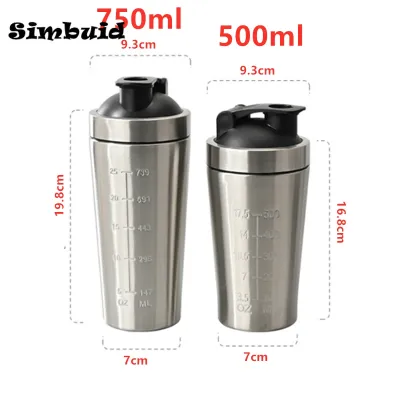
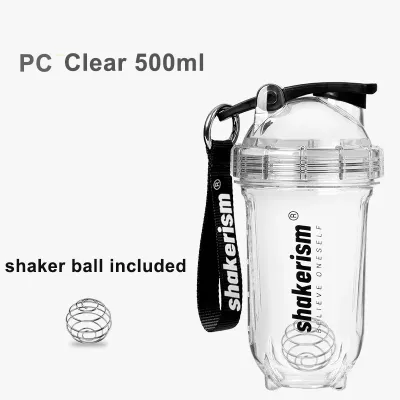
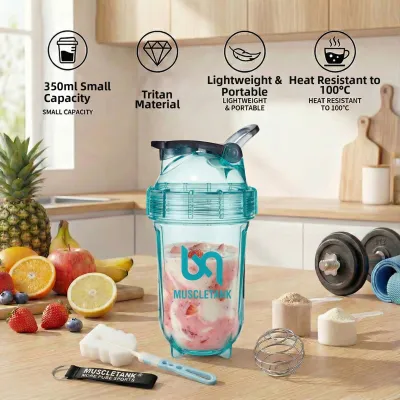
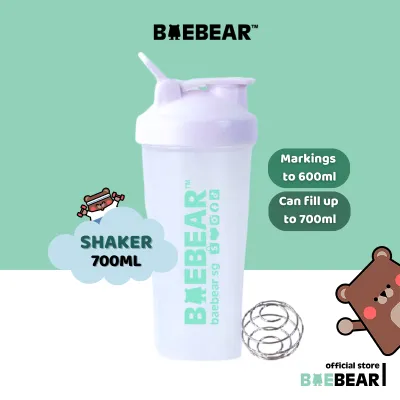
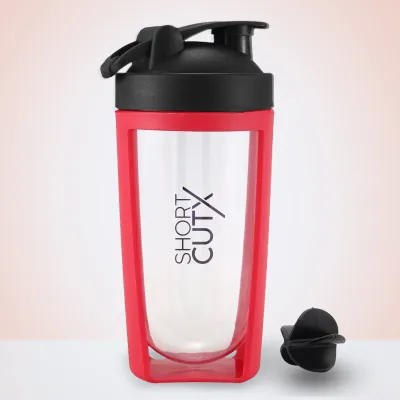
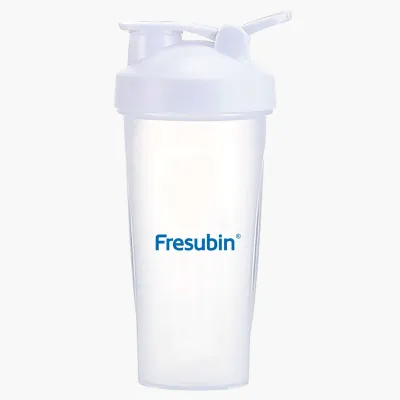
Prices are valid at publication and may change. Please refer to the product page for the latest price.
The lid is another critical factor in thermal performance, as it is often the primary source of temperature leakage. Screw-top lids generally provide a more secure and uniform seal than simple snap-on flip-caps, which helps prevent cold air from escaping. However, many modern insulated shakers utilize a hybrid design, combining a secure screw-on main lid with a gasket-sealed spout or locking flip-cap to balance thermal efficiency with quick access. When evaluating a bottle, look for thick, high-quality silicone gaskets inside the lid, as these create the airtight barrier necessary to block heat exchange.
The material of the bottle body also plays a major role in both temperature stability and overall durability. High-quality insulated shakers are typically constructed from 18/8 food-grade stainless steel, also known as 304 stainless steel. This material is highly resistant to rust and corrosion, does not retain stubborn protein odors when properly cleaned, and provides the structural strength needed to protect the delicate internal vacuum seal from accidental drops.
Evaluating Common Shaker Bottle Designs
Beyond basic insulation, the physical design of a shaker bottle influences how well it maintains cold temperatures and how easily it integrates into your fitness routine. A primary consideration is the mixing mechanism. Shaker bottles that use a free-floating stainless steel whisk ball or a built-in plastic grid rely on physical agitation to blend your protein powder. A free-floating metal ball operates entirely inside the liquid chamber and has no impact on the bottle’s insulation. However, built-in mixing grids that attach directly to the underside of the lid can sometimes create complex crevices that make it difficult to achieve a perfect seal, potentially allowing minor heat transfer if the lid is not perfectly aligned.

The width of the bottle’s mouth is another important design trade-off to consider. Wide-mouth designs are highly advantageous for hot-weather use because they allow you to easily drop in large ice cubes, which directly helps keep your shake cold for longer periods. They are also much easier to clean thoroughly, preventing the buildup of residue that can ruin seals. Conversely, a narrow drinking spout minimizes the surface area exposed to ambient air when you take a sip, reducing the amount of warm air that enters the bottle. Many premium insulated shakers resolve this by featuring a wide mouth for filling and a smaller, insulated spout for drinking.
Some shaker bottles feature modular, compartmentalized designs with screw-on storage compartments at the bottom for protein powder or supplements. While these compartments are highly convenient for travel, they do not directly affect the temperature of the liquid chamber as long as the main insulated vessel remains a single, continuous piece. However, you should ensure that the vacuum-insulated chamber itself is not split or segmented, as any joints in the insulated portion of the bottle will create thermal bridges that allow heat to enter rapidly.
Decision Framework: Matching the Shaker to Your Routine
Selecting the right insulated shaker depends on your daily environment, commute, and workout style. If you face long outdoor commutes in humid weather or participate in extended outdoor training sessions, prioritize a fully sealed, wide-mouth vacuum shaker. This design allows you to maximize ice capacity and provides the tightest possible seal, ensuring your shake remains ice-cold even after hours of exposure to high ambient temperatures.
If your routine consists of short, high-intensity indoor workouts where quick hydration is essential, a flip-cap shaker with a secure locking mechanism is often the most practical choice. While a flip-cap may lose temperature slightly faster than a fully sealed screw-cap due to the thinner plastic lid, it offers the rapid, one-handed access needed between sets without the risk of accidental spills on the gym floor.
Before making a purchase, always verify the manufacturer’s stated cold retention specifications, which are typically listed in hours. Keep in mind that these ratings are established under controlled laboratory conditions, so it is wise to cross-reference these claims with user reviews to see how the bottle performs in real-world tropical environments and to verify the long-term durability of the lid seals.
Maintenance and Seal Verification
To ensure your insulated shaker continues to perform at its best, regular maintenance of the thermal seals is essential. Over time, the silicone gaskets and lid threads can accumulate wear, cracks, or warping from repeated use and washing. A compromised gasket allows cold air to escape and warm air to seep in, rapidly degrading the bottle’s insulation performance. Periodically remove the silicone rings from the lid to inspect them for physical damage or loss of elasticity, and replace them if they show signs of wear.
Proper cleaning is also vital for maintaining both hygiene and seal integrity. Protein powder residue can easily become trapped in the threads of the lid and around the silicone gaskets. If left uncleaned, this residue can harden, creating gaps that prevent the lid from sealing completely and causing persistent, unpleasant odors. To prevent this, wash your shaker immediately after use with warm, soapy water, and use a small detail brush to clean all crevices and threads.
Finally, you must know when it is time to retire your shaker bottle. If your bottle suffers a hard drop and develops a deep dent, the inner and outer stainless steel walls may touch. This contact creates a thermal bridge that permanently destroys the vacuum insulation. If you notice that the exterior of the bottle feels cold or begins to sweat when filled with ice water, the vacuum seal has been compromised, and the bottle will no longer keep your drinks cold. Persistent odors that survive deep sanitization or leaks that continue after replacing the gaskets are also clear signs that the bottle should be replaced.
Frequently Asked Questions (FAQ)
Can I put boiling water in an insulated protein shaker?
No, you should avoid putting boiling water in a sealed, insulated protein shaker. Vacuum-insulated bottles are highly efficient at retaining heat, and pouring boiling liquid inside can create intense steam pressure. When you open the flip-cap or unscrew the lid, this pressure can cause hot liquid to spray out violently, posing a serious burn risk. Additionally, extreme heat can warp plastic lids and degrade silicone gaskets, permanently ruining the bottle’s seal.
Does adding a metal blender ball damage the vacuum insulation?
A standard stainless steel blender ball will not damage the vacuum insulation under normal use. The vacuum layer is safely sealed between two thick walls of food-grade stainless steel, and the interior wall is highly durable. While the metal ball may cause minor, superficial scratches on the inside surface over time, these cosmetic marks do not affect the bottle’s thermal performance or safety. To minimize scratching, avoid shaking the bottle violently when it is completely empty.
Community discussion
Share your experience or ask a question. Comments are reviewed before publication.