
Staying hydrated during outdoor workouts in Singapore’s tropical climate is a constant challenge. With average daily temperatures frequently exceeding 30 degrees Celsius and relative humidity levels often soaring above 80 percent, an ordinary single-wall bottle will allow your ice-cold water to reach ambient temperature within minutes. While many sports water bottle brands market their products as tropical-ready, true cold retention does not depend on a brand logo or premium price tag. Instead, reliable thermal performance relies on verifiable physical specifications, such as double-wall vacuum construction, internal copper linings, and high-quality lid seals. This guide helps you compare different bottle designs, interpret manufacturer marketing claims, and verify technical specifications so you can find a suitable, BPA-free water bottle tailored to your specific workout routine and carrying preferences.
Key Specs to Check for Tropical Insulation
To find a bottle that can withstand intense heat during outdoor activities, you must look past marketing slogans and examine the physical construction of the flask. The gold standard for thermal retention is double-wall vacuum insulation. This design features an inner and outer wall, typically made of food-grade stainless steel, with the air evacuated from the space between them. Because a vacuum contains no air molecules, it virtually eliminates heat transfer via conduction and convection. When evaluating a bottle, check the manufacturer’s specifications for a copper-plated inner wall. A thin layer of copper applied to the exterior of the inner flask reflects thermal radiation, further preventing heat from penetrating your cold beverage.
Material safety is equally critical when selecting a sports bottle. Look for labels indicating the use of 18/8 or 304 food-grade stainless steel. This material is highly resistant to rust and corrosion, which is essential when exposing the bottle to salty sweat and humid outdoor air. For plastic components, such as lids, straws, and carrying loops, verify that they are certified BPA-free. Bisphenol A (BPA) is a chemical compound used in some plastics that can leach into water, posing potential health risks. Choosing BPA-free materials ensures your water remains clean and free of chemical tastes, even when the bottle’s exterior heats up under the sun.
Products mentioned in this guide
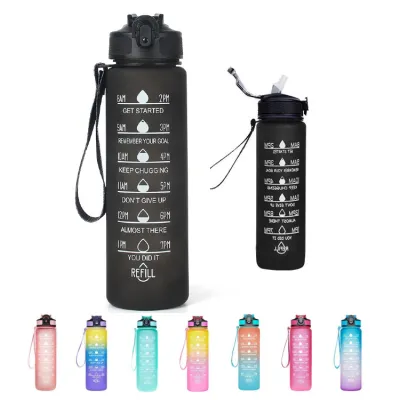
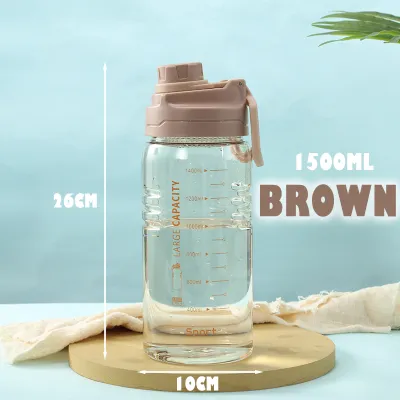
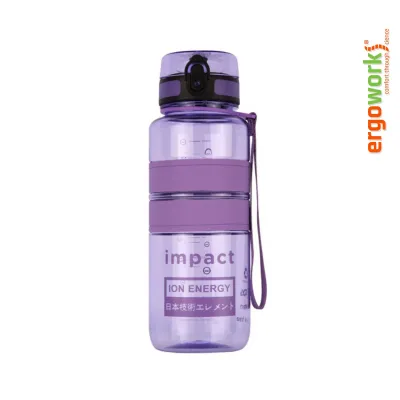
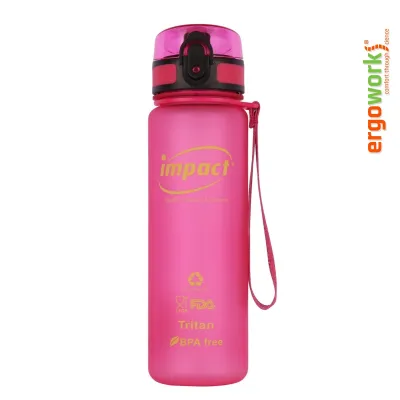
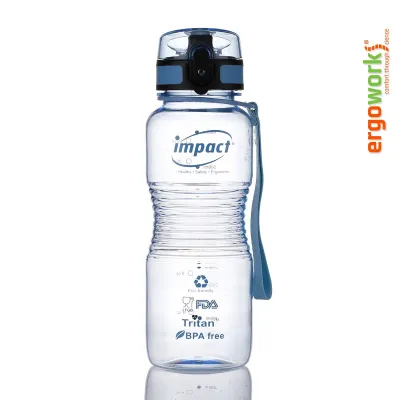
Prices are valid at publication and may change. Please refer to the product page for the latest price.
The lid is often the weakest link in a bottle’s insulation system, as heat can easily bypass the vacuum seal through a poorly designed cap. When inspecting a bottle, examine the thread depth of the lid; deeper threads create a tighter, more secure mechanical connection that minimizes air exchange. Additionally, check the quality of the silicone gasket inside the lid. A thick, flexible, food-grade silicone ring is necessary to create an airtight compression seal. If the gasket is thin, misaligned, or easily warped, warm ambient air will seep into the bottle, rapidly melting your ice and warming your drink during your workout.
Comparing Popular Bottle Designs for Workouts
The physical design of a sports bottle directly impacts both its thermal efficiency and its usability during physical activity. One of the first design choices you will face is selecting between a wide-mouth and a narrow-mouth opening. Wide-mouth bottles are highly practical for hot-weather workouts because they easily accommodate large ice cubes from standard home freezers, allowing you to pre-chill your drink effectively. They are also much easier to scrub and clean thoroughly. However, wide-mouth designs have a larger surface area at the opening, which leads to faster heat exchange every time you unscrew the cap to take a drink. Narrow-mouth bottles offer superior thermal efficiency because they limit the exposed surface area, but they can be difficult to fill with ice and require specialized bottle brushes to clean.

Lid styles also play a major role in temperature maintenance and convenience. Straw lids allow for quick, upright sipping without tilting the bottle, making them popular for gym workouts and driving. However, straw lids typically feature complex venting valves and non-insulated plastic pathways that allow more heat transfer than solid caps. Chug caps or spout lids offer a compromise, providing a high-flow drinking experience through a smaller, sealed opening while keeping the main lid securely closed. For high-intensity sports or outdoor running, a solid, fully insulated screw cap provides the absolute best thermal barrier, though it requires you to stop and use both hands to open it.
Handling a bottle in Singapore’s humid conditions requires a secure grip. As warm air contacts a cold bottle, condensation can form on poorly insulated models, making them slippery and difficult to hold. High-quality insulated bottles feature a sweat-proof exterior coating, usually a textured powder-coat finish. This electrostatic powder coating not only prevents condensation from forming on the outside of the metal but also provides a durable, non-slip grip even when your hands are wet with sweat. Some models also incorporate ergonomic silicone sleeves or integrated carrying loops, which are highly beneficial when carrying your bottle during long walks or outdoor training sessions.
How to Verify Cold Retention Claims
When shopping for an insulated bottle, you will often see bold claims on product packaging, such as “keeps drinks cold for 24 hours.” It is important to understand that these ratings are established under highly controlled laboratory conditions. Typically, manufacturers conduct these tests in a mild ambient temperature of around 20°C to 22°C, starting with a bottle packed completely to the brim with solid ice and water, and keeping the lid closed for the entire duration. In real-world tropical conditions, where outdoor temperatures can exceed 32°C and the bottle is opened frequently, actual ice retention will be significantly shorter.
To verify the performance of a new bottle, you can conduct a simple, safe ice-melt test at home. Fill your new bottle exactly halfway with ice cubes and the remaining half with cold tap water. Place the bottle in a non-air-conditioned room in your home to simulate local ambient temperatures. Check the bottle every two to three hours to observe how quickly the ice melts and whether any condensation forms on the outer stainless steel shell. A high-quality vacuum seal should keep the exterior of the bottle completely dry and cool to the touch. If you notice sweat or warm spots on the outside of the metal flask, it indicates a failed vacuum seal or a manufacturing defect, and the bottle should be returned or replaced.
Before making a purchase, you should also leverage user feedback on major online marketplaces and ecommerce platforms. Search the reviews specifically for terms like “condensation,” “sweat,” “humidity,” or “hot weather.” Real-world feedback from local users will give you a clear indication of how the bottle performs in high-humidity environments. Pay close attention to reviews that mention the lid leaking or the outer paint peeling after exposure to sweat, as these are common failure points that laboratory tests often overlook.
Decision Framework: Choosing Your Workout Bottle
Selecting the right insulated bottle requires matching its specifications to your specific activity, venue, and carrying method. If your routine consists of long outdoor runs, hiking, or field sports where you are exposed to direct sunlight for hours, prioritize capacity and thermal efficiency. A large-capacity bottle of 900ml to 1.2 liters with a wide mouth is ideal, as it allows you to pack plenty of ice and carry enough water to sustain your hydration needs without frequent refills. For these activities, a solid insulated screw cap or a heavy-duty chug lid is recommended to maximize cold retention.
If your workouts are centered around gym machines, cycling, or indoor fitness classes, convenience and one-handed operation are more important than maximum capacity. A compact bottle of 500ml to 750ml with a straw lid or a quick-release spout allows you to hydrate quickly between sets without disrupting your rhythm. These activities typically offer opportunities for refilling, so a smaller, lighter bottle is often more practical than a heavy, high-capacity flask.
Finally, always verify the physical dimensions of the bottle before purchasing. A bottle that is too wide to fit into your backpack’s side pocket, your bicycle’s bottle cage, or a treadmill’s cup holder can be incredibly frustrating to use. Standard bicycle bottle cages, for example, are designed for bottles with a diameter of approximately 74mm. Measure your existing gear and compare it against the manufacturer’s listed base diameter to ensure a secure fit, preventing your bottle from falling and sustaining damage during your workout.
Frequently Asked Questions (FAQ)
Does a BPA-free water bottle guarantee better insulation?
No, a BPA-free label does not guarantee or influence the insulation performance of a water bottle. BPA-free is a chemical safety certification indicating that the plastic components of the bottle, such as the lid, straw, and mouthpiece, do not contain Bisphenol A, preventing harmful chemicals from leaching into your drink. Thermal insulation, on the other hand, is entirely a mechanical property of the bottle’s double-wall stainless steel structure and the airtightness of its seals. A bottle can be certified BPA-free but have poor insulation if its vacuum seal is compromised or if it lacks a double-wall design.
How should I clean an insulated bottle to maintain its performance?
To preserve the vacuum seal and exterior finish of your insulated bottle, always hand-wash it using warm water, mild dish soap, and a soft bottle brush. Avoid placing vacuum-insulated bottles in the dishwasher unless the manufacturer explicitly states it is dishwasher-safe, as the extreme heat and harsh detergents can degrade the powder coating and damage the vacuum seal. Regularly remove the silicone gasket from the lid to clean underneath it, as moisture trapped in these crevices can lead to mold growth. Allow all parts to dry completely in a well-ventilated area before reassembling the bottle.
Community discussion
Share your experience or ask a question. Comments are reviewed before publication.