
Choosing an insulated sports water bottle that keeps your drinks cold during a humid workout in Singapore depends on understanding structural design rather than relying on brand names alone. While many popular brands claim exceptional thermal retention, the actual performance varies based on the vacuum seal integrity, lid construction, and how you use the bottle. By evaluating these physical specifications, you can select a bottle that maintains your preferred beverage temperature throughout your training session.
Key Factors That Determine Insulation Performance
To understand how sports water bottles maintain temperature, it is essential to look at the physics of heat transfer. Heat moves from warmer areas to cooler areas through three primary methods: conduction, convection, and radiation. High-quality sports bottles are engineered specifically to block these pathways, ensuring that external heat does not warm your cold beverage.
The primary defense against conduction and convection is double-wall vacuum insulation. This construction features an inner and an outer wall of stainless steel with a sealed empty space between them. Because this space is vacuum-sealed to remove virtually all air, there is no medium through which heat can travel via conduction or convection. The thickness of this vacuum layer plays a minor role, but the integrity of the seal itself is what determines long-term performance.
Products mentioned in this guide
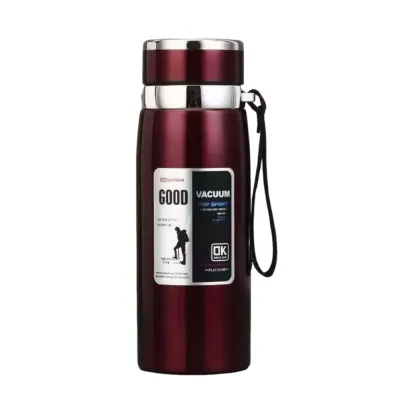
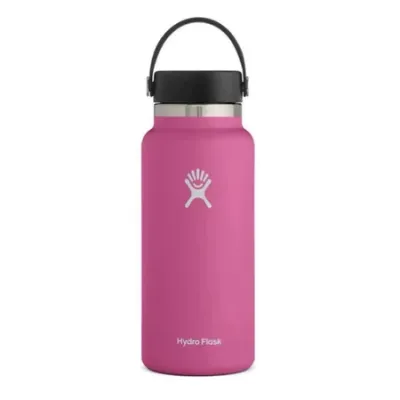
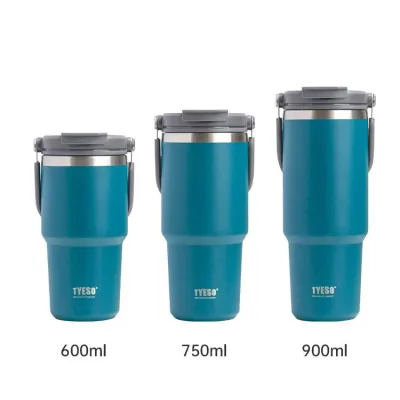
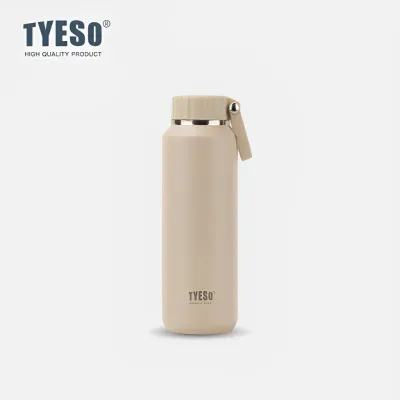
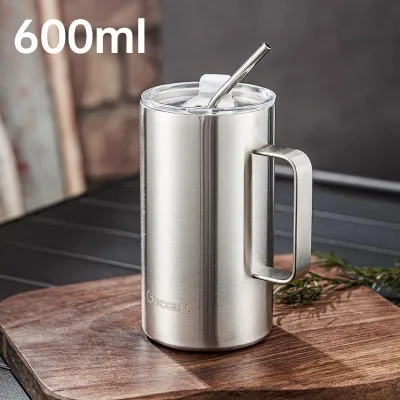
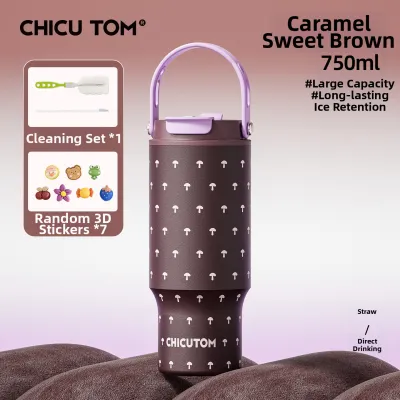
Prices are valid at publication and may change. Please refer to the product page for the latest price.
While the metal body of the bottle prevents heat transfer through the sides, the lid is often the weakest link in thermal retention. Lids are typically made of plastic or composite materials, which do not insulate as effectively as a vacuum-sealed metal wall. Heat easily transfers through the top of the bottle, especially if the lid lacks internal insulation or a secure sealing mechanism. High-performing bottles utilize thick silicone gaskets to create an airtight seal, preventing warm air from entering and cold air from escaping.
Material composition also significantly influences how well a bottle performs over time. Most reputable sports water bottles are constructed from food-grade 18/8 stainless steel, also known as grade 304. This material is highly durable and resistant to rust, which is crucial for maintaining a clean interior surface. Some advanced designs incorporate a thin layer of copper plating on the outer surface of the inner wall. This copper lining reflects radiant heat away from the inner chamber, providing an extra layer of thermal protection.
How to Evaluate Brand Claims and Specifications
When shopping for a sports water bottle, you will frequently encounter bold marketing claims promising to keep drinks cold for 24 hours or longer. It is important to understand that these numbers are typically generated under highly controlled laboratory conditions. Standard manufacturer tests often involve filling a bottle with ice water at approximately 0°C and leaving it undisturbed in a temperature-controlled indoor room of about 20°C.

In real-world scenarios, such as exercising outdoors in Singapore’s tropical climate, your bottle is exposed to much harsher conditions. Every time you open the lid to take a sip, warm ambient air enters the bottle, and cold air escapes. If you leave the bottle on a hot running track or in a sunny bicycle cage, radiant heat from the ground will also accelerate temperature loss. Therefore, a “24 hours cold” claim may translate to a much shorter duration of optimal coldness during active outdoor use.
To verify these claims before purchasing, look closely at the technical specifications provided by the manufacturer. Check if the product description explicitly mentions “vacuum insulation” rather than just “double-wall insulation,” as some cheaper bottles use double walls filled only with air or foam, which are far less effective. Look for details regarding the lid construction, such as whether the cap is insulated with foam or features a double-wall design to minimize thermal leakage at the opening.
Be cautious of product descriptions that rely on vague, non-technical terminology. Phrases like “advanced cooling technology” or “maximum temperature shield” without any mention of materials, construction methods, or specific testing standards are common red flags. A reliable manufacturer will clearly state the grade of stainless steel used, the presence of copper lining if applicable, and the specific materials used in the lid and gaskets.
Matching Bottle Features to Your Workout Needs
Selecting the right sports water bottle requires balancing insulation performance with the practical demands of your specific workout routine. A bottle that keeps water ice-cold for days is of little use if it is too heavy to carry comfortably or too difficult to open while you are actively moving.
For high-intensity workouts and outdoor cardio, such as running or cycling, ease of access and grip are paramount. Look for bottles featuring a textured powder-coated exterior, which prevents the bottle from slipping out of sweaty hands. Lids with integrated carry loops or lockable chug caps allow you to take quick sips without stopping your momentum. Ensure the lid mechanism is completely leak-proof to prevent spills when the bottle is tossed into a sports bag or mounted on a bicycle frame.
If your focus is long-duration endurance training, such as hiking or long-distance road cycling, you must balance capacity with overall carry weight. Larger bottles hold more cold water but become significantly heavier when full, which can increase fatigue over long distances. In these scenarios, look for lightweight double-wall designs that optimize the steel thickness to reduce weight without compromising the vacuum seal.
For indoor gym training or fitness classes, convenience and equipment compatibility are key. Choose a bottle with a base diameter that fits standard treadmill cup holders and spin bike cages. Straw lids or quick-release push-button caps are highly convenient for indoor workouts, as they allow for one-handed operation without requiring you to tilt your head back and lose sight of your surroundings.
To guide your decision, consider this practical framework:
- Choose a straw lid or a quick-release chug cap if your primary need is rapid, one-handed hydration during active movement where stopping is inconvenient.
- Choose a solid, insulated screw-top cap if you require maximum temperature retention during long outdoor exposure in high heat, as solid caps minimize thermal transfer far better than straw or spout lids.
- Verify the base diameter of the bottle against your specific bicycle cage, backpack side pocket, or gym equipment cup holders before purchasing to ensure a secure fit.
Maintenance and Care for Long-Lasting Insulation
An insulated sports water bottle is an investment, and proper maintenance is required to preserve its thermal performance over time. The vacuum seal that provides the insulation is delicate; if this seal is compromised, the bottle will lose its ability to keep drinks cold.
When cleaning your bottle, avoid using harsh abrasive cleaners, steel wool, or chlorine bleach, as these can scratch the stainless steel and degrade the silicone gaskets. Hand washing with warm, soapy water and a soft bottle brush is the safest method. While some manufacturers state that their bottles are dishwasher safe, the intense heat and harsh detergents of a dishwasher cycle can eventually weaken the vacuum seal or damage the exterior powder coating.
You can easily identify if your bottle’s insulation has failed by observing its physical behavior. If you fill the bottle with ice water and the exterior surface becomes cold to the touch or starts to “sweat” with condensation, the vacuum seal has been broken. In a properly functioning vacuum-insulated bottle, the outer wall should remain at ambient room temperature regardless of how cold the liquid is inside. Once the seal is lost, the bottle must be replaced if you require thermal retention.
Proper storage is also crucial when the bottle is not in use. Always store your bottle with the lid off in a dry, well-ventilated area to prevent mold, mildew, and unpleasant odors from developing inside. Avoid exposing the empty bottle to extreme heat sources, such as leaving it inside a closed car parked in direct sunlight, as this can cause the air inside the sealed chamber to expand and potentially damage the structural welds.
Frequently Asked Questions (FAQ)
Does a heavier water bottle always mean better insulation?
A heavier water bottle does not automatically guarantee superior insulation performance. While double-wall construction naturally adds weight because it utilizes two layers of stainless steel, excessive weight can sometimes indicate thicker, lower-grade steel rather than advanced vacuum technology. High-quality manufacturers are often able to create highly efficient vacuum gaps using thinner, stronger steel, resulting in a lighter bottle that insulates just as effectively. When comparing options, rely on verified technical specifications regarding the vacuum seal and copper lining rather than using weight as your primary indicator of quality.
Can I put ice in any insulated sports water bottle?
Most double-wall stainless steel sports water bottles are fully compatible with ice. However, you should avoid forcing large ice cubes through a narrow bottle mouth, as the physical pressure can dent the inner stainless steel wall or scratch protective interior coatings. A dent in the inner wall can bridge the gap between the two metal layers, creating a thermal bridge that permanently ruins the vacuum insulation. For best results, use smaller ice cubes or crushed ice, and always consult the manufacturer’s guidelines for any specific temperature limits or usage instructions.
Community discussion
Share your experience or ask a question. Comments are reviewed before publication.