
Selecting a marathon vest that maintains high breathability is one of the most critical decisions for long-distance runners, particularly when training in hot, humid climates like Singapore. When relative humidity is high, the body’s primary cooling mechanism—sweat evaporation—is severely compromised. A poorly ventilated vest traps a layer of hot, saturated air against your torso, rapidly accelerating fatigue, increasing your heart rate, and causing severe chafing. To prevent this, runners must look beyond generic marketing claims and evaluate how different vest designs manage airflow, moisture transfer, and physical contact with the body.
The ideal marathon vest does not simply sit on your shoulders; it acts as an extension of your running apparel, facilitating continuous air exchange while stabilizing your hydration and nutrition. While many brands claim to offer the ultimate breathable solution, the actual performance of a vest depends on a combination of material engineering, structural design, and individual fit. Understanding these technical elements allows you to systematically evaluate different options and select a vest that keeps you cool and comfortable over hours of sustained effort.
Key Features That Determine Marathon Vest Breathability
The primary driver of a vest’s breathability is the material used in the back panel, which is the largest area of contact with your body. High-performance vests utilize 3D mesh or spacer fabrics. 3D mesh features a three-dimensional weave with vertical connecting fibers that create a physical gap between the inner and outer layers. This gap allows air to flow laterally, carrying away warm, moist air generated by your back. Spacer fabrics, while slightly thicker, provide a cushioned barrier that prevents the solid back of a hydration bladder or pack pocket from pressing directly against your skin, maintaining a channel for convective cooling.
Products mentioned in this guide
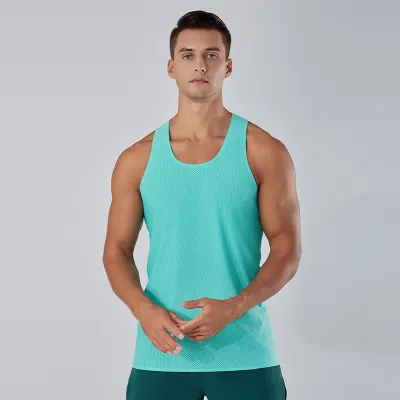
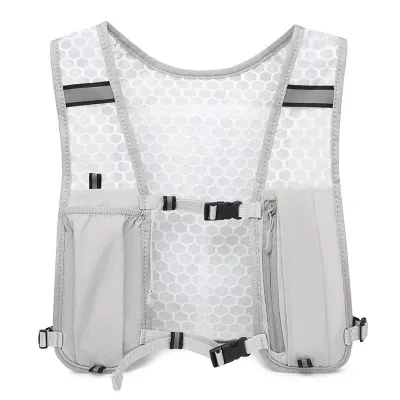
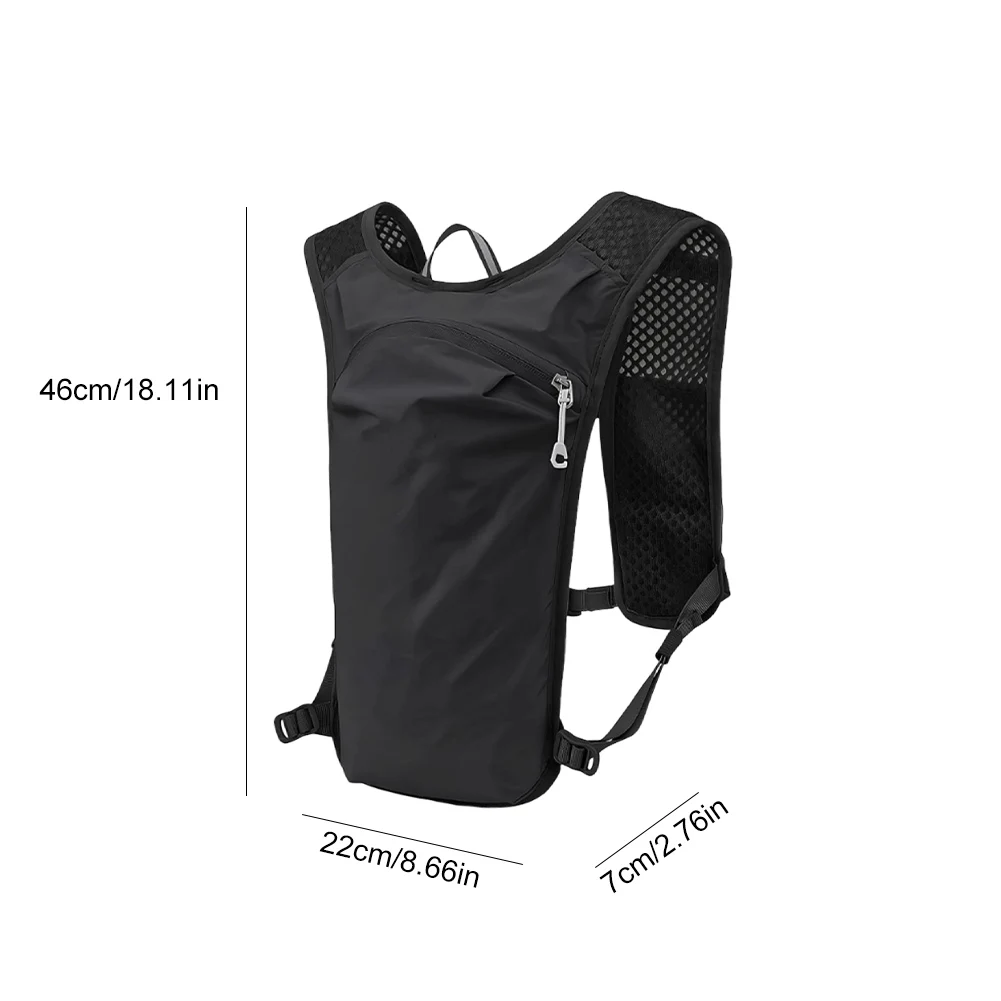
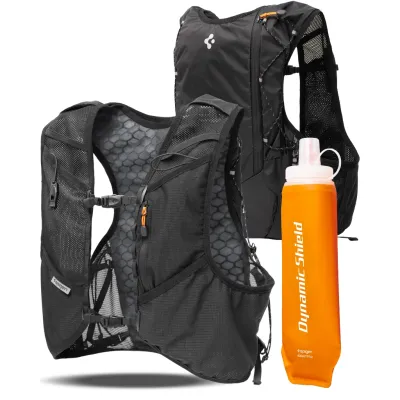
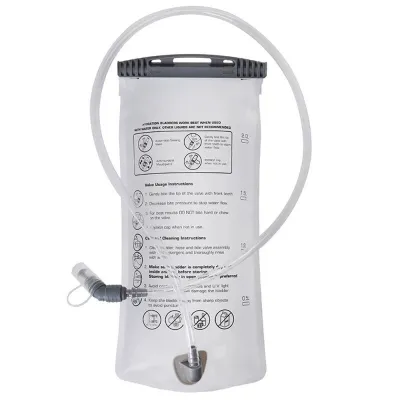
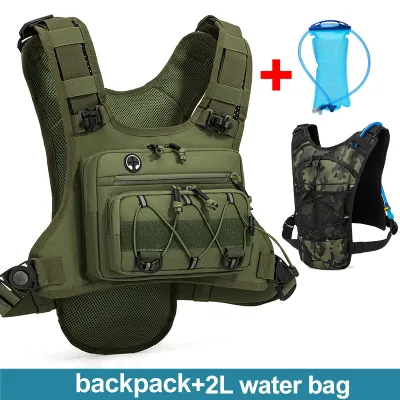

Prices are valid at publication and may change. Please refer to the product page for the latest price.
Front strap construction is equally vital, as these straps bear the weight of front-mounted soft flasks and nutrition. To prevent heat buildup on the chest, high-performance vests utilize highly perforated foam cores wrapped in open-weave mesh. These perforations allow air to pass directly through the structural elements of the strap. Wide-set mesh patterns on the harness also distribute the load over a larger surface area, reducing the pressure points that can compress fabric layers and trap heat.
In tropical environments, sweat wicking is not just about moving moisture; it is about how quickly the fabric sheds water. Hydrophilic fibers pull moisture away from the skin but can become waterlogged if the fabric’s evaporation rate cannot keep up with your sweat rate. Hydrophobic materials, such as specialized polyester or nylon blends, resist absorbing water, ensuring the vest remains lightweight and dry. Look for fabrics treated with durable water repellent (DWR) or mechanical wicking structures that actively push moisture to the outer surface where air currents can dry it.
Comparing Brand Design Philosophies for Ventilation
Different brands approach the challenge of ventilation from distinct design angles. Minimalist philosophies prioritize weight reduction and maximum open surface area. These vests typically feature ultra-thin, stretchy power-mesh fabrics that cling closely to the body. While they offer exceptional immediate airflow and feel almost weightless, they have limited structural support. If you overload their pockets, the fabric stretches thin, presses tightly against your skin, and can sag, which restricts air movement.

Structured designs, conversely, use semi-rigid frames, thicker spacer meshes, and dedicated tensioning systems. These vests maintain their shape and keep the load stable, preserving the engineered air channels even when fully loaded with water and gear, though they carry a slight weight penalty.
High-performance running brands map the human body’s heat and sweat zones to optimize fabric placement. Zonal ventilation involves using highly breathable, open-mesh panels in high-sweat areas, such as the center of the spine, the underarms, and the lower chest. In contrast, high-wear zones—like the shoulders where the vest rubs against your collarbones, or the bottom edges where friction occurs—are reinforced with denser, more durable woven fabrics. This hybrid construction ensures the vest survives hundreds of kilometers of training without sacrificing cooling performance where you need it most.
Rather than relying on subjective terms like ‘ultra-breathable’ or ‘maximum airflow,’ runners should inspect the technical specifications provided by manufacturers. Look for details on fabric composition, such as the percentage of nylon versus elastane. A higher percentage of nylon often indicates greater durability and lower moisture retention, while elastane provides the necessary stretch. Some brands also specify the weight of the fabric in grams per square meter (GSM); a lower GSM generally indicates a lighter, more breathable mesh, provided it retains enough structural integrity to support your gear.
Fit and Adjustability: The Hidden Factor in Airflow
Even the most technologically advanced breathable fabric will fail to perform if the vest does not fit correctly. When a vest is pulled too tight across the torso, the tension compresses the open cells of 3D mesh and spacer fabrics. This compression flattens the air channels, turning a highly breathable barrier into a solid sheet of fabric that traps heat and sweat directly against your skin. A restricted chest also limits your lung expansion, forcing you to breathe harder and generate even more metabolic heat.
Conversely, choosing a larger size to promote airflow can backfire. A loose vest bounces and shifts with every stride, creating continuous friction against your shoulders, ribs, and lower back. This friction generates localized heat and rapidly leads to painful chafing, especially when combined with salty sweat. Furthermore, a loose vest does not hold hydration flasks securely, causing them to slosh and shift the weight distribution, which compromises your running form.
To achieve the perfect balance between stability and ventilation, look for vests equipped with highly adjustable harness systems. Multi-point adjustments, such as elasticated sternum straps, side cinch cords, or dial-based tensioners, allow you to fine-tune the fit on the fly. As you consume water and your hydration flasks shrink, you can tighten the vest slightly to prevent bouncing. During steep climbs or high-intensity intervals when your chest expands fully, you can quickly loosen the straps to restore maximum airflow and breathing comfort.
Decision Framework: Matching Vest Design to Your Training Needs
If your marathon training involves long, self-sustained trail runs or ultra-distance preparation where you must carry a significant amount of gear, prioritize a structured vest with zonal mesh. These designs excel at managing heavy loads, such as a 1.5-liter hydration bladder, multiple front flasks, weather-resistant jackets, and extensive nutrition. The structured back panels and reinforced straps prevent the heavy load from sagging and compressing the ventilation channels, ensuring consistent airflow even during grueling, multi-hour efforts.
For runners focusing on road marathons with frequent aid stations, or those performing shorter, high-intensity long runs, a minimalist vest is the superior choice. These vests are designed to carry only the essentials—typically two front soft flasks, a phone, and a few energy gels. Because they carry less weight, they can utilize incredibly thin, open-weave mesh across the entire chassis, maximizing skin exposure and convective cooling in hot, humid conditions.
Before purchasing any marathon vest, carefully measure your chest circumference and torso length, and compare them against the manufacturer’s specific sizing charts. Many premium brands offer gender-specific cuts and multiple size options rather than a one-size-fits-all approach. Verifying these measurements ensures that the engineered ventilation panels, such as the spinal air channel, align perfectly with your body’s natural heat zones, maximizing the vest’s cooling efficiency.
Care and Maintenance to Preserve Fabric Breathability
Sweat contains high concentrations of salt, minerals, and body oils. As your sweat evaporates during a long run, these dissolved solids remain behind, crystallizing within the microscopic pores of the mesh fabric. Over time, this salt buildup clogs the open weave, stiffens the fibers, and drastically reduces the vest’s breathability. To prevent this, establish a habit of thoroughly rinsing your vest in cool, fresh water immediately after every run, before the sweat has a chance to dry and crystallize.
When a deeper clean is required, hand wash your vest or use a gentle machine cycle in a mesh laundry bag. Always use a specialized technical fabric detergent designed for athletic wear. Standard household detergents often contain optical brighteners, fragrances, and fabric softeners. Fabric softeners are particularly damaging; they leave a thin, waxy silicone coating over the fibers, which clogs the mesh pores, destroys the fabric’s moisture-wicking capabilities, and traps odor-causing bacteria.
Never place a marathon vest in a mechanical dryer, as the high heat can melt fine mesh fibers, warp plastic adjustment hardware, and destroy the elasticity of the stretch panels. Instead, gently squeeze out excess water—do not wring or twist the fabric—and hang the vest to air dry. Choose a shaded, well-ventilated indoor or outdoor area. Avoid direct, intense sunlight, as prolonged exposure to ultraviolet (UV) radiation degrades synthetic fabrics, causing them to become brittle and lose their structural elasticity.
Frequently Asked Questions (FAQ)
Does a hydration bladder affect the breathability of a marathon vest?
Yes, carrying a hydration bladder significantly impacts the breathability of any vest. A water reservoir filled with liquid acts as a solid, non-porous vapor barrier directly against your back, completely blocking airflow through that section of the vest. While filling the bladder with ice-cold water can provide a temporary, refreshing cooling sensation against your spine, this effect fades as the water warms to body temperature. To mitigate this vapor barrier effect, look for vests that feature a dedicated, insulated sleeve for the reservoir or those that utilize a suspended mesh back panel to maintain a physical air gap between your back and the bladder.
Are sleeveless running shirts better to wear under a breathable vest?
Choosing between a sleeveless singlet and a short-sleeved technical tee under your vest involves a trade-off between ventilation and skin protection. Wearing a sleeveless shirt maximizes skin exposure and allows the vest’s mesh straps to ventilate your shoulders and underarms directly. However, this bare-skin contact increases the risk of painful chafing and friction burns from the vest’s seams and straps, especially during long, sweaty runs. For most marathon training sessions, a lightweight, short-sleeved technical tee made from moisture-wicking polyester or nylon is highly recommended. The sleeves provide a protective barrier against chafing while actively pulling sweat away from your skin and transferring it into the vest’s breathable mesh layers for evaporation.

Community discussion
Share your experience or ask a question. Comments are reviewed before publication.