
When running in hot conditions, the construction of your running vest—whether mesh, perforated, or hybrid—dictates how well air circulates and sweat evaporates. However, there is no single construction that excels in every scenario. Mesh offers maximum air exchange but less structure, perforated panels provide targeted ventilation with better durability, and hybrid designs balance both. Choosing the right vest requires looking beyond the visual pattern of the fabric to evaluate material composition, fit, and how you carry hydration.
In hot and humid climates, such as Singapore’s year-round tropical heat, managing sweat evaporation is just as critical as raw airflow. High humidity slows down the rate at which sweat evaporates from your skin, making the choice of fabric and construction vital for thermal comfort. A vest that traps heat can quickly lead to an elevated core temperature, increasing cardiovascular strain and reducing your overall performance.
To make an informed decision, you must weigh your typical running environment against your gear-carrying needs. A minimalist runner carrying only a phone and a single soft flask has very different ventilation requirements than an ultra-marathoner carrying a full hydration bladder. By understanding how different vest constructions perform under load and in varying levels of humidity, you can select a model that keeps you cool and comfortable throughout your run.
Products mentioned in this guide
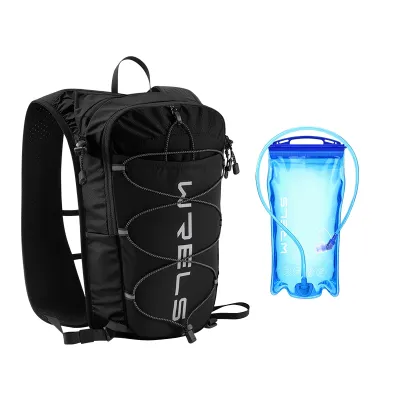
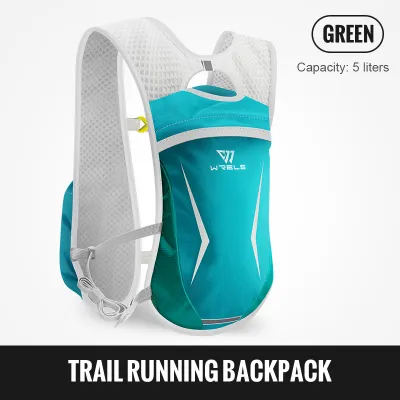
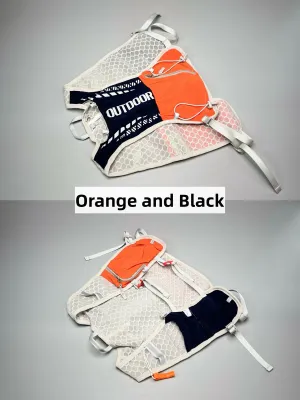
Prices are valid at publication and may change. Please refer to the product page for the latest price.
Understanding Running Vest Constructions for Hot Weather
Mesh running vests are characterized by an open-weave structure where interlocking yarns create visible gaps. This design allows for maximum air exchange, as even a light breeze can pass directly through the fabric to cool your skin. The primary advantage of mesh is its lightweight feel and exceptional breathability in low-humidity environments. However, the open weave means there is less fabric density, which can compromise the structural integrity of the vest. When loaded with heavy flasks or gear, mesh panels can stretch or sag, causing the vest to bounce and rub against your body. Additionally, the open gaps offer minimal protection against fine trail debris, dust, or direct UV radiation.
Perforated panels utilize a solid synthetic fabric that has been mechanically punched or laser-cut with small holes. This construction provides a highly durable base that maintains its shape under load, making it excellent for carrying heavier gear or hydration bladders. The solid fabric sections offer structural support and protect your skin from friction, while the cutouts allow heat and moisture to escape from targeted areas. While perforated panels are highly durable and stable, they do not offer the same level of unrestricted airflow as an open mesh. The solid fabric between the perforations still traps some heat, which can feel warmer during high-intensity runs in direct sunlight.
Hybrid constructions combine the best of both worlds by strategically placing different fabrics across the vest. Manufacturers typically position highly breathable mesh in high-sweat zones, such as the center of the back, the underarms, and the front chest pockets. Meanwhile, more durable perforated or solid fabrics are used on the shoulders, harness, and lower back where the vest experiences the most tension and load-bearing stress. This targeted placement ensures that you receive maximum ventilation where you sweat the most, without sacrificing the structural stability needed to carry your gear comfortably. Hybrid vests are highly versatile, making them a popular choice for runners who transition between different distances and terrain.
Key Factors That Actually Determine Breathability
While the visual construction of a running vest is important, the underlying material composition is what truly drives moisture management. When selecting a vest, check the product label for synthetic fiber blends, typically consisting of polyester, nylon, and elastane. Polyester is naturally hydrophobic, meaning it resists absorbing water and instead pulls moisture away from your skin to the outer surface of the fabric where it can evaporate. Nylon adds essential durability and abrasion resistance, ensuring the vest can withstand the friction of hydration flasks and trail packs. Elastane provides the multi-directional stretch required for a snug, body-hugging fit that moves with your stride. Avoid any vests that contain cotton or other hydrophilic natural fibers, as they retain moisture, become heavy, and cling to your skin, which severely compromises breathability.

Fabric weight and thickness also play a critical role in how much heat a vest retains. A mesh vest constructed from thick, heavy yarns can actually feel warmer than a lightweight, tightly woven perforated vest. When comparing options, look at the fabric weight, which is often specified in grams per square meter (gsm). A lower gsm indicates a lighter, thinner fabric that facilitates faster heat dissipation. Lightweight fabrics allow your body heat to radiate away more easily, which is crucial when running in still air or low-wind conditions where natural convection is limited.
Furthermore, many technical running vests feature specialized chemical treatments or finishes designed to enhance performance. Hydrophilic finishes help disperse sweat across a wider surface area of the fabric, accelerating the evaporation process and preventing the material from becoming saturated. Some vests also incorporate antimicrobial treatments to inhibit the growth of odor-causing bacteria, which is particularly useful for gear that is worn repeatedly in hot, sweaty conditions. However, it is important to note that these treatments can degrade over time with frequent washing. Always verify the manufacturer’s care instructions to ensure you do not inadvertently strip these performance-enhancing finishes during maintenance.
How to Choose the Right Construction for Your Run
To select the optimal running vest, you must evaluate your typical running environment, your skill level, and your carrying method. If you primarily run in dry heat, prioritize maximum airflow, and carry lighter, minimalist gear loads, a full mesh vest is often the most suitable choice. In low-humidity environments, the rapid movement of air through the open weave instantly evaporates sweat, keeping your skin dry and comfortable. Because mesh has less structural support, it performs best when you only need to carry soft flasks, a phone, and a few energy gels.
Conversely, if you run in high-humidity environments where sweat struggles to evaporate naturally, or if you need to carry heavier hydration bladders, a perforated panel construction is highly recommended. The structured panels prevent the vest from shifting or bouncing under the weight of a full 1.5-liter bladder, which is essential for maintaining a stable stride and preventing shoulder fatigue. The perforated holes still allow heat to escape from your back, while the solid fabric sections protect your skin from friction caused by the heavy load.
For runners who require a balance of ventilation in high-sweat zones and durable load-bearing support on the shoulders, a hybrid construction is the most versatile option. This design is highly suited for trail runners and ultra-marathoners who must carry a variety of gear, including hydration, nutrition, extra layers, and safety equipment. The hybrid layout ensures that the heavy load is supported by durable shoulder straps, while the mesh panels on the back and chest allow for continuous cooling.
Before making a final purchase, always verify if the vest’s adjustable sternum straps, storage pockets, or hydration tube routing block the primary airflow panels. If you pack the front pockets tightly with gear, you may block the very mesh panels designed to cool your chest. Check the layout of the vest to ensure your essential gear does not compromise the ventilation zones. Additionally, ensure that the adjustment systems allow you to tighten or loosen the vest on the go, as your body shape and gear volume will change as you sweat and consume hydration.
Fit, Chafing, and Hydration Pack Compatibility in the Heat
The fit of your running vest directly impacts both your thermal comfort and your skin safety during hot weather runs. A vest must fit snugly to prevent bouncing, but excessive tightness can restrict chest expansion and trap heat against your body. When sweat accumulates, the friction between damp fabric and skin increases the risk of heat rash, chafing, and skin irritation. To minimize these risks, look for vests with adjustable side cords or elastic sternum straps that allow you to fine-tune the fit as your hydration levels change. It is also wise to monitor your body temperature during hot runs; if you begin to experience signs of heat exhaustion, such as dizziness or nausea, stop running immediately, loosen your vest, and seek shade.
Carrying a hydration bladder or soft flasks creates a physical barrier between your back and the air, which significantly alters heat distribution. Even the most breathable mesh vest cannot facilitate airflow if a solid plastic bladder is pressed against your spine. The water inside the bladder will eventually absorb your body heat, reducing the vest’s cooling efficiency and creating a warm microclimate on your back. To mitigate this, consider using front-mounted soft flasks instead of a rear bladder, which keeps your back clear for maximum ventilation.
Finally, pay close attention to seam placements, edge bindings, and hardware to prevent hot spots and skin irritation during long runs. In hot conditions, salt crystals from dried sweat can accumulate along the seams, acting like sandpaper against your skin. Look for vests with flatlock seams, bonded edges, or soft piping that minimize friction points. Ensure that plastic adjustment buckles and zipper garages are positioned away from high-friction areas, such as the underarms and collarbone, to prevent painful chafing over long distances.
Frequently Asked Questions (FAQ)
Does a darker running vest color make it hotter in the sun?
Darker colors, such as black or deep navy, absorb more solar radiation than lighter colors like white, grey, or high-visibility yellow. However, during a run, your overall thermal comfort is influenced more by fabric breathability, fit, and wind speed than by color alone. A highly breathable dark mesh vest will often feel cooler than a thick, non-breathable light-colored vest because it allows sweat to evaporate more efficiently. If you frequently run in direct, intense sunlight, choosing a light-colored vest with high breathability offers the best of both worlds, helping to reflect solar heat while maximizing airflow.
How should I wash a mesh or perforated running vest to maintain its breathability?
Always check the manufacturer’s care label for specific washing instructions, as synthetic technical fabrics can be sensitive to heat and agitation. Wash the vest in cold water on a gentle cycle, or hand wash it to protect delicate mesh panels from snagging on other garments. Avoid using fabric softeners, as they leave a thin chemical coating on the fibers that clogs the pores of the fabric, severely reducing its moisture-wicking and breathable properties. Hang the vest to air dry in a shaded, well-ventilated area, and avoid using a tumble dryer unless the care label explicitly permits low-heat drying.
Community discussion
Share your experience or ask a question. Comments are reviewed before publication.