
Finding the right protein powder shaker in Singapore’s tropical climate means balancing two main priorities: achieving a smooth, clump-free mix and keeping your beverage cool. Because independent performance tests and specific brand rankings are not available, this guide focuses on the structural designs, materials, and mechanisms that drive mixing efficiency and thermal retention. By understanding these core features, you can evaluate product specifications and choose a shaker that fits your specific workout routine and supplement type.
In a high-humidity environment where temperatures regularly exceed 30 degrees Celsius, a protein shake left in a standard bottle can quickly warm up and spoil. Furthermore, poorly mixed protein powder results in chalky clumps that stick to the corners of the bottle, wasting supplements and ruining the drinking experience. Selecting an effective shaker requires looking past marketing claims and analyzing the physical attributes of the bottle.
Key Factors for Mixing Performance and Insulation
To understand how a shaker bottle performs, you must first examine the physical mechanisms that break down dry powder and blend it into a liquid. The most common mixing aid is the wire whisk ball, which moves freely throughout the chamber as you shake. This free-floating movement creates high-velocity impacts that physically shatter powder clumps, making it highly effective for standard whey protein isolates.
Products mentioned in this guide
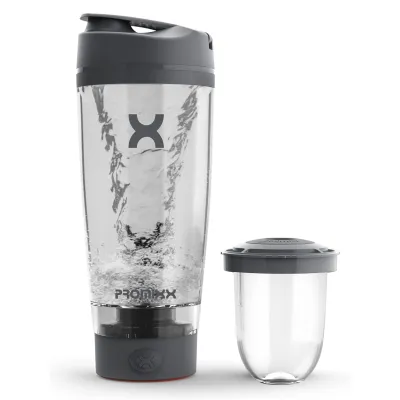

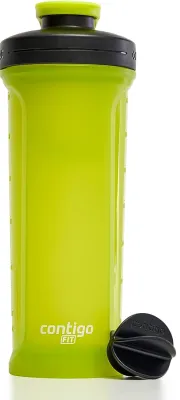
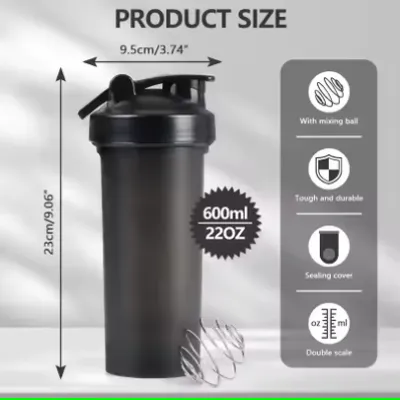
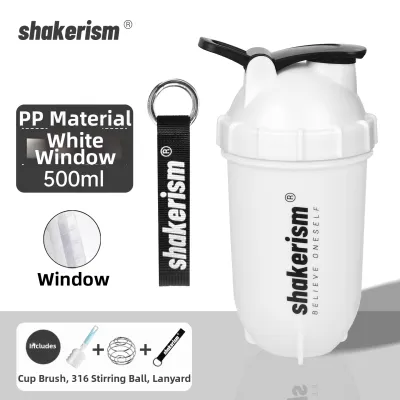
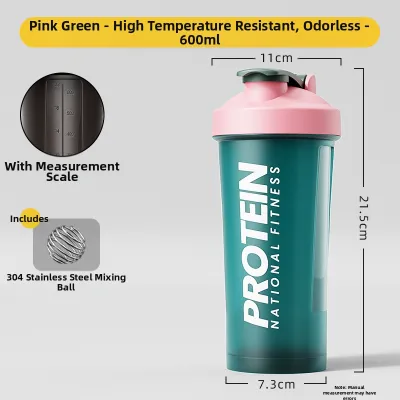
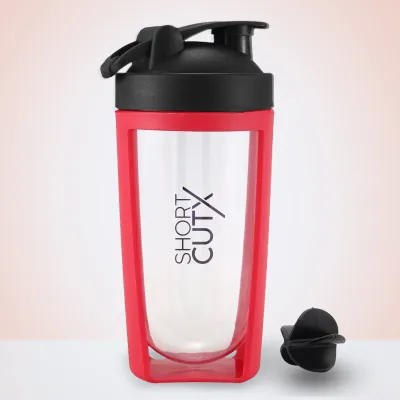
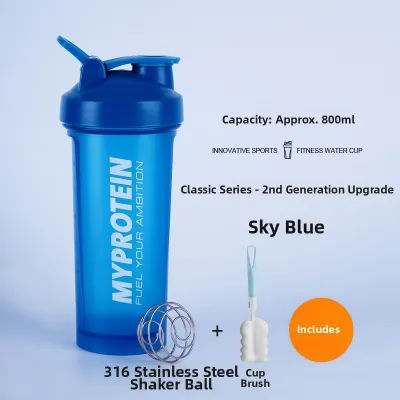
Prices are valid at publication and may change. Please refer to the product page for the latest price.
Another common design is the built-in mesh screen or plastic grid, which remains stationary near the top of the bottle. As you shake the liquid back and forth, it is forced through the small openings of the grid, shearing the powder particles and dispersing them evenly. While highly effective for moderate-consistency shakes, stationary grids can sometimes trap thicker powders on their surface, requiring more vigorous effort to clear.
For those seeking maximum convenience, motorized or electric shakers utilize a small, battery-powered blade or paddle at the base of the cup. This mechanism creates a powerful vortex that pulls the powder down and shears it continuously, resulting in an exceptionally smooth texture without manual effort. However, these devices rely on mechanical parts that must be kept dry and charged, adding a layer of maintenance.
The shape of the bottle’s base also plays a critical role in mixing efficiency. Shakers with a rounded or curved bottom prevent dry powder from settling and getting trapped in the sharp bottom edges, where mixing elements cannot reach. This simple structural feature ensures that every gram of supplement is fully integrated into the liquid.
When it comes to temperature control, the material construction of the bottle determines how long your drink stays cold. Double-wall vacuum insulation is the standard for thermal retention, utilizing a vacuum gap between two layers of stainless steel to prevent heat transfer. This design is particularly valuable in tropical climates, as it keeps ice-cold water chilled for hours and prevents condensation from forming on the exterior of the bottle.
In contrast, single-wall plastic and glass bottles offer virtually no thermal insulation, allowing heat from the surrounding air to warm your drink rapidly. While glass is highly hygienic, it conducts heat quickly and requires an external sleeve to provide even minimal thermal protection.
Finally, the integrity of the lid sealing mechanism determines whether your shaker remains leak-free during vigorous use. High-quality shakers utilize screw-on lids paired with compressible silicone gaskets to create a watertight seal under pressure. Snap-on caps are convenient for quick access but can degrade over time, increasing the risk of accidental spills when shaking or carrying the bottle in a gym bag.
Comparing Shaker Bottle Designs and Materials
Evaluating the trade-offs between different shaker bottle categories helps you match a product to your lifestyle and training environment. Stainless steel insulated shakers are highly favored for their durability, thermal performance, and resistance to odors. Because stainless steel is non-porous, it does not absorb protein residues, preventing the persistent sour smells that often plague plastic bottles. However, these shakers are significantly heavier, more expensive, and opaque, which makes measuring liquids difficult without internal volume markings.

BPA-free plastic shakers remain the most popular and accessible option on the market. They are lightweight, highly portable, and feature clear external measurement markings that allow you to mix precise ratios of liquid and powder. Most plastic models rely on a stainless steel wire whisk ball to achieve a smooth blend. The primary drawback of plastic is its susceptibility to micro-scratches from cleaning brushes or mixing balls, which can harbor bacteria and retain stubborn odors over time.
Motorized or electric shakers offer a specialized solution for athletes who demand perfectly smooth shakes with minimal physical effort. These devices excel at blending thicker powders, such as casein or mass gainers, which often clump in manual shakers. The trade-off lies in their complexity; they require regular charging, are heavier due to the integrated motor, and generally lack thermal insulation, meaning your drink will warm up quickly in warm weather.
Glass shakers represent a premium, highly hygienic alternative for those who want to avoid plastics entirely. Glass is completely non-porous, meaning it will never retain odors or stains, and it is exceptionally easy to clean. However, glass is inherently fragile and heavy, making it less suitable for rugged gym environments or outdoor sports unless protected by a thick, shock-absorbing silicone sleeve.
How to Evaluate Mixing and Insulation Claims
Because independent performance tests are rarely standardized, consumers must learn to verify manufacturer specifications and product labels directly. When evaluating insulation claims, look for explicit mentions of “double-wall vacuum insulation” rather than generic terms like “double-wall construction” or “thermal barrier.” True vacuum insulation is highly effective at blocking heat transfer, whereas simple double-wall plastic or steel bottles with an air gap offer significantly lower thermal resistance.
To assess mixing efficiency before purchasing, look for user feedback on online marketplaces that specifically mentions the types of supplements you use. Standard whey protein dissolves relatively easily, so positive reviews for basic mixing may not apply if you use thick casein, meal replacements, or mass gainers. Look for reviews detailing how well the bottle handles highly viscous liquids or whether powder frequently gets trapped in the lid threads or base.
Material safety is another critical factor that requires careful verification of product certifications. Ensure that any plastic components are explicitly labeled as BPA-free and DEHP-free to prevent chemical leaching under warm conditions. For stainless steel shakers, verify that the manufacturer uses food-grade stainless steel, such as grade 304 (also known as 18/8) or grade 316, which provides excellent resistance to corrosion from acidic sports drinks and frequent washing.
Decision Framework: Choosing the Right Shaker for Your Routine
Selecting the ideal shaker bottle depends on your specific daily routine, the supplements you consume, and your environmental conditions. If you train in outdoor gyms, commute long distances in the heat, or prefer to prep your shake hours before consuming it, an insulated stainless steel shaker is the most suitable choice. The vacuum insulation will keep your drink cold and refreshing, while the metal interior prevents the buildup of unpleasant odors during long hot days.
If you prioritize lightweight gear, need to monitor your liquid intake precisely, or are shopping on a budget, a high-quality BPA-free plastic shaker with a wire whisk ball is highly practical. This option is easy to toss into a gym bag without adding unnecessary weight, and the transparent walls make it simple to measure water levels accurately. To mitigate odor issues, plan to rinse the bottle immediately after use.
For those who regularly mix thick, high-calorie mass gainers, meal replacements, or pre-workout formulas with complex ingredients, a motorized shaker is highly recommended. The active blending power of an electric motor ensures a smooth, clump-free consistency that manual shaking rarely achieves. This option is best suited for home or office use where you have easy access to USB charging ports.
Before making a final decision, always verify that the shaker’s seals, gaskets, and plastic components are certified food-grade. If you have sensitive skin or allergies to specific synthetic materials, checking the manufacturer’s material safety data sheet or product packaging can prevent unwanted exposure to low-quality elastomers.
Maintenance and Cleaning for Longevity
Proper maintenance is essential to prevent bacterial growth, mold, and persistent odors, especially in warm and humid climates. The most critical step in maintaining any shaker bottle is performing a thorough rinse immediately after finishing your drink. Allowing protein residue to dry inside the bottle creates a stubborn film that is difficult to remove and serves as a breeding ground for bacteria.
For daily washing, use warm, soapy water and a soft sponge or silicone bottle brush. Pay close attention to the lid threads, the drinking spout, and the underside of the silicone gasket, as these tight spaces frequently trap moisture and organic matter. Avoid using abrasive scrubbers, such as steel wool or harsh scouring pads, which can create microscopic scratches on plastic and steel surfaces where bacteria can hide.
To eliminate stubborn odors that persist after regular washing, perform a deep clean using household ingredients. Fill the bottle with warm water and add a tablespoon of baking soda or a splash of white vinegar, allowing it to soak for several hours before rinsing thoroughly. This natural treatment neutralizes acidic odor compounds without damaging the bottle’s materials.
After washing, always air-dry the shaker completely with the lid off. Storing a damp shaker with the lid closed in a humid environment will inevitably lead to mold and mildew growth. Place the bottle and lid upside down on a drying rack in a well-ventilated area to ensure all moisture evaporates before storage.
Frequently Asked Questions (FAQ)
Can I put hot liquids in an insulated protein shaker?
No, you should avoid shaking hot liquids in a sealed protein shaker. Shaking hot liquids creates rapid steam expansion and pressure buildup inside the airtight chamber, which can cause the flip-cap or lid to burst open violently, spraying hot liquid and causing potential burns. Always check the manufacturer’s maximum temperature limits and ensure the bottle is properly vented if you are mixing warm beverages.
Why does my plastic shaker bottle smell bad even after washing?
Plastic is a porous material that can develop microscopic scratches over time from cleaning brushes or the friction of a wire whisk ball. These tiny crevices trap protein residues, oils, and bacteria that are difficult to reach with standard washing, leading to persistent sour odors. If deep cleaning with baking soda or vinegar does not resolve the smell, it may be time to replace the bottle or upgrade to a non-porous material like stainless steel or glass.
Do I need a special shaker for thick protein powders like casein?
Yes, thick supplements like casein, mass gainers, and meal replacements benefit from specialized mixing mechanisms because they absorb more liquid and clump easily. Standard shakers with basic grids may struggle to break up these dense powders. For a smooth consistency, look for shakers equipped with heavy-duty wire whisk balls, dual-stage mesh screens, or motorized blending blades that provide the high shear force necessary to fully hydrate thick powders.
Community discussion
Share your experience or ask a question. Comments are reviewed before publication.