
Finding the right stationary bike for your home requires balancing your personal fitness goals with the physical realities of your living space. In high-density urban environments like Singapore, where floor space is often at a premium, selecting a piece of cardio equipment is not just about the workout features—it is also about how seamlessly the machine integrates into your daily environment. Schwinn offers a diverse range of exercise bikes, spanning indoor cycling, upright, and recumbent designs, each tailored to different training styles and spatial footprints. By understanding the core characteristics of these categories and knowing exactly what specifications to verify, you can make an informed decision that supports your long-term health journey without cluttering your home.
Identify the Right Schwinn Bike Category for Your Fitness Goals
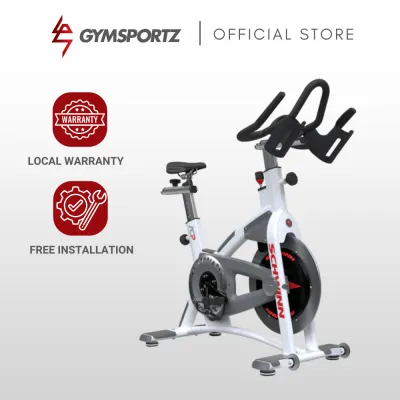
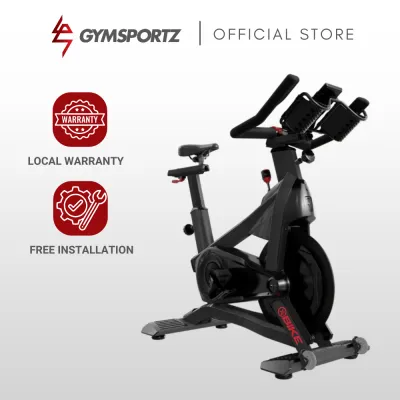
Indoor cycling bikes, often called spin bikes, are engineered to mimic the feel of a road bicycle. They feature a forward-leaning riding posture where you sit or stand while pedaling. This design is highly suited for high-intensity interval training (HIIT), cardiovascular conditioning, and simulating outdoor climbs. Because the riding position requires active core engagement and places more load on your lower back and wrists, it is ideal for users with good baseline mobility who want an energetic, athletic workout.
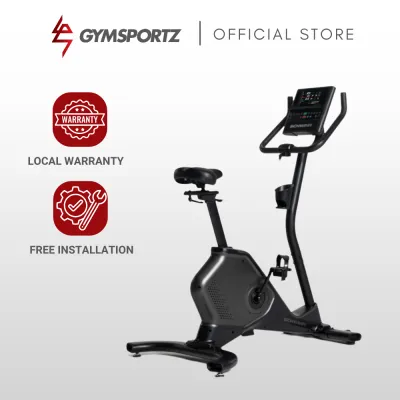
Upright bikes offer a more familiar, casual riding posture. You sit in an upright position with the handlebars positioned higher, which reduces the strain on your lower back and neck compared to indoor cycling models. These bikes are excellent for moderate-intensity cardio, steady-state workouts, and general fitness maintenance. They typically feature wider, more cushioned seats, making them comfortable for longer, consistent sessions where the primary goal is active calorie burning rather than high-intensity athletic training.
Products mentioned in this guide
Prices are valid at publication and may change. Please refer to the product page for the latest price.
Recumbent bikes feature a reclined seat with a backrest, placing the pedals out in front of the rider. This design provides maximum lumbar support and distributes your body weight over a larger surface area, significantly reducing stress on the lower back, hips, and knees. Recumbent models are the preferred choice for individuals undergoing physical rehabilitation, seniors, or anyone managing joint discomfort or mobility limitations. While they offer a highly stable and low-impact workout, their larger frame design means they require a different spatial footprint than their upright counterparts.
Measure Your Space and Verify Model Dimensions
Before committing to any exercise bike, you must carefully measure your intended workout area. Start by checking the manufacturer’s stated footprint, which details the exact length and width of the bike. However, the physical dimensions of the machine are only part of the equation. You must also calculate a safety clearance zone around the perimeter of the bike. A minimum of 50 to 60 centimeters of open space on all sides is highly recommended to allow for safe mounting, dismounting, and emergency exits. In compact apartments, this clearance ensures you do not accidentally strike nearby furniture or walls during an active session.

Ceiling height is another critical factor that is frequently overlooked, particularly for indoor cycling bikes. When you stand up on the pedals during a simulated hill climb, your body rises significantly higher than when you are seated. To prevent injury, calculate your standing height on the pedals by adding the bike’s pedal-to-floor distance at its lowest point, your own height, and an additional 15 to 20 centimeters of clearance. Ensure this total is well below your ceiling height, especially if you have low-hanging light fixtures or ceiling fans installed in your workout room.
Consider how the bike will be stored and moved within your home. If you do not have a dedicated workout room, you will likely need to roll the bike out of the way after each session. Verify the total weight of the model and confirm that it is equipped with integrated transport wheels. Heavy-duty flywheels and steel frames provide excellent stability during workouts, but they also make the machine more challenging to maneuver. Checking these physical specifications beforehand ensures you select a model that you can physically manage without straining your back.
Match the Resistance System to Your Workout Intensity
The resistance system is the heart of any stationary bike, determining how smooth the ride feels and how much noise the machine generates. Friction resistance systems use felt pads that physically press against the flywheel to create tension. While friction systems allow for infinitely adjustable resistance levels, they require regular maintenance, as the pads wear down over time and must be replaced. Additionally, friction contact produces a soft, audible rubbing sound, which might be a consideration if you plan to exercise early in the morning or late at night in a quiet household.
Magnetic resistance systems, on the other hand, use powerful magnets to create tension without ever physically touching the flywheel. This non-contact design results in near-silent operation and virtually eliminates mechanical wear, making it highly durable and low-maintenance. Magnetic resistance is typically adjusted via digital console controls or a manual dial that moves the magnets closer to or further from the wheel. For most home users, especially those living in close proximity to family members or neighbors, the quietness and consistency of magnetic resistance justify the investment.
To evaluate the overall ride quality, look closely at the flywheel weight or the engineered inertia system. A heavier flywheel generally provides a smoother, more natural pedaling motion because it carries more momentum, mimicking the kinetic energy of a moving outdoor bicycle. Conversely, lighter flywheels can sometimes feel jerky or less fluid at higher resistance levels. Finally, always verify the maximum user weight capacity specified by the manufacturer. A higher weight capacity is a strong indicator of robust frame construction and ensures the bike remains stable and safe, even during high-intensity, out-of-the-saddle efforts.
Evaluate Console Features and Connectivity Against Your Budget
The console is your primary interface during a workout, and its features vary widely across different price points. Entry-level models typically feature basic LCD screens that track essential metrics such as time, distance, speed, and estimated calories burned. These consoles are straightforward, easy to read, and run on standard batteries, making them highly reliable for users who prefer a simple, distraction-free workout.
Mid-range and premium models offer advanced backlit displays, built-in workout programs, and telemetry-enabled heart rate tracking. If you enjoy structured training, look for consoles that offer pre-programmed profiles, such as interval training, heart rate control, or custom challenges. These features help keep your workouts engaging and provide clear benchmarks for tracking your cardiovascular progress over time.
Modern connectivity is a major consideration for many home fitness enthusiasts. Many Schwinn models feature Bluetooth connectivity, allowing you to sync your workout data with popular third-party fitness applications or proprietary training platforms. This enables you to participate in virtual rides, track your long-term progress on your smartphone, or stream interactive studio classes. However, advanced tech integration typically increases the initial purchase price. Carefully weigh whether you will actively use these digital features or if a basic console paired with your own tablet or phone on a media shelf is a more cost-effective solution.
Decision Framework: Choose the Right Schwinn Profile
To finalize your decision, map your personal fitness requirements and spatial constraints to the most appropriate bike profile. Choose an indoor cycling profile if your primary goal is high-intensity cardiovascular training, athletic conditioning, or simulating outdoor road cycling, and you have the physical mobility to support a forward-leaning riding posture. Opt for an upright profile if you want a space-efficient, moderate-intensity cardio machine that offers a comfortable, upright seating position for steady-state workouts. Select a recumbent profile if you prioritize maximum lower-back support, low-impact joint comfort, or are recovering from an injury, provided you have sufficient floor space to accommodate a longer frame.
Before making your final purchase, verify several practical logistics to ensure a smooth ownership experience. Check the current availability of your chosen model through authorized local distributors or reputable online marketplaces. Carefully review the warranty terms, paying close attention to the coverage periods for the frame, mechanical parts, and electronics. Because stationary bikes are heavy and require assembly, verify whether local delivery options include professional assembly services, which can save you significant time and ensure the machine is put together safely.
Always cross-reference the exact model number on the official manufacturer’s website or with an authorized local retailer before completing your order. Specifications, console features, and included accessories can vary slightly by region or production batch. Taking the time to double-check these details ensures that the equipment delivered to your home matches your expectations and fits perfectly into your fitness routine.
Frequently Asked Questions (FAQ)
Do Schwinn exercise bikes require regular maintenance?
Yes, keeping your exercise bike in optimal condition requires simple, routine maintenance. After every workout, wipe down the frame, handlebars, seat, and console with a damp cloth to remove sweat, as the salt and moisture can cause corrosion over time. Periodically check the user manual for specific instructions regarding mechanical upkeep, such as lubricating moving parts, checking the tension of the drive belt, or tightening loose bolts. Regularly inspecting the pedal straps, seat adjustment knobs, and power cords ensures your workouts remain safe and uninterrupted.
Can I use my own cycling shoes with a Schwinn indoor bike?
Whether you can use your own cycling shoes depends entirely on the specific pedals installed on your chosen model. Some indoor cycling models come equipped with dual-sided pedals that feature standard toe cages on one side for athletic shoes and SPD-compatible clips on the other for dedicated cycling shoes. If the stock pedals do not match your preferred cleat system, such as Look Delta or SPD-SL, you can typically swap them out. Most Schwinn models use standard bicycle pedal thread sizes, allowing you to install your own preferred pedals easily, but you should always verify the crank arm thread specifications in the product manual before purchasing replacements.

Community discussion
Share your experience or ask a question. Comments are reviewed before publication.