
Selecting the right sea kayak requires balancing three critical performance pillars: stability, weight, and durability. Because no single manufacturer produces a kayak that excels universally across all three categories, your choice must depend on your physical capabilities, paddling environment, and storage constraints. Before launching into open coastal waters, remember that even the most advanced kayak cannot replace formal safety training, navigation skills, and sound judgment regarding weather and tidal currents.
To find the ideal vessel, you must look past marketing claims and analyze the physical specifications of different brands. By understanding how hull geometry, material composition, and manufacturing quality interact, you can select a kayak that matches your skill level and local environment. This guide provides a structured framework to evaluate and compare sea kayak brands, helping you build a shortlist tailored to your specific needs.
Identifying Your Core Priorities: Stability, Weight, and Durability
Every paddler has a unique profile defined by their physical strength, experience level, and where they plan to paddle. Before comparing specific brands, you must determine which performance attribute takes precedence for your situation. A mismatch here can lead to a kayak that is either too unstable for your skill level, too heavy to transport, or prone to rapid degradation.
Products mentioned in this guide
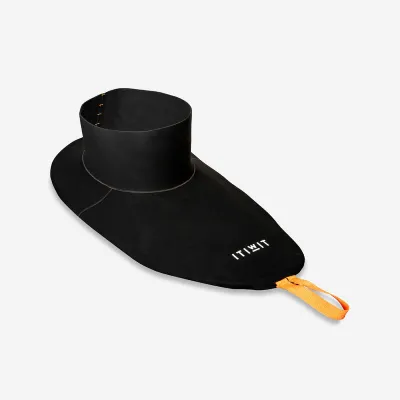
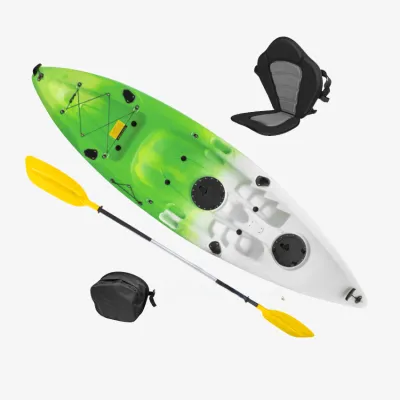
Prices are valid at publication and may change. Please refer to the product page for the latest price.
Your current skill level is the primary driver for stability requirements. Beginner paddlers generally require high primary stability—the kayak’s resistance to tipping when sitting flat on calm water. This provides immediate confidence during initial outings. Conversely, intermediate and advanced touring paddlers prioritize secondary stability, which is the kayak’s ability to remain stable when edged or when negotiating rough, choppy coastal waters. If you plan to undertake long-distance coastal touring, tracking—the kayak’s ability to maintain a straight course—becomes far more important than quick turning maneuverability.
Transport logistics represent another critical, often overlooked constraint. You must evaluate how you will get the kayak from your storage space to the water. Consider the maximum weight you can comfortably lift onto a vehicle roof rack, especially if you often paddle solo. A kayak that is too heavy to load safely will ultimately spend more time in storage than on the water.
Finally, environmental exposure plays a massive role in material selection. In tropical environments like Singapore, high UV intensity, extreme humidity, and warm saltwater accelerate the wear on kayak hulls, hatch covers, and deck rigging. If your storage solution involves semi-outdoor racks exposed to indirect sunlight or high ambient temperatures, prioritizing UV-resistant materials and robust hatch seals is essential to prevent premature warping and degradation.
Evaluating Stability Through Hull Design and Dimensions
When comparing sea kayak brands, you will encounter various proprietary stability ratings and marketing terms. To make an objective comparison, you must look past these labels and analyze the actual hull geometry and dimensions provided in manufacturer specification sheets.

The cross-sectional shape of the hull determines how the kayak behaves in the water. Flat or shallow-arch hulls offer excellent primary stability, making them feel exceptionally stable on flat water. These are common in recreational and transitional sea kayaks designed for beginners. However, V-shaped or rounded hulls, typical of traditional Greenland-style or British-style sea kayaks, trade primary stability for superior secondary stability. These hulls slice through chop, lean predictably into turns, and remain highly manageable in rough coastal swells where a flat-bottomed boat would toss the paddler around.
Beam width and rocker profile are the next key dimensions to analyze. The beam is the widest point of the kayak. A wider beam (typically 58 cm to 64 cm) provides more surface area and greater initial stability, making it suitable for larger paddlers or those carrying heavy gear. A narrower beam (50 cm to 55 cm) reduces drag and allows for faster, more efficient paddling, but requires active balancing. The rocker refers to the upward curve of the hull from bow to stern. A high-rocker kayak has a banana-like profile, making it highly maneuverable and responsive in waves, but harder to keep in a straight line. A low-rocker kayak has a longer waterline, which maximizes tracking and speed at the expense of quick turning.
To verify these characteristics, always consult the manufacturer’s official specification sheets. Look for the exact beam width, overall length, and hull cross-section diagrams. Do not rely on subjective brand descriptions like “extremely stable” or “highly maneuverable.” Instead, compare the ratio of length to width and the hull profile across different brands to predict how the kayak will perform in your local waters.
Balancing Kayak Weight With Transport and Storage Realities
The weight of a sea kayak directly impacts your paddling efficiency, ease of transport, and storage options. While lighter kayaks are easier to accelerate, handle on land, and load onto vehicles, achieving a lower weight often requires more expensive materials or compromises in impact resistance.
To compare weight profiles effectively, you must understand the three primary construction methods used by major brands:
- Rotomolded Polyethylene: This process uses melted plastic spun in a mold. It produces highly durable, impact-resistant kayaks, but they are consistently the heaviest option, often weighing between 25 kg and 32 kg for a standard single sea kayak.
- Thermoformed Plastic: This method bonds an ABS plastic core with an acrylic outer layer. It yields a glossy, lightweight hull (typically 20 kg to 25 kg) that mimics the look of composite materials while remaining highly impact-resistant.
- Composite Materials: Utilizing fiberglass, carbon fiber, or Kevlar fabric bonded with epoxy resin, composite kayaks offer the lowest weight (often under 20 kg) and maximum hull stiffness. However, they require a significantly higher financial investment, with prices often exceeding S$4,000 to S$6,000 in local markets.
When comparing brand specifications, always differentiate between bare hull weight and fully rigged weight. Some manufacturers list the weight of the bare shell before adding hatches, bulkheads, seating systems, rudders, or skegs. Fully rigged, a kayak can weigh 2 kg to 4 kg more than the advertised base weight. Ensure you are comparing equivalent configurations to avoid surprises when lifting the kayak for the first time.
Before purchasing, establish a personal weight threshold based on your physical limits and transport setup. Check your vehicle’s roof-rack load capacity limits, as well as the weight rating of any kayak carriers or cradles you plan to use. If you must carry the kayak solo across sandy beaches or launch ramps, ensure the fully rigged weight is manageable without risking back strain.
Assessing Material Durability for Long-Term Coastal Use
A sea kayak is a long-term investment, and its lifespan depends heavily on how well its materials withstand environmental wear, physical impacts, and storage conditions. Each material type has distinct durability trade-offs that you must weigh against your paddling style and local climate.
Polyethylene is renowned for its exceptional impact resistance. It can scrape over rocks, drag across sandy beaches, and survive accidental drops with minimal structural damage. However, in hot, humid, and high-UV environments like Singapore, polyethylene is susceptible to UV degradation over time, which makes the plastic brittle. It is also prone to “oil-canning”—a term for temporary or permanent hull deformation caused by uneven pressure during storage in high ambient temperatures.
Composite materials offer unmatched stiffness, which translates to maximum paddling efficiency because the hull does not flex in waves. They are also highly resistant to UV damage and can be repaired relatively easily using fiberglass or carbon repair kits if punctured. However, composites are brittle compared to plastics. A hard impact against a sharp rock, concrete boat ramp, or seawall can crack the gelcoat or fracture the underlying laminate, requiring professional repair.
Thermoformed plastics serve as an excellent middle ground. They offer better UV resistance and stiffness than rotomolded polyethylene, preventing hull warping in warm climates, while remaining more impact-resistant and less prone to cracking than composite layups. They are highly resistant to abrasions and minor impacts, making them a practical choice for paddlers who want a lightweight boat without the delicate nature of composites.
When evaluating different brands, review their warranty terms carefully. Look for specific clauses regarding UV degradation, structural hull defects, and the longevity of hatch seals and deck fittings. A brand that offers a multi-year warranty on hull integrity demonstrates confidence in their manufacturing quality and material sourcing.
Building a Condition-Based Brand Shortlist
With numerous sea kayak brands available, building a shortlist requires a systematic approach based on your physical limits, gear requirements, and local support network. Follow these three steps to filter your options objectively.
Step 1: Set non-negotiable physical limits. Start by identifying your maximum allowable carry weight based on your transport capabilities. Next, measure your body dimensions—specifically your height, hip width, and inseam—to ensure a proper fit. Compare these against the manufacturer’s cockpit dimensions. A cockpit that is too tight will cause discomfort and numbness during long paddles, while one that is too loose will reduce your control over the kayak when edging.
Step 2: Cross-reference hull volume and weight capacity. Every sea kayak has a recommended weight capacity and volume rating (low, medium, or high volume). Calculate your total load, which includes your body weight, safety gear, paddle, and any camping equipment you plan to carry for multi-day expeditions. Ensure this total weight falls within the manufacturer’s optimal performance range—typically 50% to 80% of the maximum rated capacity. A kayak loaded too close to its maximum capacity will sit too low in the water, compromising stability and handling.
Step 3: Verify local dealer support and parts availability. In Singapore, having access to a reliable local dealer or distributor is invaluable. Verify if the brand you are considering has local representation that can assist with warranty claims, hull repairs, or sourcing replacement parts. Components like rudder cables, skeg lines, hatch covers, and neoprene seals wear out over time due to saltwater and UV exposure. Choosing a brand with readily available replacement parts ensures your kayak remains seaworthy without long delays for international shipping.
Frequently Asked Questions (FAQ)
Does a heavier sea kayak always mean it is more durable?
No, a heavier sea kayak does not automatically equate to greater overall durability. While a thick, rotomolded polyethylene kayak is highly resistant to sudden impacts and drops, it is more vulnerable to long-term UV degradation and heat-induced warping than lighter materials. Conversely, a high-quality composite kayak made of carbon fiber or Kevlar is significantly lighter and boasts superior structural stiffness and fatigue resistance, meaning it will not warp or lose its shape over decades of use. However, it remains more susceptible to cracking from sharp, localized impacts. Durability must be defined by the specific environmental and physical challenges your kayak will face.
How should I store a sea kayak in a humid, urban environment?
To preserve your kayak’s hull integrity and prevent mold growth in a humid, tropical environment, store it indoors or in a fully shaded, well-ventilated area out of direct sunlight. Use padded wall racks, wide webbing slings, or a ceiling hoist system that supports the kayak’s weight near the bulkheads, where the hull is structurally strongest; never hang or store a plastic kayak by its grab handles or toggle lines, as this can cause permanent deformation. Always rinse the kayak thoroughly with fresh water to remove salt residue, open the hatch covers to allow the interior compartments to dry completely, and apply a UV-protectant spray to plastic hulls and rubber hatch seals to extend their lifespan.
Community discussion
Share your experience or ask a question. Comments are reviewed before publication.