
Selecting the right soft flask for your workouts requires looking beyond brand names to evaluate material specifications, seam construction, and insulation features. Because performance varies by production batch and specific model lines, comparing these structural elements is the most reliable way to find a durable, leak-proof flask that keeps your water cool. In hot and humid climates, where hydration is critical and warm water quickly becomes unpalatable, understanding these design nuances can transform your training experience. High-intensity, short-duration workouts favor ultra-lightweight, minimal-valve designs, while long-distance trail runs in intense heat demand insulated sleeves, wide mouthpieces for ice, and reinforced seams. By focusing on verifiable material properties and construction standards, you can select a hydration solution tailored to your specific athletic demands.
How to Evaluate Build Quality and Leak Prevention
To ensure your soft flask survives the rigors of high-intensity training, you must first examine the base materials and manufacturing techniques. High-quality soft flasks are almost exclusively constructed from Thermoplastic Polyurethane (TPU). This material is favored for its exceptional elasticity, tensile strength, and resistance to abrasions. When browsing options, check the product packaging or manufacturer specifications to ensure the TPU is certified as BPA-free and BPS-free. Avoid budget alternatives made from low-grade plastics or polyvinyl chloride (PVC), which tend to degrade rapidly, develop micro-cracks, and leach unpleasant chemical tastes into your water.
The method used to join the plastic sheets is the single most critical factor in leak prevention. Look for flasks that utilize Radio Frequency (RF) welding rather than adhesive bonding. RF welding uses electromagnetic energy to heat and fuse the plastic molecules together, creating a seamless, permanent bond that is actually stronger than the surrounding material. Glued seams, common in cheaper generic flasks, are highly susceptible to peeling and splitting when subjected to the repeated squeezing, folding, and temperature fluctuations typical of regular workout use. Inspect the corners and base of the flask; premium designs often feature double-welded seams or reinforced TPU patches at these high-stress areas to prevent blowouts under pressure.
Products mentioned in this guide
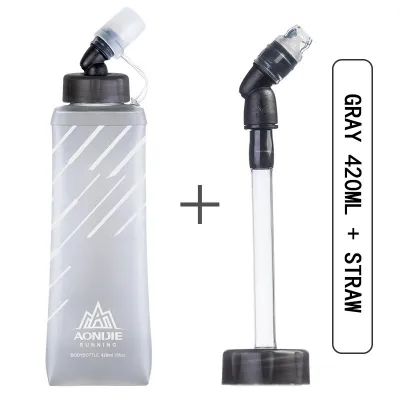
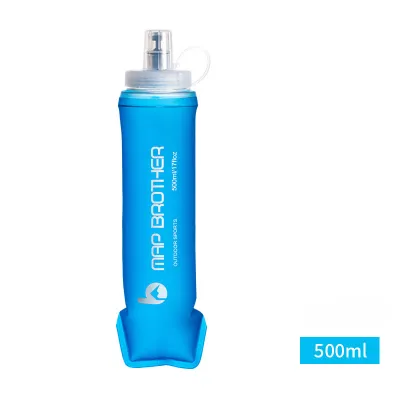
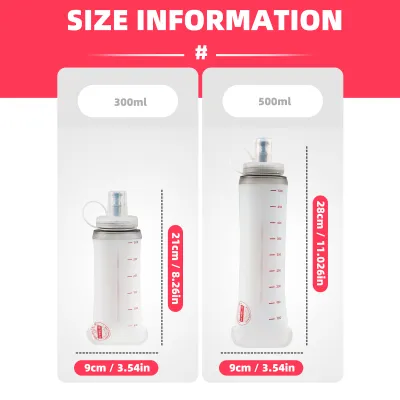
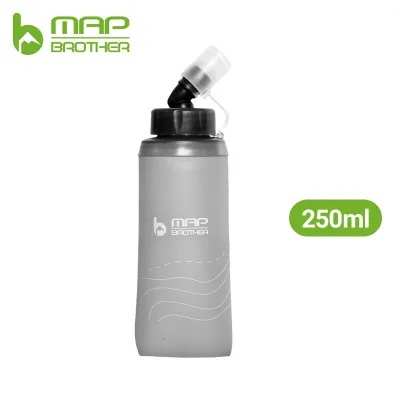
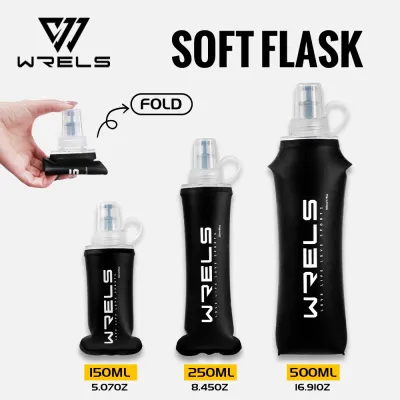
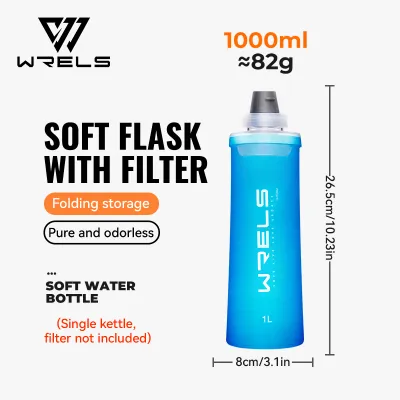
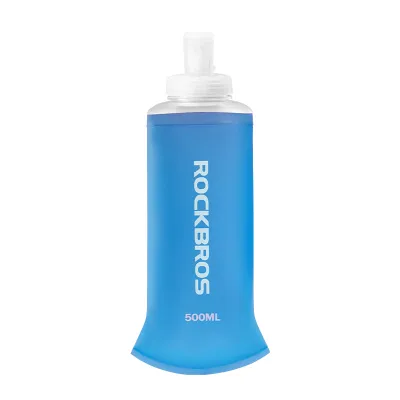
Prices are valid at publication and may change. Please refer to the product page for the latest price.
The bite valve is your primary interface with the flask and a common point of failure. A reliable bite valve should feature a self-sealing silicone sheath that immediately stops water flow when you release pressure. For added security during transport, look for valves equipped with an integrated mechanical lock, such as a twist-shut or pull-lock mechanism. This prevents water from squeezing out when the flask is compressed inside a tightly packed hydration vest or gym bag. Additionally, consider whether the valve assembly can be fully disassembled for deep cleaning, and check if the manufacturer offers compatible dust covers to protect the mouthpiece from trail dirt and grit.
Finally, pay close attention to the material thickness rating, which is occasionally specified by premium manufacturers in millimeters. A standard lightweight flask may use TPU with a thickness of around 0.25 mm, balancing weight savings with basic durability. For rugged trail running, obstacle course racing, or situations where the flask is packed alongside sharp gear like keys or trekking poles, look for heavy-duty models with a thickness of 0.4 mm or more. While this slightly increases the empty weight of the flask, the added puncture resistance provides invaluable peace of mind during remote outdoor adventures.
Design Features That Impact Temperature Retention
Flexible hydration gear presents unique thermal challenges that differ significantly from rigid, double-walled vacuum-insulated bottles. Single-layer TPU flasks have virtually no inherent thermal resistance, meaning heat transfer occurs almost instantly. When carried in a hydration vest pocket, the flask is subjected to conductive heat transfer directly from your body, alongside convective heat from the ambient air. Consequently, ice-cold water in a standard soft flask can reach ambient temperature in a matter of minutes during a hot midday run.

To combat this rapid warming, manufacturers utilize specialized insulation designs. The most common approach is a double-walled construction featuring an integrated closed-cell foam barrier between the inner and outer TPU layers. This design creates a thermal barrier that slows down the rate of heat transfer without sacrificing the collapsible nature of the flask. Alternatively, some brands offer removable neoprene or foam insulated sleeves. When selecting an insulated flask, verify its outer dimensions; the added thickness of the insulation can make the flask a tight fit for standard hydration vest pockets, requiring you to check pocket compatibility before purchasing.
The width of the flask’s mouth is another critical design feature that directly influences temperature management. Standard narrow openings make it difficult to add ice, forcing you to rely solely on pre-chilled water. Selecting a flask with a wide-mouth design—typically 42 mm or larger—allows you to easily pack the flask with ice cubes before heading out. However, keep in mind that larger caps require more precise threading to seal correctly. A wider cap increases the surface area of the rigid plastic component, which can sometimes create pressure points against your chest if the flask is stuffed tightly into a front vest pocket.
External environmental factors and gear placement also dictate how long your water remains cool. A flask positioned on the front straps of a running vest will absorb body heat continuously. To maximize cooling duration, consider placing a thin layer of fabric or a dedicated pocket liner between your chest and the flask. Additionally, the volume of water plays a role; larger flasks (such as 500 ml or 600 ml) retain their temperature slightly longer than smaller 250 ml flasks due to the thermal mass of the liquid. Understanding these variables allows you to manage expectations and plan your hydration strategy accordingly.
Balancing Material Flexibility and Long-Term Durability
The primary appeal of a soft flask is its collapsible nature, which allows it to shrink as you drink, eliminating the annoying sloshing sound of water and reducing overall bulk. However, achieving this level of flexibility requires a delicate balance with long-term material resilience. Highly flexible TPU is incredibly convenient, but it is inherently more porous and susceptible to environmental wear than rigid plastics like Tritan or stainless steel. Over time, repeated folding and creasing can create micro-fatigue points along the body of the flask.
Taste neutrality is a common concern with flexible hydration gear. New TPU flasks can sometimes impart a distinct plastic taste to the water, which is often exacerbated by warm weather. To mitigate this, look for flasks that feature internal food-grade coatings or liners designed to block taste transfer. Before using a new flask, check the manufacturer’s recommended break-in procedures. A common, safe method involves washing the flask thoroughly with mild dish soap and warm water, or soaking it briefly with a mixture of warm water and lemon juice to neutralize any residual manufacturing odors.
Your choice of hydration liquids also impacts the lifespan of the material. While pure water is highly compatible with all soft flasks, using concentrated sports drinks, electrolyte tablets, or powdered mixes requires extra caution. The pigments and sugars in these mixes can stain the TPU and provide a breeding ground for bacteria if not cleaned immediately. Furthermore, some highly acidic drink mixes can slowly degrade the inner lining of the flask over extended periods. If you plan to freeze your flask to create a slow-melting ice block, ensure the manufacturer explicitly states the material is freeze-safe, as ice expansion can easily rupture seams that are not rated for sub-zero temperatures.
Regularly inspecting your gear is essential for maintaining hygiene and preventing mid-workout failures. Over months of use, TPU can begin to show signs of degradation. Look out for clouding or yellowing of the plastic, which indicates UV exposure or chemical breakdown. If the material becomes unusually stiff, sticky to the touch, or if you notice tiny weeping droplets forming along the welded seams, the structural integrity of the flask has been compromised. Replacing the flask at this stage prevents sudden leaks and ensures you are not consuming water from a degrading container.
Decision Framework: Matching Flask Features to Your Workout
To simplify your selection process, use this conditional framework to match specific soft flask features to your typical training environments and workout intensities.
If you are embarking on long trail runs or outdoor workouts in high-temperature environments, prioritize temperature retention and easy refilling. Choose a soft flask featuring a double-walled insulated design or a compatible insulated sleeve, paired with a wide-mouth opening (42 mm or larger). This combination allows you to pack the flask with ice at aid stations or home, while the insulation slows down heat transfer from both the ambient air and your body.
If you are competing in short, high-intensity races where every gram counts and water temperature is a secondary concern, prioritize weight savings and simplicity. Choose an ultra-lightweight, thin-walled TPU flask (around 0.25 mm thickness) with a standard, low-profile bite valve. These flasks collapse completely flat when empty, take up minimal space in your pockets, and eliminate unnecessary bulk during fast-paced efforts.
If you frequently train in rugged terrain, scramble over rocks, or pack your hydration gear tightly alongside sharp equipment, prioritize structural durability. Choose a flask constructed from heavy-duty TPU (0.4 mm or thicker) featuring reinforced, double-welded RF seams and a protective dust cover for the bite valve. This setup ensures the flask can withstand high compression and accidental abrasions without puncturing or leaking.
Before finalizing your choice, always verify the manufacturer’s specific temperature and chemical limits. If you plan to freeze your flask to keep your back cool during hot runs, or if you regularly use concentrated, highly acidic sports nutrition, checking these specifications beforehand prevents premature material failure and ensures your warranty remains valid. Premium flasks typically cost between S$25 and S$45, making them a worthwhile investment when matched correctly to your athletic needs.
Care and Maintenance to Extend Flask Lifespan
Proper care and maintenance are vital to prevent mold growth, valve failure, and premature material degradation in your soft flasks. Always consult the manufacturer’s cleaning guidelines before using any cleaning tools or chemicals. While some high-end flasks are rated as top-rack dishwasher safe, hand washing is generally the safest and most effective method to preserve the integrity of the TPU and the welded seams over time. Avoid using harsh bottle brushes with exposed metal tips, as these can easily scratch or puncture the delicate inner lining of the flask.
Drying your soft flask completely is the most critical step in preventing mold and mildew. Because the flask is designed to collapse, the inner walls tend to stick together when wet, trapping moisture inside. To dry the flask effectively, use a dedicated drying tree, or insert a clean kitchen utensil—such as a whisk or a wooden spoon—to keep the flask propped open. Hang the flask upside down in a well-ventilated area away from direct heat sources until all internal moisture has evaporated.
When storing your flasks between workouts, choose a cool, dry place away from direct sunlight. Prolonged exposure to ultraviolet (UV) rays can degrade the TPU, causing it to become brittle and prone to cracking. Avoid storing flasks in damp environments like gear bags or humid laundry rooms, as this encourages mold growth. For long-term storage, some athletes prefer to store completely dry, clean flasks in the freezer to completely eliminate the risk of bacterial growth.
Despite your best efforts, there comes a point when a soft flask must be retired. If you notice persistent black mold spots inside the flask or valve that do not disappear after thorough cleaning, or if the seams begin to weep water under light pressure, stop using the flask immediately. Consuming water from a moldy or degrading container poses health risks, and a leaking flask can ruin your gear. In these cases, consult the manufacturer’s warranty policy or replace the flask to ensure safe, reliable hydration on your next workout.
Frequently Asked Questions (FAQ)
Can I put boiling water in a soft flask?
No, you should avoid putting boiling water in a soft flask. Most soft flasks are constructed from TPU materials designed specifically for cold or room-temperature liquids, with maximum temperature ratings typically capped around 60°C. Pouring boiling water into the flask can melt or weaken the RF-welded seams, warp the plastic body, and potentially cause the material to release chemicals. Always check the manufacturer’s specifications for the exact temperature limits of your specific model.
How do I remove a plastic taste from a new soft flask?
To remove a persistent plastic taste from a new soft flask, check the product manual for approved cleaning methods. A safe and effective approach is to fill the flask with warm water, add a tablespoon of baking soda or a squeeze of fresh lemon juice, and let it soak for a few hours before rinsing thoroughly. Avoid using harsh household bleach, boiling water, or abrasive chemicals, as these can permanently degrade the TPU material and void your manufacturer’s warranty.
Are soft flasks safe to freeze?
Many high-quality soft flasks are safe to freeze, but you must verify this capability in the manufacturer’s specifications first. When freezing a flask, only fill it halfway to two-thirds full to allow ample space for the water to expand as it turns to ice; overfilling can rupture the welded seams. Additionally, avoid freezing the bite valve assembly directly, as the expanding ice inside the delicate silicone and plastic mechanisms can cause them to crack or leak.

Community discussion
Share your experience or ask a question. Comments are reviewed before publication.