
Selecting the steel water bottle that keeps your drinks coldest during a workout comes down to verifying specific thermal engineering standards rather than relying on brand popularity alone. While many manufacturers promise all-day ice retention, the actual performance during a high-intensity gym session or an outdoor run in Singapore’s humid heat is governed by physical laws: the quality of the vacuum seal, the design of the lid, and the structural materials used. To find a bottle that maintains refreshing temperatures from your first warm-up to your final stretch, you must look closely at how these components prevent heat transfer.
Evaluating a bottle based on its physical specifications allows you to bypass marketing hype and select a container tailored to your training environment. Whether you are exercising in an air-conditioned fitness center or training outdoors under direct sunlight, the rate of temperature rise inside your bottle is highly predictable. By understanding the mechanics of insulation and matching them to your specific hydration habits, you can ensure your water remains ice-cold when you need it most.
Key Specs That Actually Determine Cold Retention
To understand how a steel water bottle maintains cold temperatures, it is essential to look at the three primary methods of heat transfer: conduction, convection, and radiation. High-quality sports bottles are engineered specifically to block these pathways. The most critical feature to verify is double-wall vacuum insulation. This construction consists of an inner and an outer stainless steel wall with the air evacuated from the space between them. Because conduction and convection require a physical medium—like air or metal—to transfer heat, this vacuum barrier effectively stops warmth from migrating from the outside environment into your cold beverage.
Products mentioned in this guide
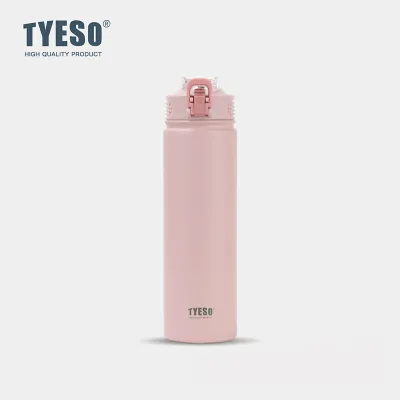
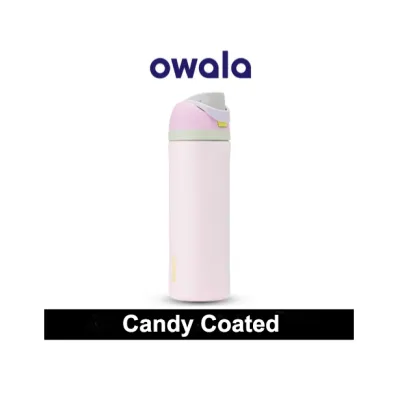
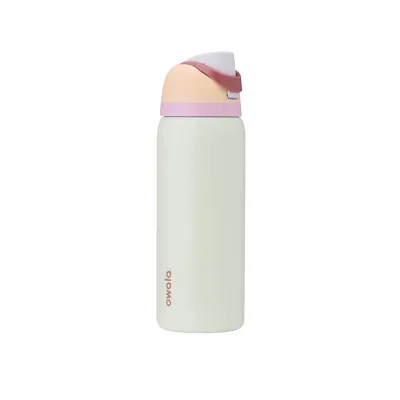
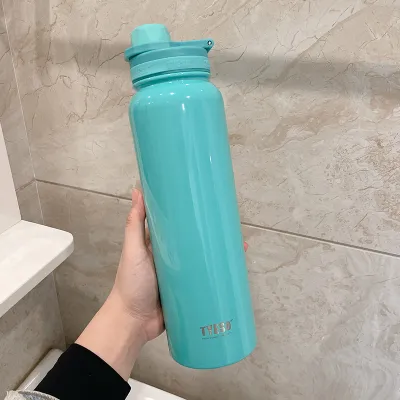
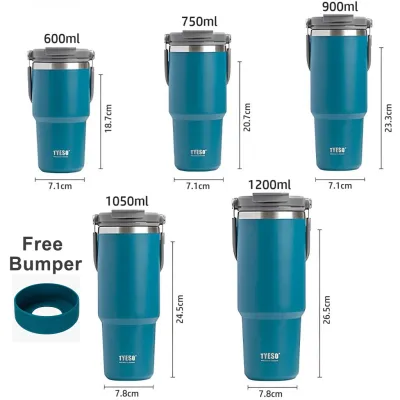
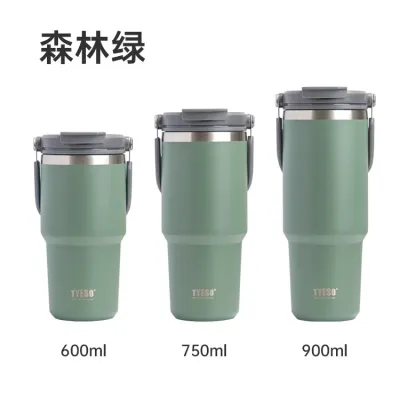
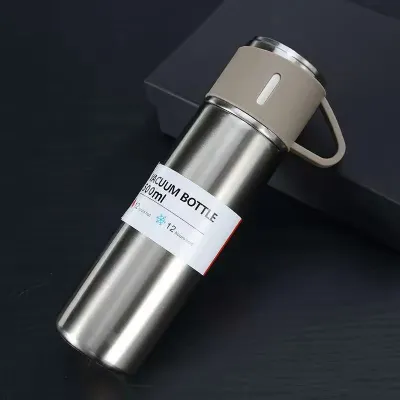
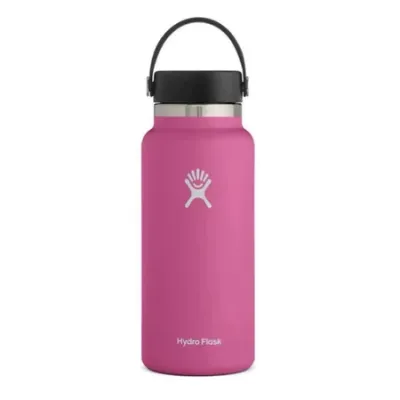
Prices are valid at publication and may change. Please refer to the product page for the latest price.
While a vacuum barrier stops conduction and convection, radiant heat can still travel across empty space in the form of infrared waves. To combat this, premium insulated bottles incorporate a thin copper plating or a highly reflective lining on the outer surface of the inner steel wall. This reflective layer acts as a mirror for thermal radiation, bouncing external heat away from the cold liquid inside. When shopping for a bottle, check the manufacturer’s technical specifications to confirm if a copper or reflective thermal barrier is integrated into the vacuum space, as this significantly improves performance in hot climates.
The lid of the bottle is almost always the primary point of thermal failure. While the body of the bottle is protected by a vacuum, the lid is typically made of plastic, silicone, or thin metal, which conducts heat much faster. A bottle with a wide, uninsulated plastic cap will lose cold far quicker than one with a thick, insulated lid that features deep threads and a heavy-duty silicone gasket. The gasket creates an airtight seal that prevents warm air from entering the bottle every time you move or tilt it.
Finally, the physical volume of the liquid inside plays a major role in temperature stability due to thermal mass. A larger volume of cold water contains more thermal energy capacity, meaning it resists temperature changes much better than a smaller volume. A 1-liter bottle will naturally keep water cold longer than a 500-milliliter bottle of identical construction because the ratio of surface area to liquid volume is lower. If you train outdoors for extended periods, opting for a larger capacity can help maintain lower temperatures simply through the physics of thermal mass.
Workout-Specific Features Beyond Insulation
While thermal performance is vital, a bottle must also be practical to use during intense physical exertion. In highly humid environments, grip security becomes a major safety consideration. Even though a vacuum-insulated bottle will not sweat on the outside, your hands certainly will. A bare stainless steel exterior can become incredibly slippery when wet, making it difficult to hold during a run or a heavy lifting session. Look for bottles finished with a textured powder coating, which provides a durable, slip-resistant grip that remains secure even when your hands are covered in sweat or chalk.

Hydration efficiency during a workout often depends on how quickly and easily you can access your water. One-handed operation is a key feature for safety and convenience, especially when you are balancing on a treadmill, cycling, or holding weights. Bottles equipped with push-button flip lids, integrated straw caps, or bite valves allow you to drink without stopping your momentum or using both hands. However, ensure these lids feature a physical locking mechanism to prevent accidental openings and leaks when the bottle is tossed into a gym bag or backpack.
The physical durability of the bottle’s base is another critical factor for long-term performance. Gym floors, concrete outdoor courts, and gravel trails are highly abrasive and unforgiving. Dropping a steel bottle can easily dent the outer wall. If a dent is deep enough to cause the inner and outer steel walls to touch, the vacuum barrier is permanently destroyed, rendering the insulation useless. To protect against this, look for bottles that feature a reinforced base, or consider adding a removable silicone boot. A silicone boot not only absorbs the impact of drops but also prevents the bottle from sliding off tilted treadmill consoles or metal benches.
How to Match Bottle Specs to Your Workout Routine
Selecting the right bottle configuration requires matching its design to the specific demands of your exercise routine. If your workouts consist primarily of high-intensity interval training, indoor cycling, or heavy weightlifting, a wide-mouth bottle paired with a sport cap or straw lid is often the most effective choice. This setup allows for rapid, high-volume hydration without requiring you to tilt your head back completely, which helps you maintain your balance and focus. The wide mouth also makes it easy to add ice cubes before you begin your session.
For long-duration outdoor activities, such as distance hiking, road cycling, or outdoor bootcamps in direct sunlight, thermal preservation is the absolute priority. In these scenarios, a narrow-mouth bottle equipped with a fully insulated, screw-top cap is superior. The narrow opening minimizes the surface area of cold water exposed to the hot ambient air when you open the bottle to drink. Additionally, a solid, screw-down insulated cap provides the most reliable thermal seal possible, ensuring your water remains cold even after hours of exposure to intense outdoor heat.
However, there are specific athletic scenarios where a rigid steel water bottle is not the appropriate tool. If you are a long-distance trail runner, marathoner, or triathlete, carrying a heavy, rigid steel container is highly impractical. The added weight of the steel, combined with the sloshing of the liquid, can negatively impact your running mechanics and increase fatigue. For these high-endurance disciplines, lightweight, compressible soft flasks or hydration bladders are far more suitable, as they shrink as you drink and fit securely into specialized running vests.
Before finalizing your choice, always verify the physical dimensions of the bottle to ensure compatibility with your workout environment. Measure the base diameter of the bottle and compare it to the cup holders on your favorite treadmill, stationary bike, or the bottle cage on your bicycle frame. A bottle that is too wide to fit securely in these holders is highly likely to fall during a workout, risking damage to both the bottle’s vacuum seal and the gym equipment itself.
Comparing Common Steel Bottle Designs for Exercise
To help you evaluate the functional trade-offs of different bottle configurations, the table below outlines how common lid designs perform across key athletic criteria.
| Lid Type | Cold Retention | Spill Risk | Ease of Cleaning | Best Workout Scenario |
|---|---|---|---|---|
| Insulated Screw-Cap | Excellent | Extremely Low | Very Easy | Outdoor training, long hikes, all-day use |
| Chug / Spout Lid | Good | Low (with lock) | Moderate | High-intensity gym sessions, quick gulps |
| Straw Lid | Moderate | Moderate | Difficult | Treadmill running, indoor cycling, driving |
| Flip-Top Cap | Fair | High (if unlocked) | Moderate | Low-intensity workouts, yoga, studio classes |
Beyond the lid, the exterior finish of the bottle presents its own set of trade-offs. A textured powder-coated finish is highly recommended for sports because it enhances grip and resists minor scratches from gym equipment. However, powder coatings can chip over time if subjected to hard impacts on concrete. In contrast, bare stainless steel is virtually immune to chipping and offers a classic aesthetic, but it provides very little grip when wet and can become uncomfortably hot to the touch if left sitting in direct sunlight during outdoor training.
Maintenance and Care for Long-Term Insulation
To ensure your steel water bottle continues to deliver optimal cold retention, proper maintenance is essential. A common mistake is cleaning insulated bottles in a dishwasher. The extreme heat of a dishwasher’s drying cycle can cause the air inside the vacuum seal to expand, potentially compromising the weld that maintains the vacuum. Once this seal is broken, the bottle will lose its insulating properties permanently. Additionally, high-heat cycles can warp plastic lids and degrade the flexibility of silicone gaskets, leading to leaks. Hand washing with warm, soapy water and a bottle brush is the safest way to preserve your bottle’s structural integrity.
The silicone O-ring or gasket inside the lid is the most critical component for preventing leaks and maintaining a thermal seal. Over time, sweat, moisture, and sports drink residues can accumulate in the grooves of the gasket, leading to mold growth and unpleasant odors. Regularly remove the silicone gasket using a blunt tool, wash it thoroughly, and allow it to dry completely before reassembling. If you notice the gasket has become stretched, cracked, or brittle, replace it immediately to prevent micro-leaks that allow warm air to enter the bottle and degrade its thermal performance.
Frequently Asked Questions (FAQ)
Does pre-chilling the bottle improve cold retention during workouts?
Yes, pre-chilling your steel water bottle is a highly effective way to maximize its thermal performance. When you pour cold water into a room-temperature bottle, a portion of the water’s cold energy is immediately lost as it cools down the inner steel wall of the container. By filling the bottle with ice water for a few minutes before your workout, you lower the temperature of the inner steel wall first. Once you empty the pre-chilling water and refill the bottle with your actual workout drink, the insulation does not have to work as hard, allowing your beverage to stay cold for a significantly longer period.
Can I put ice cubes in any wide-mouth steel water bottle?
While wide-mouth steel bottles are designed to easily accommodate standard ice cubes, you should always check the manufacturer’s care instructions before doing so. Some bottles feature specialized internal coatings, such as ceramic linings, which can scratch or chip if sharp ice cubes are dropped in forcefully or shaken vigorously. To prevent damage to the interior lining or the inner steel wall, it is best to tilt the bottle slightly and slide the ice cubes in gently, or add your liquid first to cushion the fall of the ice.

Community discussion
Share your experience or ask a question. Comments are reviewed before publication.