
Selecting the right yoga block is a fundamental decision that directly impacts your stability, alignment, and comfort during practice. While these props might look identical at a glance, their material composition determines how they support your weight, respond to sweat, and hold up over years of use. The three most common materials—natural cork, high-density ethylene-vinyl acetate (EVA), and standard soft foam—each serve distinct styles of yoga and physical needs.
To make an informed choice, you must evaluate your primary yoga discipline, your local climate, and your specific stability requirements. For instance, practicing in a humid environment like Singapore requires a block that handles moisture without slipping or degrading. By understanding how these materials perform under pressure, you can select a prop that enhances your form and prevents unnecessary strain on your joints.
Understanding the Core Differences: Cork, EVA, and Foam
To choose the right prop, you must first understand what goes into each block. Natural cork blocks are harvested from the bark of cork oak trees, making them dense, solid, and relatively heavy. This natural composition provides a firm, non-yielding surface that mimics the stability of the floor, offering reliable support for weight-bearing poses.
Products mentioned in this guide
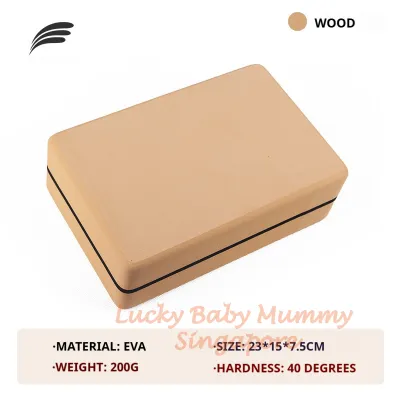
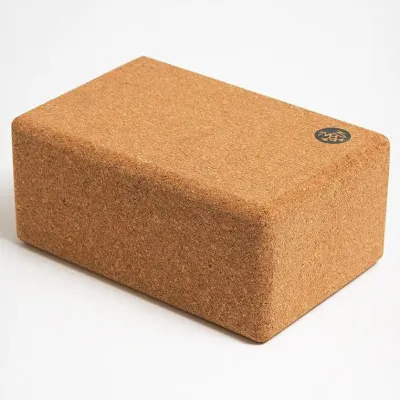
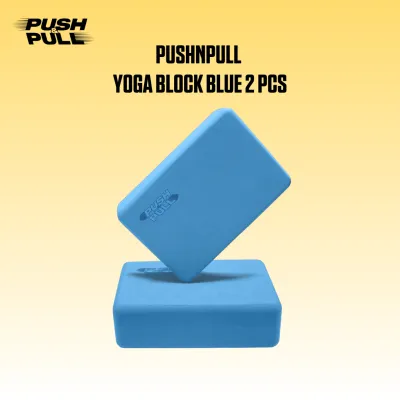
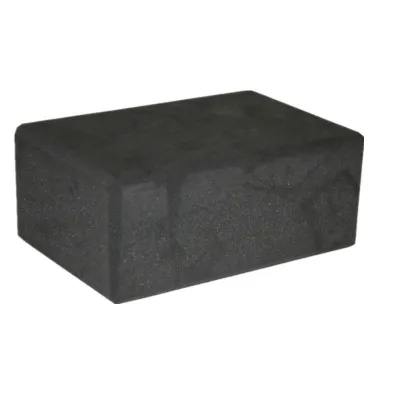
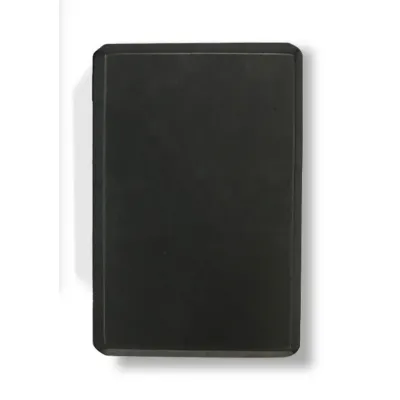
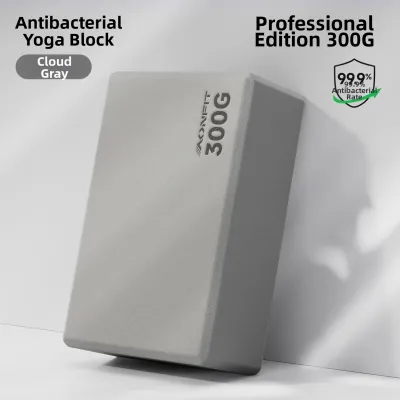
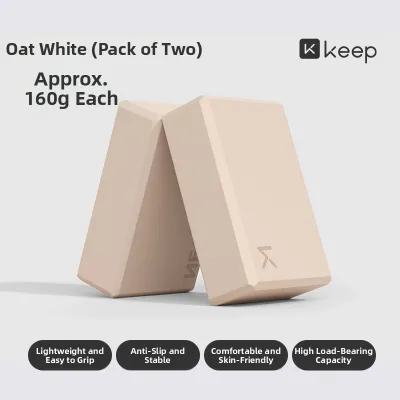
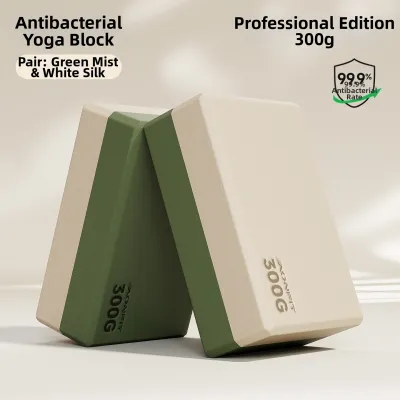
Prices are valid at publication and may change. Please refer to the product page for the latest price.
Synthetic options, on the other hand, fall into two main categories: high-density EVA and standard soft foam. High-density EVA is a copolymer material engineered to be both structured and slightly resilient. It offers a firm, supportive feel that resists deep compression, making it a durable alternative to natural wood or cork.
Standard soft foam blocks are typically made from lower-density polyurethane or basic foam composites. These blocks are highly compressible, lightweight, and soft to the touch, which makes them comfortable for restorative postures but less reliable for balancing.
When shopping on an ecommerce platform or at a local sports outlet, be aware that product labels often use the terms “foam” and “EVA” interchangeably. To avoid purchasing a block that is too soft for your needs, you must look closely at the manufacturer’s specifications for density, weight, and firmness ratings rather than relying solely on the product title.
Aligning Material with Your Practice Style
Your preferred style of yoga should dictate the material density of your block. Restorative, Yin, and gentle hatha practices focus on long-held, passive stretches where comfort is the primary goal. For these styles, standard soft foam blocks are highly suitable because they cushion sensitive areas like the sacrum, knees, and spine without causing uncomfortable pressure points.

In contrast, active and dynamic practices such as Vinyasa, Ashtanga, or Power yoga require a highly stable foundation. When you are transitioning through standing balances or supporting your full body weight in arm balances, a soft block can compress unevenly, leading to wrist strain or loss of balance. For these demanding sequences, cork or high-density EVA blocks provide the rigid, unyielding support necessary to keep your alignment secure.
Your practice location and carrying habits also play a major role in your decision. If you regularly commute to a local studio or travel frequently, carrying heavy cork blocks in your gear bag can become a physical burden. Lightweight EVA or standard foam blocks are far easier to transport, allowing you to maintain your practice on the go without adding significant weight to your luggage.
Before committing to a specific material, assess your personal physical needs, such as joint sensitivity or balance limitations. If you require firm support but find cork too hard against your bones, a high-density EVA block offers a middle ground, providing structural stability with a tiny amount of surface give.
Evaluating Grip, Sweat Response, and Care
Moisture management is a critical factor, especially during high-intensity sessions or when practicing in warm, tropical climates. Natural cork possesses a unique cellular structure that actually becomes grippier when exposed to light moisture. The textured, porous surface of cork absorbs small amounts of sweat, preventing your hands from sliding during downward-facing dog or extended side angle poses.
Synthetic EVA and standard foam blocks feature closed-cell or semi-closed-cell surfaces that do not absorb moisture. Instead, sweat tends to pool on the surface of these blocks, which can create a slippery film during a vigorous class. To counteract this, many manufacturers mold traction patterns, ridges, or textured finishes into the foam; you should inspect these surface designs to ensure they offer adequate dry-hand and wet-hand grip.
Maintenance routines differ significantly between natural and synthetic materials, and following the manufacturer’s specific care instructions is essential to prevent material degradation. Because cork is porous, it should never be submerged in water or cleaned with harsh chemical solvents. Instead, it requires a gentle wipe-down with a damp cloth and must be allowed to air-dry completely in a well-ventilated space to prevent mold growth.
Synthetic EVA and standard foam blocks are generally easier to sanitize because their closed-cell structure resists water penetration. You can wipe them down with mild soapy water or a specialized yoga mat spray after a sweaty session. However, you must still avoid abrasive scrubbing pads or leaving them in direct sunlight, as UV exposure can cause synthetic foams to dry out, crack, and lose their structural integrity over time.
Weighing Budget, Durability, and Eco-Impact
Balancing your upfront investment with the expected lifespan of the block is a practical step in the buying process. Standard foam blocks are typically the most budget-friendly option, often priced lower in local retail spaces or online marketplaces. While they are highly accessible, they are also the most prone to showing wear, such as permanent compression indentations, scratches, or chunking along the edges.
High-density EVA blocks sit in a moderate price tier, offering a balance of affordability and long-term durability. These blocks resist denting and chipping, making them a reliable choice for practitioners who want a long-lasting prop without paying a premium. You can verify current retail prices in S$ on local distributor websites to find an option that fits your budget.
Cork blocks generally represent the highest upfront cost, but their durability often justifies the investment. A high-quality cork block can last for years of daily practice without losing its shape or structural firmness. However, you should inspect cork blocks periodically for edge chipping, which can occur if they are dropped repeatedly on hard studio floors or packed tightly against sharp objects.
For environmentally conscious practitioners, the ecological footprint of each material is an important consideration. Natural cork is a renewable, biodegradable, and recyclable resource harvested without harming the tree. Synthetic EVA and standard polyurethane foams are petroleum-derived plastics that do not biodegrade, meaning they will eventually contribute to landfill waste once they reach the end of their usable lifespan.
Decision Framework: Which Yoga Block Should You Buy?
To finalize your purchase, you must weigh your personal priorities against the specific characteristics of each material. If your practice demands maximum stability, natural moisture traction, and an eco-friendly footprint, natural cork is the most suitable choice. It provides the solid foundation needed for advanced alignment work, provided you do not mind the extra weight in your gear bag.
If you need a versatile, durable block that balances firm support with a lightweight design for easy commuting, high-density EVA is the ideal option. It offers excellent structural integrity, simple maintenance, and a moderate price point, making it highly practical for both home and studio use.
If your primary goals are gentle cushioning, lightweight travel, and keeping your initial costs low, standard soft foam is the most practical selection. It excels in restorative postures where comfort is prioritized over rigid structural support.
Before completing your purchase on any online marketplace or at a local sporting goods store, always verify the product label to ensure the manufacturer explicitly states the material composition and density. Checking these specifications ensures you receive a block that matches your physical needs and practice style rather than a generic foam prop that may compromise your stability.
Frequently Asked Questions (FAQ)
Can I use a cork yoga block for hot yoga?
Yes, you can use a cork yoga block for hot yoga, as its natural texture provides excellent grip even when damp with sweat. Unlike synthetic blocks that can become slick when wet, cork’s porous surface absorbs minor moisture to maintain traction. However, because hot yoga environments involve heavy sweating, you must dry the block thoroughly after each session. Check the manufacturer’s care guidelines to ensure you clean sweat residue properly without damaging the natural fibers, and avoid storing damp cork blocks in closed bags where mold could develop.
How do I know if my foam block is too soft for standing poses?
You can determine if your foam block is too soft by performing a simple physical compression test. Place the block on a flat, hard surface and press down firmly on the center with the heel of your hand. If the block easily compresses under moderate hand pressure, or if your hand sinks deeply into the material, it lacks the density required for safe weight-bearing balances. For standing poses where you place your weight on the block, you should switch to a high-density EVA or cork block to ensure proper joint alignment and stability.

Community discussion
Share your experience or ask a question. Comments are reviewed before publication.