
Choosing the ideal cycle mobile holder for Singapore’s Park Connector Network (PCN) depends on your riding frequency, phone model, and how you navigate. For casual weekend riders on shared paths, a flexible silicone strap mount offers quick installation and versatility. For daily commuters or long-distance cyclists who encounter varied terrain, speed bumps, and sudden tropical downpours, a rigid mechanical clamp or a dedicated hard-case mounting system with a proprietary lock provides the necessary stability and security. Selecting the right mount requires balancing ease of access with robust vibration protection and weather resistance.
The PCN offers an exceptional way to explore the island, connecting residential hubs, lush parks, and scenic coastal routes. Whether you are navigating the rustic paths of the Rail Corridor, commuting along the Geylang PCN, or enjoying a leisurely weekend cruise on the Eastern Coastal Loop, keeping your phone secure and accessible is a priority. A reliable mount ensures you can follow GPS routes, track your fitness metrics, and stay connected without compromising your safety or risking damage to your device.
Defining Your PCN Riding Profile and Mount Needs
The Park Connector Network spans hundreds of kilometers across Singapore, offering a diverse range of cycling environments. Before selecting a cycle mobile holder, it is essential to analyze your typical riding habits and routes. A cyclist who uses the PCN for a daily commute from Punggol to the Central Business District has vastly different requirements compared to a recreational rider who enjoys a casual Sunday morning spin around East Coast Park. Commuters prioritize speed, efficiency, and rapid mounting, while leisure riders may focus more on comfort, visibility, and long-term durability during extended exposure to the sun.
Products mentioned in this guide
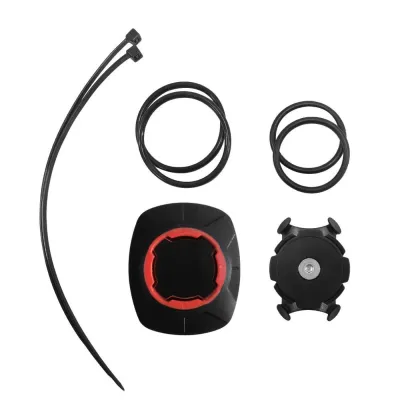
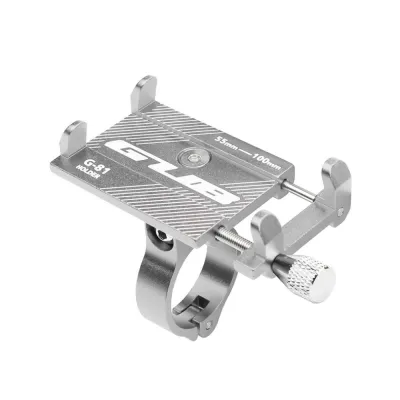
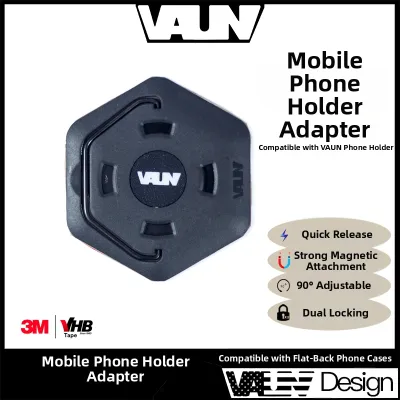
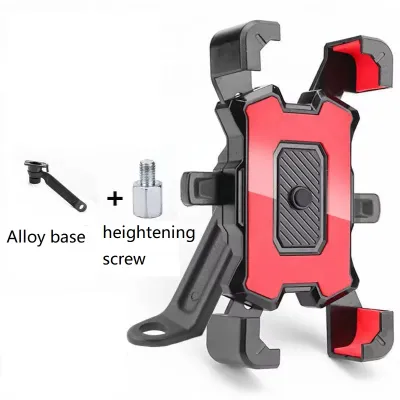
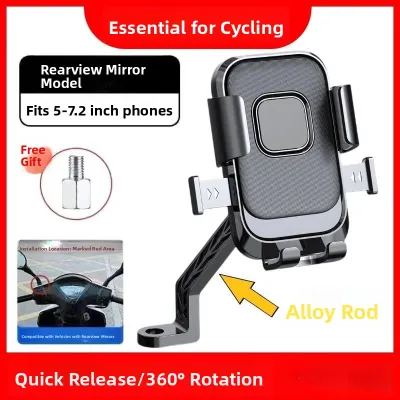
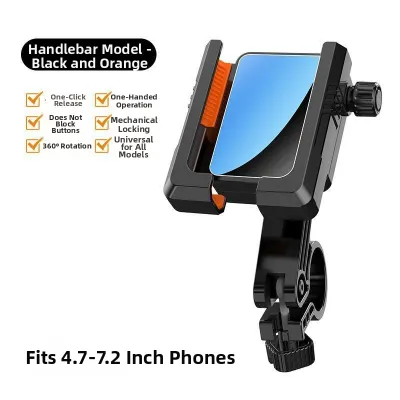
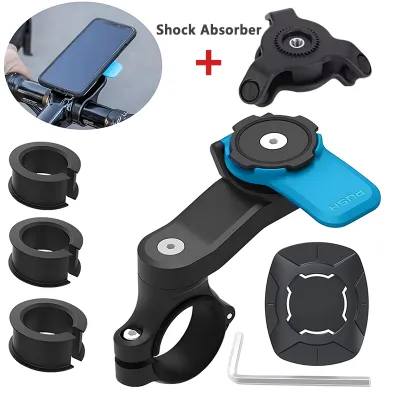
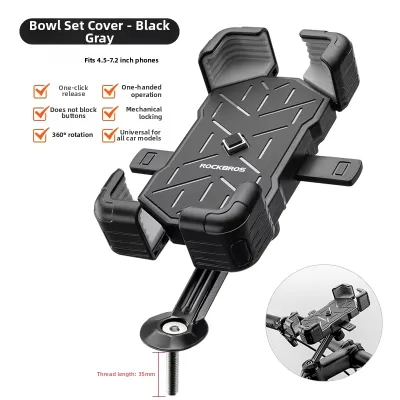
Prices are valid at publication and may change. Please refer to the product page for the latest price.
Your interaction with your phone during a ride also dictates the type of mount you need. If you rely heavily on active navigation apps to explore newly connected PCN loops, your phone must remain in a highly visible, stable position directly in your line of sight. This requires a mount that can be adjusted to various angles to combat glare from the intense Singapore sun. On the other hand, if you primarily use your phone to run fitness tracking applications in the background or to play music through wireless earbuds, a low-profile mount that keeps the phone tucked away safely near the stem might be more appropriate.
Singapore’s unique tropical climate is another critical factor that should influence your decision. High humidity levels and intense physical exertion mean that sweat will inevitably drip onto your handlebars and mounting equipment. Furthermore, the weather can transition from clear skies to a torrential downpour in a matter of minutes. Your chosen mount must not only withstand these wet conditions without corroding but also allow you to quickly protect your phone when a sudden storm rolls in. Evaluating how your mounting setup handles these environmental stressors is key to preventing damage to both the mount and your mobile device.
Key Features to Check for Local Cycling Conditions
While the PCN is generally well-paved and smooth, it is not entirely free of vibrations. Tactile paving designed for the visually impaired, expansion joints on bridges, and transitions between concrete slabs and asphalt all generate high-frequency road buzz. Over time, these continuous micro-vibrations can travel up your bicycle’s front fork and handlebars directly into your smartphone. Modern mobile devices with advanced camera systems are particularly vulnerable, as these vibrations can gradually degrade or permanently damage the delicate optical image stabilization (OIS) mechanisms.

To safeguard your phone’s camera, look for mounting systems that offer integrated vibration dampening or compatible dampener add-ons. These specialized accessories utilize elastomeric or silicone inserts designed to absorb high-frequency shocks before they reach your device. While a dampener may add a small amount of bulk to your handlebar setup, it provides invaluable protection for premium smartphones, ensuring that your camera remains fully functional for capturing scenic views along the Marina Bay loop or the rustic charm of the Rail Corridor.
Corrosion resistance is another non-negotiable feature for cycling in Singapore’s humid and salty coastal air. Lower-quality mounts constructed with cheap steel screws or weak plastic brackets can degrade rapidly, leading to rust, stiffness, or structural failure. Prioritize mounts made from high-grade engineering plastics, anodized aluminum, or stainless steel. These materials resist the corrosive effects of sweat and rain, ensuring that the locking mechanisms remain smooth and reliable over years of regular use.
Finally, evaluate the efficiency of the mount’s quick-release mechanism. When stopping at a local coffee shop, a convenience store, or a public restroom along the PCN, leaving your phone unattended on your bicycle is a significant security risk. A high-quality mount should allow you to detach your phone instantly with one hand, without requiring you to unscrew clamps or struggle with tight straps. This convenience encourages you to take your phone with you during every rest stop, keeping your valuable device secure at all times.
Evaluating Common Phone Mounting Systems
When shopping for a cycle mobile holder, you will encounter three primary categories: hard case systems, universal silicone strap mounts, and mechanical clamp mounts. Each system offers distinct advantages and trade-offs, making them suitable for different types of cyclists and bicycle setups. Understanding how these systems function will help you narrow down your choices and select the one that aligns best with your riding profile.
Hard case systems utilize a dedicated, protective phone case that features a proprietary mechanical interface integrated into the back. This interface aligns and locks securely into a matching mount installed on your handlebars or stem. These systems are widely regarded as the most stable and secure option available, making them the preferred choice for frequent riders and long-distance cyclists. Because the connection is mechanical and direct, there is virtually zero risk of the phone slipping or twisting, even when riding over rough terrain or speed bumps.
The primary limitation of hard case systems is their lack of universal compatibility. You must purchase a case designed specifically for your exact phone model, and if you upgrade your phone in the future, you will need to buy a new case. Additionally, these proprietary systems lock you into a specific brand’s ecosystem, meaning you cannot easily swap mounts between different bicycles unless they use the same brand’s hardware. Despite these drawbacks, the unmatched stability and clean aesthetic make hard case systems an excellent investment for dedicated cyclists.
Universal silicone strap mounts offer a highly flexible and cost-effective alternative. These mounts feature stretchy, high-tensile silicone bands that wrap securely around the four corners of your smartphone, holding it against a plastic or silicone base mounted on the handlebars. Because the silicone is highly elastic, these mounts are truly universal, accommodating almost any phone size and case combination. They are also incredibly easy to install and remove, requiring no tools, which makes them perfect for casual riders who use shared bicycles or rental bikes along the PCN.
However, silicone strap mounts have notable limitations regarding durability and security. Exposure to Singapore’s intense ultraviolet (UV) radiation and high humidity can cause silicone to degrade over time, leading to loss of elasticity, cracking, or tearing. Furthermore, the straps can sometimes obstruct the corners of your phone’s screen, interfering with swipe gestures, face unlock sensors, or front-facing cameras. While excellent for short, casual rides, silicone mounts may not provide the long-term reliability required for daily commuting or high-speed cycling.
Mechanical clamp mounts feature adjustable arms that grip the sides or corners of your phone, typically tightened using a manual screw, a spring-loaded mechanism, or a ratcheting system. These mounts are highly versatile because they do not require a specific phone case, allowing you to keep your preferred daily protective case on your device. They offer a rigid, secure hold that is significantly more stable than silicone straps, making them a popular middle-ground option for many PCN cyclists.
When selecting a mechanical clamp mount, it is crucial to inspect the quality of the gripping surfaces and the locking mechanism. Look for clamps lined with thick, high-friction rubber or silicone padding to prevent your phone from sliding out under heavy vibration. Additionally, ensure the mount features a secondary manual lock or switch that prevents the clamping arms from accidentally opening during your ride. This extra layer of security is vital for preventing your phone from shaking loose when navigating bumpy path sections or descending steep park connector bridges.
Pre-Ride Compatibility and Safety Checks
Before you set off on your next PCN adventure, performing a few physical verifications can prevent costly accidents and ensure your phone remains securely attached to your bicycle. The first step is to measure your handlebar or stem diameter to ensure a proper fit. Most cycle mobile holders are designed to fit standard handlebar diameters, which typically range from 22.2mm to 31.8mm. Many manufacturers include rubber sizing shims in the box to help you achieve a snug fit, but verifying your bike’s specific geometry beforehand prevents the frustration of purchasing an incompatible mount.
Next, check the clearance and fit of your phone case within the mount. If you use a thick, rugged, or wallet-style phone case, it may exceed the maximum depth capacity of certain mechanical clamps or silicone straps. Forcing a thick case into a mount that is too shallow can compromise the security of the grip, increasing the risk of your phone popping out during a ride. Ensure that the mount’s gripping arms or straps do not press down on your phone’s side buttons, as this can cause accidental volume adjustments, activate voice assistants, or even trigger emergency SOS calls.
It is also important to verify that the mount does not obstruct essential ports, cameras, or sensors. If you plan to use a wired power bank stored in a top-tube bag to charge your phone during long weekend rides, the mount must leave the charging port fully accessible. Similarly, if you enjoy capturing quick photos or videos of your scenic route, ensure the mount does not block the rear camera lenses. Checking these details before you purchase or install a mount ensures a seamless and frustration-free riding experience.
Finally, establish a consistent pre-ride safety routine. Before pushing off from your starting point, mount your phone and give it a gentle tug in multiple directions to confirm that the locking mechanism is fully engaged. Many premium mounting systems feature visual or tactile indicators, such as a colored tab that disappears when locked or a distinct, audible click that confirms a secure connection. Taking just five seconds to perform this physical check before every ride provides peace of mind and ensures your device remains safe throughout your journey.
Frequently Asked Questions (FAQ)
Do I need a vibration dampener for smooth PCN paths?
Even though Singapore’s Park Connector Network is generally well-maintained and paved, it is not entirely free of vibrations. Tactile paving at crossings, expansion joints on bridges, and minor surface imperfections generate continuous, high-frequency vibrations that travel directly up your bicycle’s handlebars. If your smartphone features optical image stabilization (OIS) in its camera system, these micro-vibrations can gradually wear down or permanently damage the delicate mechanical gyroscopes over time. If you ride frequently, cover long distances, or use a premium smartphone, investing in a mount with an integrated vibration dampener or purchasing a compatible dampener add-on is highly recommended to protect your device’s camera optics.
Can I use a standard silicone strap mount for long weekend rides?
While standard silicone strap mounts are highly convenient and cost-effective for short, casual rides, they are generally not recommended for long-distance weekend cycling. Prolonged exposure to Singapore’s intense UV rays and high humidity can accelerate the degradation of silicone, causing it to lose elasticity, crack, or tear over time. Additionally, on longer rides, you are more likely to encounter varied terrain, speed bumps, and sudden maneuvers where a rigid mounting system provides significantly better security. If you regularly undertake rides lasting several hours, upgrading to a mechanical clamp or a dedicated hard case system offers superior long-term durability, stability, and peace of mind.
How do I protect my phone from sudden tropical rain showers?
Singapore’s tropical climate is famous for sudden, heavy downpours that can catch cyclists unprepared. To protect your phone, first check the water-resistance rating of your device; many modern smartphones feature IP67 or IP68 ratings, which can withstand temporary exposure to water. However, riding in heavy rain forces water against the device at speed, which can still compromise ports and speakers. To ensure complete protection, consider using a mount that accommodates a dedicated waterproof phone case or a transparent rain cover. Alternatively, always carry a simple zip-lock bag or a waterproof pouch in your jersey pocket or saddlebag, allowing you to quickly detach your phone and store it safely at the first sign of rain.
Community discussion
Share your experience or ask a question. Comments are reviewed before publication.