
When shopping for an air tent for camping, the Hydrostatic Head (HH) rating indicates how much water pressure the tent fabric can withstand before moisture begins to seep through. Expressed in millimeters, this rating helps you determine whether a shelter can handle a light drizzle, a steady downpour, or tropical storm conditions. Understanding this specification allows you to select a tent that matches your typical camping environment, ensuring you stay dry and comfortable during your outdoor adventures.
What Is a Hydrostatic Head (HH) Rating?
The Hydrostatic Head rating is a standardized measurement used to quantify the water resistance of outdoor fabrics. When you look at the specifications for an air tent for camping, you will typically see a number followed by “mm,” such as 2,000mm or 5,000mm. This number represents the height of a theoretical column of water that the fabric can support before water droplets start to penetrate the material.
To determine this rating, manufacturers perform a water column test on the fabric. A tube is placed vertically over a taut piece of the material, and water is filled inside the tube to increase the pressure. The height of the water column at the exact moment three drops of water penetrate the fabric determines the final millimeter rating.
Products mentioned in this guide
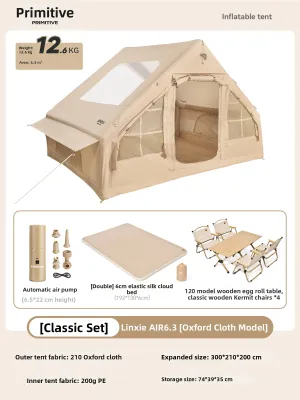
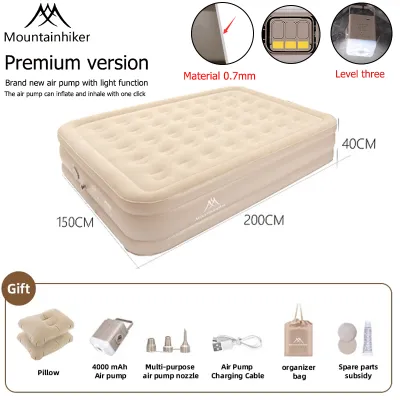
Prices are valid at publication and may change. Please refer to the product page for the latest price.
This metric serves as the primary industry standard for comparing the baseline water resistance of different camping shelters. It provides a clear, measurable benchmark that allows campers to evaluate fabric performance across various brands and models. However, it is important to remember that this test measures the fabric itself under controlled laboratory conditions, rather than the fully assembled tent in active weather.
How to Read HH Specs on Air Tent Listings
When browsing product listings for an air tent for camping, you will often encounter multiple HH ratings for a single product. It is crucial to distinguish between the rainfly, which is the outer waterproof cover of the tent, and the groundsheet, which forms the floor. These two components serve different protective functions and are subjected to different levels of physical stress.

Many manufacturers use a dual-rating format on their specification sheets, listing values such as “3,000mm / 10,000mm.” The first, lower number almost always refers to the rainfly, while the second, higher number refers to the groundsheet. Because the floor must withstand the pressure of your body weight, sleeping pads, and gear pressing down on damp ground, it requires a significantly higher level of water resistance.
To ensure accuracy, always verify these specifications by checking the official manufacturer labels or product manuals rather than relying solely on third-party online marketplace summaries. Retail listings on general ecommerce platforms can sometimes contain typographical errors or conflate the ratings of different tent components. Reviewing the official technical specifications sheet ensures you make an informed decision based on verified data.
Matching HH Ratings to Your Camping Conditions
Selecting the right HH rating depends heavily on where and when you plan to camp. For mild, dry climates with occasional light showers, a rainfly rating of 1,500mm to 2,000mm is generally sufficient to keep water out. If you frequently camp in regions prone to heavy, prolonged rainfall or tropical downpours, looking for a rainfly rating of 3,000mm or higher provides a safer margin of protection.
Environmental and physical factors can rapidly increase the water pressure exerted on your tent fabric. Strong winds can drive rain against the rainfly with force that exceeds the static pressure of a gentle shower, effectively demanding a higher level of resistance. Similarly, if gear or sleeping bags lean directly against the inner walls of the tent, moisture can be drawn through the fabric via capillary action, bypassing the material’s natural resistance.
The groundsheet requires a much higher threshold because of the direct physical pressure applied to it. When you kneel, sit, or place heavy camping cots on the tent floor, you concentrate your body weight onto a small surface area. If the ground underneath is saturated or has pooling water, this localized pressure can easily force moisture through a low-rated fabric. Groundsheet ratings of 5,000mm to 10,000mm are common for this reason, helping to prevent dampness from seeping into your sleeping area.
Beyond the HH Number: Other Weatherproof Features to Check
While a high HH rating indicates excellent fabric water resistance, the fabric alone cannot guarantee a completely dry interior. Water is highly opportunistic and will find any weak point in a tent’s construction. You should always check if the tent features factory-taped or welded seams, as needle holes from stitching are the most common entry points for leaks. Additionally, look for robust storm flaps that cover the zippers, preventing wind-driven rain from bypassing the closures.
Using a dedicated tent footprint is another practical step to enhance your shelter’s weather protection. A footprint acts as an extra moisture barrier between the damp ground and your tent floor, reducing the risk of water penetration under pressure. It also protects the groundsheet from sharp rocks, twigs, and general abrasion, preserving the integrity of the factory waterproof coating over years of use.
For an air tent for camping, maintaining proper structural tension is vital for shedding water effectively. You must ensure that the air beams are inflated to the exact pressure recommended by the manufacturer, which you can verify using a pressure gauge on your pump. Properly inflated air beams keep the fabric taut, preventing the material from sagging and creating pockets where rainwater can pool on the roof, which would eventually overwhelm the fabric’s HH rating.
Frequently Asked Questions (FAQ)
Does a higher HH rating mean the air tent is completely waterproof?
A higher HH rating indicates that the fabric itself has a high resistance to water penetration under pressure, but it does not guarantee that the entire assembled tent is completely waterproof. The overall dryness of your shelter depends on construction details like seam sealing, zipper designs, and how well the tent is pitched. In extreme weather conditions, such as severe storms with high winds, the physical forces acting on the tent can exceed the fabric’s rated threshold, or water may find its way through ventilation ports and zippers.
How often should I reapply waterproofing treatments to my air tent?
You should check your tent manufacturer’s care instructions for specific recommendations on maintenance intervals and compatible reproofing products. As a general rule, look for observable signs of wear, such as rainwater soaking into the outer fabric fibers and leaving dark patches instead of forming clean beads that roll off the surface. If you notice the fabric absorbing water or if you experience minor dampness along the seams after heavy use, it is time to clean the tent and apply a compatible water-repellent treatment.

Community discussion
Share your experience or ask a question. Comments are reviewed before publication.