
Choosing between dial and pin-lock adjustable dumbbells is one of the most critical decisions when building a home gym. The choice determines not only how quickly you can change weights during a high-intensity workout but also how long your equipment will last under heavy use. While dial systems offer unmatched speed and seamless transitions, pin-lock mechanisms provide a more traditional, rugged feel that can withstand demanding training sessions.
Investing in a quality adjustable dumbbell set is a significant financial commitment, often ranging from S$300 to well over S$1,000. Because this equipment serves as the cornerstone of your home strength training, selecting a mechanism that aligns with your specific workout style is paramount. A mismatch can lead to frustrated workouts, interrupted training momentum, or even premature equipment failure. By analyzing how these two dominant technologies perform under real-world conditions, you can make an informed decision that supports your long-term fitness journey.
How Dial and Pin-Lock Mechanisms Actually Work
Dial-based adjustable dumbbells rely on an intricate internal gear network to select and secure weight plates. When you turn the dial at the end of the dumbbell or rotate the handle itself, it moves internal sliding blocks, selector teeth, or cams. These components engage or disengage with matching slots cut into the inner collar of each individual weight plate. The entire mechanism requires precise alignment, meaning the dumbbell must sit perfectly flat in its custom cradle for the gears to turn and lock the selected plates in place.
Products mentioned in this guide
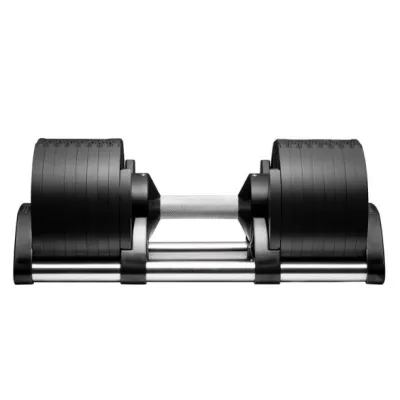
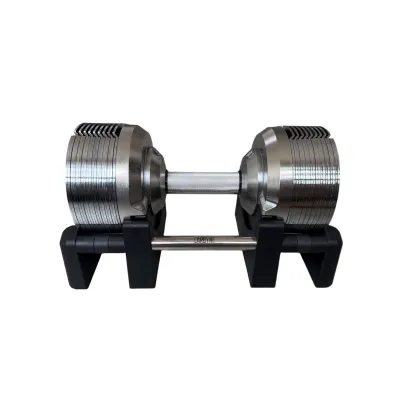
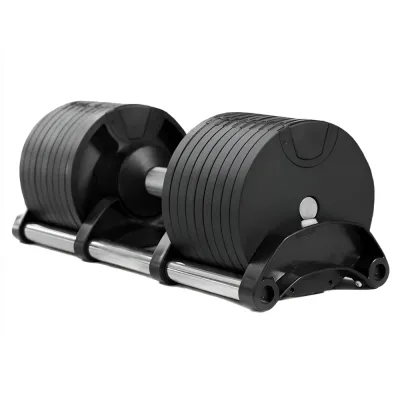
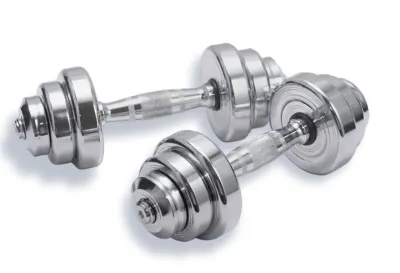
Prices are valid at publication and may change. Please refer to the product page for the latest price.
Pin-lock systems, by contrast, use a simpler, more traditional selector rod design that mirrors the weight stacks found on commercial gym machines. A central rod runs through the middle of the weight plates, and each plate features a horizontal channel or slot. To select a weight, you slide a physical pin—often U-shaped, magnetic, or spring-loaded—into the side of the desired plate stack, securing those plates directly to the handle. This mechanism relies on physical shear strength and gravity rather than complex internal gears.
Securing the weight before lifting requires distinct physical feedback and visual verification for each type. Dial systems typically feature a loud, tactile click and clear weight indicators in a small window to confirm the plates are locked. If the dial is not fully turned to a specific weight setting, safety interlocks usually prevent the dumbbell from being lifted out of the cradle. Pin-lock systems require you to visually verify that the pin is fully inserted and flush against the plates. Many pin-lock designs incorporate a magnetic backing or a secondary locking tab to prevent the pin from sliding out during overhead movements.
Speed and Workflow During Workouts
When it comes to workout efficiency, the speed of weight transitions can make or break your training flow. Dial-based dumbbells excel at rapid adjustments, allowing you to change weights in a single, fluid motion. With a simple twist of the wrist, you can transition from a heavy set of chest presses to a lighter set of lateral raises in a matter of seconds. This makes dial systems highly effective for fast-paced training styles, such as drop sets, supersets, or high-intensity interval training (HIIT), where rest periods are strictly timed.

Pin-lock systems generally require a more deliberate, multi-step adjustment process. You must align the pin with the correct slot, push it in completely, and sometimes repeat the process on both ends of the dumbbell depending on the specific brand design. While modern pin-lock designs have streamlined this process with color-coded plates and ergonomic pins, it remains slightly slower than the single-motion twist of a dial system. If your training routine involves rapid-fire circuits where every second of rest counts, the extra steps required to align and insert a pin can disrupt your momentum.
The physical location of the adjustment also impacts your workflow. Dial dumbbells almost universally require you to return the handle to its dedicated cradle to change the weight, as the cradle aligns the plates and releases the internal lock. If you prefer to adjust your weights while the dumbbell rests on a flat bench, a standard rack, or even the floor, a dial system will not allow it. Some pin-lock systems offer slightly more flexibility, allowing you to adjust the weight while the dumbbell rests on any flat surface, provided the plates are aligned.
Durability, Maintenance, and Handling
Durability is a primary differentiator between these two mechanisms, especially for home lifters who train on hard surfaces like concrete or wood. Dial adjustable dumbbells contain numerous moving parts, often made of high-strength plastics, nylon, or light alloys. Because of these delicate internal gears, dropping a dial dumbbell—even from a low height—can misalign the selector teeth or crack the internal housing, rendering the entire unit unusable. Manufacturers of dial systems strictly warn against dropping the weights and mandate using the provided cradles for all adjustments.
Pin-lock systems are inherently more resilient due to their simpler, more robust construction. The heavy-duty metal pins and solid steel or iron plates can withstand the occasional accidental bump or rough placement on the floor. While you should still avoid dropping any adjustable dumbbell to protect your flooring and the equipment, pin-lock designs offer a much higher tolerance for rugged, high-impact training environments. This makes them a preferred choice for lifters who train to failure and need the peace of mind that a slightly heavy landing will not break their equipment.
Maintenance requirements also vary based on the mechanical complexity of each system. Dial systems require regular inspection of the cradle to ensure no dust, chalk, or debris interferes with the alignment slots, as even small particles can prevent the gears from engaging smoothly. Pin-lock systems require checking the selector pin for straightness and verifying that any magnetic elements or spring-loaded retention clips remain functional. Periodically checking the alignment of the selector rod and ensuring the plates remain free of rust will keep both systems operating smoothly over time.
Space, Ergonomics, and Weight Increments
The physical footprint of your adjustable dumbbells is a key consideration for compact home gyms. Dial dumbbells often require a larger, dedicated cradle that must sit on a flat, stable surface or a specialized stand. This cradle takes up a fixed amount of floor or shelf space, regardless of whether you are using the full weight stack or just the handles. Pin-lock systems, depending on the brand, can sometimes feature a more compact footprint, though they still require a stable base or stand to keep the unused plates organized and prevent them from tipping over.
Ergonomics play a major role in how natural the dumbbells feel during complex movements. Many dial dumbbells maintain a fixed overall length regardless of the weight selected, as the outer frame remains constant to hold the plates. This can make the dumbbell feel bulky and awkward during close-body movements like goblet squats, bicep curls, or overhead extensions at lighter weights. Pin-lock systems often grow shorter as you select lighter weights, providing a more natural, traditional dumbbell feel and reducing physical interference during two-handed exercises.
Before purchasing, you must verify the weight increment options and maximum load limits. Dial dumbbells often offer smaller, highly precise weight increments, which are ideal for progressive overload on smaller muscle groups like the shoulders and arms. Pin-lock systems sometimes feature larger jumps between plates, though some models allow for micro-loading using small add-on weights that slide onto the handle. Always check the manufacturer’s specifications to ensure the maximum weight limit and expansion options align with your long-term strength goals.
Decision Framework: Which Adjustable Dumbbell Should You Choose?
To make the right choice, you must evaluate your specific training style, space constraints, and handling habits. A dial adjustable dumbbell is the ideal choice if your workouts rely heavily on rapid transitions, supersets, and precise progressive overload. If you have a dedicated, clean workout area where you can guarantee the dumbbells will never be dropped, the speed and convenience of a dial system will greatly enhance your training flow. This mechanism is particularly suited for bodybuilders and fitness enthusiasts who focus on high-volume, isolation movements.
Conversely, a pin-lock adjustable dumbbell is the superior option if you prioritize durability, a traditional dumbbell feel, and rugged reliability. If your training style involves explosive movements, heavy lifts where you might occasionally set the weights down heavily, or if you prefer a dumbbell that shortens at lighter weights, the robust construction of a pin-lock system is well worth the slightly slower adjustment times. This design is highly favored by powerlifters, functional fitness athletes, and those training in garage gyms where equipment is subjected to harsher conditions.
Before finalizing your decision, perform a few essential checks on your training environment. Verify that your existing storage rack or floor space can safely accommodate the specific cradle dimensions of your chosen model. Check the manufacturer’s warranty terms to ensure it covers your intended usage, especially if you plan to use the weights in an unconditioned space with high humidity. Finally, confirm that the system’s maximum weight capacity and available expansion kits will support your strength progression for years to come.
Frequently Asked Questions (FAQ)
Can you drop dial adjustable dumbbells on the floor?
No, you should never drop dial adjustable dumbbells on the floor. The internal mechanism relies on precise plastic or light metal gears and sliding blocks that can easily crack, bend, or misalign under sudden impact. Dropping them can permanently jam the adjustment dial or cause plates to slip out during a lift, creating a serious safety hazard. Always place them gently back into their designated cradles after completing a set.
Do pin-lock dumbbells rattle during exercises?
Some pin-lock dumbbells may produce a slight rattling sound during explosive movements. This noise is typically caused by the mechanical tolerances between the selector pin, the central rod, and the individual weight plates. To minimize rattling, ensure the selector pin is fully inserted and flush against the plate stack, and check that the plates are properly aligned in their tray before lifting. If the rattling persists, consult the user manual for approved lubrication or tightening procedures.

Community discussion
Share your experience or ask a question. Comments are reviewed before publication.