
Choosing between dial-adjust and pin-select adjustable dumbbells is a pivotal decision for anyone setting up a home fitness space. There is no single mechanism that suits every lifter; instead, the ideal choice depends on your training style, available space, and how you prefer to progress your strength. Dial-adjust systems excel at rapid weight transitions and offer highly granular micro-loading, making them ideal for fast-paced workouts. Pin-select systems, on the other hand, provide a robust, traditional feel that appeals to lifters who prioritize mechanical simplicity and perform standard straight sets.
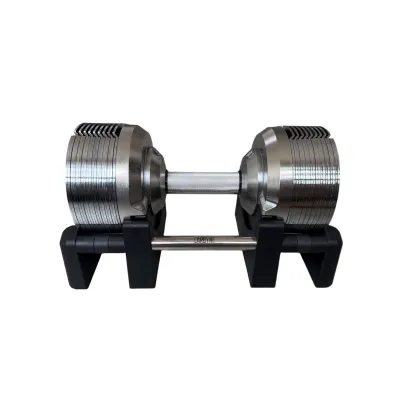
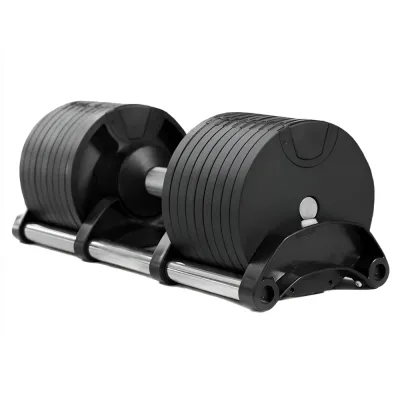
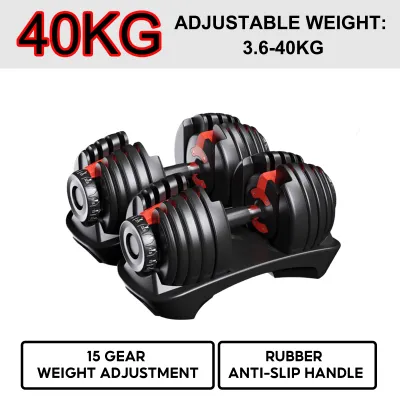
To understand how these systems differ, it helps to look at their internal mechanics. Dial-adjust dumbbells utilize an internal gear shaft that rotates when you turn a dial on the side of the bell or twist the handle itself. This rotation engages or disengages specific weight plates, leaving the unselected plates behind in the storage tray when you lift the handle. Pin-select systems operate on a simpler, more linear principle. They typically feature a U-shaped magnetic pin or a sliding selector key that you insert directly into the side of the weight stack to lock the desired number of plates to the handle. Both systems rely on absolute precision, meaning the dumbbell must be fully and correctly seated in its cradle for the locking mechanism to engage safely.
Key Comparison Dimensions for Home Workouts
While both systems successfully replace a full rack of traditional dumbbells, they offer vastly different user experiences during a workout. Evaluating how each mechanism performs under the pressure of a training session will help you choose the system that matches your fitness goals. The primary factors to consider are adjustment speed, weight increments, and long-term durability.
Products mentioned in this guide

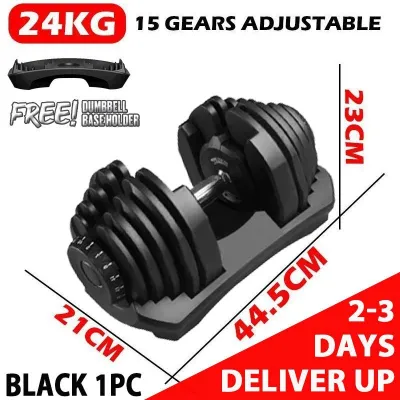
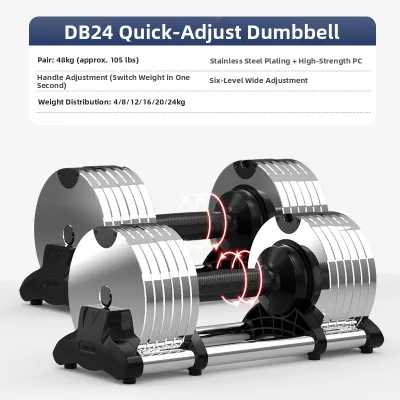
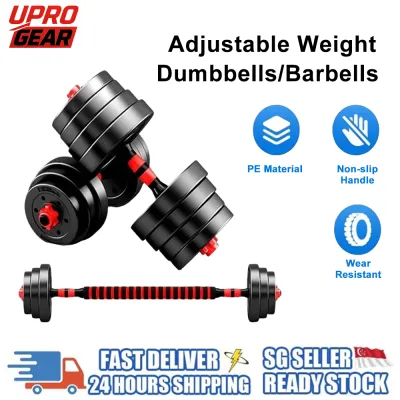
Prices are valid at publication and may change. Please refer to the product page for the latest price.
Adjustment Speed and Workflow
In a home gym, the flow of your workout can directly impact your training consistency and intensity. If your routine includes supersets, drop sets, or fast-paced circuit training, the speed at which you can change weights is critical. Dial-adjust systems are the clear leaders in this category. With a simple twist of the wrist, you can adjust the weight of both sides of the dumbbell simultaneously, often in under five seconds. This seamless transition keeps your heart rate up and prevents long, momentum-killing pauses between exercises.
Pin-select systems require a more deliberate, manual process that can slightly slow down your training momentum. To change the weight, you must locate the correct slot, ensure the pin is fully and securely inserted on both sides of the dumbbell, and then repeat the process for the second dumbbell. While this process only takes an extra ten to fifteen seconds, it can feel tedious during high-intensity workouts where rest times are strictly timed. Before purchasing, it is wise to check the manufacturer’s specifications to understand the exact sequence and physical effort required to change weights.
Weight Increments and Progression
Progressive overload is the foundation of strength development, but progressing in weight is rarely a linear process, especially for smaller muscle groups. Dial-adjust dumbbells frequently offer superior micro-loading capabilities, allowing you to make small, incremental weight jumps of 1 kg or 2 kg. This granular control is incredibly valuable for isolation exercises like lateral raises, bicep curls, or rotator cuff rehabilitation, where a large weight jump could compromise your form or cause injury.
Pin-select dumbbells, particularly older or more basic designs, often feature larger weight jumps, sometimes up to 4 kg or 5 kg per step. While these larger increments are perfectly fine for heavy compound movements like squats, deadlifts, or chest presses, they can stall your progress on smaller lifts. Some premium pin-select models attempt to solve this by offering small add-on weights that you can manually insert into the handle, but this adds an extra step to your workflow. Always verify the maximum weight capacity and the specific increment steps on the product label to ensure they align with your long-term strength goals.
Durability and Maintenance Requirements
Home gym equipment is a significant financial investment, often ranging from S$300 to over S$900 for a quality pair of adjustable dumbbells. Understanding the wear patterns of each mechanism is essential for protecting this investment. Dial-adjust dumbbells are highly complex machines containing numerous internal gears, selector discs, and spring-loaded pins. Because many of these internal components are made of high-strength plastics or composite materials, they are susceptible to wear over time if the dials are forced or if the dumbbells are treated roughly.
Pin-select systems are generally considered more mechanically robust because they rely on fewer moving parts. They typically utilize heavy-duty steel pins and solid metal or reinforced plastic trays, which tend to tolerate regular wear and tear better than intricate gear systems. However, both mechanisms require regular, proactive maintenance to ensure safe operation. You should routinely check that the selector tracks and plate slots are free of chalk, dust, and sweat, which can cause the mechanism to jam. If you ever experience a grinding noise, feel unusual resistance when turning a dial, or notice that a plate is misaligned, stop using the equipment immediately and consult the manufacturer’s troubleshooting guide.
Space and Storage in Compact Home Gyms
For those living in compact apartments or HDB flats, space optimization is a major consideration when planning a home gym. A full set of traditional dumbbells can easily take up an entire wall, whereas adjustable dumbbells consolidate this footprint into a single pair. However, the storage bases for dial-adjust and pin-select systems have different spatial requirements. Dial-adjust systems typically feature a compact, square or slightly rectangular cradle that holds the plates in a tight, vertical stack, making them highly space-efficient and easy to tuck away under a bed or in the corner of a room.

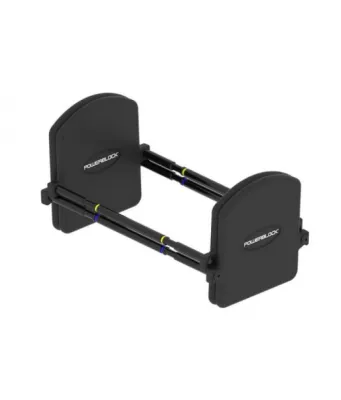
Pin-select systems, especially those with a block-style design, can have a longer, more linear footprint. Some models require additional lateral clearance to slide the selector pins in and out, meaning you cannot store them flush against a wall or inside a tight shelving unit. Regardless of the mechanism you choose, the storage base must always rest on a completely flat, stable surface. If the floor is uneven, the base can flex slightly, causing the plates to misalign and jamming the adjustment mechanism.
Furthermore, given the tropical, humid climate in Singapore, storing your equipment in damp areas like balconies or service yards is highly discouraged. High humidity can accelerate the corrosion of internal metal pins, springs, and plates, leading to mechanical failure. Keep your adjustable dumbbells in a well-ventilated, dry room to ensure the internal components remain rust-free and fully functional.
Decision Framework: Choosing Your Adjustable Dumbbell
To finalize your decision, it helps to evaluate your training habits and home environment against a clear set of conditions. Choosing the right mechanism will ensure your equipment supports, rather than hinders, your fitness journey.
Choose Dial-Adjust if:
- You prioritize rapid weight changes for high-intensity interval training (HIIT), supersets, or drop sets.
- You need precise, small weight increments (micro-loading) to safely progress on isolation movements and rehabilitation exercises.
- You have limited floor space and require a compact, square footprint that can be easily tucked away when not in use.
Choose Pin-Select if:
- You prefer a traditional, block-like dumbbell feel and perform standard straight sets where mid-set weight adjustments are rare.
- You want a simpler mechanical design with fewer moving parts, reducing the likelihood of internal gear wear over years of heavy lifting.
- You have linear shelf or floor space that can accommodate a slightly longer storage tray and the lateral clearance needed to insert selector pins.
Verify First if:
- You are unsure about the maximum weight capacity you will need for your long-term strength goals, as some systems cannot be upgraded with additional plates later.
- Your designated workout floor is uneven, as you will need to place a rigid board or mat underneath the cradle to keep the alignment perfectly flat.
Safety Checks and Handling Limits
Adjustable dumbbells are precision-engineered mechanical devices, not solid blocks of iron, and they must be handled with care. Dropping them is the single most common cause of catastrophic failure. The impact force of a drop can easily shatter internal plastic gears, bend metal selector pins, or misalign the locking plates. This not only ruins your investment but also poses a severe safety hazard, as a damaged locking mechanism could cause a heavy plate to slide off mid-exercise, potentially landing on your face, chest, or feet.
Always perform a quick visual and physical check before lifting the dumbbells out of their cradle. Ensure the dials are fully clicked into their designated weight markings or that the selector pins are completely inserted and flush against the weight stack. Never attempt to adjust the weight while the dumbbell is in the air, resting on your lap, or placed on a workout bench. Adjustments must only be made when the dumbbell is fully and securely seated in its designated cradle, ensuring the internal safety locks are properly disengaged before you select a new weight.
Frequently Asked Questions (FAQ)
Can You Drop Adjustable Dumbbells on the Floor?
No, dropping adjustable dumbbells is strictly prohibited, regardless of whether they use a dial-adjust or pin-select mechanism. The internal trays, gears, selector discs, and locking pins are not designed for shock absorption and can fail catastrophically upon impact. Even a short drop onto a carpeted floor can bend the selector pins or crack the internal gear housing, rendering the dumbbells unusable and unsafe. To protect both your equipment and your flooring, always use controlled lowering techniques at the end of a set, and place a thick rubber gym mat (at least 15mm thick) underneath your workout area to absorb minor accidental bumps.
Do Adjustable Dumbbells Require a Specific Rack?
Yes, the manufacturer-provided base or cradle is an active component of the adjustment mechanism, not just a storage tray. You must never attempt to change the weight dial or pin while the dumbbell is resting on a standard bench, the floor, or an incompatible surface, as this can damage the locking pins and prevent the plates from aligning correctly. While you do not necessarily need a dedicated metal stand, the plastic cradles themselves must rest on a flat, stable surface. If you choose to purchase a third-party dumbbell rack, you must verify that its dimensions and weight capacity are fully compatible with your specific dumbbell bases so they remain level and secure during adjustments.
Community discussion
Share your experience or ask a question. Comments are reviewed before publication.