
Choosing the right bicycle often feels like navigating a series of compromises. If you want a single bike that handles daily commutes, weekend fitness rides, and casual cruises along park connectors, a hybrid bicycle is designed to bridge those gaps. It combines the speed of a road bike with the rugged stability of a mountain bike, offering a practical solution for urban riders who value versatility over specialized performance.
To determine if a hybrid is the right fit for your lifestyle, you need to evaluate where you ride, how far you travel, and your personal comfort preferences. This self-assessment will help you weigh the trade-offs of different bicycle designs so you can make an informed choice for your cycling journey.
What Actually Makes a Bicycle "Hybrid"?
A hybrid bicycle is engineered to sit directly between a dedicated road bike and a traditional mountain bike. The most defining feature of a hybrid is its flat handlebars, which allow you to sit in an upright riding position. This posture significantly improves your visibility in traffic and reduces strain on your lower back, neck, and shoulders compared to the bent-over position required by drop-bar road bikes.
Products mentioned in this guide
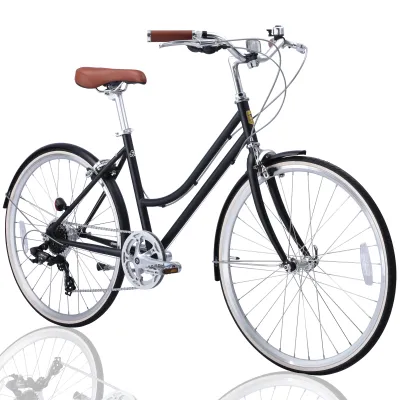
Prices are valid at publication and may change. Please refer to the product page for the latest price.
Another key characteristic is the tire width. Hybrid tires are typically medium-width, usually ranging between 32mm and 40mm. This width provides a balanced middle ground, offering enough rolling efficiency to maintain speed on paved roads while retaining enough air volume to cushion your ride over bumps and cracks.
Unlike mountain bikes, hybrids generally lack heavy rear suspension systems, and many models feature rigid front forks to keep the overall weight low. This design choice ensures that your pedaling energy is transferred directly to the road rather than being absorbed by bouncy shocks, making your rides much more efficient on flat, paved surfaces.
Map Your Riding Terrain and Daily Routes
Your typical riding environment is the most critical factor when choosing a bicycle. In Singapore, the extensive Park Connector Network (PCN) and shared paths offer a mix of smooth asphalt, concrete tiles, and occasional wooden boardwalks. A hybrid bicycle is highly suited for these varied urban surfaces, providing a smooth and predictable ride.

Urban commuting also requires navigating real-world obstacles such as drain grates, curb transitions, and wet pavement during sudden tropical downpours. The wider tires of a hybrid offer a larger contact patch with the ground, which translates to better grip and stability when cornering or braking on slippery surfaces compared to narrow road tires.
If you plan to use your bike for practical daily tasks, frame utility is another major consideration. Most hybrid frames are equipped with built-in mounting points, also known as eyelets, on the frame and forks. These allow you to easily install rear cargo racks, front baskets, and full-coverage mudguards to protect your clothing from road spray during wet weather.
Define Your Distance and Comfort Priorities
Your physical comfort and the average duration of your rides should heavily influence your bicycle choice. For short to medium commutes, typically under 15 to 20 kilometers, comfort and ease of handling are usually the top priorities. The upright geometry of a hybrid bike keeps your head up, making it easier to scan your surroundings, check for traffic, and maintain a relaxed riding pace.
However, if your goals involve long-distance endurance rides spanning 50 kilometers or more, the upright position can eventually become a disadvantage. Sitting upright places more of your body weight directly on the saddle, which can lead to discomfort over several hours. Additionally, flat handlebars offer only one hand position, which can cause wrist fatigue on long journeys.
Your fitness objectives also dictate the type of frame and gearing you need. Hybrid bikes feature a wide range of gears, making it easy to find a comfortable pedaling resistance whether you are climbing a gentle park overpass or riding against a strong headwind. While they are heavier than dedicated road bikes, they offer a highly accessible platform for building cardiovascular fitness without the physical strain of an aggressive riding posture.
Hybrid vs. Road vs. Mountain: Finding Your Match
To finalize your decision, it helps to compare the hybrid directly against its specialized counterparts to see where your priorities lie.
A road bike is the clear choice if your primary goal is pure speed, long-distance road riding, or participating in fast-paced group rides. Road bikes feature lightweight frames, narrow tires, and drop handlebars that tuck your body into an aerodynamic position. However, they offer less stability on wet or uneven surfaces and generally lack the mounting points needed for heavy racks and fenders.
A mountain bike is essential if you plan to ride on technical dirt trails, rocky terrain, or muddy paths like those found in specialized mountain bike parks. They feature wide, knobby tires and robust suspension systems designed to absorb heavy impacts. On paved paths, however, their weight and rolling resistance make them slow and tiring to pedal.
The hybrid bike wins when your riding is diverse and practical. It offers the perfect balance for everyday commuting, casual fitness, and navigating mixed urban traffic where visibility, quick braking, and maneuverability are critical.
The Final Checklist: Is a Hybrid Bicycle Right for You?
To help you make your final decision, review these diagnostic conditions to see which category best describes your riding goals.
Choose a hybrid bicycle if:
- Your routes consist primarily of paved roads, PCNs, and light gravel paths.
- You prioritize comfort, visibility, and an upright riding posture over maximum speed.
- You need a versatile bike that can carry racks, panniers, or mudguards for daily utility.
- You want a straightforward, low-maintenance bike for casual fitness and family rides.
Look elsewhere if:
- You want to join fast-paced road cycling groups or ride long distances competitively.
- You plan to tackle technical off-road trails with rocks, roots, and steep drops.
- You have extremely limited storage space and need a bike for short multi-modal commutes involving trains and buses, in which case a folding bike may be more suitable.
Once you have decided on a hybrid, your next step should be visiting a local bicycle shop to test ride different frame sizes. Ensure you check the reach and standover height to find a comfortable fit that matches your body proportions, and verify that the brake levers are easy to reach and operate comfortably.
Frequently Asked Questions (FAQ)
Can I use a hybrid bicycle for long-distance touring?
Yes, many hybrid bicycles are highly capable of long-distance touring, provided they are equipped with the necessary mounting points for cargo racks. Their upright geometry keeps you comfortable over hours of riding, and their wider tires handle varying road qualities well. However, for multi-day expeditions with heavy loads, you may want to look at dedicated touring bikes which feature reinforced frames and specialized gearing for climbing steep hills while fully loaded.
Do I need front suspension for riding on Singapore paths?
For the vast majority of paved paths and PCNs in Singapore, a front suspension fork is unnecessary. Suspension forks add significant weight to the bike and require regular maintenance to keep them functioning smoothly. Instead, a rigid fork paired with medium-width tires run at the correct air pressure will provide more than enough shock absorption for minor bumps and pavement cracks while keeping the bike light and efficient.

Community discussion
Share your experience or ask a question. Comments are reviewed before publication.