
Walking into a gym in Singapore, you will likely see lifters equipped with an array of gear, from padded gloves and thick leather belts to heavy-duty wrist straps. It is easy to assume that these other fitness accessories are mandatory milestones for anyone looking to progress. However, the reality is that supportive gear is not a prerequisite for building strength or muscle. Instead, these tools serve as highly specific solutions to distinct physical bottlenecks. Deciding whether to add them to your gym bag depends entirely on your current training limitations, comfort preferences, and long-term performance goals.
Before purchasing any new equipment, it is essential to evaluate your routine objectively. For many gym-goers, training bare-handed and without external support allows the body to adapt naturally to the demands of resistance training. For others, a specific accessory can mean the difference between a highly productive workout and a session cut short by grip fatigue or skin discomfort. By understanding the precise function of each tool, you can make an informed decision that aligns with your physical needs rather than gym trends.
Assessing Your Current Training Limitations and Goals
To determine which accessories are worth your investment, start by diagnosing what exactly limits your performance during a set. For example, during pulling movements like deadlifts, pull-ups, or heavy rows, do your target muscles—such as your upper back or hamstrings—feel fully stimulated, or does the barbell slip from your hands first? If your hands give out before your target muscles are fatigued, you are experiencing a grip bottleneck rather than a muscular limitation. This distinction is crucial because continuing to train with a failing grip can compromise your form and limit your overall strength development.
Products mentioned in this guide
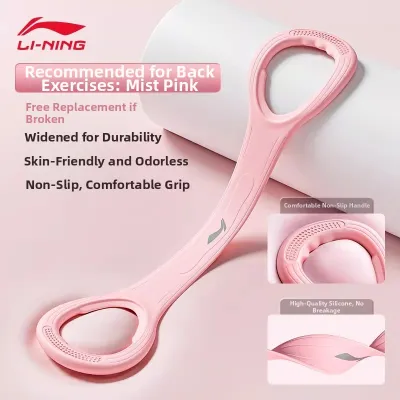
Prices are valid at publication and may change. Please refer to the product page for the latest price.
Next, evaluate the physical condition of your hands. Heavy knurled barbells can cause calluses, blisters, or even painful skin tears, especially in humid training environments where friction is high. While some lifters view calluses as a badge of honor, painful skin damage can prevent you from holding a bar securely, disrupting your training consistency. Additionally, consider your lower back comfort and core stability during heavy compound movements like squats and overhead presses. If you struggle to maintain a rigid torso or feel a lack of stability under load, you must determine whether this stems from a temporary technique error, a programming gap, or a genuine need for external bracing support.
Lifting Gloves: When to Use Them and When to Skip
Lifting gloves are primarily designed to act as a protective barrier between your skin and the metal knurling of gym equipment. For individuals who want to prevent calluses, protect sensitive skin, or maintain smooth hands for professional or personal reasons, gloves offer a straightforward solution. They can also provide a more secure hold if you train in non-air-conditioned spaces where sweat makes metal surfaces slippery. However, wearing gloves introduces a physical barrier that increases the effective diameter of the bar, which can actually make it harder to wrap your fingers completely around the steel and potentially strain your grip.

Furthermore, gloves reduce tactile feedback, which is the sensory information your hands receive from the barbell to help you adjust your hand placement and bar path. If you decide that hand protection is your priority, look for gloves with breathable materials to manage moisture, and check the product labels for a secure fit that does not bunch up in your palm. If your primary issue is sweat rather than skin sensitivity, alternative grip aids like standard gym chalk or liquid chalk are often preferable. Chalk absorbs moisture effectively while preserving direct contact with the bar, allowing your hands to adapt and build natural resilience over time.
Weightlifting Belts: Core Support and Safety Conditions
A weightlifting belt is not a passive brace designed to hold your back in place; rather, it is a rigid wall for your core muscles to push against. When you perform heavy compound lifts, you breathe deeply into your abdomen and brace your core—a process that creates intra-abdominal pressure to stabilize your spine. A belt provides an external boundary that increases this pressure, offering enhanced torso rigidity during near-maximal efforts. This mechanism is highly beneficial for heavy squats, deadlifts, and overhead presses, but it is generally unnecessary for machine-based exercises, seated movements, or lighter warm-up sets where your natural bracing capacity is entirely sufficient.
When selecting a belt, review the manufacturer’s sizing guides carefully, as a proper fit requires measuring around your navel where the belt will actually sit, rather than your standard pant waistline. Pay attention to material stiffness; thick, rigid leather belts offer maximum support for heavy powerlifting, while flexible nylon belts with hook-and-loop fasteners allow for greater mobility in functional fitness routines. It is vital to prioritize natural core strengthening by performing your warm-up sets and lighter volume work without a belt. Relying on a belt too early in your training progression can prevent you from learning how to brace your core naturally, so save the belt for your heaviest working sets.
Lifting Straps: Overcoming Grip Fatigue for Pulling Movements
Lifting straps are simple lengths of fabric or leather that wrap around your wrists and the barbell, mechanically locking your hands to the weight. This accessory is specifically engineered to bypass grip limitations entirely, allowing you to train your back, traps, and hamstrings to complete failure without worrying about your hands slipping. If you find that your grip consistently fails during high-volume Romanian deadlifts or heavy dumbbell rows, lifting straps can help you maximize muscle hypertrophy by ensuring the target muscle group receives the full training stimulus.
When shopping for other fitness accessories like straps, you will encounter several designs, including traditional lasso straps, loop-through lifting straps, and figure-8 designs. Lasso straps are highly versatile and easy to adjust, while figure-8 straps offer an exceptionally secure lock that is ideal for heavy deadlifts but harder to release quickly. For safety, choose a design that allows you to let go of the bar instantly if you lose your balance or need to abort a lift. Always inspect the material condition and stitching integrity of your straps before every workout, as worn-out fabric or frayed seams can fail suddenly under heavy loads, posing a safety risk. To prevent long-term grip imbalances, balance your strap usage by performing your warm-up sets bare-handed and incorporating dedicated grip-strengthening exercises into your weekly routine.
Building Your Personalized Accessory Strategy
Building an effective accessory strategy requires prioritizing tools that solve your immediate, verified training bottlenecks rather than buying gear simply because it is popular. Start by reviewing your training logs to identify where your performance consistently stalls. If your back exercises are limited by hand fatigue, invest in lifting straps first; if your hands are blistered and painful, consider a pair of well-fitted gloves; if you are safely progressing to heavy compound lifts and need extra bracing feedback, look into a quality belt.
Before making a purchase, read the manufacturer’s care instructions and warranty terms to ensure the gear can withstand regular use and sweat. Once you acquire a new accessory, plan a phased integration into your routine rather than using it for every single exercise. This gradual approach allows you to monitor the actual impact of the gear on your performance, comfort, and form. By treating these other fitness accessories as targeted solutions rather than permanent crutches, you can maintain a balanced approach to strength development while protecting your body and maximizing your gym sessions.
Frequently Asked Questions (FAQ)
Can I use lifting straps for pushing exercises like the bench press?
Lifting straps are designed exclusively for pulling movements and should not be used for pushing exercises like the bench press or overhead press. The wrapping mechanism of straps relies on tension pulled toward your body to secure the weight, which does not function when you are pushing a bar away. Using straps during a press can restrict your wrist movement, alter your grip mechanics, or even trap your hands under the bar if you need to dump the weight in an emergency. For pressing movements, rely on bare-handed grip techniques or use dedicated wrist wraps if you require extra joint stability.
Will wearing a weightlifting belt weaken my core muscles over time?
Wearing a weightlifting belt will not weaken your core muscles if it is used correctly. Proper belt usage actually requires you to actively contract and brace your abdominal muscles against the belt, which maintains a high level of muscle activation. However, relying on a belt for every exercise, including light warm-ups or machine movements, can lead to a lack of development in your natural bracing ability. To maintain a strong, functional core, perform your warm-up sets and accessory exercises without a belt, and consider consulting a qualified fitness professional to design a balanced training program.
Community discussion
Share your experience or ask a question. Comments are reviewed before publication.