
Choosing a bicycle depends on where you ride, how far you go, and your comfort preferences. A hybrid bicycle bridges the gap between a fast road bike and a rugged mountain bike, making it a highly versatile option for everyday riders. If your typical route involves a mix of paved park connectors, smooth roads, and occasional gravel paths, a hybrid is often the most practical choice. However, if you prioritize pure speed on tarmac or plan to tackle steep, rocky trails, a specialized road or mountain bike will serve you better.
Assess Your Typical Riding Terrain and Distance
Before purchasing any bicycle, you must evaluate the surfaces you will encounter most frequently. In Singapore, urban cyclists often navigate a diverse mix of infrastructure, including the well-paved Park Connector Network (PCN), concrete sidewalks, and busy public roads. If your daily route consists primarily of these flat, paved surfaces with occasional transitions onto light gravel or damp park paths, your equipment needs to balance rolling efficiency with stability.
Your typical ride distance and frequency also play a critical role in this decision. For short to medium commutes—such as a five-to-ten-kilometer ride to work or a casual evening spin—comfort and ease of handling are usually more important than aerodynamic efficiency. However, if you plan to cover longer distances of thirty kilometers or more in a single session, the energy required to push a heavier, less aerodynamic bicycle can lead to premature fatigue.
Products mentioned in this guide
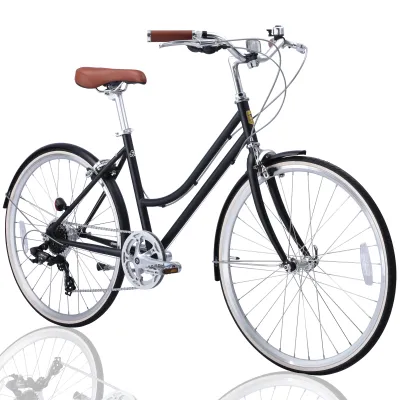
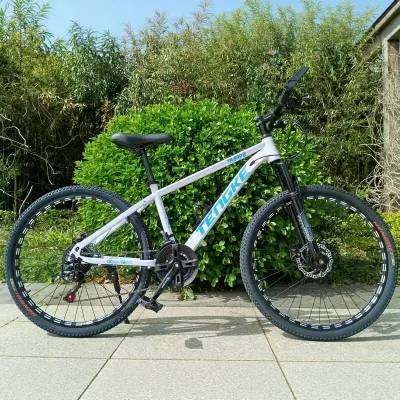
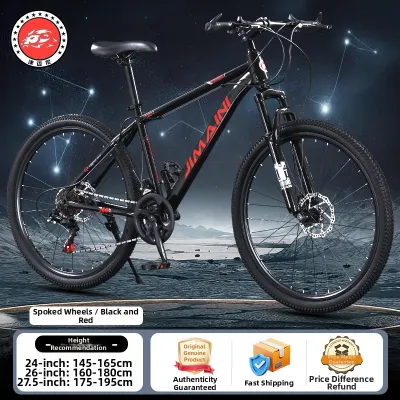
1 Lazada user ratings
delivered time takes a while. packed in a big box. buying as spare. discounted price, hope it is ok n can last.
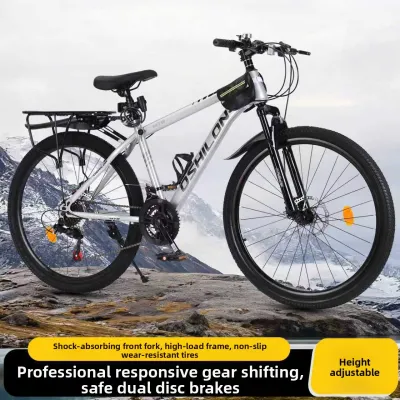
Prices are valid at publication and may change. Please refer to the product page for the latest price.
Additionally, navigating urban traffic requires high visibility, defensive riding habits, and reliable braking. While a bicycle’s design can assist you, equipment cannot replace personal training, road awareness, and judgment. When riding on shared paths or public roads, you must always assess your own skill level and local traffic conditions, ensuring you are comfortable managing your speed and stopping safely in wet weather.
Comparing Bicycle Categories: Hybrid, Road, and Mountain
To understand which bicycle fits your lifestyle, it is helpful to compare the core design characteristics of hybrids, road bikes, and mountain bikes. These differences lie primarily in frame geometry, tire width, and riding posture, which directly affect how the bicycle handles on various surfaces.

A hybrid bicycle typically features a flat handlebar and a frame geometry that places the rider in an upright position. This posture reduces strain on your lower back and neck while offering an excellent field of view in traffic. Hybrid tires are moderately wide, usually ranging from 32mm to 40mm, providing a balanced combination of low rolling resistance on pavement and sufficient grip on loose gravel or wet surfaces.
In contrast, a road bike is engineered for speed and aerodynamic efficiency on smooth tarmac. It features drop handlebars that encourage a tucked, forward-leaning posture, and narrow tires (typically 25mm to 28mm) inflated to high pressures to minimize friction. While highly efficient over long distances, this aggressive riding position can feel intimidating for beginners and offers less stability on uneven ground.
A mountain bike is built for durability and traction on rugged, off-road terrain. It features a robust frame, wide knobby tires (often 2.0 inches or wider) designed to grip dirt and mud, and front or full suspension systems to absorb heavy impacts. On paved roads, however, the wide tires and heavy suspension create significant rolling resistance and weight, making mountain bikes feel sluggish and inefficient for daily commuting.
When a Hybrid Bicycle Excels
A hybrid bicycle is at its best when used for mixed-surface commuting, casual fitness riding, and utility trips. If your routine involves riding to the grocery store, commuting to the office, and taking weekend leisure rides through local parks, the hybrid offers the practical versatility you need. It handles transitions from smooth asphalt to brick paving and hard-packed dirt without losing traction or causing discomfort.
The upright riding position of a hybrid is particularly advantageous in urban environments. By keeping your head elevated, it allows you to maintain better peripheral vision and spot potential hazards, pedestrians, or vehicles early. This posture also makes it easier to look over your shoulder to check for traffic before turning or changing lanes.
Furthermore, hybrid bicycles are highly adaptable. Most models come equipped with integrated mounting points on the frame, allowing you to easily install rear racks, panniers, mudguards, and bottle cages. This makes them excellent utility vehicles for carrying groceries, laptop bags, or a change of clothes without needing to wear a heavy backpack.
When to Choose a Road or Mountain Bike Instead
While hybrids are highly versatile, they are compromise vehicles that may not satisfy riders with highly specific performance goals. If your primary objective is to join fast-paced group road rides, participate in amateur races, or cover long distances on smooth pavement as quickly as possible, a dedicated road bike is a highly efficient tool. The aerodynamic posture and lightweight frame of a road bike allow you to sustain higher speeds with less physical effort.
On the other hand, if your interest lies in exploring technical dirt trails, navigating tree roots, descending steep rocky slopes, or riding through deep mud, a hybrid bicycle will quickly reach its limits. Hybrid frames and wheels are not designed to withstand the high-impact forces of off-road trail riding, and their narrower tires lack the necessary grip for loose soil. In these environments, a mountain bike with dedicated suspension and high-traction tires is essential for both control and safety.
Self-Diagnosis Checklist: Is a Hybrid Bicycle Right for You?
To help narrow down your choice, use the following self-diagnosis criteria to match your riding habits with the correct bicycle category.
You should choose a hybrid bicycle if:
- Your typical rides consist of a mix of paved roads, park connectors, and flat, unpaved paths.
- You prioritize comfort, visibility, and an upright riding posture over maximum speed.
- You need a practical bike for daily commuting, running errands, or carrying cargo.
- You prefer flat handlebars and straightforward, intuitive gear shifting and braking controls.
You should reconsider and look at road bikes if:
- You plan to ride almost exclusively on smooth tarmac or dedicated cycling tracks.
- Your primary goal is high-speed fitness riding, long-distance endurance training, or joining road cycling clubs.
- You are comfortable with a forward-leaning, aerodynamic riding position that requires core strength.
- You want to maximize the distance covered per unit of physical effort.
You should reconsider and look at mountain bikes if:
- You intend to ride frequently on dedicated mountain biking trails, dirt tracks, or rocky terrain.
- You require significant shock absorption to handle drops, roots, and steep off-road descents safely.
- You prioritize tire grip and frame durability over weight and rolling efficiency on pavement.
If you currently own a bicycle, evaluate its shortcomings to guide your next step. If your current mountain bike feels heavy and slow on your daily commute, transitioning to a hybrid will offer a noticeable boost in speed and efficiency. Conversely, if your current road bike feels unstable on damp park paths or causes discomfort in your neck and back during short trips, a hybrid can provide the stability and comfort you are missing.
Next Steps: Test Riding and Finalizing Your Choice
Once you have identified the category that best matches your needs, the next step is to validate your decision through practical testing. A specification sheet can tell you about a bicycle’s components, but it cannot replicate the actual feel of riding.
When organizing a test ride, pay close attention to three critical factors: handling, braking, and comfort. Ensure that the steering feels responsive but stable, and that you can comfortably reach the brake levers from your natural riding position. Test the brakes on a safe, flat surface to verify their stopping power and responsiveness. The saddle and handlebar height should allow you to pedal smoothly without overextending your knees or straining your back.
Before making a purchase, always check the manufacturer’s sizing charts and geometry specifications. Bicycle sizes are not universal, and a medium frame from one brand may feel significantly different from a medium frame from another. If you plan to carry heavy loads, verify the manufacturer’s specified weight limits for both the frame and any compatible cargo racks.
For the most accurate guidance, consult a reputable local bike shop in Singapore. Professional staff can assess your riding posture, recommend the correct frame size, and make fine adjustments to the saddle height and handlebar angle. A professional fitting ensures that your bicycle is configured safely for your body dimensions, reducing the risk of repetitive strain injuries and maximizing your riding enjoyment.
Frequently Asked Questions (FAQ)
Can I use a hybrid bicycle for long-distance touring?
Yes, hybrid bicycles are highly capable of long-distance touring, especially on routes that combine paved roads and gravel paths. Their upright riding position reduces physical fatigue over long hours in the saddle, and their integrated frame mounts make it easy to attach front and rear racks for carrying panniers and camping gear. However, for extremely long tours spanning weeks or months, you should verify that the wheel strength and gear range are suitable for carrying heavy loads over steep terrain.
Is a hybrid bicycle faster than a mountain bike on paved roads?
Generally, yes. A hybrid bicycle is typically faster and more efficient than a mountain bike on paved roads due to its narrower, smoother tires and lighter overall weight. The reduced tread pattern on hybrid tires minimizes rolling resistance against the pavement, allowing you to maintain speed with less effort. Additionally, because most hybrids lack heavy front or rear suspension systems, more of your pedaling energy is transferred directly into forward motion rather than being absorbed by shock absorbers.
Community discussion
Share your experience or ask a question. Comments are reviewed before publication.