
Deciding whether to wear gym hand gloves comes down to your training goals, skin condition, and how your grip affects your lifts. While some lifters rely on them to prevent painful calluses and improve wrist stability, others find that bare hands offer better tactile feedback and build stronger natural grip strength. By assessing your current routine, physical discomforts, and performance bottlenecks, you can determine if adding gloves to your gym bag will support your progress or hold you back.
Whether you are a beginner stepping into a fitness center or an experienced lifter pushing your personal limits, understanding the relationship between your hands and the barbell is essential. The right decision depends on balancing skin protection, grip security, and joint support. This self-assessment guide will help you weigh the pros and cons of gym hand gloves, explore alternative solutions, and choose the best gear for your training style.
Recognizing the Signs: Do Your Hands and Wrists Need Support?
Heavy pulling movements like deadlifts, rows, and pull-ups subject your palms to intense friction against metal knurling. If you frequently experience painful blisters, deep skin tears, or calluses that catch on clothing, your hands are signaling a need for a protective barrier. While mild calluses are a natural response to weight training, raw tears can force you to skip workouts or compromise your grip form, leading to safety risks.
Products mentioned in this guide

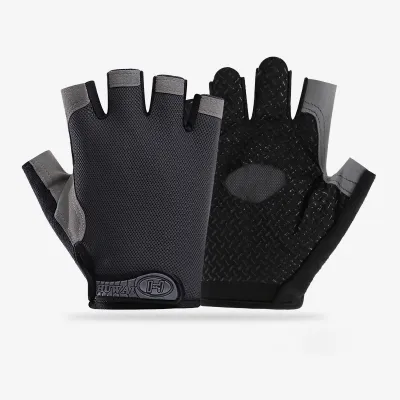
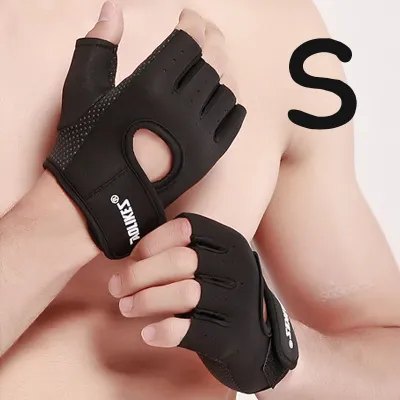
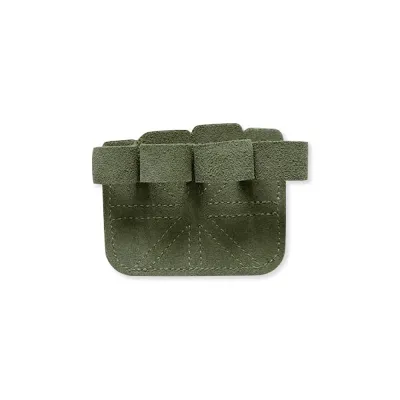
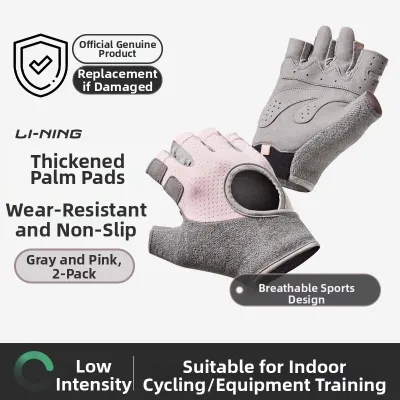

Prices are valid at publication and may change. Please refer to the product page for the latest price.
During high-volume back workouts, you might find your forearms and fingers giving out long before your latissimus dorsi muscles are fully fatigued. If your grip is the limiting factor in your rows or pulldowns, a pair of gym hand gloves with textured palms can help bridge that gap. By increasing friction between your hand and the bar, gloves reduce the muscular effort required to hold the weight, allowing you to focus on targeting the primary muscle groups.
Heavy overhead presses, bench presses, and dumbbell chest exercises place significant extension stress on the wrist joints. If you feel a dull ache or a sensation of instability when holding heavy weights overhead, you may benefit from the added structural support of gloves with integrated wrist wraps. These wraps help keep your wrists in a neutral, stacked position, reducing joint strain during heavy lifts.
However, joint pain should never be ignored. If you experience sharp or persistent pain, check your lifting form and consult a healthcare professional, as gloves are meant for support rather than treating underlying injuries.
When to Skip the Gloves: Scenarios for Bare Hands and Alternatives
For certain lifting disciplines, such as Olympic weightlifting or powerlifting, feeling the knurling of the barbell directly against your skin is crucial for precise control. The thickness of a glove can alter your hand placement and reduce your ability to sense subtle shifts in the bar’s position during explosive movements like cleans or snatches. Many competitive lifters avoid gloves entirely to maintain this direct tactile feedback.

If your primary goal is to develop functional, real-world grip strength, training bare-handed forces your forearm muscles and hand flexors to work harder. Relying on gloves too early in your fitness journey can mask a weak grip, preventing your hands from adapting to heavier loads naturally. Over time, training without gloves builds the tough, resilient skin and hand strength needed for advanced lifting.
In warm or humid climates, sweat can build up inside gloves, leading to slippage. In these settings, liquid or powder gym chalk is often a superior alternative for moisture management, keeping your palms dry without adding bulk. Chalk increases friction naturally while allowing your skin to breathe and adapt to the bar.
For lifters focused purely on overloading pulling movements, lifting straps are often more effective than gloves. Straps mechanically lock your wrists to the bar, completely removing grip strength as a limiting factor, whereas gloves still require active hand squeezing. This makes straps ideal for heavy deadlifts or rack pulls where your back can handle far more weight than your hands can hold.
If your hands are healthy but your grip is failing on heavy deadlifts, straps are the logical choice. If you want general palm protection across a variety of exercises, including dumbbells and cable attachments, gym hand gloves remain the more versatile accessory.
Choosing the Right Gym Hand Gloves for Your Routine
The ideal glove design depends heavily on the equipment you use most. If your routine consists primarily of dumbbell exercises and cable machines, thicker gel or foam padding can cushion your palms against the concentrated pressure of knurled handles. This padding helps distribute the weight evenly across your hand, reducing localized pressure points.
For barbell-focused training, thinner leather or synthetic palms are preferable. Thicker padding increases the effective diameter of the bar, making it harder to wrap your fingers securely around it and potentially straining your grip. A thinner palm material protects your skin from tears while preserving the essential bar feel needed for controlled barbell movements.
Decide whether you need integrated wrist wraps or a minimalist, palm-only design. Gloves with built-in, adjustable wrist wraps feature long straps that wrap tightly around the joint, providing excellent stability for heavy pressing but limiting wrist mobility during other movements. These are highly beneficial for lifters who perform heavy bench presses or overhead lifts regularly.
If you do not experience wrist discomfort and prefer maximum freedom of movement, look for low-profile gloves that end at the base of the hand. These allow your wrists to move naturally through their full range of motion. They are excellent for general fitness routines, circuit training, and high-intensity interval workouts.
A proper fit is critical for both safety and comfort. Gloves that are too tight can restrict blood circulation, while loose gloves will bunch up, creating new friction points that actually accelerate blister formation. When trying on gloves, ensure you can make a tight fist comfortably without the material pinching or pulling excessively.
Look for gloves featuring breathable mesh backings and moisture-wicking linings, especially if you train in humid conditions. Secure hook-and-loop closures allow you to adjust the tightness quickly between sets, ensuring the gloves stay firmly in place during high-intensity workouts.
Maintenance, Hygiene, and Knowing When to Replace
Because gym hand gloves absorb sweat, skin oils, and chalk residue, they can quickly become a breeding ground for bacteria and unpleasant odors. Never leave damp gloves stuffed inside a dark gym bag after a workout; instead, pull them inside out and let them air dry completely in a well-ventilated area. This simple habit extends the lifespan of the materials and keeps your gear fresh.
Refer to the manufacturer’s care label for specific washing instructions. Many synthetic gloves can be hand-washed with mild soap and cold water, then hung to dry, while genuine leather gloves may require specialized leather cleaners to prevent the material from cracking and stiffening over time. Avoid using high heat or tumble dryers, as this can warp the padding and shrink the fabric.
Regularly examine your gloves for signs of structural degradation. Over months of heavy use, the internal padding will compress and lose its cushioning ability, seams may begin to fray, and velcro closures can lose their grip, compromising the safety and stability of the glove. Inspecting these key areas weekly helps you avoid sudden gear failure during a lift.
If you notice that you are developing new blisters or hot spots in areas that were previously protected, it is a clear sign that the gloves have worn thin and need to be replaced. Investing in a new pair when your current gloves show significant wear ensures your hands remain fully protected.
Frequently Asked Questions (FAQ)
Will wearing gym hand gloves completely prevent calluses?
Wearing gym hand gloves reduces direct friction against the metal knurling, but it does not completely eliminate callus formation. The material of the glove can still bunch up under heavy loads, and internal seams can rub against your skin, creating mild calluses over time.
To maintain healthy hands, combine glove use with a consistent hand care routine. Gently smooth down thick calluses using a pumice stone after showering, and apply a high-quality moisturizer regularly to keep your skin pliable and less prone to cracking or tearing.
Can I use gym hand gloves for pull-ups and calisthenics?
You can use gym hand gloves for pull-ups and calisthenics, but there is a distinct trade-off to consider. While they protect your palms from the high friction of bar work, thick gloves can make it harder to wrap your hands securely around pull-up bars, which are often thicker than standard barbells.
For bodyweight routines, look for thin, high-grip gloves or minimalist half-finger designs. These provide skin protection without significantly increasing the grip diameter, allowing you to maintain a secure hold during dynamic movements like muscle-ups or hanging leg raises.

Community discussion
Share your experience or ask a question. Comments are reviewed before publication.