
A silicone bottle boot does not meaningfully improve insulation or keep your drinks colder. The temperature retention of your water bottle relies entirely on its internal double-wall vacuum layer, while the external boot serves strictly as physical protection. If you are buying the boot hoping for a thermal upgrade in Singapore’s tropical climate, you will be disappointed; however, if you need drop protection, noise reduction, and better grip, it remains a highly practical accessory. Understanding how these components function helps you make an informed decision before spending money on extra accessories.
Understanding Insulation vs. Protection in Tropical Heat
To understand why a silicone boot does not affect temperature retention, it is helpful to look at the physics of vacuum insulation. High-quality insulated bottles use a double-wall stainless steel construction. During manufacturing, the air between the inner and outer walls is evacuated to create a vacuum. Because heat requires a medium like air or liquid to travel through conduction and convection, this vacuum layer acts as a highly effective barrier. It prevents the ambient tropical heat of Singapore from transferring to the cold liquid inside your bottle.
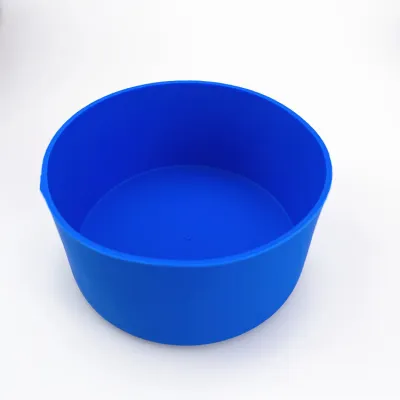
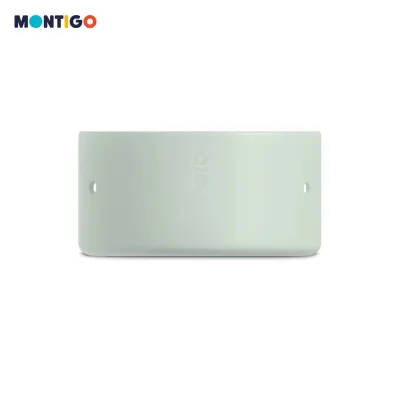
A silicone boot, by contrast, is simply a molded sleeve of silicone rubber that slips over the bottom of the bottle. While silicone has some mild natural insulating properties, the thin layer used in a bottle boot is far too thin to offer any measurable thermal resistance. Ambient heat in Singapore—which often hovers around 30°C to 34°C with high humidity—will easily bypass this thin silicone barrier and warm the exposed upper portions of the stainless steel bottle. The temperature of your drink is maintained by the vacuum seal inside, not by the external rubber sleeve.
Products mentioned in this guide
Prices are valid at publication and may change. Please refer to the product page for the latest price.
Another common misconception involves exterior condensation, often referred to as sweating. Well-constructed vacuum-insulated bottles should not sweat on the outside because the vacuum layer prevents the cold internal temperature from reaching the outer wall. If your bottle is sweating heavily, it usually indicates a compromised vacuum seal rather than a need for a boot. While a silicone boot can cover the bottom portion of a damaged, sweating bottle, it will not stop the condensation process; it will merely trap moisture underneath, which can lead to other issues like slipping or mold.
The Real Benefits of a Montigo Bottle Boot
While a silicone boot does not offer thermal advantages, it provides significant physical benefits that make it a worthwhile investment for many users. The primary advantage is robust drop protection. Stainless steel bottles are highly durable, but they are prone to denting and scratching when dropped onto hard surfaces like concrete pavements, tiled floors, or park paths. A heavy impact on the base can deform the metal, sometimes even puncturing the outer wall and permanently ruining the vacuum insulation. The shock-absorbing nature of silicone cushions these impacts, preserving the structural integrity of your bottle.

Another practical benefit is noise reduction. Placing a bare stainless steel bottle onto a hard surface—such as a glass office desk, a wooden study table, or a metal gym bench—produces a loud, metallic clanking sound. In quiet environments like libraries, offices, or yoga studios, this noise can be highly disruptive. A silicone boot acts as a built-in silencer, allowing you to set your bottle down quietly and discreetly throughout the day.
Additionally, the boot significantly improves grip and stability. Singapore’s humid climate often leads to sweaty palms, especially during outdoor activities or commutes. A bare stainless steel surface can become slippery when wet or handled with damp hands. The textured, high-friction surface of a silicone boot ensures a secure hold. It also prevents the bottle from sliding around on smooth or angled surfaces, such as plastic tray tables on public transport or polished countertops.
Deciding If You Need the Boot for Your Lifestyle
Determining whether to purchase a bottle boot depends largely on your daily routine and where you plan to use your bottle. For individuals with high-impact lifestyles, the accessory is highly recommended. If you frequently engage in outdoor sports, hiking, gym sessions, or have a busy daily commute across Singapore’s transit network, your bottle is constantly exposed to potential drops and rough handling. In these scenarios, the added durability and non-slip grip of a boot provide peace of mind and extend the lifespan of your gear.
Conversely, if your bottle rarely leaves a low-impact environment, the boot may be an unnecessary addition. For those who primarily use their bottle at a stationary office desk, a home study, or during gentle indoor activities, the risk of hard drops is minimal. While the noise-reduction benefit still applies in quiet offices, you might find that a simple coaster or careful handling is sufficient, allowing you to skip the extra bulk and weight of the sleeve.
It is also worth evaluating the financial trade-off. A quality silicone boot typically costs a fraction of the price of a brand-new insulated bottle, often ranging from S$10 to S$15. If you tend to be clumsy or frequently carry your bottle outdoors, spending this small amount upfront is a highly cost-effective way to protect your larger investment. Replacing a severely dented bottle because its vacuum seal failed after a hard fall is far more expensive and inconvenient than purchasing a protective boot from the start.
Maintenance and Hygiene in High Humidity
Using a bottle boot in Singapore’s hot and highly humid climate requires regular maintenance to prevent hygiene issues. Because the boot fits snugly over the bottom of the bottle, a small gap remains where moisture can easily become trapped. This moisture can come from washing the bottle, accidental spills, rainwater, or environmental humidity. If left unchecked, this dark, damp space becomes an ideal breeding ground for mold, mildew, and bacteria.
To maintain proper hygiene, you should establish a routine cleaning schedule. At least once a week—or daily if you use the bottle outdoors or during workouts—remove the silicone boot completely from the base. Wash both the bottle and the boot thoroughly with warm, soapy water. Pay close attention to the inside of the boot and the bottom rim of the bottle, where dirt and residue tend to accumulate. Avoid using abrasive scrubbers that could scratch the silicone or the bottle’s exterior coating.
Before reassembling, ensure that both the bottle and the boot are completely dry. Trapping even a small amount of moisture inside the boot when slipping it back on will defeat the purpose of cleaning and quickly lead to musty odors. Let them air dry in a well-ventilated area. Regularly inspect the boot for visual signs of degradation, such as black spots (mold), discoloration, or a sticky texture, which indicates the silicone is breaking down and needs replacement.
Frequently Asked Questions (FAQ)
Can I use the Montigo bottle boot on other water bottle brands?
The boot is specifically engineered to fit the precise dimensions of designated Montigo bottle bases. While silicone has a small amount of stretch, using it on other water bottle brands is not guaranteed to work. To determine compatibility, you must physically measure the base diameter of your non-Montigo bottle in millimeters and compare it to the boot’s specifications. A boot that is too loose will slip off easily, while one that is too tight may tear or distort, failing to provide stable support.
Does the boot prevent the bottle from leaving water rings on tables?
A silicone boot can help catch minor condensation drips that run down the side of the bottle, but it is not designed to function as an absorbent coaster. If your bottle is functioning correctly, its vacuum insulation should prevent condensation entirely, meaning no water rings should form. However, if you are using the bottle in extremely humid conditions or if the vacuum seal is compromised, moisture may pool inside the boot and eventually overflow onto wooden or sensitive table surfaces.

Community discussion
Share your experience or ask a question. Comments are reviewed before publication.