
Finding the right electric protein shaker for your daily gym routine in a warm, humid climate requires balancing mixing power with reliable temperature control. While many brands claim high performance, the actual mixing consistency and insulation depend heavily on motor specifications, blade design, and material construction. Instead of relying on marketing promises, choosing the right shaker involves verifying technical specifications against your specific supplement needs—whether you are blending light pre-workouts, thick mass gainers, or requiring hours of cold retention.
A high-quality electric shaker eliminates the manual effort of shaking and prevents the buildup of dry powder at the bottom of your cup. However, because these devices combine electronic components with liquids, durability and safety are just as important as mixing power. By understanding how to evaluate motor torque, insulation materials, and battery safety, you can select a reliable companion for your fitness journey that remains hygienic and functional over hundreds of workouts.
How to Evaluate Mixing Performance Specifications
When evaluating the mixing performance of an electric protein shaker, the primary mechanism to consider is how the device moves liquid. Most electric shakers utilize vortex fluid dynamics, which creates a powerful whirlpool inside the cup. This vortex is generated by a blunt, propeller-like blade at the base of the bottle. For standard whey protein isolates, pre-workout powders, and creatine, a vortex mixer is highly efficient because it quickly dissolves the particles into the liquid without chopping or aerating the mixture excessively.
Products mentioned in this guide
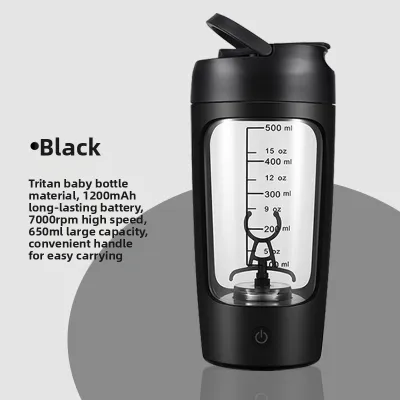
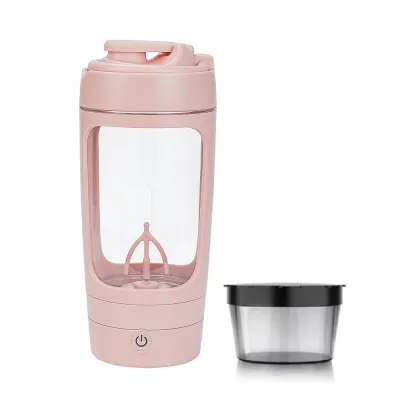
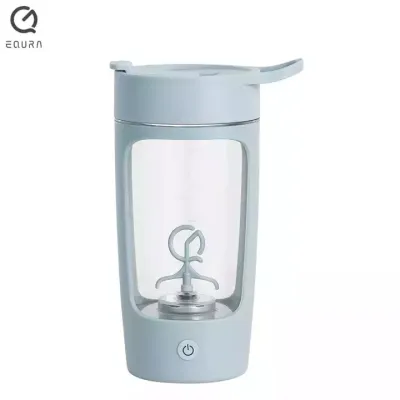
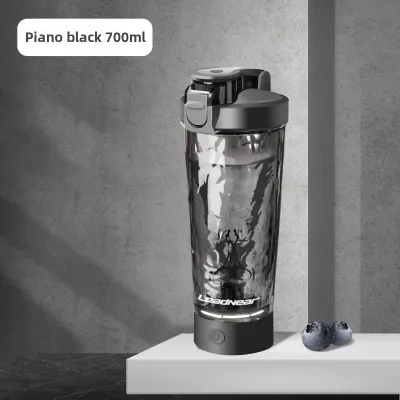
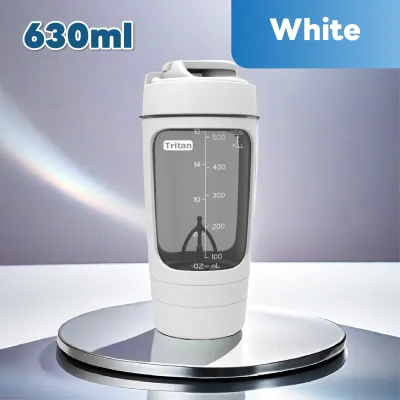
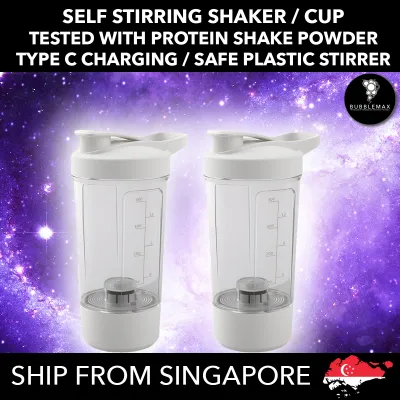
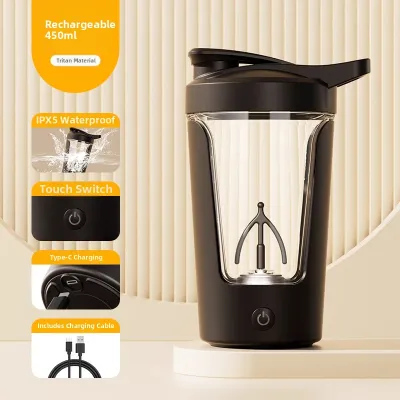
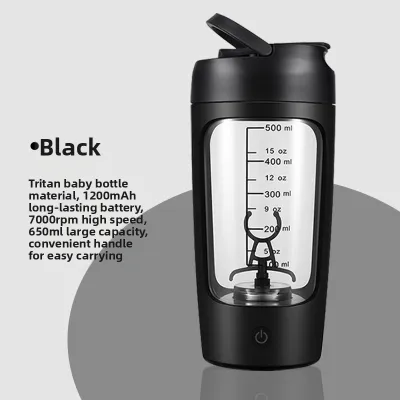
Prices are valid at publication and may change. Please refer to the product page for the latest price.
However, if your supplement routine includes thicker powders such as casein, mass gainers, or meal replacements, a standard vortex may struggle. For these dense mixtures, you need to look for physical blade or whisk mechanisms that physically cut through clumps. Some models feature sharp stainless steel blades similar to a personal blender, while others use textured plastic whisks. These physical barriers help break up stubborn powder pockets that a simple liquid whirlpool cannot dissolve.
To verify if a shaker can handle your specific supplements, check the motor torque and revolutions per minute (RPM) indicators on the product label or manufacturer specification sheet. A motor operating between 10,000 and 16,000 RPM is generally sufficient for light to medium powders. However, RPM alone does not guarantee performance; high torque is required to maintain that speed when the liquid becomes thick and viscous. If the manufacturer does not list torque, look for user manuals that explicitly state compatibility with meal replacements or mass gainers.
Finally, always check the maximum fill lines and capacity limits marked on the shaker cup. When the motor is activated, the vortex forces the liquid upward along the walls of the bottle. If you fill the shaker past the recommended mixing line, the liquid will likely overflow through the lid or fail to mix thoroughly due to a lack of air space. A bottle with a total capacity of 700ml may only have a functional mixing capacity of 500ml, so ensure the mixing limit matches your typical serving size.
Verifying Insulation and Temperature Retention Features
In a tropical climate, keeping your protein shake cold is not just a matter of taste; it is also a crucial safety measure. Warm, humid environments accelerate bacterial growth in dairy-based protein shakes, which can lead to spoilage in as little as an hour. To prevent this, you must carefully evaluate the insulation capabilities of the shaker. Differentiate between double-wall vacuum-insulated stainless steel models and single-wall plastic or glass alternatives.

Double-wall vacuum insulation works by removing the air between two layers of stainless steel, creating a vacuum barrier that prevents heat transfer. This design can keep your drinks cold for several hours, making it ideal if you mix your shake at home but do not consume it until after a long workout. In contrast, single-wall plastic or glass models offer virtually no thermal protection, meaning your cold water will quickly warm up to room temperature, especially when carried in a hot gym bag.
The lid is another critical area where temperature retention can fail and leaks can occur. When examining a shaker, evaluate the lid sealing mechanisms closely. Look for models that feature thick, food-grade silicone gaskets and secure locking clasps or screw-on caps. A high-quality silicone gasket prevents heat exchange through the lid seams and ensures a watertight seal. Secure locking clasps prevent the lid from popping open under pressure, which is especially important when mixing powders that release gas or when carrying the shaker in a packed bag.
Additionally, verify the material safety certifications of the shaker before purchasing. Look for explicit labels indicating food-grade 18/8 (304) stainless steel for metal components and BPA-free certifications for all plastic parts. These materials are highly resistant to odor retention, which is a common issue with cheap plastic shakers that absorb the smell of old protein. High-quality materials also ensure that no harmful chemicals leach into your drink when exposed to warm washing water or acidic pre-workout formulas.
Checking Battery Life and Daily Gym Usability
An electric protein shaker is only as reliable as its power source. To ensure your shaker is ready when you finish your workout, assess the battery capacity indicators and estimated blend cycles per charge provided in the user manual. Most reliable electric shakers feature rechargeable lithium-ion batteries with capacities ranging from 500mAh to 800mAh. A battery in this range should comfortably provide 30 to 50 mixing cycles on a single charge, allowing you to use the shaker for several weeks without needing a plug.
Charging convenience is another major factor in daily usability. Prioritize models that utilize standard USB-C ports over those with proprietary magnetic charging cables. USB-C is the global standard for modern electronics, meaning you can easily charge your shaker using your phone charger, laptop port, car charger, or a portable power bank. Proprietary cables, on the other hand, are difficult to replace if lost and require you to carry an extra cord in your gym bag.
Because you will be using and washing the shaker in environments with water, sweat, and moisture, check the waterproof or water-resistant rating of the motor base. Look for an Ingress Protection (IP) rating, such as IPX5 or IPX7. An IPX5 rating indicates that the motor base can withstand light splashes of water from any direction, which is sufficient for careful hand washing. An IPX7 rating provides much greater protection, indicating the base can survive temporary submersion in water up to one meter deep, making it highly resilient against accidental drops into a filled sink.
Decision Framework: Which Electric Shaker Fits Your Routine?
Choosing the right electric protein shaker requires matching the technical specifications of the device to your personal fitness habits and supplement choices. There is no universal model that suits every gym-goer, so establishing your priorities first will guide you to the correct purchase.
If your fitness routine revolves around heavy mass gainers, meal replacements, or thick casein shakes, you should choose a high-torque vortex model. Look for a shaker with a motor rated at 15,000 RPM or higher and a physical blade or whisk mechanism. These specifications ensure the motor has the power to cut through dense powders without stalling, providing a smooth, clump-free consistency every time.
If you commute long distances, train in outdoor fitness corners, or prefer to prepare your shake hours before drinking it, choose a double-wall vacuum-insulated stainless steel model. This construction is essential for maintaining cold temperatures and preventing spoilage in warm weather. While these models are heavier and often carry a higher price point than basic plastic shakers, the temperature retention is indispensable for food safety and taste.
For those who prioritize quick cleanup and hygiene, choose a model with a fully detachable, dishwasher-safe cup. This design allows you to unscrew the motor base completely, leaving only the plastic or steel cup and lid to be washed. This setup eliminates the risk of water entering the electrical components during cleaning and allows you to sanitize the cup thoroughly in a dishwasher or hot water bath.
Finally, if you plan to use and wash your shaker in high-moisture environments, such as communal gym changing rooms or outdoor sinks, verify the motor base’s waterproof rating and the manufacturer’s warranty terms first. Opt for a model with at least an IPX5 water-resistance rating and a warranty that explicitly covers manufacturing defects and water ingress. Ensure the charging port features a secure, tight-fitting rubber cover to keep moisture out during daily use.
Safe Cleaning and Maintenance Practices
To extend the lifespan of your electric protein shaker and maintain proper hygiene, you must follow safe cleaning and maintenance practices. The most critical rule is to identify the submersion limits of your device and strictly separate the washable cup from the electronic motor base before cleaning. Even if your shaker has a high water-resistance rating, constant exposure to running water can eventually degrade the seals and cause electrical failure.
When cleaning the motor base, avoid running it under a tap or submerging it in soapy water. Instead, wipe the exterior of the base with a damp, non-abrasive microfiber cloth. If powder residue or liquid spills onto the base, use a slightly damp cotton swab to carefully clean the crevices around the power button and charging port. Never use harsh chemical solvents or abrasive scrubbing pads, as these can damage the protective coatings and seals.
After washing the cup and wiping down the base, note the importance of fully drying all components before reassembly. Pay close attention to the charging port and the silicone sealing rings inside the lid. Trapped moisture in these areas can lead to mold growth, unpleasant odors, and corrosion of the electrical contacts. Leave the components disassembled in a well-ventilated area until they are completely dry before storing them in your gym bag.
Frequently Asked Questions (FAQ)
Can I wash the entire electric protein shaker in the dishwasher?
No, you cannot wash the entire electric protein shaker in the dishwasher. Only the detachable cup and lid are typically dishwasher safe, and you must always verify this by checking the manufacturer’s instructions first. The electronic motor base contains sensitive lithium-ion batteries, wiring, and charging ports that will be permanently damaged by the high heat, humidity, and aggressive detergents of a dishwasher cycle. Placing the motor base in a dishwasher will cause immediate electrical failure, ruin the battery, and void any manufacturer warranty.

Community discussion
Share your experience or ask a question. Comments are reviewed before publication.