
Selecting the right pedal bike for an elderly user requires shifting the focus away from high-intensity performance metrics and toward safety, accessibility, and ergonomic comfort. Physical activity is highly beneficial for maintaining joint mobility, cardiovascular health, and muscle tone in senior years. However, standard bicycles or high-resistance spinning bikes often present physical barriers, such as high step-over heights, narrow saddles, and complex digital consoles that can lead to frustration, joint strain, or fall risks.
Before introducing any new fitness equipment into a senior’s routine, it is critical to recognize that equipment cannot replace professional medical training, physical therapy, or personal judgment. Seniors should always consult a physician or physical therapist to establish safe heart rate zones, exercise durations, and stop conditions. If a user experiences dizziness, shortness of breath, or joint pain during a session, they must stop immediately.
In Singapore, where home space in HDB flats or condominiums is often carefully managed, selecting a compact yet highly stable stationary pedal bike can provide a safe, climate-controlled environment for daily exercise. By focusing on specific structural designs, intuitive controls, and physical compatibility, you can find a machine that supports active aging while minimizing the risk of injury.
Products mentioned in this guide
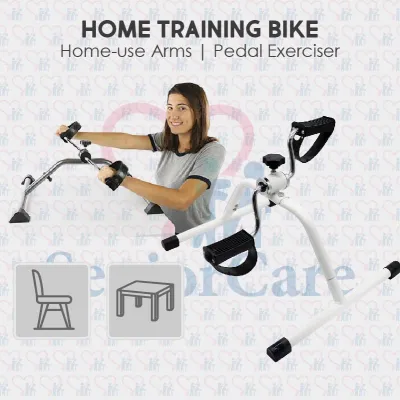
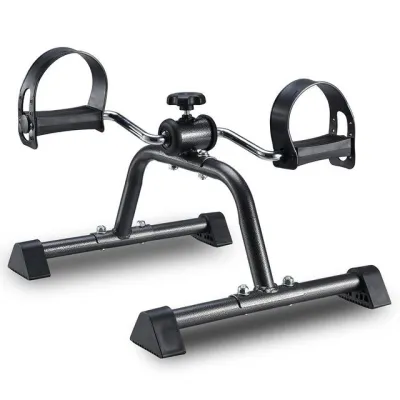
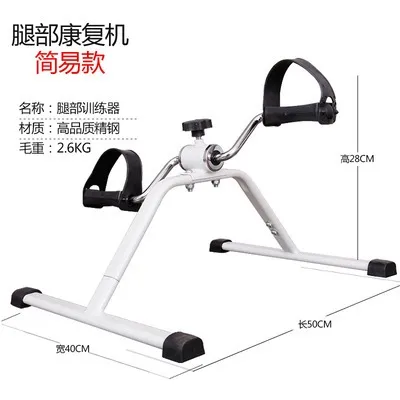
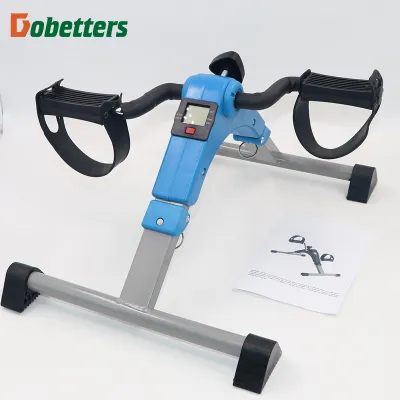
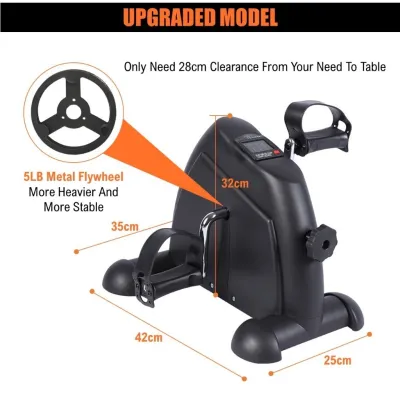
Prices are valid at publication and may change. Please refer to the product page for the latest price.
Core Safety and Accessibility Features
The primary barrier to entry for many elderly users is the physical act of mounting and dismounting the bike. Standard bike frames require the rider to swing one leg high over the seat or center bar, a movement that demands significant balance, hip flexibility, and core strength. For seniors with limited mobility, this motion is a common cause of slips and falls. A step-through frame design solves this issue by lowering the center bar to just a few inches off the floor, or eliminating it entirely, allowing the user to simply step across the frame without lifting their feet more than a short distance.
Lateral stability is another critical safety factor, especially when the user is transferring their weight onto the seat. Look for a pedal bike with a wide, heavy base and robust stabilizer bars at both the front and rear. These bars should be equipped with non-slip rubber end caps that grip the floor securely. This is particularly important on smooth Singaporean flooring materials, such as polished marble, ceramic tiles, or vinyl, where a lightweight bike might slide or rock during use.
To ensure the bike remains anchored during low-speed pedaling, verify that the machine has a low center of gravity. This is typically achieved by positioning the heavy flywheel low within the frame chassis. A low center of gravity prevents the bike from tipping sideways if the user leans heavily to one side while getting on or off. While lighter, foldable bikes are easier to store, they often compromise on this lateral stability, making heavier, non-folding frames a safer choice for seniors who struggle with balance.
Finally, consider the ease of foot placement before the pedaling motion even begins. The pedals should sit low to the ground when at their lowest point, allowing the user to place their feet securely without having to bend their knees at an acute, stressful angle. Non-slip pedal surfaces with textured patterns provide additional traction, ensuring that the user’s shoes do not slide off during the exercise session.
Comfort and Ergonomic Adjustments
Standard bicycle saddles are designed for aerodynamic efficiency rather than prolonged comfort, often causing pelvic discomfort or pressure points that discourage seniors from regular exercise. For elderly users, look for an oversized, heavily padded seat that distributes body weight evenly. If you are considering a recumbent model, the seat should feature a contoured, supportive backrest made of breathable mesh or padded material to support the lumbar spine and reduce lower back fatigue.

Multi-directional adjustability is essential to accommodate different body proportions and mobility limits. The seat must adjust easily both vertically (up and down) and horizontally (fore and aft). This allows you to customize the distance between the seat and the pedals, ensuring that the user’s knees maintain a slight bend of approximately 15 to 20 degrees at the bottom of the pedal stroke. Proper alignment prevents knee hyperextension and minimizes joint stress, which is crucial for individuals managing osteoarthritis or joint stiffness.
Handlebar design plays a major role in preventing upper body strain. Look for ergonomic handlebars that allow the user to maintain an upright or slightly reclined posture, which keeps the neck, shoulders, and lower back in a neutral position. Handlebars that adjust in angle and height independently of the seat offer the greatest flexibility. Additionally, the handlebars should be covered in high-density, sweat-resistant foam or textured rubber to ensure a secure grip, especially in Singapore’s warm and humid climate where sweaty hands can easily slip.
Pedal security is another comfort feature that directly impacts safety. Standard cycling clip-in pedals are highly unsuitable for seniors because they require a twisting motion to release, which can strain the ankles or cause a fall if the user needs to dismount quickly. Instead, opt for wide, flat pedals equipped with adjustable, flexible rubber straps or simple toe cages. These keep the feet securely centered over the pedal axles while allowing the user to slide their feet in and out easily using standard walking shoes or supportive orthopedic footwear.
Usability and Control Interfaces
Modern fitness equipment often features complex, multi-layered digital consoles with touchscreens, internet connectivity, and numerous workout programs. For many elderly users, these interfaces can be overwhelming and difficult to navigate. A senior-friendly pedal bike should feature a simple, high-contrast digital display with large, easy-to-read fonts. The screen should focus on displaying essential metrics—such as elapsed time, speed, and estimated distance—without requiring the user to toggle through complicated menus.
Physical controls are generally superior to touchscreens for users with mild visual impairments, arthritis, or hand tremors. Tactile resistance dials or large, raised physical buttons provide immediate sensory feedback, allowing the user to make adjustments easily. A simple turn-dial to adjust magnetic resistance is highly intuitive, enabling the user to increase or decrease the difficulty of their workout without having to look away from their pedaling path or lose focus on their balance.
Safety during operation also requires a reliable, quick-stop mechanism. If a senior experiences a sudden muscle cramp, dizziness, or loss of balance, they must be able to halt the pedaling motion instantly. On magnetic resistance bikes, look for an easily accessible emergency brake lever or a prominent, brightly colored stop button. The resistance system should respond immediately to bring the flywheel to a complete stop, preventing the pedals from continuing to spin under their own momentum and potentially jarring the user’s legs.
Additionally, consider the power requirements of the console. Battery-powered displays are often highly convenient because they eliminate the need to run power cords across the floor, which can present a serious tripping hazard in a busy household. If the bike does require an electrical outlet, ensure the cord can be routed safely along walls or under protective cord covers to keep the exercise area completely clear of obstructions.
How to Evaluate and Test Before Buying
Before making a purchase, it is important to measure the user’s physical dimensions and mobility range against the bike’s specifications. Measure the user’s inseam while they are wearing their preferred exercise shoes, and compare this to the manufacturer’s specified minimum and maximum seat heights. You should also check the step-over height of the frame to ensure the user can comfortably clear it without losing their balance or requiring assistance.
Whenever possible, visit a local fitness equipment showroom in Singapore to let the senior user physically test the bike. Observe how easily they can mount the frame, reach the handlebars, and adjust the seat independently. Pay close attention to their posture during a brief pedaling test; their back should remain supported, and their knees should not bend excessively or lock out. If physical testing in a showroom is not possible, carefully verify the retailer’s return policy, checking if they offer a home trial period and whether the price in S$ includes professional delivery, assembly, and potential return shipping fees.
Structural integrity and space planning are the final steps in the evaluation process. Check the manufacturer’s stated maximum weight capacity to ensure the bike’s frame can easily support the user. Look for robust warranties on the frame and mechanical parts, which often indicate high-quality construction. Finally, measure the designated floor space in your home, ensuring you leave at least two to three feet of clear, unobstructed space around the entire perimeter of the bike to allow for safe mounting, dismounting, and emergency access.
Frequently Asked Questions (FAQ)
Are recumbent pedal bikes better than upright ones for seniors?
Recumbent pedal bikes are generally highly recommended for seniors who require extra lumbar support, struggle with balance, or manage chronic back pain. The bucket-style seat distributes body weight over a larger surface area, which significantly reduces pressure on the tailbone and hips. Because the pedals are positioned in front of the body rather than directly underneath, the user sits in a comfortable, reclined posture that minimizes stress on the lower back and knees. Upright bikes, while taking up less floor space, require more active core engagement and physical balance, making them better suited for seniors with high mobility and no history of severe back or joint issues.
Can a standard stationary bike be modified for elderly use?
While you can make minor aftermarket adjustments to a standard stationary bike—such as swapping a narrow saddle for a wider gel seat or adding slip-resistant pedal straps—modifying the core structure of the bike is highly discouraged. Attempting to install custom handlebar extenders or altering the frame height can compromise the machine’s structural balance, potentially leading to tipping or mechanical failure during use. Furthermore, unauthorized modifications typically void the manufacturer’s warranty. If a standard bike does not inherently meet the user’s safety and accessibility needs, it is far safer to invest in a dedicated senior-friendly model designed specifically for stability and ease of use.
Community discussion
Share your experience or ask a question. Comments are reviewed before publication.