
To protect a mountain bike from Singapore’s intense tropical climate, a high-quality cover must feature a robust combination of heavy-duty waterproof fabrics, UV-resistant coatings, taped seams, and active ventilation. The combination of sudden monsoon downpours, high relative humidity, and relentless sunlight can rapidly degrade a bicycle’s mechanical and cosmetic components if left unprotected. Choosing the right cover requires looking past basic water-resistance claims and verifying specific material standards, structural designs, and ventilation features on the product packaging.
Understanding the Tropical Climate Challenge
Singapore’s climate presents a unique set of challenges for outdoor bicycle storage. Relative humidity levels regularly exceed 80 percent, creating an environment where moisture constantly clings to metal surfaces. When a bike is left uncovered or under an inadequate cover, this ambient moisture accelerates the oxidation of steel bolts, chains, cassettes, and suspension stanchions. Furthermore, the warm, damp conditions under a poorly ventilated cover provide the perfect breeding ground for mold and mildew, which can ruin synthetic leather saddles and rubber handlebar grips within weeks.
Sudden, heavy downpours during the monsoon seasons bring another layer of risk. Rainwater does not just fall vertically; strong winds drive it horizontally, forcing water into delicate bearing assemblies, bottom brackets, and headset cups. If a cover lacks a secure fit or proper waterproofing, water can pool on top of the fabric or splash up from the ground, leaving the bike sitting in a humid microclimate. Over time, this constant exposure leads to seized components, squeaking pivots, and a significant reduction in the bike’s overall lifespan.
Products mentioned in this guide
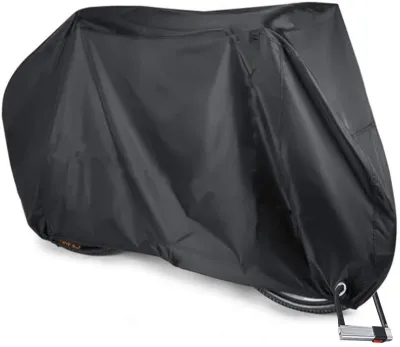
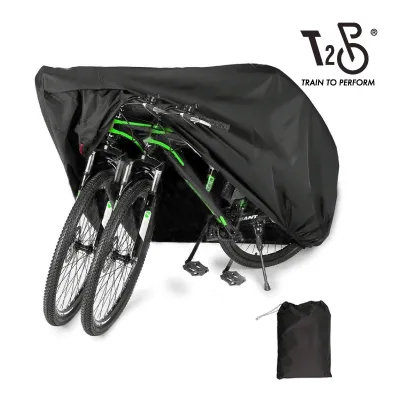
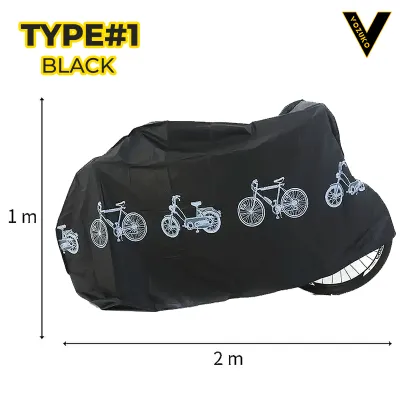
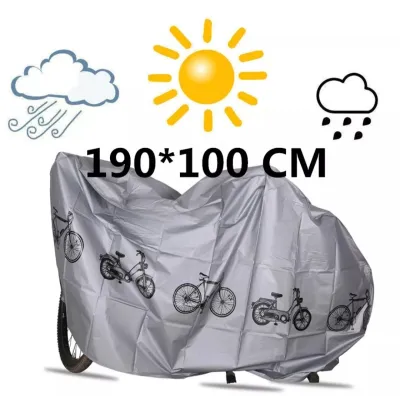
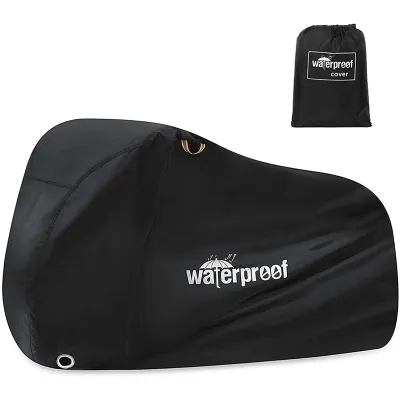
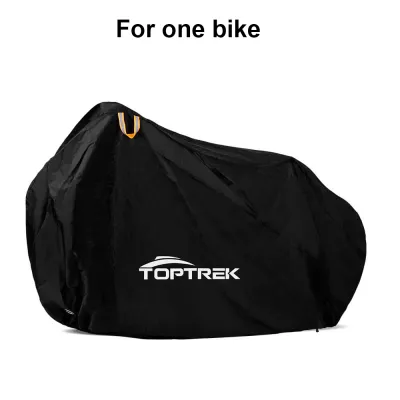
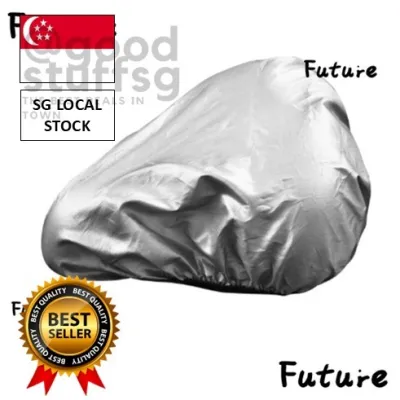
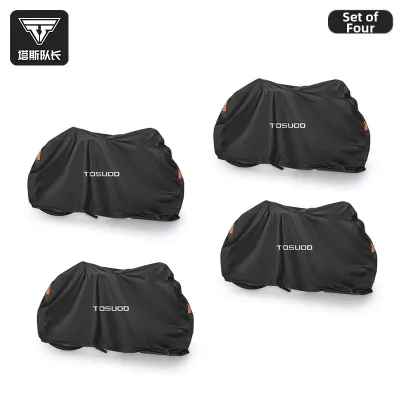
Prices are valid at publication and may change. Please refer to the product page for the latest price.
Year-round intense sunlight is equally destructive. Ultraviolet (UV) radiation breaks down the chemical bonds in untreated plastics and synthetic fabrics, a process known as photo-degradation. A cheap, non-UV-stabilized cover will quickly fade, lose its elasticity, and become brittle enough to tear during the next strong gust of wind. Beyond protecting the cover itself, a UV-resistant barrier is essential for shielding your bike’s paint job, carbon fiber frames, hydraulic brake lines, and tire sidewalls from dry rotting and cracking under the sun.
Key Waterproofing and Moisture-Resistant Features
When evaluating a mountain bike cover, the first specification to check on the product label is the fabric’s denier rating. Denier (often abbreviated as “D”) measures the thickness of the individual threads used to weave the fabric. For outdoor storage in tropical climates, look for covers made from at least 210D to 600D polyester or Oxford fabric. Fabrics with lower ratings, such as 190T (thread count) polyester, are lightweight and highly packable but may not offer the long-term durability needed to withstand heavy downpours and physical wear.

The base fabric alone is rarely waterproof, so manufacturers apply internal coatings to block water passage. Look for covers specified with a Polyurethane (PU) or Polyvinyl Chloride (PVC) inner lining. A PU coating is generally preferred for bicycle covers because it remains flexible in varying temperatures and is less prone to cracking than PVC. Some high-quality covers will list a hydrostatic head rating (measured in millimeters, such as 2000mm or 3000mm), which indicates the amount of water pressure the fabric can withstand before leaking.
Even the most waterproof fabric will fail if the seams are not properly sealed. Standard sewing needles leave thousands of tiny holes along the stitched lines of a cover. During a heavy Singaporean downpour, water pressure will force moisture through these unsealed needle holes, dripping directly onto your bike’s handlebars, saddle, or drivetrain. To prevent this, verify that the cover features taped or heat-sealed seams, where a waterproof tape is thermally applied over the stitched lines on the inside of the cover to block water ingress completely.
If the cover includes access zippers or entry points for locking cables, these areas must be protected by storm flaps. A storm flap is a strip of waterproof fabric that folds over the zipper track, preventing wind-driven rain from penetrating the teeth of the zipper. Without these flaps, water can easily seep through the zipper assembly and pool inside the cover, defeating the purpose of the waterproof fabric.
The design of the bottom hem is critical for keeping ground splash and rising dampness away from your bike. Look for a cover with a heavy-duty elastic hem that hugs the undersides of the wheels, combined with an adjustable drawstring or mid-bike buckle strap. This tight seal prevents wind from lifting the cover and stops rain from splashing up from wet concrete or puddles. It also keeps the cover from ballooning and blowing away during sudden squalls.
UV Protection and Heat Resistance
To ensure your cover survives years of exposure to the tropical sun, check the packaging for explicit mentions of UV-resistant treatments or UV-stable materials. Many high-quality outdoor covers are treated with UV inhibitors during the manufacturing process, or utilize inherently UV-resistant fibers like solution-dyed acrylic or high-grade polyester. A cover without UV protection will often degrade within six months of continuous outdoor exposure, turning powdery, fading, and tearing easily.
The color of the cover plays a significant role in heat management. Dark colors, particularly black, absorb a vast amount of solar radiation, causing the temperature underneath the cover to spike. This trapped heat can accelerate the degradation of suspension seals, dry out hydraulic brake fluids, and cause tubeless tire sealant to dry up prematurely. Opting for a cover with a reflective silver coating or a lighter color like grey helps reflect sunlight, keeping the internal temperature much closer to the ambient air temperature.
It is important to distinguish between water-resistant and fully waterproof fabrics. Water-resistant fabrics are often treated with a simple water-repellent spray that causes water to bead up and roll off during light showers, but they will eventually saturate and let water through during prolonged rain. A fully waterproof, UV-stabilized outdoor textile utilizes a continuous internal barrier and sealed seams to block water completely, even when subjected to the pooling water and high winds typical of Singapore’s monsoon seasons.
Fit, Ventilation, and Security Details
Mountain bikes have unique geometry compared to road or city bikes, featuring much wider handlebars, longer wheelbases, and bulky suspension forks. Before purchasing a cover, measure your bike’s total length, height, and handlebar width. Standard covers designed for road bikes will often stretch too tightly over wide mountain bike handlebars (which can range from 720mm to 800mm), leaving the lower half of the wheels and drivetrain exposed to the elements. Choose a cover specifically labeled for mountain bikes or one size larger than your bike’s nominal size to ensure complete coverage.
Proper ventilation is perhaps the most overlooked feature of a high-quality bike cover. When the ground warms up after a rainstorm, moisture evaporates from the concrete and rises into the cover. If the cover is completely sealed, this warm, humid air becomes trapped, creating a highly corrosive greenhouse effect. Look for covers equipped with built-in air vents, usually protected by downward-facing cowls or mesh panels. These vents allow warm air and moisture to escape while preventing rain from entering, maintaining a dry equilibrium inside.
High winds during monsoons can easily turn a bike cover into a sail, lifting it off the bike or tipping the entire bicycle over. To prevent this, look for covers with reinforced windproof buckle straps that clip underneath the frame or wheels, securing the cover tightly to the bike. Additionally, security lock holes—typically reinforced with rust-proof metal grommets or heavy-duty fabric loops—at the front and rear wheels allow you to thread a U-lock or cable lock through both the cover and the bike frame, securing your asset against theft while keeping the cover anchored.
Maintenance and Care in Humid Conditions
To maximize the lifespan of your mountain bike cover, establish a routine cleaning schedule using mild soap, lukewarm water, and a soft brush or sponge. Avoid using harsh chemical detergents, bleach, or abrasive scrubbing pads, as these can strip away the internal PU waterproof coating and damage the external water-repellent finish. Never wash the cover in a washing machine or dry it in a tumble dryer, as the mechanical agitation and high heat will delaminate the waterproof backing and melt taped seams.
After cleaning or a heavy rainstorm, always allow the cover to dry completely before folding and storing it. Hang the cover over a clothesline or a railing in a shaded, well-ventilated area. Folding and packing away a damp cover traps moisture within the fabric folds, leading to rapid mold and mildew growth that can rot the seams and create unpleasant odors. Once dry, store the cover in its dedicated storage bag in a cool, dry place away from direct sunlight.
Frequently Asked Questions (FAQ)
Can I use a standard motorcycle cover for my mountain bike?
While it might seem like a heavy-duty alternative, a motorcycle cover is generally not suitable for a mountain bike. Motorcycle covers are designed with a very different shape, featuring pockets for side mirrors and a wider rear section to accommodate exhaust pipes and engines. When draped over a mountain bike, a motorcycle cover will be excessively loose and bulky, creating large pockets of sagging fabric where rainwater can pool. This excess material also acts as a sail in high winds, increasing the risk of your bike being blown over, and the lack of a snug fit allows ground moisture and pests to enter easily.
How often should I reapply waterproofing spray to the cover?
The factory-applied Durable Water Repellent (DWR) coating on the exterior of the cover will naturally degrade over time due to UV exposure, friction, and rain. You can check the condition of this coating by splashing water onto the cover; if the water beads up and rolls off, the coating is intact. If the water begins to soak into the outer fabric layer (even if the inner PU coating still blocks it from reaching the bike), it is time to reapply a waterproofing spray. Depending on how often the cover is exposed to direct sunlight and heavy rain, you should typically check and potentially reapply a compatible fabric proofer every six to twelve months, following the spray manufacturer’s instructions.
Is it necessary to cover the bike if it is stored in a sheltered apartment corridor?
Storing your mountain bike in a sheltered apartment corridor or balcony offers some protection from direct rain, but a cover is still highly beneficial. Even in sheltered areas, Singapore’s high ambient humidity can cause moisture to condense on cold metal parts overnight, leading to gradual rust. Additionally, wind-driven rain during severe storms can easily reach corridor spaces, and dust, dirt, and accidental scratches from neighbors or delivery personnel are common risks in shared residential areas. For these semi-sheltered environments, a lightweight, highly breathable indoor cover is often the ideal choice, as it protects against dust and light moisture without trapping humidity.
Community discussion
Share your experience or ask a question. Comments are reviewed before publication.