
To properly carry and protect basketball shoes, a sports bag must feature a dedicated, ventilated shoe compartment, adequate physical space to prevent crushing, and protective padding with water-resistant linings. Basketball shoes are significant investments, designed with specialized traction patterns, cushioning midsoles, and supportive uppers that require careful preservation. Transporting them alongside sweaty jerseys, water bottles, and personal items without proper isolation can lead to structural damage, dirt transfer, and persistent odor buildup. This is especially true in humid climates like Singapore’s, where trapped moisture accelerates bacterial growth and material degradation. Selecting a bag with the right protective features ensures your footwear remains clean, dry, and structurally sound between games, whether you are commuting to an indoor sports hall or heading to an outdoor court.
Assess Your Basketball Shoe Storage Needs
Before selecting a sports bag, evaluate your typical transport routine and the total volume of gear you carry. If your routine involves commuting directly from work or school to an evening game via public transport, your storage needs will differ significantly from someone who drives directly to the court. A commuter requires a streamlined bag that fits comfortably in crowded spaces while keeping bulky basketball shoes isolated from everyday essentials like laptops, documents, or lunchboxes.
Next, estimate the total volume of your basketball gear. Beyond the shoes themselves, a standard kit often includes a change of clothes, a towel, a large water bottle, protective knee sleeves, and personal items like keys and phones. If you carry a full-sized basketball, you will need a bag with an external mesh pocket or an expandable main compartment.
Products mentioned in this guide
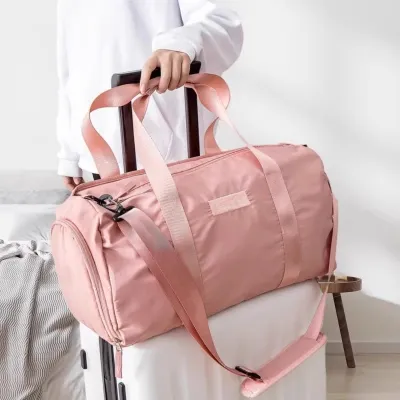
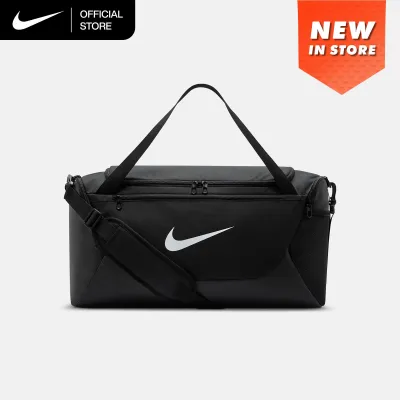
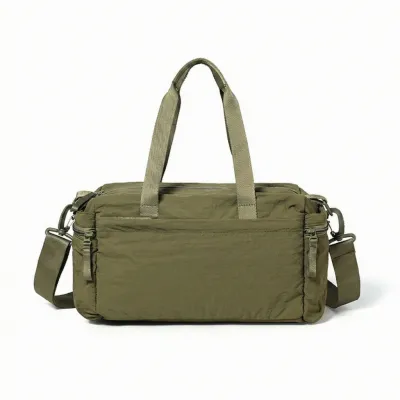
Prices are valid at publication and may change. Please refer to the product page for the latest price.
Furthermore, consider the necessity of separate wet and dry zones. Sweaty jerseys and damp socks can quickly transfer moisture and odor to clean items if packed in the same compartment. A bag with a dedicated wet pocket—typically lined with water-resistant materials—allows you to isolate damp apparel, keeping your clean clothes dry and protecting your basketball shoes from unnecessary exposure to humidity.
Key Features for Shoe Protection and Hygiene
Preserving the condition of your basketball shoes requires a bag designed around three core principles: airflow, spatial fit, and impact absorption. These features work together to prevent physical damage to the shoe’s structure while maintaining a hygienic environment that deters odor-causing bacteria.

Ventilated Shoe Compartments
A dedicated shoe compartment is useless if it traps moisture inside. When shopping for a sports bag, check for active ventilation features such as mesh panels, metal grommets, or specialized airflow channels built directly into the shoe zone. These vents allow air to circulate freely, helping to dry out damp shoes and prevent the buildup of sweat-induced odors.
It is equally important to verify that the shoe compartment is fully isolated from the rest of the bag’s interior. A sealed inner lining, often made of nylon or polyester, prevents dirt, court dust, and moisture on the soles from transferring to your clean clothes or electronics.
Lastly, assess the placement of the ventilation ports. Some bags feature vents on the bottom or sides, which can easily become blocked when the bag is set down on a bench or floor. Look for designs where the vents remain exposed and unhindered during transport or storage, ensuring continuous airflow even when the bag is resting.
Adequate Size and Structural Support
Basketball shoes, particularly high-tops or larger sizes, are bulky and require sufficient physical space to avoid being compressed. Compare the internal dimensions of the bag’s shoe compartment against your specific shoe size. If the compartment is too tight, you will struggle to slide the shoes in, which can bend the heel counters or crush the delicate ankle collars over time.
Look for a sports bag that offers some degree of structural rigidity. Features like a reinforced base panel, padded side walls, or structured internal dividers help the bag maintain its shape even when it is not fully loaded. This structural support prevents the weight of other gear from pressing down on your shoes.
Avoid the temptation to overpack the main compartment. When a bag is stuffed to its limit, the internal pressure can compress the shoe compartment, squeezing the shoes against each other. This constant pressure can deform the midsoles and compromise the supportive cushioning systems designed to protect your joints on the court.
Padding and Interior Lining
The interior environment of the bag plays a crucial role in protecting the delicate materials of your basketball shoes. Inspect the lining of the shoe compartment to ensure it is made of smooth, snag-free fabrics. Rough interior seams or coarse materials can rub against knit uppers, synthetic leather, or delicate mesh, causing premature wear and fraying.
Evaluate the bottom padding of the bag. When you set your bag down on hard surfaces like concrete courts, tiled floors, or locker room benches, the impact can travel through the bag to your gear. A thick, padded base acts as a shock absorber, protecting the shoe’s midsoles and outsoles from unnecessary impact.
Additionally, prioritize water-resistant and easy-to-wipe lining materials, such as thermoplastic polyurethane (TPU) or coated polyester. Basketball shoes frequently collect outdoor grime, dust, and moisture. A lining that can be easily wiped clean with a damp cloth prevents dirt from accumulating and makes maintaining bag hygiene simple.
Evaluating Overall Bag Durability and Comfort
A sports bag must be durable enough to withstand the weight of heavy basketball gear and frequent travel. Examine the outer fabric for high denier ratings, such as 600D polyester or ballistic nylon, which offer excellent resistance to tears and abrasions. Reinforced weaves or water-resistant exterior coatings are highly beneficial for protecting your gear from sudden rain showers during your commute.
Pay close attention to the hardware and construction quality. Test the zippers to ensure they glide smoothly without catching on the fabric. Heavy-duty, self-repairing coil zippers are ideal for sports bags, as they handle the tension of a packed bag much better than standard zippers. Check for reinforced stitching, particularly double or box-X stitching, at high-stress points like the shoulder strap attachments and carry handles.
Comfort is equally vital when transporting heavy gear. Look for wide, adjustable shoulder straps with thick foam padding to distribute weight evenly across your shoulders. If you prefer a backpack style, check for a padded back panel with breathable mesh channels to promote airflow, reducing sweat buildup on your back during warm commutes.
Maintenance and Care for Your Sports Bag
To extend the lifespan of your sports bag and keep it smelling fresh, establish a consistent maintenance routine. Always empty the shoe compartment and air out your basketball shoes as soon as you return home. Leaving damp shoes sealed inside a dark, unventilated bag overnight creates an ideal breeding ground for bacteria and mold, which can ruin both the shoes and the bag’s lining.
Follow the manufacturer’s care labels for cleaning instructions. Most sports bags should not be machine washed or tumble dried, as this can damage water-resistant coatings and structural padding. Instead, spot-clean the exterior and interior lining using a soft cloth, mild soap, and lukewarm water, then allow the bag to air dry completely in a well-ventilated, shaded area.
Periodically inspect the zippers and seams for early signs of wear or debris buildup. Dust from outdoor courts and lint can accumulate in zipper teeth, causing them to stick or split. Gently brushing the zippers with an old toothbrush can remove trapped particles, ensuring smooth operation and preventing sudden failures when you are on the go.
Frequently Asked Questions (FAQ)
Can I use a regular backpack instead of a specialized sports bag for basketball shoes?
While a regular backpack can physically hold basketball shoes, it generally lacks the dedicated ventilation and isolation features of a specialized sports bag. Standard backpacks typically force you to store shoes in the same compartment as your clean clothes, books, or laptop, risking the transfer of dirt, outdoor grime, and sweat odors. If you must use a regular backpack, it is highly recommended to place your shoes inside a separate, breathable shoe bag or packing cube first to protect your other belongings and maintain basic hygiene.
How do I prevent my basketball shoes from smelling inside the bag?
To prevent odor buildup, never leave damp basketball shoes sealed inside your sports bag for extended periods. Remove them immediately after your game and allow them to air dry in a well-ventilated space. You can also place moisture-absorbing inserts, cedar blocks, or activated charcoal pouches inside the shoes while they are in transit to actively absorb sweat and neutralize odors. Regularly wiping down the interior lining of the bag’s shoe compartment with a mild disinfectant wipe will also help eliminate lingering bacteria.
Should I keep my basketball shoes in their original box inside the bag?
Keeping your shoes in their original cardboard box inside a sports bag provides excellent protection against crushing, but it is highly impractical for daily use. Shoe boxes consume a massive amount of space, leaving very little room for other essential gear like water bottles or apparel. Furthermore, cardboard is highly susceptible to moisture; if exposed to damp gear or humid air, the box can degrade, warp, and trap moisture against your shoes. It is much more efficient to rely on a sports bag with built-in structural support and padded compartments.
Community discussion
Share your experience or ask a question. Comments are reviewed before publication.