
A high-quality sports tumbler is a foundational piece of fitness gear, but its standard configuration rarely meets the demands of every single workout. Whether you are navigating a crowded gym floor, cycling along coastal paths, or hiking through humid nature reserves, the right tumbler accessories transform a basic hydration vessel into a highly specialized tool. Upgrading your setup with targeted add-ons ensures your water stays cold, your lid remains leak-free, and your bottle survives accidental drops on hard concrete.
Investing in the right accessories is not just about aesthetics; it directly impacts your hydration habits and the lifespan of your gear. A bottle that is difficult to carry, awkward to drink from mid-stride, or prone to collecting mold in its crevices will eventually be left at home. By selecting functional upgrades tailored to your specific activities, you can optimize your hydration flow, maintain pristine hygiene, and protect your investment from the inevitable wear and tear of an active lifestyle.
Identifying When Your Tumbler Needs an Upgrade
During dynamic workouts, minor inconveniences quickly escalate into major disruptions. If you find yourself struggling to unscrew a tight lid while running on a treadmill, or if your bottle constantly slips from your sweaty hands during a high-intensity interval training (HIIT) session, your current setup is failing to support your performance. Observable signs such as slow drips from the lid when the bottle is tilted, a metallic or musty taste in your water, or deep scratches and dents along the base are clear indicators that your tumbler requires functional upgrades rather than a complete replacement.
Products mentioned in this guide
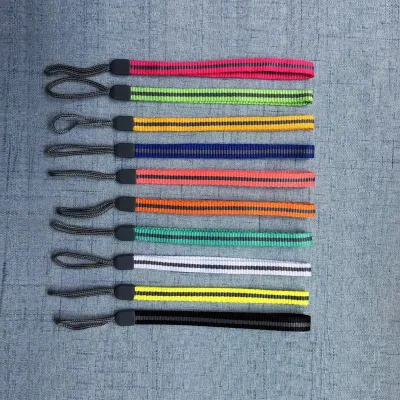
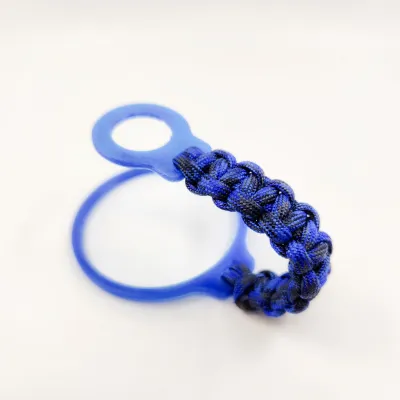
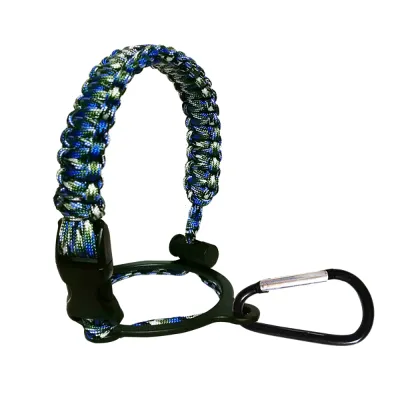
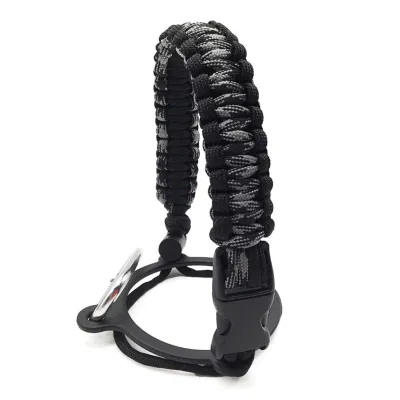
Prices are valid at publication and may change. Please refer to the product page for the latest price.
Different sports and environments dictate highly specific accessory configurations. For instance, an outdoor trail runner navigating dusty paths needs a lid with a protective dust cover to keep the drinking surface clean, whereas a stationary weightlifter requires a high-flow straw lid that allows them to drink without breaking eye contact with their form mirror. In humid tropical climates, condensation on single-walled bottles can make them incredibly slippery, while double-walled vacuum-insulated bottles need protection against drops that could compromise their thermal seal. Understanding these environmental demands prevents you from purchasing generic accessories that do not align with your actual workout conditions.
When shopping for upgrades, you must distinguish between universal-fit aftermarket parts and brand-specific proprietary components. While items like silicone protective boots, carrying slings, and cleaning brushes often feature flexible designs that accommodate various brands, critical components like lids, straw mechanisms, and replacement gaskets are rarely interchangeable. A lid that is off by even a fraction of a millimeter will fail to form a watertight seal, leading to messy leaks in your gym bag. Always prioritize checking your tumbler manufacturer’s official accessory ecosystem before attempting to source third-party alternatives.
Selecting Cleaning Tools for Hygiene and Longevity
Maintaining a sterile environment inside your sports tumbler is crucial for both your health and the longevity of the bottle. Because sports drinks, electrolyte powders, and even natural saliva introduce sugars and bacteria into the container, a simple rinse under the tap is insufficient. Over time, a thin biofilm can develop on the interior walls, leading to persistent odors and potential health risks. To combat this, you need a dedicated cleaning kit that can reach every hidden corner of your bottle’s assembly.

The material of your cleaning brushes plays a significant role in preserving the integrity of your tumbler’s interior. Standard stiff nylon bristles can micro-scratch the inner surfaces of stainless steel or plastic bottles over time. These microscopic scratches create ideal hiding spots for bacteria and mold to anchor, making future cleaning even more difficult. Instead, opt for soft silicone bottle brushes; they are highly durable, non-abrasive, and do not absorb moisture or odors, ensuring they remain hygienic between uses.
Deep-cleaning requires specialized tools designed for complex lid geometries. Mold and bacteria thrive in the dark, damp crevices of straw channels, bite valves, and the deep grooves where silicone gaskets sit. A comprehensive cleaning kit should include ultra-thin wire brushes with soft nylon tips to clean the interior of reusable straws without puncturing them. Additionally, a detail cleaning tool featuring a small, stiff-bristled brush and a gentle gasket removal pick is essential for prying out sealing rings without tearing the delicate silicone.
Before purchasing any cleaning aids, sanitizing tablets, or specialized detergents, always consult your tumbler’s original care instructions. While some modern sports bottles are rated as top-rack dishwasher safe, many double-walled vacuum-insulated models must be hand-washed to prevent high temperatures from damaging the vacuum seal. Using harsh chemical cleaners or abrasive steel wool can strip away protective interior coatings, so stick to mild dish soaps, warm water, and non-scratch cleaning tools specifically rated for sports gear.
Choosing Replacement Lids and Straws for Active Use
The lid is the primary interface between you and your hydration, making it the most critical component to customize based on your physical activity. A standard screw-cap lid is excellent for leak prevention during transport, but it is highly impractical when you need a quick sip while cycling or running. For high-movement sports, a one-handed push-button chug lid or a flexible bite-valve straw lid allows you to drink quickly without losing focus or stopping your momentum. Conversely, for low-impact activities like yoga or stationary strength training, a simple, high-flow straw lid is often preferred as it eliminates the need to tilt the bottle.
When cycling or running near traffic, your primary focus must remain on your surroundings. Attempting to drink from a complicated lid while moving increases your risk of accidents; if a route requires high concentration, always stop in a safe zone before hydrating. Equipment cannot replace situational awareness, so choose a lid that requires the absolute minimum amount of physical and visual attention to operate safely.
To avoid the frustration of purchasing incompatible parts, you must measure your tumbler with precision before buying replacement lids. Do not rely on visual estimation alone. Use a ruler or caliper to measure the exact outer diameter of the bottle’s mouth, and carefully inspect the thread pattern. Determine whether your bottle features internal threads (where the lid screws inside the neck) or external threads (where the lid wraps around the outside). Additionally, note the thread pitch and the number of thread rotations; even minor variations between brands will prevent a secure, leak-proof connection.
Material quality is paramount when selecting replacement straws and bite valves, as these components are subjected to constant moisture and physical wear. Look for medical-grade, BPA-free silicone for bite valves and flexible straw tips, as this material resists cracking, remains pliable in cold temperatures, and is easy to sanitize. For rigid internal straws, durable materials like Eastman Tritan copolyester are highly recommended because they resist bending, do not retain food odors, and can withstand repeated cleaning cycles without clouding or degrading.
Picking Carrying Solutions and Protective Sleeves
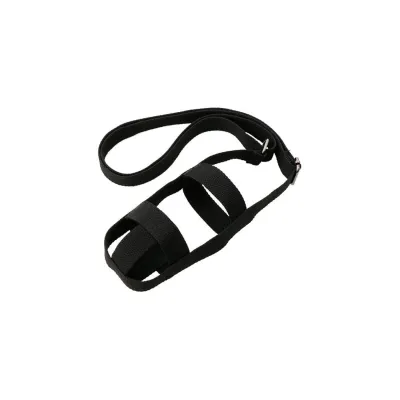
Transporting a heavy, water-filled tumbler during outdoor activities requires a secure and comfortable carrying solution. If your hands are already occupied with trekking poles, climbing gear, or gym bags, a hands-free carrying accessory is indispensable. For hikers and backpackers, heavy-duty carabiner clips made of aerospace-grade aluminum allow you to secure your bottle directly to your pack’s daisy chain or harness. For urban commuters or light walkers, an adjustable paracord sling or a padded neoprene shoulder strap distributes the weight evenly across your body, keeping your hands free.
For high-mobility sports or cycling, ensure your carrying method does not interfere with your physical balance or mechanical parts like bicycle spokes. A loose strap catching on a moving part can cause immediate loss of control, so always secure loose ends before setting off. If you are navigating technical terrain or steep climbs, prioritize carrying solutions that keep the bottle flush against your body to prevent it from swinging and throwing off your center of gravity.
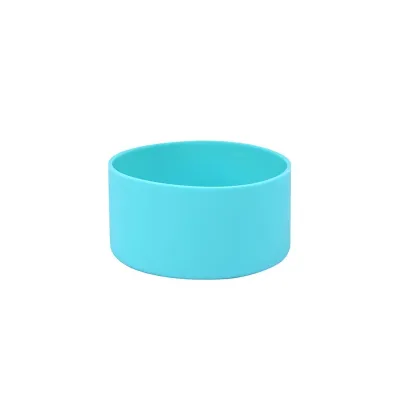
Protective sleeves and boots serve as the primary defense against physical damage, which is especially important for vacuum-insulated stainless steel tumblers. A hard drop onto concrete can dent the outer wall of a double-walled bottle, causing the vacuum seal to fail and permanently destroying its insulation capabilities. Silicone bumper boots slip over the bottom of the bottle, absorbing impact shock and preventing the loud metallic clanging sound when placing the bottle on hard surfaces. Neoprene full-body sleeves offer comprehensive scratch protection and help absorb exterior condensation, though they do add a layer of bulk and require regular washing to prevent sweat odors.
When adding external carrying gear or protective sleeves, always consider the trade-off between protection and overall weight. A heavy-duty utility pouch with integrated pockets for your keys, cards, and phone might seem convenient for the gym, but the added bulk can make the tumbler too heavy for long-distance trail runs or cycling cages. Ensure that any sleeve or boot you select maintains a snug, non-slip fit without adding unnecessary weight that could cause physical fatigue during extended outdoor excursions.
Building Your Accessory Kit by Sport and Activity
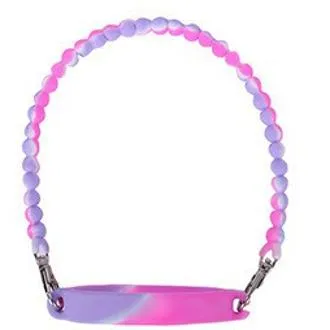
Optimizing your hydration setup involves assembling a curated kit of accessories tailored to your primary fitness pursuits. For high-mobility, fast-paced sports like road cycling, running, or group fitness classes, your kit should focus on minimalism and rapid access. A lightweight silicone bottom boot to prevent rattling in bottle cages, paired with a high-flow, leak-proof chug lid and a slim finger-loop strap, provides the perfect balance of protection and speed without adding unnecessary bulk to your gear.
For outdoor endurance activities, day hikes, or multi-hour gym sessions, a more comprehensive protection and carrying kit is required. This setup should feature a full-body neoprene carrying sling with an integrated shoulder strap to keep your hands free on uneven terrain. Pair this with a straw lid equipped with a secure dust cover to keep trail debris away from your mouthpiece, and pack a compact, travel-friendly straw cleaning brush in your gear bag to maintain hygiene during multi-day trips.
If you own multiple tumblers from different manufacturers, creating a compatibility matrix can prevent redundant purchases and save money. Before buying new accessories, list the mouth diameters, base widths, and lid thread styles of all your bottles. You may find that a single high-quality carrying sling or a universal cleaning kit can service your entire collection, allowing you to swap accessories seamlessly depending on the length and intensity of your scheduled workout.
Frequently Asked Questions (FAQ)
Are tumbler accessories universally compatible across all brands?
No, tumbler accessories are rarely universally compatible, particularly when it comes to lids, straws, and gaskets. While some external accessories like flexible silicone boots or carrying slings can stretch to fit a range of bottle sizes, lids rely on highly precise, proprietary thread patterns and mouth diameters unique to each manufacturer. To ensure a proper fit, always measure the exact outer diameter of your bottle’s mouth and consult the manufacturer’s official compatibility charts before purchasing third-party replacements.
How often should I replace my tumbler straws and silicone gaskets?
Rather than relying on a strict timeline, you should inspect your straws and silicone gaskets regularly for physical and visual signs of wear. Replace these components immediately if you observe permanent discoloration, black mold spots that cannot be scrubbed away, lingering odors, or visible cracking in the material. Additionally, if your lid begins to leak or loses its suction during use, it is a clear sign that the silicone gasket has lost its elasticity and needs to be replaced to restore a proper seal.
Can I use a silicone sleeve on a vacuum-insulated tumbler?
Yes, you can safely use a silicone sleeve on a vacuum-insulated tumbler, but it is important to understand its primary function. Because vacuum-insulated bottles rely on an internal vacuum barrier to retain temperature, an external silicone sleeve will not significantly improve or hinder the bottle’s thermal performance. Instead, the sleeve provides valuable drop protection, prevents dents that could ruin the vacuum seal, improves your grip when your hands are sweaty, and eliminates the metallic clanging sound when setting the bottle down.

Community discussion
Share your experience or ask a question. Comments are reviewed before publication.