
Navigating Singapore’s extensive Park Connector Network (PCN) offers a scenic, well-paved escape for casual cyclists, commuters, and weekend fitness enthusiasts. However, outfitting your bicycle does not require a professional racer’s budget or an endless array of high-tech gadgets. To enjoy these shared paths safely and comfortably, you only need a select group of essential accessories that ensure regulatory compliance, basic safety, and protection from the tropical elements.
Choosing the right gear involves distinguishing between what is legally required, what is highly practical for local weather, and what is simply unnecessary for casual riding. By focusing on functional, high-utility items, you can keep your bicycle lightweight, easy to maintain, and perfectly suited for the unique conditions of Singapore’s shared pathways.
Assessing Your PCN Riding Style and Needs
Before purchasing any bicycle accessories, evaluate your typical riding habits to establish a baseline of what you actually need. A cyclist who only rides for an hour on sunny Sunday afternoons requires a very different setup than a commuter navigating the PCN during early morning twilight or late evening hours. Your riding schedule directly dictates your visibility needs, especially during the transition hours when natural light fades quickly.
Products mentioned in this guide
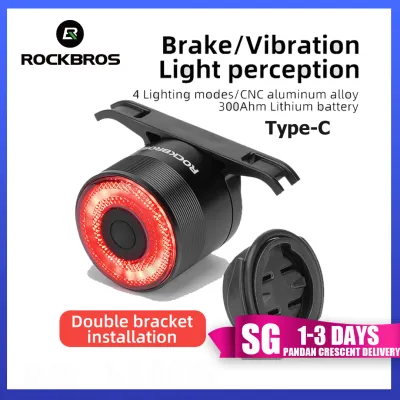
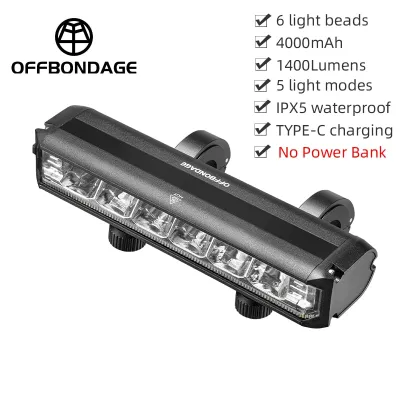
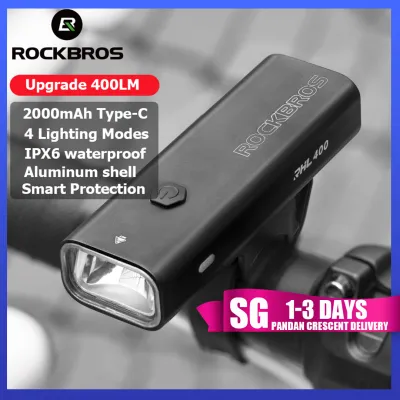
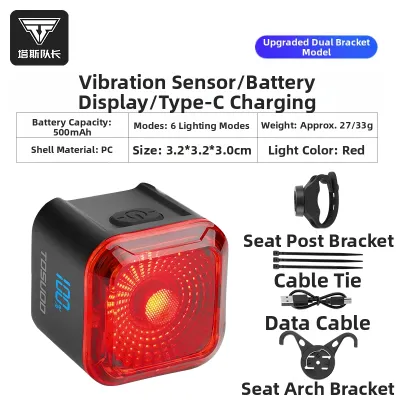
Prices are valid at publication and may change. Please refer to the product page for the latest price.
Ride duration and distance also play a major role in determining your gear list. Short, casual loops of five to ten kilometers require minimal preparation, whereas longer journeys along routes like the Eastern Coastal Loop demand reliable hydration solutions and basic repair tools. Assessing these distances beforehand prevents you from carrying unnecessary weight on shorter trips while ensuring you are not left stranded on longer excursions.
Finally, consider your personal cargo requirements during casual rides. If your PCN journeys include stopping by a local market, carrying a camera, or commuting to work, you will need secure storage solutions. Understanding whether you need to transport personal effects or simply want to ride unencumbered helps you choose between integrated bicycle bags and simple wearable options.
Essential Accessories for Safety and Compliance
Safety and regulatory compliance are the most critical factors when outfitting your bicycle for the PCN. Local active mobility regulations require specific equipment to ensure that all path users can coexist safely. Investing in reliable, high-quality safety gear is the first step before taking your bicycle out onto any shared path.

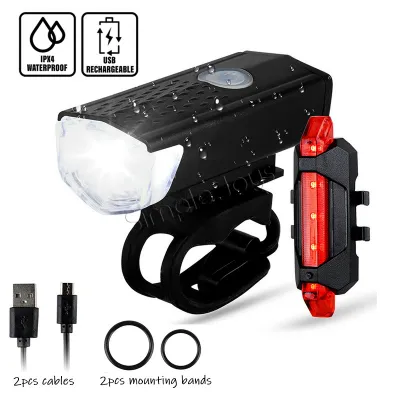
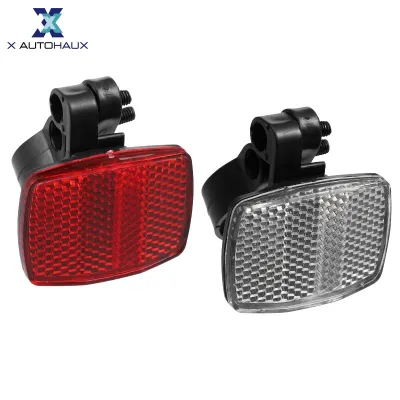
Front and rear lights are absolutely essential for visibility, even if you do not plan on riding late at night. Singapore’s tropical climate can bring sudden, heavy overcast conditions that dramatically reduce visibility within minutes. A bright, white front light and a red rear light help other path users, including pedestrians and personal mobility device users, spot you from a safe distance. Look for lights with multiple modes, such as a steady beam for dark stretches and a flashing mode for daytime visibility.
An audible warning device, such as a clear-sounding bicycle bell, is another mandatory requirement for riding on shared paths. The PCN is a shared space, and you will frequently need to alert pedestrians before overtaking them. A polite ring from a reasonable distance gives others ample time to step aside, preventing sudden movements and potential collisions. Choose a bell that is easy to reach with your thumb without releasing your grip on the handlebars.
Head protection is a fundamental safety consideration for any cyclist. When selecting a bicycle helmet, verify that it carries recognized safety certification labels, such as CE EN1078 or equivalent international standards, which indicate the helmet has undergone rigorous impact testing. Ensure the helmet fits snugly on your head without rocking, with the front edge sitting about two finger-widths above your eyebrows, and that the straps form a clean “V” shape under your ears.
Given Singapore’s high humidity and warm temperatures, a reliable hydration solution is non-negotiable. Dehydration can set in quickly, even during leisurely rides. Installing a lightweight bottle cage on your bicycle frame allows you to carry a dedicated water bottle within arm’s reach. This setup is far more comfortable and cooler than wearing a heavy backpack, which can trap heat against your back.
Highly Recommended Accessories for Comfort and Convenience
Once your safety and compliance needs are met, you can focus on accessories that enhance your comfort and protect you from local environmental conditions. These practical additions help you handle sudden weather changes and minor mechanical issues without disrupting your ride.
Fenders and mudguards are highly recommended for anyone riding regularly in Singapore. Tropical downpours can occur with little warning, leaving the PCN paths wet and covered in puddles long after the rain has stopped. Without mudguards, your spinning tires will spray water, mud, and road grit directly onto your back and legs. Lightweight, clip-on fenders offer an easy-to-install solution that keeps you and your clothing clean.
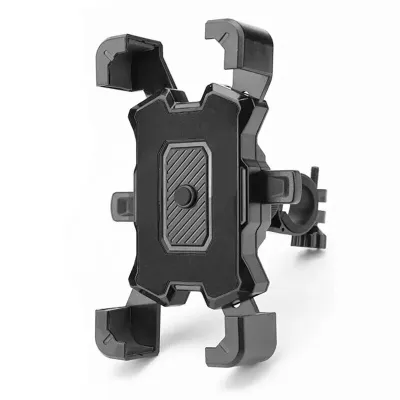
Secure phone mounts and small handlebar bags provide excellent convenience for navigation and storage. A sturdy handlebar mount keeps your phone visible if you are using maps to navigate new sections of the PCN, ensuring the device remains locked in place over bumps. For carrying keys, cash, and small personal items, a compact handlebar or top-tube bag keeps your essentials dry and easily accessible without the need for a backpack.
Preparing for minor mechanical issues can save you from a long walk home. A compact repair kit consisting of a portable mini pump, tire levers, and a spare inner tube or patch kit fits easily into a small saddle bag under your seat. While the PCN is generally well-maintained, stray debris can occasionally cause punctures, and being able to perform a quick roadside repair keeps you self-sufficient.
Your choice of riding apparel also impacts your comfort on the trail. Lightweight, moisture-wicking shirts and breathable shorts help manage sweat in the humid climate. Additionally, carrying a highly packable, lightweight rain cape or windbreaker in your bag ensures you are prepared for sudden showers, while UV-protective arm sleeves can shield your skin during midday sun.
Optional Upgrades: When to Invest in Extra Gear
It is easy to get swept up in professional cycling trends, but many high-end accessories are unnecessary for casual PCN riding. Recognizing which upgrades are optional helps you avoid spending money on gear that offers little practical benefit for leisurely paces.
Clipless pedals and specialized cycling shoes are a prime example of gear that is generally unnecessary for the PCN. These systems lock your shoes into the pedals for maximum power transfer, which is useful for road racing but impractical on shared paths. The PCN requires frequent stops, slow turns, and yielding to pedestrians, making standard flat pedals and comfortable sneakers a much safer and more practical choice.
Advanced GPS cycling computers are another upgrade that casual riders can safely skip. While these devices offer detailed metrics like cadence, power output, and heart rate tracking, a standard smartphone equipped with a free tracking app is more than sufficient for monitoring your distance and speed. Save the investment in dedicated GPS units unless you transition to long-distance road training.
Your choice of bicycle lock should match your parking habits. If you only stop briefly at PCN pitstops or convenience stores where your bicycle remains within your line of sight, a lightweight cable lock is sufficient to deter opportunistic theft. Heavy-duty, high-security U-locks are heavy to carry and only necessary if you plan to leave your bicycle unattended at major transit hubs or public racks for extended periods.
Similarly, aerodynamic helmets and tight, professional-grade cycling jerseys provide no tangible benefit at typical PCN speeds. Leisurely riding does not generate enough wind resistance for aerodynamics to matter. Instead, prioritize loose, comfortable, and highly ventilated clothing that maximizes airflow and keeps you cool in the tropical heat.
Building Your Starter Accessory Checklist
To help you finalize your gear decisions, use this structured checklist to prioritize your purchases based on your immediate riding plans.
Tier 1: Safety and Compliance (Acquire Before Your First Ride)
- Front White Light & Rear Red Light: Essential for low-light visibility and sudden rain storms.
- Bicycle Bell: Required for alerting other path users on shared routes.
- Certified Bicycle Helmet: Properly fitted to protect against head injuries.
- Bottle Cage & Water Bottle: To maintain hydration in hot, humid weather.
Tier 2: Comfort and Convenience (Add for Longer or Frequent Rides)
- Clip-on Fenders: To block water and mud spray from wet paths.
- Phone Mount or Top-Tube Bag: For easy navigation and secure storage of personal items.
- Saddle Bag with Mini Pump & Puncture Kit: To handle unexpected flat tires.
- Breathable, Sun-Protective Apparel: For comfort during extended daytime rides.
Before purchasing accessories like fenders, bottle cages, or bags, check your bicycle frame for compatible mounting points. If you are unsure about sizing, compatibility, or how to install a specific accessory securely, pause and consult a local bicycle shop. Professional advice ensures that your gear is fitted correctly, preventing loose components from interfering with your wheels or brakes while riding.
Frequently Asked Questions (FAQ)
Are helmets legally required for cycling on the PCN?
Under current active mobility regulations in Singapore, wearing a helmet is legally mandatory when riding a bicycle on public roads. On physical Park Connector Network paths and shared footpaths, conventional bicycle riders are not legally mandated to wear a helmet, though it is highly recommended for personal safety. However, riders of power-assisted bicycles (e-bikes) must wear a helmet on all paths where they are permitted. For the most up-to-date rules, always verify current guidelines directly with the Land Transport Authority (LTA).
Do I need a heavy-duty U-lock for PCN cycling?
For typical PCN cycling where you only make brief stops for water or snacks and keep your bicycle within sight, a heavy-duty U-lock is generally not required. A lightweight, flexible cable lock is much easier to carry in a small bag and provides enough basic security to deter someone from walking off with your bike during a quick stop. If you plan to park your bicycle unattended for hours at MRT stations, shopping malls, or public parks, then investing in a robust, high-security U-lock becomes necessary to protect your bicycle.
Community discussion
Share your experience or ask a question. Comments are reviewed before publication.