
A standard plastic Tupperware bottle, including the compact 310ml version, does not inherently keep water cold for extended periods in Singapore’s tropical climate. Because these bottles are typically made of single-wall plastic rather than vacuum-insulated metal, they quickly transfer heat from the surrounding humid air to your beverage. While they are highly durable, leak-resistant, and convenient for short commutes, maintaining a chilled temperature requires active strategies like pre-chilling, using insulated sleeves, or consuming the water shortly after leaving a refrigerator. Understanding these physical limitations helps you plan your hydration strategy effectively when navigating the city’s heat.
Understanding Insulation: Single-Wall vs. Vacuum-Sealed
To set realistic expectations for your 310ml Tupperware bottle, it is essential to understand how different materials interact with Singapore’s ambient heat. Single-wall plastic bottles are made from polymers that possess relatively high thermal conductivity compared to vacuum-insulated containers. When you fill a single-wall plastic bottle with cold water, heat from the warm tropical air passes directly through the thin plastic barrier, rapidly warming the liquid inside. In contrast, double-wall vacuum-insulated flasks feature an airtight gap between two layers of stainless steel, which prevents heat transfer by conduction and convection. Without this vacuum barrier, a plastic bottle will quickly reach equilibrium with the surrounding air temperature.
Before purchasing or using a bottle for outdoor activities, always check the manufacturer’s product labels and official specifications. Look closely for terms like “insulated,” “double-wall,” or “vacuum-sealed.” Standard Tupperware bottles are celebrated for their durability, lightweight design, and airtight seals, but unless a specific model explicitly states it features double-wall insulation, you should assume it is a single-wall container designed for ambient-temperature liquids or short-term cold storage. Verifying these specifications prevents disappointment when you expect a lightweight plastic bottle to perform like a heavy-duty thermal flask.
Products mentioned in this guide
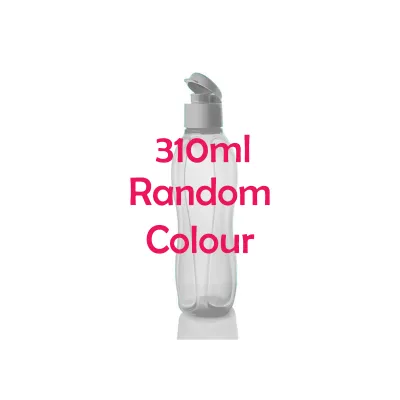
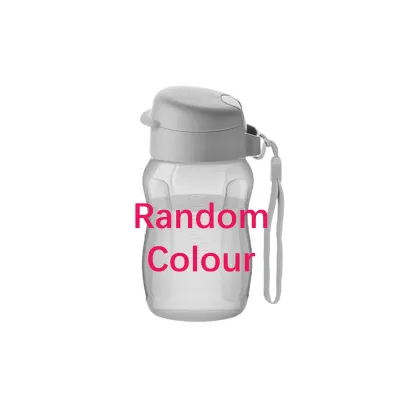
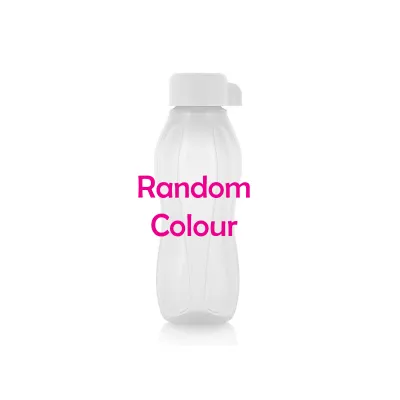
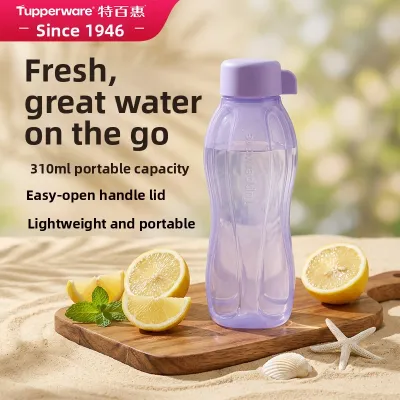
Prices are valid at publication and may change. Please refer to the product page for the latest price.
Another physical reality of using single-wall plastic bottles in high-humidity environments is condensation, commonly referred to as bottle sweating. Singapore’s relative humidity often exceeds 80 percent, meaning the air is saturated with water vapor. When this warm, moist air comes into contact with the cold exterior surface of a chilled plastic bottle, the vapor rapidly cools and condenses into liquid droplets. This condensation can quickly wet the inside of your bag, damage nearby electronics, or make the bottle slippery to hold, requiring proactive management to protect your belongings.
Strategies for Maximizing Cold Retention in High Heat
While a standard plastic bottle lacks built-in thermal barriers, you can employ several practical techniques to prolong the chill of your water during daily outings. Pre-chilling is one of the most effective methods. Instead of filling your bottle with room-temperature water and adding a few ice cubes, fill the bottle with water that has already been thoroughly chilled in the refrigerator overnight. If you plan to add ice, aim for a higher ice-to-water ratio, filling up to half the bottle with ice cubes to act as a thermal reservoir. However, before placing any plastic bottle in the freezer to create a solid block of ice, verify the manufacturer’s guidelines to ensure the specific plastic grade is rated as freezer-safe, as freezing water expands and can crack non-rated plastics.

Minimizing direct exposure to external heat sources is equally critical for preserving water temperature. When commuting or spending time outdoors, avoid leaving your bottle in direct sunlight, on hot concrete benches, or inside parked cars where temperatures can soar rapidly. Placing the bottle inside a shaded backpack compartment rather than an outer mesh pocket can provide a small amount of shielding from ambient heat and direct solar radiation. Even a simple layer of fabric inside your bag can slow down the rate at which warm air circulates around the bottle.
To significantly boost cold retention, consider pairing your 310ml bottle with an external insulating sleeve or a dedicated carrying pouch. Neoprene sleeves, fabric wraps, or padded bottle bags create a physical barrier that slows down the transfer of ambient heat to the plastic surface. These accessories not only help keep your water cooler for longer but also absorb the inevitable condensation, keeping your hands and belongings dry. Choosing a sleeve with a strap also makes it easier to carry during walks through local parks or nature reserves.
Assessing the 310ml Capacity for Tropical Hydration
Evaluating whether a 310ml capacity is sufficient requires looking closely at your activity level and the demands of Singapore’s climate. In hot and humid weather, the human body loses moisture rapidly through sweat, even during low-intensity activities like walking to a train station. A 310ml volume is highly portable and fits easily into small handbags or work totes, making it an excellent choice for short, air-conditioned commutes where refilling stations are readily accessible. It serves well as a quick refreshment option between air-conditioned offices or shopping malls.
However, for prolonged outdoor exertion, sports, or hiking in nature reserves like MacRitchie or Bukit Timah, a 310ml bottle is generally insufficient to meet your hydration needs. During moderate outdoor exercise in tropical heat, fluid loss can easily exceed 500ml to 1 liter per hour. Relying solely on a 310ml bottle without a guaranteed plan to refill it frequently can put you at risk of dehydration. For these scenarios, it is wise to adjust your drinking frequency, sipping small amounts regularly, and plan your route around public water coolers or convenience stores.
Recognizing when to upgrade your hydration gear is key to staying safe. If you find yourself constantly running out of water within the first half-hour of your activity, feeling excessively thirsty, or experiencing mild dehydration symptoms like dry mouth or fatigue, it is time to transition to a larger capacity bottle. For intensive outdoor sports or long-distance walking, upgrading to a 500ml or 750ml dedicated sports hydration system or a vacuum-insulated flask is highly recommended to ensure you have an adequate supply of cool water.
Care and Maintenance in Humid Conditions
Singapore’s warm and humid climate provides an ideal breeding ground for bacteria, mold, and mildew, making rigorous hygiene essential for plastic water bottles. To prevent unpleasant odors and biofilm buildup, wash your 310ml Tupperware bottle daily with warm, soapy water. Use a soft bottle brush to reach the bottom and inner curves without scratching the plastic. After washing, place the bottle and its lid upside down on a drying rack in a well-ventilated area, ensuring they are completely dry before storing them in a cupboard. If a stubborn odor develops, a gentle rinse with a diluted baking soda solution can help neutralize it without damaging the material.
Pay close attention to the bottle’s lid assembly, threading, and any removable silicone seals or gaskets. Mold thrives in the tiny crevices of screw caps and seals where moisture can easily become trapped. Periodically remove the silicone gaskets if the design allows, clean them thoroughly, and inspect them for black spots or discoloration. If you notice persistent mold that cannot be cleaned, or if the seals begin to degrade and lose their elasticity, replace the parts or the bottle entirely to maintain a hygienic seal and prevent leaks.
Finally, establish clear safety boundaries for when to retire your plastic bottle. Over time, daily wear and tear can cause plastic to develop fine scratches, a cloudy appearance, or persistent odors that do not fade after washing. Scratches on the inner surface can harbor bacteria that are difficult to sanitize. If your bottle shows deep scratches, structural cracks, or significant discoloration, it is best to retire it from active use to ensure your drinking water remains clean and safe.
Frequently Asked Questions (FAQ)
Can I put ice cubes in a standard plastic Tupperware bottle?
Yes, you can generally put ice cubes in a standard plastic Tupperware bottle, provided the ice cubes fit through the neck opening without forcing them. However, you must verify the manufacturer’s temperature tolerance labels on the bottom of the bottle or in the user guide. Standard plastic bottles are designed to handle cold and ambient temperatures, but they can experience stress if subjected to extreme, rapid temperature shifts. To avoid damaging the structural integrity of the plastic, ensure the bottle is at room temperature before adding ice, and avoid using the bottle if it shows any signs of stress fractures or micro-cracks.
How do I stop my water bottle from sweating in humid weather?
While you cannot stop the physical process of condensation in Singapore’s high humidity, you can manage its effects effectively. The most practical solution is to slide your 310ml bottle into a snug neoprene sleeve or an absorbent fabric pouch, which traps the moisture and prevents it from transferring to your hands or bag. If you do not have a sleeve, keep a small microfiber cloth handy to wipe down the exterior of the bottle regularly. Additionally, avoid placing a sweating bottle directly onto moisture-sensitive surfaces like wooden desks, paper documents, or next to unprotected electronic devices inside your backpack.

Community discussion
Share your experience or ask a question. Comments are reviewed before publication.