
When planning a family outdoor getaway, keeping everyone dry and comfortable is often the highest priority. The waterproof rating on a camping family tent—typically expressed in millimeters (mm)—indicates how much water pressure the fabric can withstand before moisture begins to seep through. Understanding these numbers helps you choose a shelter that can handle unexpected downpours without adding unnecessary weight or cost to your gear setup.
For families camping in tropical climates, where sudden afternoon squalls and high humidity are common, selecting the right rating is crucial. A tent that fails to keep out water can quickly turn a fun weekend into a damp, uncomfortable experience. By decoding these specifications, you can make an informed decision that balances weather protection with comfort and ventilation.
Understanding the Hydrostatic Head (mm) Rating
The millimeter rating on a tent fabric refers to the hydrostatic head test, which is the standard method used to measure water resistance in outdoor textiles. During this laboratory test, a column of water is placed over a piece of taut tent fabric. Technicians gradually increase the height of the water column, which increases the pressure exerted on the material, until water drops begin to penetrate the fabric in three distinct places.
Products mentioned in this guide
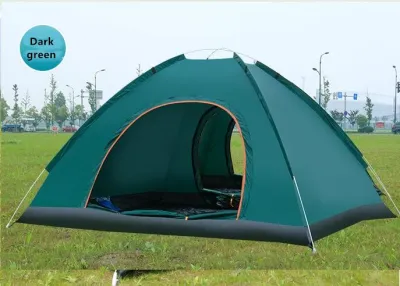
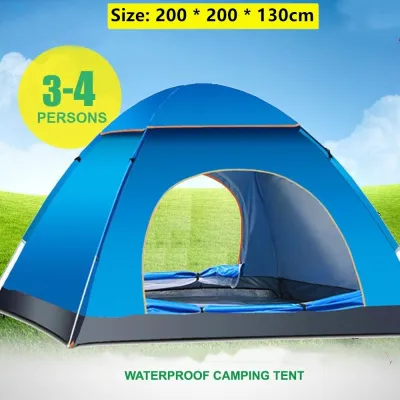
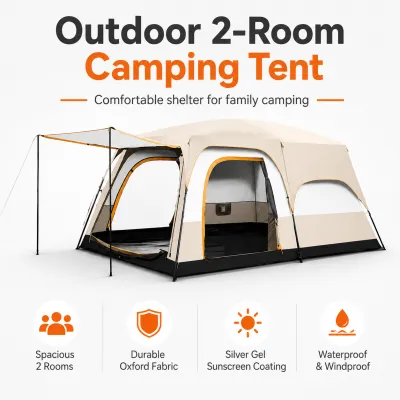
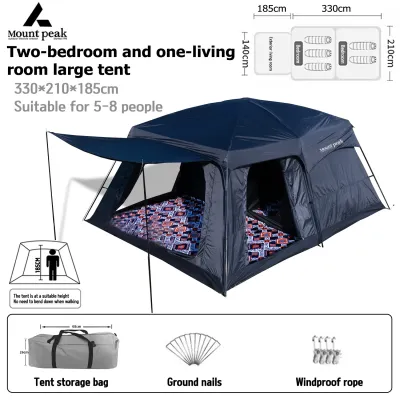
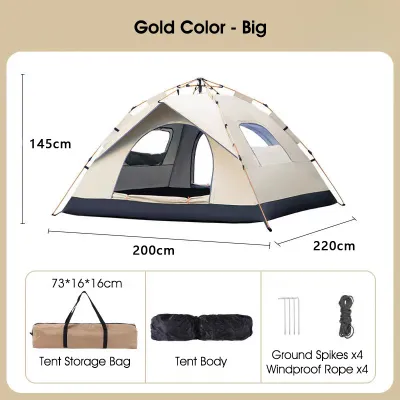
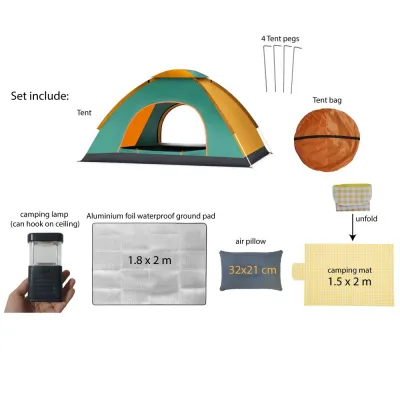
Prices are valid at publication and may change. Please refer to the product page for the latest price.
If a camping family tent has a rating of 2,000mm, it means the fabric successfully resisted the pressure of a 2,000-millimeter-tall column of water before leaking. This measurement focuses entirely on pressure rather than the volume of rainfall. It provides a standardized way to compare the baseline water resistance of different materials under controlled conditions.
While a higher millimeter rating indicates greater resistance to water pressure, it does not automatically make a tent superior for every camping scenario. Thicker coatings can make the fabric heavier, less packable, and less breathable. For family campers, the goal is to find a rating that matches the expected weather conditions of your destination rather than simply choosing the highest number available.
How Waterproof Ratings Translate to Real-World Weather
In the field, abstract millimeter ratings translate directly to how well your shelter handles different intensities of rainfall. Fabrics rated between 1,000mm and 1,500mm are generally considered water-resistant and are suitable for light, brief showers or fair-weather summer camping. These tents rely on light coatings that keep the fabric highly breathable, which is ideal for warm, dry climates.

When ratings reach 2,000mm to 3,000mm, the tent is equipped to handle steady, moderate rain over extended periods. This range is often the sweet spot for family camping, providing reliable protection against typical seasonal weather changes. The fabric can withstand the added pressure of wind-driven rain, which pushes water against the tent walls with much greater force than gravity alone.
Physical contact also increases localized pressure on the tent fabric. If a sleeping bag, cot, or backpack presses against the inside of a wet tent wall, it can draw moisture through fabrics with lower waterproof ratings. Wind gusts also flap the rainfly against the inner tent structure, creating pressure points that require a resilient fabric coating to remain dry.
It is important to remember that manufacturer ratings are established under pristine laboratory conditions. In the real world, factors such as UV exposure, dirt, wind tension, and the age of the tent will gradually reduce the fabric’s effective water resistance. A rating that offers a comfortable margin of safety ensures the tent remains dry even as these environmental factors take their toll.
Choosing the Right Rating for Your Family Camping Tent
Selecting the ideal waterproof rating depends heavily on where and when your family plans to camp. For casual summer camping in dry regions, a tent with a 1,500mm rainfly rating offers sufficient protection while keeping the shelter lightweight and well-ventilated. This setup prevents stuffiness inside the tent, which is especially important when multiple family members share the same sleeping space.
If your adventures take you to areas prone to unpredictable weather, shoulder-season storms, or tropical downpours, aiming for a rainfly rating of 2,000mm to 3,000mm is a safer choice. This level of protection helps ensure that a sudden midnight storm will not result in damp sleeping gear. It provides the necessary barrier against heavy rain without completely sacrificing the breathability needed to manage interior condensation.
However, higher waterproof ratings come with distinct trade-offs that family campers must consider. To achieve ratings of 5,000mm or more, manufacturers apply thicker polyurethane coatings to the fabric. This process adds significant weight and bulk to the tent, making it harder to pack and transport. Furthermore, highly coated fabrics restrict airflow, which can lead to heavy condensation buildup on the interior walls in humid environments.
Before purchasing, always research the typical climate and seasonal weather patterns of your preferred camping destinations. Balancing the waterproof rating against the tent’s ventilation features, such as mesh panels and ground vents, ensures a comfortable interior environment. A well-ventilated tent with a moderate, reliable waterproof rating often performs better in humid conditions than a highly coated, airtight shelter.
Beyond the Fly: Floor Ratings and Seam Construction
A dry camping experience requires looking beyond the rainfly rating to evaluate the tent floor and structural seams. The tent floor requires a significantly higher waterproof rating than the walls or fly because it is subjected to constant, concentrated physical pressure. When family members walk, kneel, or sleep inside the tent, their body weight presses the fabric directly into the damp ground, forcing moisture upward.
For this reason, high-quality family tents often feature floor ratings of 3,000mm to 10,000mm, or utilize heavy-duty polyethylene materials that are inherently waterproof. A robust floor fabric prevents groundwater from seeping through, even when the tent is pitched on saturated soil or wet grass. This protection is vital for keeping sleeping pads, sleeping bags, and personal gear dry throughout the night.
Even the most waterproof fabric will fail if the seams are not properly constructed. Every line of stitching creates thousands of tiny needle holes that can easily allow water to penetrate. High-quality tents feature factory-taped or sealed seams, where a waterproof tape is heat-applied over the stitching on the inside of the fabric to block water entry.
Before heading out on a family trip, use this quick checklist to inspect your tent’s waterproofing features:
- Verify that the rainfly and floor seams are fully taped with no peeling or lifting.
- Check for protective storm flaps or water-resistant zippers over all doors and windows.
- Ensure the floor has a bathtub design, meaning the waterproof floor material wraps several inches up the sides of the tent before meeting the wall seams.
- Inspect the fabric for any thin spots or unevenness in the waterproof coating.
Frequently Asked Questions (FAQ)
Does a higher waterproof rating mean the tent will last longer?
A higher waterproof rating does not guarantee a longer lifespan for your tent. The millimeter rating measures resistance to water pressure, which is distinct from fabric tear strength, thread count, or resistance to ultraviolet (UV) degradation. In fact, prolonged exposure to sunlight is the primary cause of tent fabric breakdown, regardless of the initial waterproof rating.
Waterproof coatings can also degrade over time due to heat, humidity, and improper storage. To maintain your tent’s performance, store it completely dry in a cool, well-ventilated area, and avoid packing it away while damp. Following the manufacturer’s care instructions will help preserve both the fabric strength and the water-resistant coatings for many seasons.
Can I improve the waterproof rating of my existing family tent?
While you cannot easily increase the factory-applied millimeter rating of a fabric, you can restore and maintain its original water resistance. Over time, the durable water repellent (DWR) coating on the outside of the rainfly can wear off, causing water to soak into the fabric rather than bead up and roll off. You can refresh this barrier using aftermarket waterproofing sprays designed specifically for outdoor gear.
Before applying any treatment, always consult the manufacturer’s care label to ensure compatibility with your tent’s specific material. The restoration process typically involves cleaning the tent thoroughly with a gentle, gear-specific soap, allowing it to dry, and then applying a seam sealer to any worn seams. Finally, spray a thin, even layer of water repellent onto the exterior of the rainfly and allow it to cure completely before packing the tent away.
Community discussion
Share your experience or ask a question. Comments are reviewed before publication.