
When your grip begins to fail before your target muscles are fully fatigued, adding a lifting strap to your gym bag is a practical way to keep progressing. There is no universally superior lifting strap, as the optimal choice depends entirely on your primary exercises, training intensity, and personal safety preferences. For lifters in Singapore navigating humid gym environments where sweat can quickly compromise a bare-handed grip, selecting the right design is crucial. Figure 8 straps excel at maximal heavy pulls where absolute security is required, Lasso straps offer a versatile and dynamic option for varied strength routines, and Hook straps provide rapid transitions during high-volume hypertrophy work.
Understanding the Core Mechanics of Each Lifting Strap Design
To choose the right accessory, you must first understand how structural differences alter grip mechanics, wrist anchoring, and load distribution. Figure 8 straps use a dual-loop design that wraps around your wrist, passes under the bar, and loops back over your wrist, mechanically locking you to the barbell. This configuration shifts the load directly to your wrists and forearms, reducing the need for active hand squeezing.
Lasso straps consist of a single strip of material with a loop at one end. You thread the tail through the loop to form a wrist cuff, then wrap the remaining material around the bar in the opposite direction of your grip. This relies on a combination of material friction and active hand pressure to maintain security, allowing you to adjust the tightness dynamically.
Products mentioned in this guide
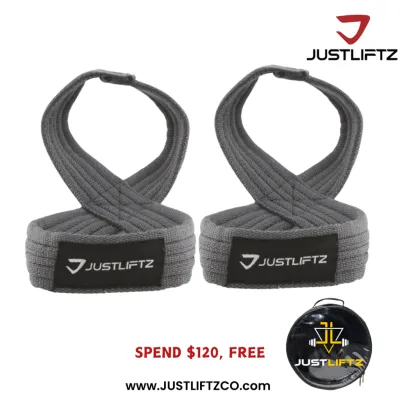
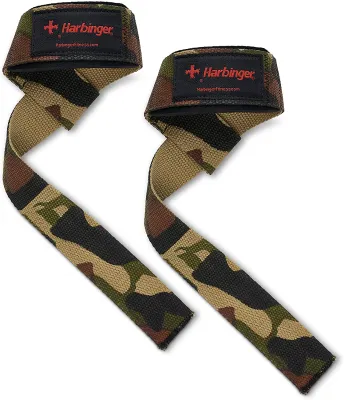
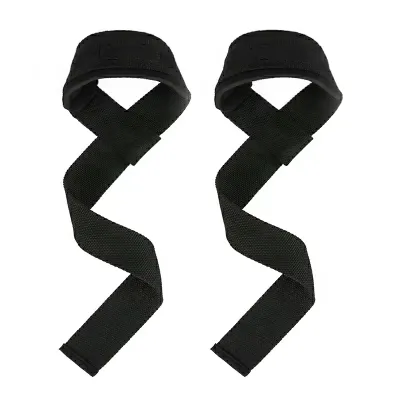
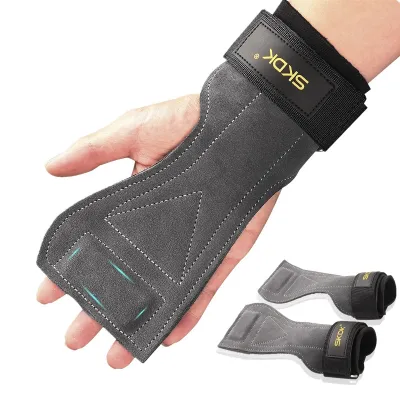
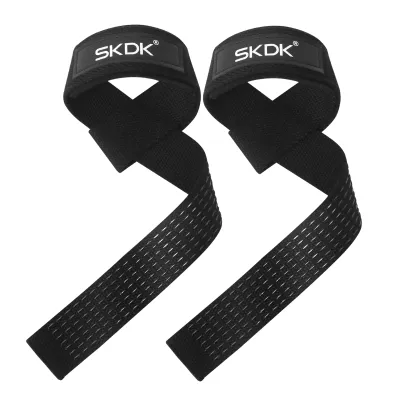
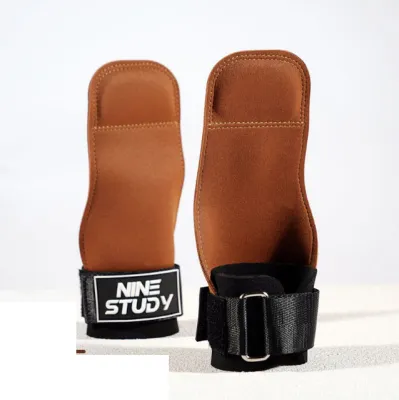
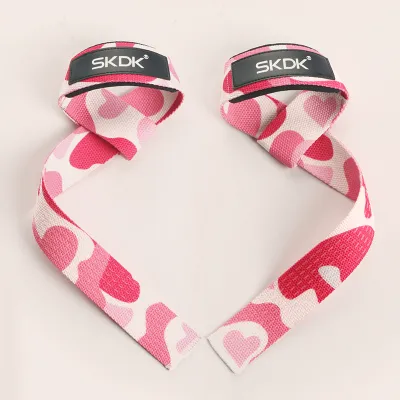
Prices are valid at publication and may change. Please refer to the product page for the latest price.
Hook straps feature a wide wrist wrap integrated with a rigid metal or plastic hook that cradles the bar. Instead of wrapping fabric, you simply place the hook under the barbell or handle. This design eliminates the setup time and learning curve associated with fabric wraps, though it relies heavily on the physical dimensions of the hook matching the bar diameter.
Figure 8 Straps: Maximum Security for Heavy Deadlifts
If your training revolves around heavy conventional or sumo deadlifts, heavy shrugs, and strongman events, Figure 8 straps offer exceptional security. Because the bar is physically trapped within the double loop, your grip remains secure even if your fingers completely open up. This makes them highly favored for testing one-repetition maximums where grip fatigue cannot be a limiting factor.

However, this absolute security comes with a significant trade-off: there is no quick-release mechanism. If you lose your balance or need to drop the barbell quickly during a failed lift, you cannot easily detach yourself from the bar. For this reason, Figure 8 straps are highly unsuitable for Olympic lifts like snatches or cleans, and can be cumbersome for rowing movements where you need to adjust your hand position frequently.
When selecting a Figure 8 strap, proper fit and sizing checks are essential. You should measure your hand and wrist circumference according to the manufacturer’s sizing chart. A loop that is too large will allow the bar to hang too low, while a loop that is too small can restrict blood flow or pinch your skin uncomfortably against the knurling under heavy loads.
Lasso Straps: Versatility for High-Volume and Dynamic Lifts
The traditional Lasso strap is a highly common design found in commercial gyms across Singapore, offering a balanced mix of security and quick adjustability. They are well-suited for Romanian deadlifts, barbell rows, pull-ups, and snatch or clean pulls. Because you can quickly let go of the tail to release the bar, they are much safer for dynamic movements than Figure 8 designs.
Despite their versatility, Lasso straps have limitations under extreme loads. If wrapped incorrectly, they can cause uneven load distribution across your wrists, leading to localized pressure points or skin chafing. The friction-dependent design also means that if your wrap is loose, the strap can slip, especially when training in non-air-conditioned spaces where sweat reduces material friction.
To ensure safety and performance, perform a wrapping technique check before every set. Ensure the tail of the strap aligns with the direction of your grip, wrapping under and around the bar in the opposite direction of your fingers. The material should sit snugly between your thumb and index finger, allowing you to lock it down with your hand pressure.
Hook Straps: Quick Release and Speed for Bodybuilding
For lifters focused on muscle isolation, high repetitions, and rapid set transitions, Hook straps offer an efficient alternative. They are particularly useful for lat pulldowns, dumbbell rows, shrugs, and high-volume hypertrophy work where you want to isolate the target muscle without waiting to wrap fabric. You simply hook and pull, making them highly convenient during fast-paced supersets.
However, Hook straps have clear limitations when it comes to heavy barbell deadlifts. The rigid hook cannot conform to every bar diameter, which can cause slipping on exceptionally thick or heavily knurled bars. Additionally, because you are not wrapping the bar, you lose the tactile feedback of your hands directly contacting the steel, which some lifters find disorienting during heavy compound movements.
Safety with Hook straps depends heavily on hardware and padding checks. Before each workout, inspect the metal or plastic hook for any signs of stress fractures, bending, or peeling protective coatings. You should also verify that the wrist padding and hook attachment stitching remain intact, as any structural failure under load can lead to sudden drops.
Direct Comparison: Matching Strap Types to Specific Exercises
To help you map your training phases to the correct accessory, consider how each design performs across key exercises and operational metrics.
| Exercise / Metric | Figure 8 Straps | Lasso Straps | Hook Straps |
|---|---|---|---|
| Heavy Floor Pulls | Excellent (Maximum security) | Good (Requires strong wrap) | Fair (Limited by hook shape) |
| Olympic Variations | Not Recommended (Dangerous) | Good (Allows quick release) | Not Recommended (Rigid) |
| Machine Isolation | Poor (Overkill, slow setup) | Good (Versatile) | Excellent (Instant setup) |
| Setup Speed | Slow | Moderate | Fast |
| Ease of Release | Difficult | Easy | Instant |
When comparing materials, cotton straps are soft and absorb sweat well in Singapore’s climate, but they may stretch over time. Nylon is highly durable and resistant to fraying under extreme loads, though it can feel slick when wet and may require chalk. Leather offers a premium, molded fit once broken in, but requires regular maintenance to prevent drying and cracking.
How to Choose the Right Lifting Strap for Your Routine
To finalize your selection, evaluate your current training goals and physical constraints through a conditional decision framework.
Choose Figure 8 straps if your primary goal is maximizing your one-repetition maximum on deadlifts, training for strongman events, or if you experience severe grip failure that halts your progress on heavy pulls.
Choose Lasso straps if you need a single, versatile accessory that can transition seamlessly between powerbuilding, Olympic lifting variations, and general strength routines.
Choose Hook straps if you prioritize fast transitions during high-volume bodybuilding splits, prefer machine-based pulling movements, or want to avoid the learning curve of wrapping fabric.
Before purchasing, verify if you have any pre-existing wrist injuries, as the rigid pull of Hook straps or the tight bind of Figure 8 straps may aggravate certain conditions. Additionally, check your local gym’s rules, as some facilities or specific training zones may restrict certain types of equipment for safety reasons.
Frequently Asked Questions (FAQ)
Are lifting straps allowed in powerlifting or weightlifting competitions?
In sanctioned raw powerlifting competitions, lifting straps are generally banned for all competitive attempts, as grip strength is considered an essential part of the lift. However, they are widely accepted in strongman competitions and are commonly used by weightlifters during high-volume training sessions to protect their hands. Always check the specific rulebook of your local federation or gym competition before incorporating straps into your active meet preparation.
How do I clean and maintain my lifting straps to prevent slipping?
To maintain optimal friction and hygiene, check the manufacturer’s label for specific washing instructions. Most cotton and nylon straps can be hand-washed with mild soap and cold water to remove sweat and chalk buildup, while leather straps should only be wiped down with a damp cloth and treated with leather conditioner. Always air-dry your straps completely in a well-ventilated area away from direct sunlight; using a dryer can degrade the fibers, shrink the material, and compromise the structural integrity of the stitching.
Community discussion
Share your experience or ask a question. Comments are reviewed before publication.