
Finding the right kids basketball hoop for a Singapore apartment requires balancing active play with the realities of high-density living. In HDB flats and condominiums, limited floor space, low ceilings, and close proximity to neighbors mean that a standard outdoor hoop is rarely practical. The ideal solution is a compact, noise-dampening, and easily storable setup that fits your specific layout without blocking pathways or creating acoustic disturbances.
To make a successful choice, parents must evaluate their available space, understand local estate guidelines, select the appropriate mounting mechanism, and implement noise-reduction strategies. By focusing on versatile designs like over-the-door mini hoops or highly adjustable freestanding models, you can create a safe and enjoyable play area right at home.
Assessing Your Available Space and Layout Constraints
Before purchasing any kids basketball hoop, measuring your intended play area is the most critical step. Indoor ceiling heights in Singapore apartments typically range from 2.6 to 2.8 meters, which limits the height of the hoop and the trajectory of the ball. You need to measure the vertical clearance from the floor to the ceiling, ensuring there is enough overhead space for both the rim and the arc of a shot.
Products mentioned in this guide
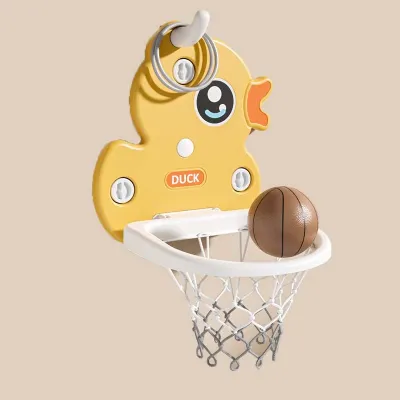
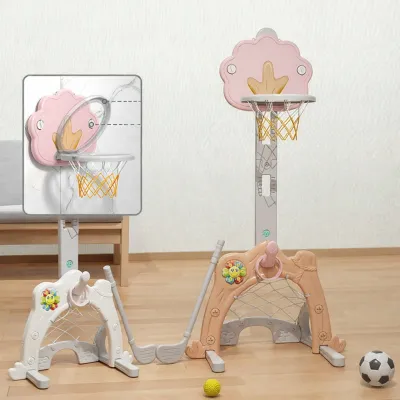
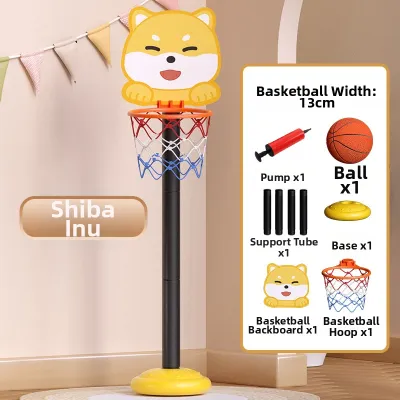
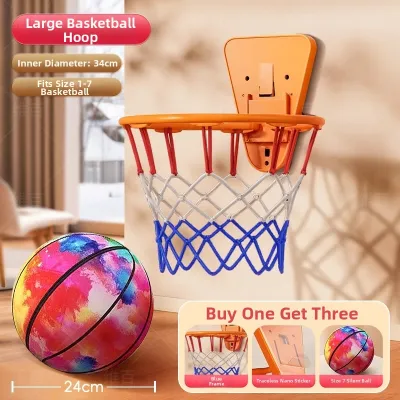
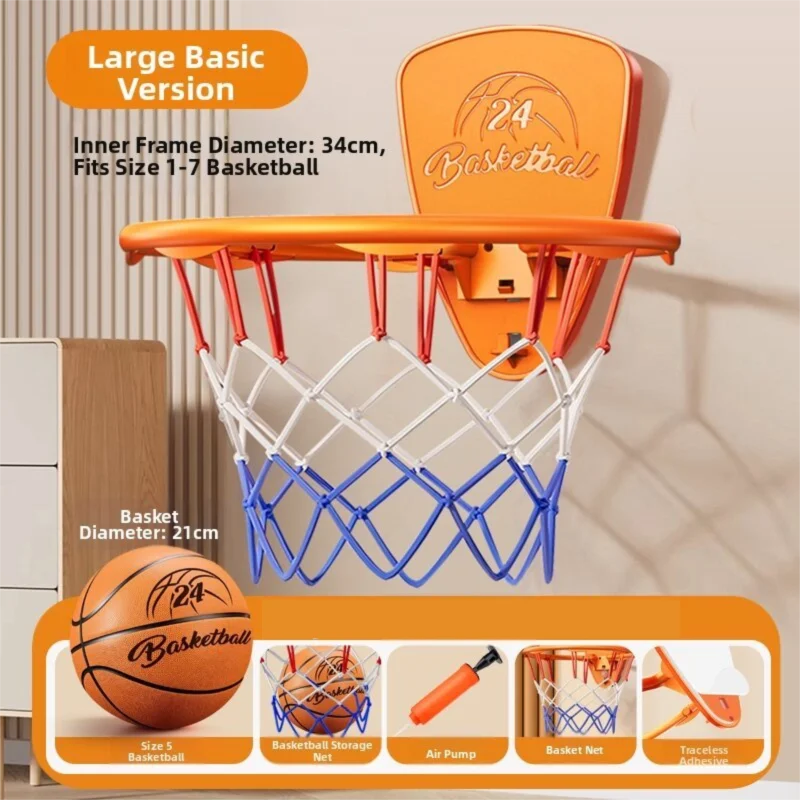
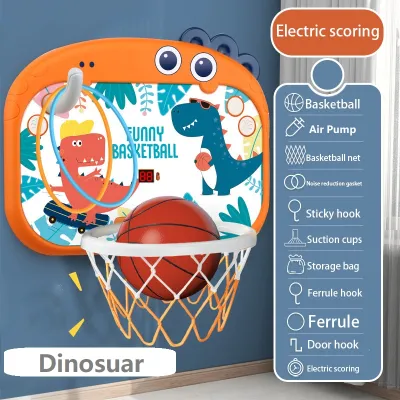
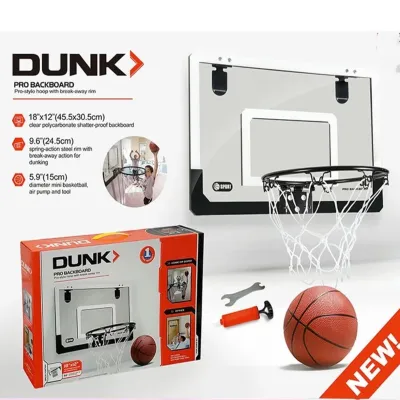
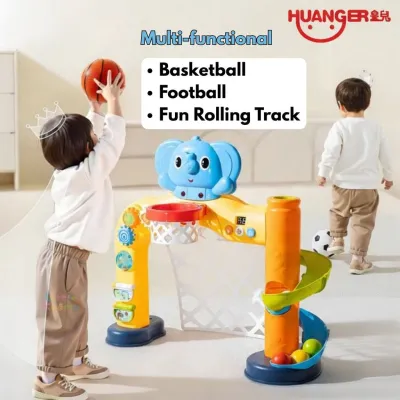
Prices are valid at publication and may change. Please refer to the product page for the latest price.
Corridor widths and balcony depths also require physical measurement. If you plan to set up a temporary play zone in a hallway or on a balcony, you must establish the maximum allowable backboard width and rim projection that can fit without obstructing movement. A backboard that is too wide can block doorways or extend into walking paths, creating safety hazards for your family and visitors.
Beyond physical dimensions, you must check the specific rules governing your housing type. For HDB residents, the Town Council regulates the use of common corridors to ensure emergency escape routes remain completely unobstructed. Condo residents must consult their Management Corporation Strata Title (MCST) by-laws, which often prohibit the placement of personal sports equipment in common areas or restrict modifications to balcony structures.
Finally, evaluate the active play zone, which includes the swing radius of nearby doors and the bounce clearance of the ball. A child shooting a basketball needs room to move without colliding with walls, glass windows, light fixtures, or indoor furniture. Ensuring a clear radius around the hoop prevents accidental damage to your home and keeps your child safe during enthusiastic play.
Choosing the Right Mounting Type for Small Spaces
Selecting the right mounting mechanism determines how much space the hoop occupies and how easily it can be stored when not in use. Different layouts suit different mounting styles, ranging from temporary door attachments to semi-permanent wall fixtures.

Over-the-Door and Freestanding Mini Hoops
Over-the-door mini hoops are highly popular for bedrooms because they utilize existing vertical surfaces without taking up floor space. Before choosing this style, measure your door thickness and inspect the frame strength. Standard room doors must accommodate the bracket width, and the frame must be sturdy enough to handle the downward pull of repeated shots.
Freestanding mini hoops offer excellent mobility but require a dedicated patch of floor space. When evaluating freestanding models, check the base footprint and stabilization method. Most portable bases must be filled with water or sand to prevent tipping; verify that you have a suitable spot to fill and empty the base. Look for designs with built-in wheels, allowing you to roll the unit into a closet when playtime is over.
Foldability is another key feature for small apartments. Some designs allow the rim to fold flat against the backboard, or feature telescoping poles that collapse down. This makes it simple to slide the hoop under a bed or store it behind a wardrobe, keeping your living areas tidy.
Wall-Mounted and Railing-Mounted Options
For parents looking to utilize balconies or dedicated play walls, wall-mounted and railing-mounted hoops offer a more permanent basketball experience. However, drilling into walls in a rental unit or even an owned HDB flat requires careful consideration. Verify whether you have permission to drill into external or structural walls, as structural concrete can be difficult to penetrate and may violate estate guidelines.
Railing-mounted backboards are an alternative for balconies, but they require strict compatibility checks. Measure the diameter of your balcony railing and ensure the mounting clamps lock securely onto the metal bars without slipping. A loose clamp can cause the backboard to rattle excessively or fall, causing injury or property damage.
Weather resistance is a non-negotiable factor for any balcony setup in Singapore. The tropical climate exposes outdoor equipment to intense sunlight, high humidity, and heavy rain. Check that the backboard, rim, and net are made from UV-protected materials and rust-resistant metals to prevent rapid deterioration and structural failure over time.
Managing Noise and Neighbor Considerations
Living in close proximity to neighbors means that the sound of a bouncing ball or a rattling backboard can easily travel through concrete floors and shared walls. Managing noise is essential to maintaining good neighborly relations and avoiding complaints.
The most effective way to reduce noise is to swap out standard leather or hard rubber basketballs for specialized indoor alternatives. High-density foam balls or lightweight, low-bounce rubber balls significantly cushion the impact against the backboard and floor. These soft balls absorb the force of the shot, reducing the sharp “clack” of a standard ball to a dull, barely audible thud.
To address floor vibrations, place interlocking foam mats or a thick rug directly underneath the play area. These floor coverings act as acoustic dampeners, absorbing the kinetic energy of a bouncing ball and preventing the sound from transmitting through the concrete slab to the unit below. They also provide a non-slip surface for your child and protect your flooring from scuffs.
Establishing clear household rules is equally important for noise management. Set designated playtime hours that respect the quiet times of your neighbors, such as avoiding play early in the morning or late at night. Teaching your children to respect these boundaries helps them enjoy their sport while learning the importance of community consideration.
Key Features to Check Before Buying
When shopping for a kids basketball hoop, focusing on specific material and design details ensures you select a product that is safe, durable, and suited to your home environment.
First, inspect the backboard material. While professional hoops use tempered glass, indoor kids’ hoops should prioritize shatter-resistant materials like polycarbonate or high-density polyethylene (HDPE). Polycarbonate is lightweight, highly durable, and can withstand repeated impacts from missed shots without cracking or breaking, making it a much safer choice for indoor play areas.
Second, look for a flexible, spring-loaded breakaway rim. When a child shoots, a spring-loaded mechanism absorbs the downward force by bending slightly before snapping back into place. This flexibility reduces the stress transmitted to the door frame or wall mount, preventing structural damage and extending the lifespan of the hoop assembly. Note that children should still be instructed never to hang on indoor rims, as these setups are not designed to support body weight.
Third, check for protective padding along the edges of the backboard and around any support poles. In tight spaces, the risk of a child bumping into the equipment is much higher. Thick foam padding cushions accidental impacts, protecting your child from sharp edges and reducing the risk of minor injuries during active play.
Finally, verify the adjustability range of the hoop. Children grow quickly, and a hoop with an adjustable height ensures the toy remains relevant and challenging for years. Look for smooth, secure adjustment mechanisms that can be locked tightly to prevent the rim from slipping down during play.
Frequently Asked Questions (FAQ)
Can I install a basketball hoop in an HDB common corridor?
HDB common corridors are designated emergency escape routes and are subject to strict fire safety guidelines. Generally, you cannot install permanent fixtures or place large sports equipment in these areas if they reduce the clear escape path to less than 1.2 meters. It is highly recommended to consult your local Town Council before placing any temporary or permanent basketball hoop in a shared corridor to avoid fines or forced removal.
What size basketball is best for indoor apartment play?
For indoor apartment play, smaller and lighter balls are highly recommended to minimize noise and prevent damage to household items. For toddlers and young children, a size 1 or size 3 mini basketball made of soft foam is ideal. Older kids can transition to a size 5 lightweight rubber ball, provided you use dampening floor mats and establish clear boundaries to protect nearby windows and fragile home decor.

Community discussion
Share your experience or ask a question. Comments are reviewed before publication.