
Selecting the right cable lock for your cycling routine in Singapore is not about finding an unbreakable barrier, but rather about matching the lock’s physical design to your daily habits and parking environments. A lightweight cable lock offers excellent flexibility and portability, making it a popular choice for riders navigating park connectors, running quick errands, or stopping at a neighborhood coffee shop. However, because steel cables can be cut with manual tools if left unattended, their effectiveness depends entirely on how you integrate them into your security strategy. To choose the best option, you must balance the physical weight of the lock against the specific level of risk your bicycle faces throughout the day.
Assessing Your Cycling Scenario and Security Exposure
Before looking at product specifications, evaluate where your bicycle spends most of its time and how long it remains unattended. A quick five-minute stop outside a busy convenience store presents a vastly different risk profile than leaving a commuter bicycle parked at a transit hub for ten hours. In Singapore, common parking spots range from highly secure, card-access indoor bicycle parking facilities in modern commercial buildings to open HDB void decks and exposed public racks.
Additionally, consider the financial and emotional value of your bicycle. A high-end road bike or an expensive electric bicycle requires a completely different security approach than a basic utility bicycle used for short neighborhood trips. Carrying a heavy, high-security lock can become a physical burden during long daily commutes, so you must realistically assess your willingness to transport a bulky cable on your frame or in a backpack every single day.
Products mentioned in this guide
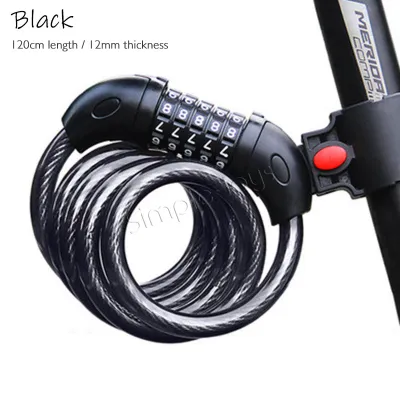
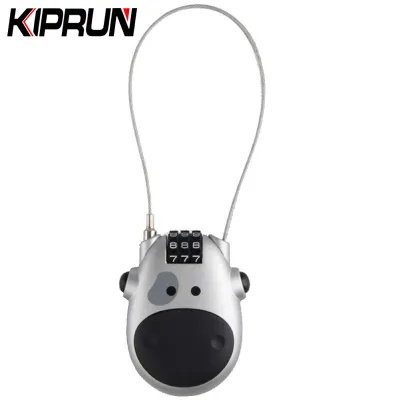
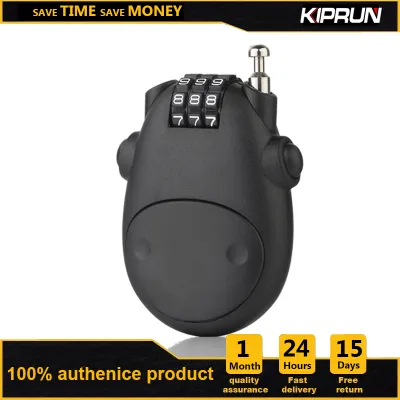
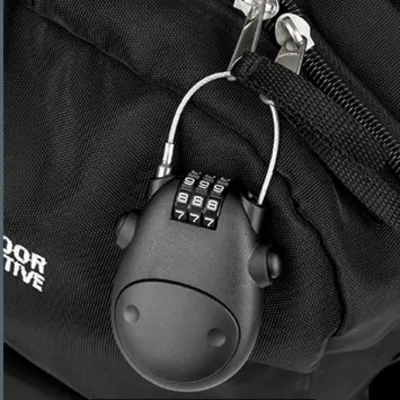
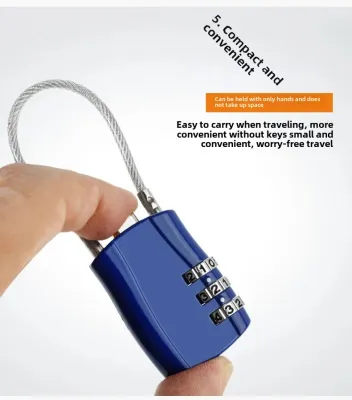
Prices are valid at publication and may change. Please refer to the product page for the latest price.
Essential Specifications to Verify on the Product Label
When browsing options at a local bike shop or on an online marketplace, you should carefully inspect the physical specifications listed on the product packaging. The first detail to check is the cable’s overall diameter, which typically includes both the inner steel core and the outer protective sleeve. Look for labels that explicitly state the thickness of the internal braided steel wire; a thicker core directly increases the time and effort required for someone to cut through it. Braided steel designs are generally preferred over single-strand wires because the interlocking strands are more difficult to shear with basic hand tools.

Next, evaluate the locking mechanism itself. Cable locks generally feature either a physical key cylinder or a resettable combination dial. If you choose a key-operated lock, verify that the keyway includes a sliding dust cover or weather seal. Singapore’s tropical climate, characterized by sudden heavy downpours and high humidity, can easily trap moisture inside an unprotected lock core, leading to internal corrosion and jamming. For combination locks, ensure the dials turn smoothly and are made of weather-resistant materials that will not degrade under intense sunlight.
Finally, check the outer protective coating of the cable. The steel core must be completely encased in a thick, flexible layer of PVC, silicone, or rubber. This coating serves two vital purposes: it prevents moisture from reaching the steel wire to stop rust before it starts, and it protects your bicycle frame’s paint and carbon fiber from being scratched or chipped during daily locking and unlocking.
Matching Lock Features to Your Specific Riding Routine
Finding the right balance between security and convenience requires understanding the physical trade-offs of different cable designs. A thicker, heavier cable provides superior resistance against cutting tools, but it is also stiffer, bulkier, and more difficult to coil tightly for transport. Conversely, a thin, highly flexible cable is incredibly easy to carry but offers only basic deterrence against opportunistic theft. Your expected parking duration and the visibility of your parking spot should dictate the minimum thickness and weight of the lock you choose to carry.
Daily Commuting and Office Parking
For cyclists who commute daily to an office or a commercial building, the bicycle often remains parked in one spot for eight or more hours. Even if your workplace offers a designated bicycle parking area, these spaces are often semi-secure, allowing access to delivery personnel, cleaning staff, or visitors. For this scenario, prioritize a heavy-duty cable lock with a thick braided steel core and a robust, pick-resistant locking cylinder.
The cable should be long enough—typically at least 1.2 to 1.8 meters—to easily thread through the main frame triangle, the front wheel, and around a secure, permanent anchor point like a metal rack. Because you will be carrying this lock every day, look for models that include a dedicated frame-mounting bracket. This allows you to click the lock directly onto your seatpost or frame tubes, keeping your backpack free of extra weight while ensuring you never accidentally leave your security behind.
Parking at MRT Stations and Public Transit Hubs
Public transit interchanges and MRT station bicycle racks are high-traffic environments where hundreds of bicycles are parked close together. Because these areas are highly public, they can attract opportunistic theft, especially during off-peak hours when foot traffic slows down. If you must leave your bicycle at an MRT station all day, a standard cable lock should not be your only line of defense.
Instead, consider using a thick cable lock as a secondary security measure to secure your wheels and accessories, while using a rigid U-lock or heavy folding lock to secure the main frame to the metal rack. When selecting a cable lock for crowded public racks, look for models with bright, high-visibility outer sleeves. A brightly colored lock acts as an immediate visual deterrent, signaling to potential thieves that your bicycle is secured and making it much easier for you to locate your bike in a sea of crowded, multi-tier racks.
Occasional Rides and Quick Cafe Stops
If your cycling routine consists primarily of weekend leisure rides along the Park Connector Network or quick stops at local cafes, your security needs are very different. In these scenarios, your bicycle is rarely out of your sight for more than a few minutes, and your primary goal is to prevent someone from simply walking away with your bike while you order a drink.
For these quick stops, a lightweight, highly flexible, and compact coiled cable lock is the ideal choice. These locks can be coiled tightly enough to fit into a jersey pocket, a small saddle bag, or a handlebar pouch without adding noticeable weight to your ride. They feature quick-locking mechanisms, often using simple combination dials, allowing you to secure your bike to a nearby railing in seconds. Keep in mind, however, that these ultra-portable locks are designed strictly for short-term, daylight deterrence and should never be used to secure a bicycle overnight or in unmonitored areas.
Proper Locking Techniques to Maximize Cable Security
Even the strongest cable lock can fail if it is applied incorrectly. To maximize the security of your cable, always thread it through the main frame triangle and the rear wheel before securing it to the anchor point. Many cyclists make the mistake of looping the lock only through the front wheel; because modern front wheels often feature quick-release skewers, a thief can easily remove the wheel and walk away with the rest of the bicycle.
Always secure your bicycle to a solid, immovable object that is permanently anchored to the ground or a wall. Ensure the anchor point is taller than the bicycle itself, or closed at the top, to prevent someone from simply lifting the locked bicycle over the post.
Additionally, try to keep the cable and the locking mechanism suspended off the ground. If a cable lock rests directly on the concrete pavement, a thief can place one arm of a manual bolt cutter against the ground and use their entire body weight to press down on the other arm, generating significantly more cutting force than they could if the lock were suspended in the air.
Recognizing When a Cable Lock Is Not Enough
While cable locks offer unmatched flexibility and convenience, they have inherent physical limitations that every cyclist must recognize. No matter how thick or well-braided a steel cable is, it remains vulnerable to heavy-duty manual bolt cutters, hacksaws, or battery-powered angle grinders. If you ride a high-value road bike, a premium mountain bike, or an expensive electric bicycle, a standalone cable lock is simply not sufficient for long-term or overnight parking.
In high-risk situations—such as parking overnight at open HDB void decks or leaving your bike in unlit, secluded areas—you should upgrade your security setup. Supplement your cable lock with a heavy-duty U-lock, D-lock, or a hardened steel folding lock. These rigid locks require much louder, more conspicuous tools to defeat, making your bicycle a far less appealing target.
Finally, if you have purchased bicycle insurance or home contents insurance that covers personal property outside the home, review the policy’s fine print carefully. Many insurance providers in Singapore mandate the use of specific lock types, such as those with certified security ratings, and may deny a theft claim if the bicycle was secured only with a standard cable lock.
Frequently Asked Questions (FAQ)
Can I use a cable lock as my only lock in Singapore?
Using a cable lock as your sole security measure is generally acceptable only for short, daytime stops where your bicycle remains within your line of sight, or when parking inside highly secure, monitored indoor facilities. For overnight parking at open HDB void decks, public street racks, or MRT stations, a cable lock is highly vulnerable if used alone. In these higher-risk environments, always pair your cable lock with a rigid U-lock or folding lock to secure the frame, using the cable primarily to protect your wheels and seat.
How do I maintain my cable lock in a humid climate?
Singapore’s high humidity and frequent rain can cause moisture to accumulate inside the locking mechanism, leading to rust and stiff dials or keys. To prevent this, periodically spray a small amount of dry, non-sticky lubricant into the keyway or combination dials, and turn them several times to distribute the lubricant. Avoid using heavy, sticky oils that can attract dirt and grit, which will eventually jam the mechanism. If your lock gets wet during a rainstorm, wipe the outer sleeve and the lock head dry with a cloth, and regularly inspect the protective plastic coating for any cracks that could allow water to seep in and corrode the inner steel cable.

Community discussion
Share your experience or ask a question. Comments are reviewed before publication.