
Finding a water bottle bag holder that securely fits a thick, double-wall insulated sports bottle requires moving away from standard, one-size-fits-all sleeves. Because vacuum insulation relies on an inner and outer metal wall separated by a vacuum gap, these bottles feature a significantly wider base and a much heavier profile than single-wall alternatives. To prevent your bottle from slipping out, tearing your gear, or becoming wedged so tightly that it is impossible to retrieve on the go, you must select a carrier designed specifically for wide-diameter, heavy-duty utility.
The ideal holder must balance structural support with accessibility, matching your specific outdoor activity, whether you are navigating urban park connectors in Singapore or embarking on a demanding day hike. A secure fit depends on verifying three core elements: the exact base diameter of your bottle, the weight-bearing capacity of the holder’s attachment points, and the flexibility of its closure system. By understanding how insulation thickness alters bottle dimensions, you can avoid common gear failures and ensure your hydration remains easily accessible throughout your journey.
Why Standard Holders Struggle with Insulated Bottles
Standard water bottle holders are typically designed around the dimensions of single-wall plastic or aluminum bottles, which generally maintain a slim, uniform profile. When manufacturers add a double-wall vacuum insulation layer to a sports bottle, the external diameter expands dramatically even if the liquid capacity remains the same. This extra layer of stainless steel and the insulating void between the walls can add up to 1.5 centimeters or more to the bottle’s overall width, pushing it past the limits of conventional pockets.
Products mentioned in this guide
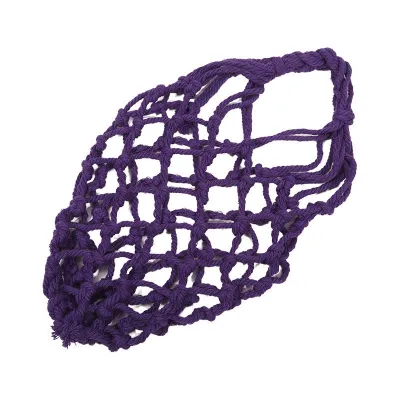
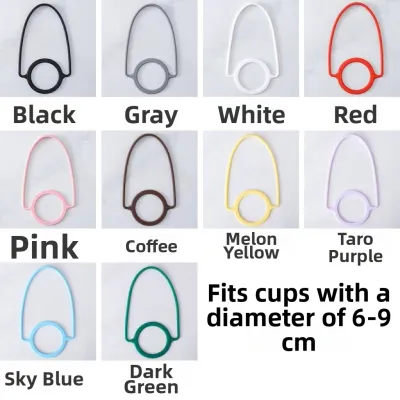
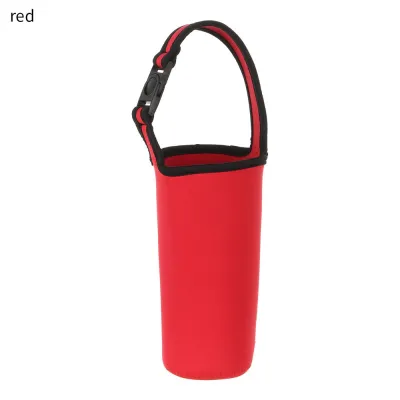
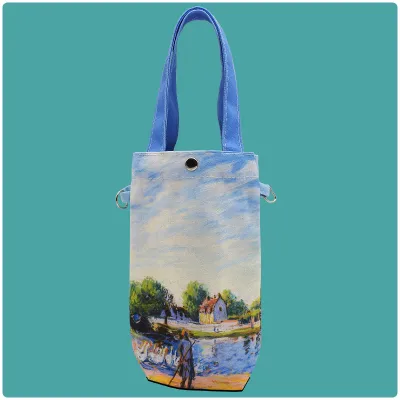
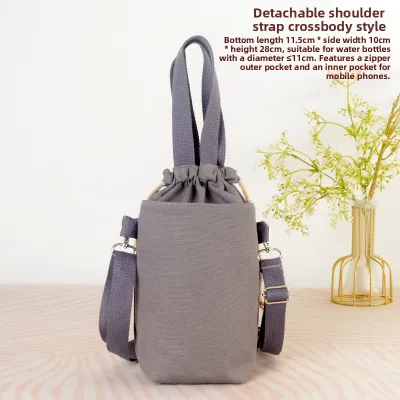
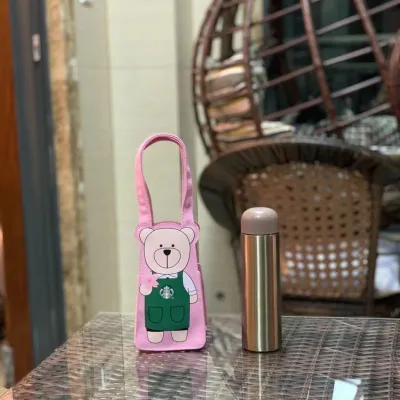
Prices are valid at publication and may change. Please refer to the product page for the latest price.
Beyond the physical width, the sheer weight of a filled, double-wall stainless steel bottle introduces significant structural stress. A large insulated bottle filled with ice and water can easily weigh over one kilogram, placing immense downward pressure on the seams, mesh, and attachment hardware of a lightweight carrier. Standard mesh pockets on backpacks or basic elastic sleeves are not engineered to support this concentrated, shifting mass during active movement.
Over time, forcing a thick insulated bottle into an undersized or low-grade holder leads to predictable failure points. The most common issues include torn side seams, stretched-out elastic that loses its recovery memory, and stuck zippers that refuse to close over the wide shoulder of the bottle. Furthermore, the high-friction powder coating or painted finish on many premium sports bottles can grip the interior fabric of a tight holder, making it incredibly difficult to slide the bottle out when you need a quick drink.
Essential Fit and Feature Criteria for Thick Bottles
To find a holder that can withstand the demands of a heavy, wide bottle, you must evaluate specific design specifications rather than relying on generic size labels. The primary measurement to verify is the maximum interior diameter of the holder, which must exceed the widest point of your bottle’s base by at least two to three millimeters. If the holder features a rigid frame or non-stretch fabric, even a tiny mismatch in these measurements will prevent the bottle from sliding in completely.

Material composition plays a critical role in how a holder handles a wide bottle over extended use. Look for materials with high stretch recovery, such as heavy-duty neoprene or reinforced elastic panels, which expand to accommodate the bottle and then snap back to their original shape when empty. If you prefer a rigid utility pouch, ensure it features a structured, wide-bottom design that does not taper toward the base, as tapered designs often pinch the bottom of insulated flasks.
The closure mechanism at the top of the holder must also align with the bottle’s shoulder and cap design. Drawstring closures with adjustable cord locks are highly versatile for thick bottles because they allow you to secure the neck of the bottle regardless of its height or width. Avoid zippered enclosures unless the zipper runs the entire length of the pouch, as partial zippers often create a narrow opening that cannot accommodate the wide diameter of an insulated cap or carry loop.
Finally, inspect the reinforcement at the base and the primary attachment points of the holder. Because a heavy bottle exerts constant downward force, the bottom of the carrier should feature double-stitched webbing, a reinforced fabric panel, or a drainage grommet that adds structural integrity. The attachment hardware—whether straps, clips, or loops—must be wide enough to distribute the weight evenly across your carrying system without sagging or twisting.
Holder Types That Accommodate Larger Diameters
Several distinct styles of water bottle bag holders are engineered to handle the unique dimensions and weight of thick insulated sports bottles. One of the most adaptable options is the adjustable strap and buckle carrier, which utilizes a system of heavy-duty webbing straps that wrap around the body of the bottle. Because these straps can be loosened or tightened via adjustable ladders or buckles, they can accommodate a wide range of bottle diameters, from slim bottles to ultra-wide flasks, while keeping the overall weight of the carrier minimal.
For those seeking full-coverage protection against scratches and minor impacts, heavy-duty neoprene sleeves offer an excellent balance of stretch and insulation. Neoprene naturally stretches to fit slightly larger diameters while providing a cushioned barrier that protects your bottle’s outer finish from dings during outdoor excursions. When selecting a neoprene sleeve, look for models that feature a reinforced, non-slip rubber or textured fabric base to prevent the heavy bottle from wearing through the bottom over time.
Tactical MOLLE (Modular Lightweight Load-carrying Equipment) pouches are highly favored by hikers and outdoor enthusiasts who require rugged durability. These pouches are often constructed from high-denier nylon, such as 500D or 1000D fabric, and feature expandable side gussets or open-bottom designs secured by adjustable bungee cords. The MOLLE webbing on the back allows you to weave the pouch securely onto a compatible backpack, hip belt, or tactical vest, eliminating the bounce and sway associated with loose-hanging carriers.
Webbing loop and bungee cord systems represent a minimalist approach that excels in variable-width compatibility. These holders consist of a simple base cup or strap loop connected to an adjustable upper bungee cord that hooks over the bottle’s cap or carry handle. Because there are no solid fabric walls to restrict the bottle’s body, these systems can hold exceptionally wide containers, making them a highly versatile choice for those who switch between different bottle sizes depending on the length of their trip.
How to Measure Your Bottle and Verify Holder Compatibility
Before purchasing a water bottle bag holder, taking precise measurements of your specific bottle is essential to ensure a hassle-free fit. Start by using a ruler or caliper to measure the widest point of the bottle’s base; do not rely solely on the manufacturer’s listed fluid ounce capacity, as different brands use varying heights and widths for the same volume. If your bottle has a protective silicone boot installed on the bottom, be sure to measure the bottle with the boot on, as the silicone adds both width and friction.
Next, calculate the total loaded weight of your bottle to ensure your carrying gear can support it. You can estimate this by adding the dry weight of the empty stainless steel bottle to the weight of the water it holds (approximately one gram per milliliter or one kilogram per liter). For example, a large insulated bottle filled to its 1.2-liter capacity can easily approach 1.5 kilograms of total weight, which requires robust attachment hardware rather than simple plastic clips.
When browsing product listings for a water bottle bag holder, look closely at the detailed dimension specifications rather than relying on generic compatibility claims like “fits most sports bottles.” Look for the “maximum compatible diameter” or “interior dimensions” section in the product description. If a listing only provides the height and width of the holder when laid flat, you can estimate the maximum circular diameter by dividing the flat width by 1.57, though this method is less precise than verified interior measurements.
If the exact interior dimensions are not listed, check the user review section and search for keywords related to your bottle’s capacity or brand. Other outdoor enthusiasts often share their real-world experiences regarding which specific bottle sizes fit comfortably or if the holder was too tight. Additionally, prioritize purchasing from retailers with clear return or exchange policies, allowing you to test the fit with your fully loaded bottle at home before heading out onto the trail.
Managing the Extra Weight on Backpacks and Belts
Carrying a heavy, insulated water bottle can significantly alter your center of gravity and cause physical discomfort if the weight is not distributed correctly. When attaching a water bottle bag holder to a backpack, avoid hanging it from the very top or the far back of the pack, as this pulls the load away from your body and strains your shoulders. Instead, mount the holder as close to your body’s center of mass as possible, such as on the backpack’s hip belt or low on the side compression straps.
For active pursuits like hiking, running, or fast packing, securing the holder to a wide, padded hip belt is often the most comfortable option. The hip belt transfers the weight of the heavy bottle directly to your skeletal structure, relieving pressure on your neck and shoulders. If you prefer shoulder-strap mounting, ensure your backpack features thick, ergonomic padding and a sternum strap to prevent the strap carrying the bottle from digging into your collarbone or sliding off your shoulder.
The hardware you use to attach the holder to your gear must be rated to handle the dynamic forces of a bouncing bottle. Replace lightweight, decorative plastic carabiners with load-bearing metal carabiners, heavy-duty D-rings, or dedicated MOLLE clips made of high-strength polymer. During active movement, a one-kilogram bottle can exert several times its static weight on the attachment points with every step, making robust hardware essential for preventing sudden gear failure.
To minimize distracting bounce and sway while walking or running, utilize secondary stabilization points whenever possible. Many high-quality water bottle bag holders feature lower compression straps or secondary loops that allow you to anchor the bottom of the holder to your pack or belt. Keeping the bottle flush against your gear not only improves your balance on uneven terrain but also reduces the wear and tear caused by the constant friction of a swinging load.
Frequently Asked Questions (FAQ)
Can I stretch a standard nylon holder to fit a wider insulated bottle?
Attempting to force a thick insulated bottle into a standard, non-stretch nylon holder is generally not recommended. Standard nylon fabrics, such as those used in basic backpack side pockets, have very little natural elasticity and are prone to tearing at the seams under excessive tension. Forcing a tight fit can also damage the protective powder coating or painted finish on your bottle due to constant friction, and it may make retrieving the bottle quickly during an activity nearly impossible.
Do open-bottom holders work well for heavy insulated bottles?
Open-bottom holders can work exceptionally well for heavy insulated bottles, provided they utilize a secure retention system. These designs typically feature a cross-strap base that supports the bottom of the bottle while allowing the sides to remain open, which easily accommodates wider diameters without adding unnecessary bulk or weight. However, because there are no solid walls, you must ensure the upper retention strap or bungee cord is adjusted tightly around the bottle’s neck to prevent it from tipping sideways or sliding out when you bend over.
Community discussion
Share your experience or ask a question. Comments are reviewed before publication.