
Selecting the right swim cap is one of the most straightforward yet impactful decisions you can make for your swimming routine. A well-chosen cap does more than just keep hair out of your eyes; it protects your scalp from harsh pool chemicals, reduces hydrodynamic drag, and helps regulate your body temperature in the water. TYR offers a diverse range of swim caps designed to accommodate different head sizes, hair volumes, and training intensities. Finding the ideal match requires looking closely at material compositions, specialized cuts, and your personal performance goals.
To make the best choice, you must balance the physical properties of the cap with the specific demands of your swimming environment. A casual fitness swimmer who visits the pool once a week has vastly different comfort and durability needs compared to a competitive athlete training multiple hours a day. By understanding how different materials behave in chlorinated water and how various designs distribute tension across your scalp, you can select a TYR swim cap that remains secure, comfortable, and durable throughout your training sessions.
Understand TYR Swim Cap Materials and Their Trade-offs
The material of your swim cap dictates its elasticity, durability, thermal properties, and overall comfort. TYR utilizes three primary materials across its product line: silicone, latex, and fabric blends such as Lycra or polyester. Each material serves a distinct purpose and comes with specific trade-offs that you should evaluate based on your skin sensitivity, budget, and training frequency.
Products mentioned in this guide
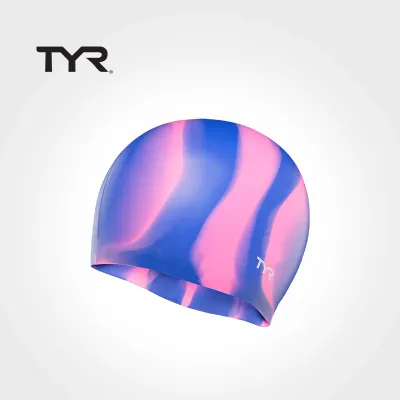
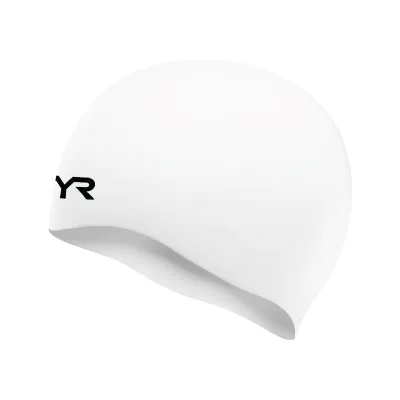
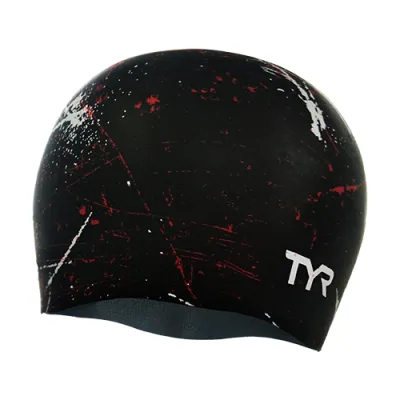
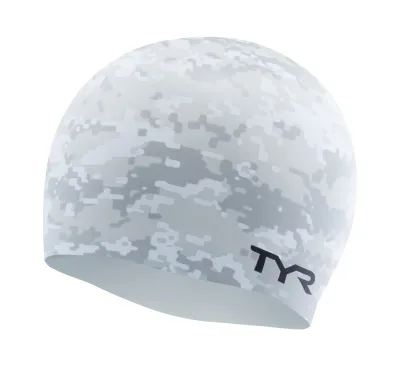
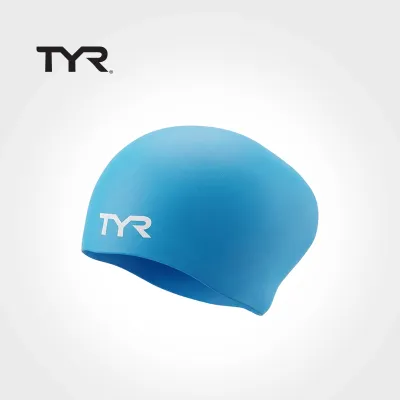
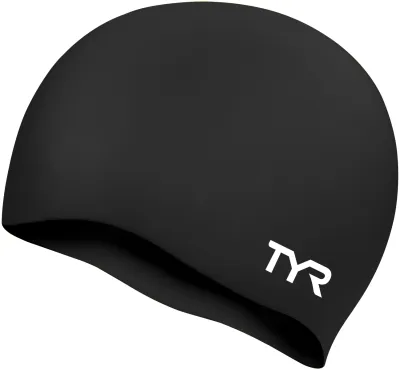
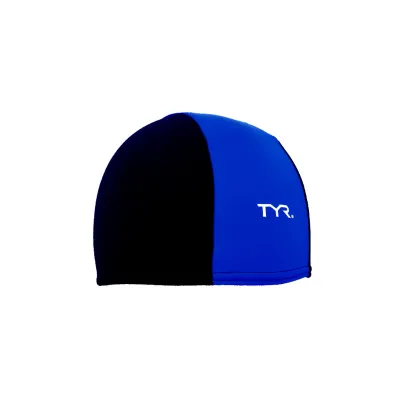
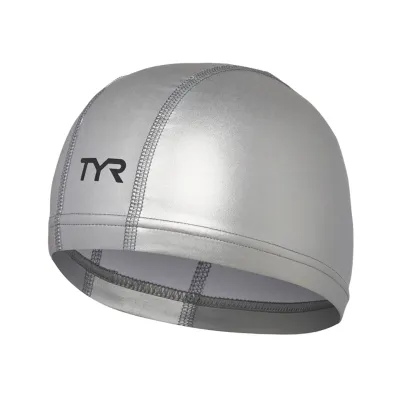
Prices are valid at publication and may change. Please refer to the product page for the latest price.
Silicone is widely regarded as the industry standard for modern swim training due to its exceptional durability and user-friendly properties. As an inorganic polymer, silicone is highly resistant to chlorine degradation, ozone, and ultraviolet light, meaning it will not break down or become brittle as quickly as other materials when exposed to outdoor pool environments. It is also hypoallergenic, making it a safe choice for swimmers with sensitive skin or latex allergies. Tactilely, silicone is thicker and more rigid than latex, which provides a moderate amount of insulation in cooler water but can sometimes feel warm during intense workouts in heated indoor pools. While it offers excellent water resistance, it is not completely waterproof, and some moisture will still seep in around the edges.
Latex caps represent the classic, traditional choice for competitive swim meets and high-intensity training. Made from natural rubber, latex is incredibly thin, lightweight, and highly stretchable, allowing it to conform closely to the contours of your head. This thin profile offers excellent breathability, allowing excess body heat to escape from your scalp during grueling sets in warm water. However, latex is significantly less durable than silicone; it is highly susceptible to tearing if nicked by a fingernail or hair clip, and it degrades rapidly when exposed to pool chemicals, body oils, and direct sunlight. Swimmers with known latex allergies must avoid these caps entirely to prevent severe skin irritation or allergic reactions.
Fabric and mesh caps, typically constructed from Lycra, spandex, or polyester blends, are designed primarily for comfort, breathability, and ease of use rather than water exclusion or drag reduction. These caps are incredibly soft, highly stretchable, and do not pull or snag your hair during the donning process, making them an excellent option for casual swimmers, water aerobics participants, or those with highly sensitive scalps. The major trade-off with fabric caps is their complete permeability. Because water flows freely through the woven fibers, these caps offer minimal protection against chlorine exposure and do not keep your hair dry. They also provide minimal hydrodynamic benefit, as the textured fabric creates more drag in the water than smooth silicone or latex.
Match the Cap Design to Your Hair Type and Length
A common mistake among swimmers is assuming that all swim caps are shaped identically and will fit any head shape or hair volume. In reality, the physical volume of your hair plays a massive role in how a cap sits on your head and whether it stays secure during your swim. TYR designs its caps in several distinct cuts to ensure a proper fit that minimizes tension and prevents the cap from sliding upward.

Standard-fit caps are engineered for swimmers with short to medium-length hair and average head sizes. These caps feature a symmetrical, dome-like shape that sits snugly against the scalp to create a smooth, hydrodynamic profile. If your hair is cropped close, falls above your shoulders, or is relatively fine, a standard silicone or latex cap will provide the ideal amount of compression without leaving excess, bunched-up material at the crown of your head.
For swimmers with long hair, thick braids, or extensions, a standard cap often proves highly frustrating. The sheer volume of the hair forces the material to stretch to its absolute limit, which increases internal tension and causes the cap to slowly slide upward, exposing your ears and hairline. To address this, TYR offers long-hair specific designs. These caps feature an asymmetrical shape with an expanded pocket molded into the back. This extra volume accommodates a bun, ponytail, or braid without overstretching the front of the cap, ensuring that the seal around your forehead and ears remains secure and comfortable throughout your workout.
Thick, highly textured, or curly hair requires even greater consideration to prevent damage and breakage. When hair is tightly coiled, standard caps can exert excessive pressure on the delicate hair follicles along the hairline, leading to friction-induced breakage. In these scenarios, look for high-volume silicone caps or fabric-lined silicone models. These specialized designs offer enhanced lateral stretch and a gentler grip, distributing the cap’s tension more evenly across the entire head. By reducing the localized pressure on your hair, you can protect your natural curls while maintaining a secure fit in the water.
Align Your Choice with Swimming Frequency and Performance Needs
Your weekly swimming habits and ultimate performance goals should heavily influence the specific tier of TYR swim cap you choose. Balancing daily comfort with your competitive aspirations ensures you do not overspend on specialized racing gear that may not suit your everyday training needs.
Casual and fitness swimmers who visit the pool once or twice a week for low-impact exercise should prioritize comfort, ease of use, and long-term durability. For these routines, a soft, high-quality silicone cap or a hybrid fabric-lined silicone cap is often the most practical choice. Hybrid caps feature a soft fabric interior that glides smoothly over your hair, combined with a water-resistant silicone exterior shell. This design eliminates the pulling sensation associated with pure silicone while still offering a moderate barrier against chlorinated water, making your pre-swim preparation much more comfortable.
Competitive athletes and open-water swimmers require gear optimized for speed, hydrodynamics, and environmental protection. In high-stakes racing, even minor wrinkles in a swim cap can create micro-turbulences that slow you down. Competitive swimmers should look for molded silicone caps, which are pre-shaped to match the natural curvature of the head without wrinkling. For open-water swimming in lakes, rivers, or oceans, thermal retention and visibility become critical safety factors. A thicker silicone cap helps retain vital body heat in cold water, while bright, high-visibility colors ensure you remain easily visible to lifeguards, boaters, and support crews.
If you plan to compete in sanctioned swim meets, you must also ensure your equipment complies with the strict regulations set by aquatic governing bodies, such as World Aquatics. Many high-performance racing caps are specifically designed and certified to meet these standards. Before purchasing a cap for competition, check the product packaging or manufacturer specifications for official approval logos. Using non-compliant gear can lead to disqualification, so verifying these details beforehand is a crucial step for any competitive athlete.
Build Your TYR Swim Cap Shortlist and Pre-Purchase Checklist
Before finalizing your purchase from an online marketplace or a local sports retailer in Singapore, it is highly beneficial to run through a structured checklist. Because swim gear is highly personal and hygiene regulations often prevent the return of opened swim caps, taking a few minutes to verify your requirements will save you time and money.
Start by cross-referencing your primary material preference with your hair volume and swimming frequency. If you swim daily and have long hair, your shortlist should focus on long-hair silicone models. If you are a competitive racer looking for a meet-day cap, focus on molded, wrinkle-free silicone or high-stretch latex options.
Next, carefully examine the product descriptions for specific design features that enhance usability. Look for caps that feature a textured interior lining; this micro-texture provides a gentle grip against your hair, preventing the cap from sliding off during aggressive starts or turns. Additionally, check for reinforced edges, which help distribute the pulling force when you put the cap on, significantly reducing the risk of accidental tears along the rim.
Finally, always consult the manufacturer’s specific sizing guides. While many recreational caps are marketed as “one size fits all,” advanced training and racing caps often come in distinct sizes ranging from small to large. Measure your head circumference if a sizing chart is provided, and read user feedback regarding how true to size the cap runs. If you fall between sizes, opting for the larger size is generally safer for comfort, while the smaller size will provide a tighter, more hydrodynamic fit for racing.
Care, Maintenance, and When to Replace Your Swim Cap
Even the most durable TYR swim cap will eventually degrade if subjected to constant exposure to pool chemicals, body oils, and improper storage. Establishing a simple post-swim care routine is the most effective way to extend the lifespan of your cap and protect your investment.
Immediately after exiting the pool, rinse your swim cap thoroughly inside and out with clean, fresh tap water. This simple step removes residual chlorine, salt, and pool chemicals that slowly eat away at silicone and latex fibers. Avoid using dish soaps, laundry detergents, or harsh chemical cleaners, as these can accelerate the breakdown of the material’s structural integrity.
Once rinsed, hang the cap to air dry completely in a shaded, well-ventilated area. Never leave a wet, crumpled cap inside your damp swim bag, as this creates a perfect breeding ground for mold, mildew, and bacteria. Keep your cap far away from direct sunlight and high heat sources, such as household radiators, hair dryers, or hot car dashboards. Extreme heat can cause latex caps to melt and stick to themselves, and it can cause silicone to lose its essential elasticity. To prevent the inner walls of a dry latex cap from sticking together during storage, you can lightly dust the interior with a small amount of talcum powder or cornstarch.
Regularly inspect your swim cap for physical signs of wear and tear to avoid a sudden failure at the pool edge. Look closely for micro-tears along the bottom rim, permanent stretching that prevents a snug seal, or areas where the material has become sticky, gummy, or unusually thin. If you notice any of these warning signs, or if the cap begins to slide off frequently during your warm-up laps, it has reached the end of its functional lifespan and should be replaced immediately.
Frequently Asked Questions (FAQ)
Do TYR swim caps keep your hair completely dry?
No standard swim cap, including those manufactured by TYR, is designed to keep your hair completely dry. Water will inevitably seep in around the edges of the cap, particularly during flip turns, underwater streamlining, or vigorous head movements. The primary purposes of a swim cap are to reduce hydrodynamic drag, keep hair securely out of your face and eyes, and protect your hair from direct, prolonged exposure to pool chemicals and chlorine. If your goal is to minimize wetness, you can wear a tight silicone cap over a fabric cap, or apply a leave-in conditioner to wet hair before putting on your cap to limit the absorption of chlorinated water.
How do I put on a tight silicone swim cap without tearing it?
Putting on a tight silicone cap requires a gentle, systematic technique to avoid puncturing the material with your fingernails or jewelry. Before you begin, remove any sharp rings, watches, or hairpins that could snag the silicone. Slide both hands inside the cap with your palms facing inward and your fingers slightly spread, using the backs of your hands and knuckles to stretch the cap outward. Tilt your head forward, place the front edge of the cap against your forehead, and then pull the cap back and down over the rest of your head in one smooth, continuous motion. Once the cap is in place, use the flats of your fingers rather than your nails to tuck in any loose strands of hair and adjust the fit around your ears.

Community discussion
Share your experience or ask a question. Comments are reviewed before publication.