
Choosing between fixed and adjustable dumbbells is one of the most significant decisions you will make when setting up a home workout space. If you have a dedicated room, prioritize maximum durability, and prefer rapid weight transitions during high-intensity workouts, fixed dumbbells are the ideal choice. Conversely, if you are working with limited floor space in a typical apartment and want a cost-effective way to access a wide range of resistance levels, adjustable dumbbells offer a highly efficient alternative.
Both equipment types serve the same fundamental purpose of providing resistance for strength training, but their structural designs create vastly different user experiences. Balancing your personal fitness goals, budget, and physical space constraints will help you determine which option aligns best with your long-term training routine.
Core Differences Between Fixed and Adjustable Dumbbells
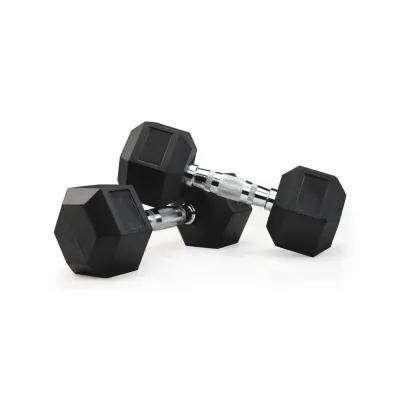
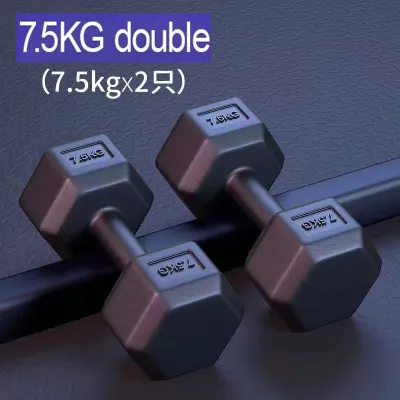
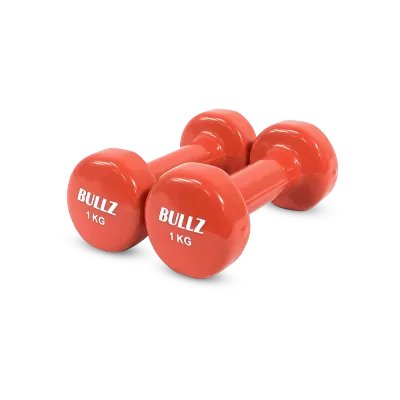
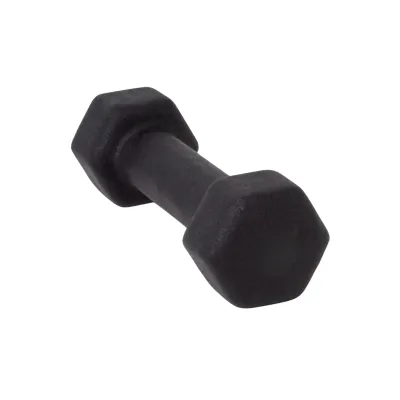
The primary distinction between these two equipment types lies in their construction and how they deliver different weight increments. Fixed dumbbells are solid, single-piece implements where the weight heads are permanently welded, pressed, or cast onto the handle. This design ensures absolute structural stability, meaning there are no moving parts to adjust, wear out, or break over time.
Products mentioned in this guide
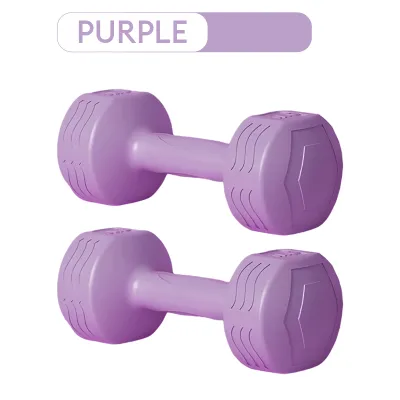
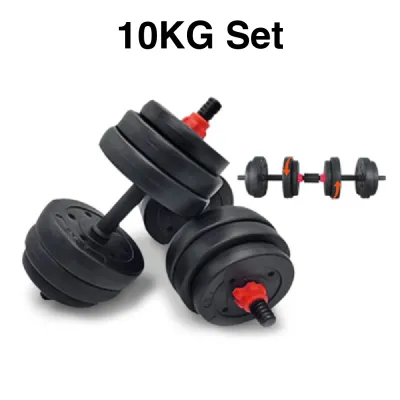
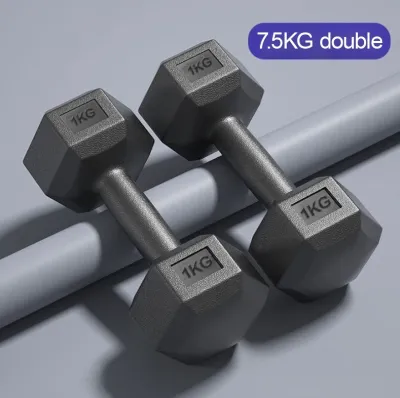
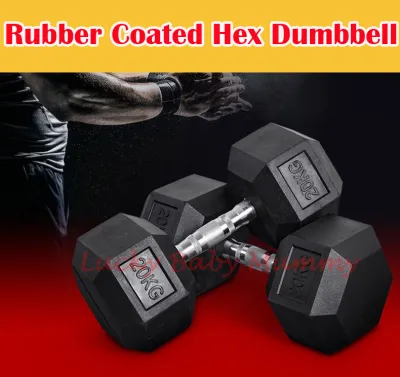
Prices are valid at publication and may change. Please refer to the product page for the latest price.
Adjustable dumbbells utilize a single handle paired with a mechanism that allows you to add or subtract weight plates. Common adjustment mechanisms include dial-turn systems, selector pins, and traditional threaded spinlocks. Dial and pin systems allow you to change weights in seconds by resting the handle in a custom tray and turning a dial to select your desired load, while spinlocks require manually threading collars on and off the bar.
These structural differences directly impact the physical footprint and weight increments of the equipment. A set of fixed dumbbells requires a separate pair for every weight step, typically progressing in 2 kg or 2.5 kg increments. Adjustable systems pack an entire rack’s worth of weight options into a single pair, allowing you to adjust the load in small, precise increments using the same handle.
Build materials and ergonomics also vary significantly between the two styles. Fixed dumbbells often feature contoured or straight steel handles with textured knurling designed to optimize grip security across various hand sizes. They are commonly coated in rubber, urethane, or neoprene to protect floors and reduce noise. Adjustable dumbbells often feature proprietary handle designs integrated with their locking mechanisms, which may use a mix of metal knurling and thermoplastic grips.
Space and Storage Requirements
Evaluating your available workout area is crucial when deciding which dumbbell type to purchase. A complete set of fixed dumbbells requires a substantial amount of floor space to accommodate a multi-tier storage rack. For a standard home setup spanning 2 kg to 25 kg, a rack can easily occupy over a meter of wall space, making it difficult to integrate into multi-use rooms or smaller living areas.

In contrast, a single pair of adjustable dumbbells sits compactly within its dedicated storage trays, requiring only a tiny fraction of the floor space. This minimal footprint makes them highly suitable for apartment living, where workout equipment must often be stored under a bed, inside a closet, or in the corner of a bedroom when not in use.
Storage safety is another critical factor to consider, especially when dealing with heavy weights in a residential setting. Heavy fixed racks require a stable, level floor capable of supporting concentrated loads over a small surface area. If you live in a high-rise apartment, you must also consider the impact of placing heavy weights directly on tiled or wooden floors, which often necessitates thick rubber gym mats to distribute the weight safely.
Portability is the final spatial consideration. Moving a full rack of fixed dumbbells to a new home or even a different room is a labor-intensive process that often requires complete disassembly. Adjustable dumbbells, while heavy as a combined unit, can be moved easily by transporting the handles and plates separately, making them far more adaptable to changing living situations.
Budget and Cost Efficiency
The financial commitment of setting up a home gym can vary widely depending on the style of weights you choose. Purchasing a full set of fixed dumbbells involves a significant upfront investment in S$. Because you must buy a separate pair of dumbbells for every weight increment you need, the total cost scales rapidly as you progress to heavier loads, and you must also factor in the price of a sturdy storage rack.
Adjustable dumbbells represent a highly cost-effective alternative when evaluated on a per-kilogram basis. While a high-quality adjustable pair may seem expensive as a single upfront purchase, it replaces dozens of individual fixed dumbbells. By consolidating multiple weight increments into a single product, you pay a fraction of the cost compared to buying the equivalent weight range in individual fixed pairs.
However, long-term value considerations should also play a role in your financial decision. Fixed dumbbells are virtually indestructible, meaning they rarely, if ever, need to be replaced. If you happen to damage a single fixed dumbbell, you only need to replace that specific weight, keeping your ongoing maintenance costs minimal.
With adjustable dumbbells, the presence of moving parts introduces a potential point of failure. If a dial mechanism, selector pin, or plastic alignment tray cracks or malfunctions, the entire dumbbell may become unusable. Replacing proprietary parts or purchasing a completely new adjustable unit can be costly, making it essential to factor in the manufacturer’s warranty coverage and the availability of replacement components before buying.
Training Goals and Workout Flexibility
Your specific strength training routine and progression plans should heavily influence your choice of equipment. For lifters who prioritize high-intensity training styles, such as supersets, drop sets, or giant sets, fixed dumbbells are highly advantageous. The ability to instantly drop one pair of weights and pick up another without pausing to adjust dials or spin collars keeps your heart rate elevated and maintains muscle tension.
Adjustable dumbbells require a brief pause to change weights, which can disrupt the flow of fast-paced workouts. While modern dial and pin systems are incredibly fast compared to older threaded spinlocks, they still require you to return the handle to its storage tray, align the mechanism, select the new weight, and lift the handle back out. This process can take anywhere from five to fifteen seconds, which may feel cumbersome during intense training sessions.
Maximum weight capacity is another critical factor for long-term progression. Fixed dumbbells can scale up to exceptionally heavy weights, accommodating advanced lifters who perform heavy compound movements like chest presses, rows, and squats. Many adjustable dumbbell sets max out at around 24 kg or 40 kg, which may limit your ability to apply progressive overload as your strength increases over time.
The physical dimensions and balance of the dumbbells also affect exercise execution. Fixed dumbbells scale in size with their weight, meaning lighter weights are physically smaller and easier to maneuver. Adjustable dumbbells often maintain their maximum physical length regardless of the weight selected, as the central spindle remains the same size. This fixed length can make certain movements, such as chest flyes, bicep curls, or overhead presses, feel awkward as the ends of the dumbbells may collide or alter your natural range of motion.
Durability and Maintenance Checks
Understanding the longevity and upkeep requirements of your fitness equipment ensures a safe and productive training environment. Fixed dumbbells, particularly those made of solid cast iron or encased in high-grade urethane, require virtually no maintenance. They are designed to withstand heavy use, sweat, and occasional impacts without losing structural integrity, making them the standard choice for commercial fitness centers.
Adjustable dumbbells require a proactive approach to maintenance and safety. Because they rely on precise mechanical alignments to lock the weight plates to the handle, any accumulation of dust, chalk, or moisture can interfere with the locking mechanism. You must regularly wipe down the handles, plates, and storage trays with a dry cloth to keep the tracks clear of debris, following the specific cleaning guidelines in your user manual.
Routine safety checks are mandatory before every workout session when using adjustable weights. Before lifting the dumbbells from their trays, you must visually and physically verify that the dials or pins are fully engaged in their correct slots. Lifting an improperly locked adjustable dumbbell can cause heavy plates to slide off mid-exercise, posing a severe risk of personal injury or damage to your flooring.
Warranty terms also reflect the structural differences between these two types of equipment. Most manufacturers of adjustable dumbbells explicitly state that dropping the weights will void the warranty, as the internal plastic gears and locking pins cannot absorb high-impact forces. When purchasing, always check the product label for drop-resistance ratings and ensure you have a cushioned surface, such as thick rubber flooring, to protect your investment.
Decision Framework: Which Dumbbell Should You Buy?
To finalize your decision, evaluate your personal training environment and goals against these clear conditional guidelines.
Choose fixed dumbbells if:
- You have a dedicated home gym space or garage with ample room for a multi-tier storage rack.
- Your training style relies heavily on rapid weight changes, drop sets, or high-intensity circuits.
- You prefer a traditional, balanced feel and want equipment that can withstand being dropped or handled roughly without risk of mechanical failure.
Choose adjustable dumbbells if:
- You are working with limited floor space, such as a multi-use living room, bedroom, or small apartment.
- You want a versatile strength training setup that offers a wide range of weight increments without cluttering your home.
- You want to maximize your budget by purchasing a single system that replaces multiple individual weight pairs.
Verify first if:
- The maximum weight limit of the adjustable set you are considering will accommodate your long-term strength progression goals.
- The locking mechanism operates smoothly and securely, with clear visual indicators showing when the plates are locked.
- You have read the manufacturer's user manual regarding proper care, cleaning, and floor impact limits to protect your warranty.
Frequently Asked Questions (FAQ)
Can I build muscle effectively with adjustable dumbbells?
Yes, you can build muscle just as effectively with adjustable dumbbells as you can with fixed ones. Muscle hypertrophy depends on the principles of progressive overload, mechanical tension, and consistent training volume, rather than the physical design of the weight. To ensure continuous muscle growth, select an adjustable set that offers small weight increments and a high enough maximum capacity to challenge your muscles as you grow stronger over time.
Are adjustable dumbbells safe for heavy lifting?
Adjustable dumbbells are safe for heavy lifting provided you strictly adhere to the manufacturer’s weight limits and safety guidelines. Before starting any exercise, always perform a visual and physical check to confirm that the locking pins, dials, or collars are fully engaged and secure. Avoid dropping adjustable dumbbells, as high-impact forces can damage the internal locking mechanisms and compromise their structural safety during future lifts.
How do I maintain the adjustment mechanism on adjustable dumbbells?
To maintain the adjustment mechanism, keep the dumbbells, plates, and storage trays clean and free of dust, sweat, and gym chalk. Wipe them down regularly with a dry or slightly damp microfiber cloth according to the instructions in your user manual. Avoid using harsh chemical solvents or lubricants unless specifically recommended by the manufacturer, and never drop the weights, as this is the primary cause of mechanical failure.
Community discussion
Share your experience or ask a question. Comments are reviewed before publication.