
Selecting the ideal running belt for a half or full marathon depends on your fueling strategy, the physical size of your preferred energy gels, and how you prefer to access them under race-day fatigue. For most runners, the choice between the classic continuous-loop design and the zippered variation comes down to balancing quick, multi-point access against the absolute security of a zippered pocket. By evaluating your target gel intake alongside your body measurements, you can select a model that remains stable, comfortable, and bounce-free from the starting line to the finish.
To make an informed decision, you must evaluate how different belt designs handle the weight and volume of multiple gel packets. A properly fitted belt should distribute this load evenly around your waist, preventing the bouncing and shifting that can lead to chafing over long distances. By understanding the structural differences between the core models, you can choose the setup that best supports your marathon performance.
Comparing Flipbelt Models for Marathon Gel Storage
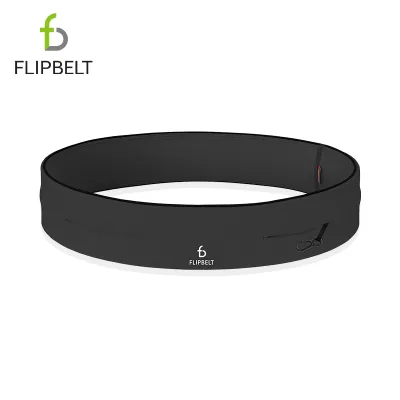
The classic continuous-loop design features a single, tubular pocket with multiple open access points around the circumference of the belt. This layout allows you to slide energy gels in at any position, making it easy to reach your nutrition with either hand while maintaining your running stride. Because there are no zippers or fasteners, the belt relies entirely on the elastic tension of the fabric to keep your items secure. This design is highly efficient for runners who want to pack several gels and access them quickly without fumbling with closures during a race.
Products mentioned in this guide
Prices are valid at publication and may change. Please refer to the product page for the latest price.
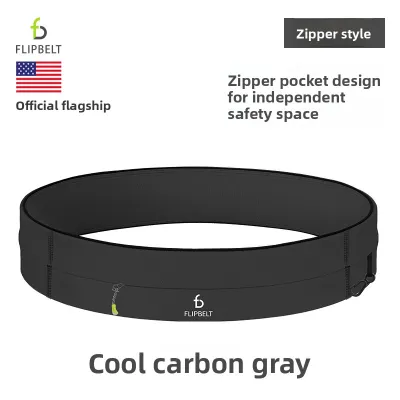
In contrast, zippered or segmented models introduce a dedicated zippered pocket alongside the standard open slots. This design provides a higher level of security for high-value items, such as keys, cash, or a mobile phone, which you cannot afford to lose on the course. However, the zipper mechanism slightly reduces the overall flexibility of that section of the belt. If you plan to carry a large number of gels, you will need to balance the security of the zippered pocket against the slightly reduced stretch capacity in that specific area.
Material stretch and recovery properties are critical for preventing bounce when the belt is fully loaded. High-quality running belts typically use a premium polyester and elastane blend that offers multi-directional stretch. This fabric must stretch sufficiently to accommodate bulky gel packets and then snap back firmly to hold them flat against your body. Over time, lower-quality materials can lose their elasticity, causing the belt to sag and bounce under the weight of your nutrition. Checking the fabric composition and ensuring it has excellent recovery properties is essential for long-term durability.
When reviewing manufacturer specifications, pay close attention to the width of the access points and the internal pocket depth. Some models feature wider openings that easily accommodate larger, liquid-style gel packets, while others have narrower slots designed for standard, compact gel sleeves. If the openings are too narrow, you may struggle to insert or extract your gels quickly, especially when your hands are sweaty or cold. Conversely, if the openings are too wide for your chosen gel brand, the packets may shift or slide out during high-intensity efforts.
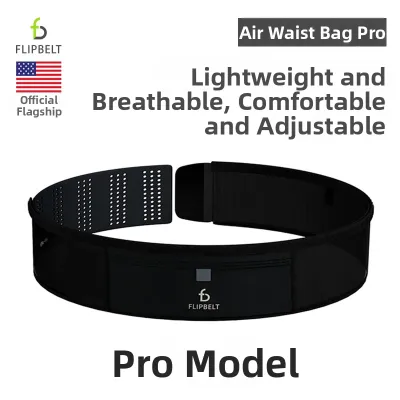
There is always a trade-off between maximum storage volume and a streamlined profile. A wider belt can hold more gels and distribute their weight over a larger surface area, which can improve comfort and stability. However, a wider profile also covers more of your midsection, which can trap heat and sweat, particularly when running in hot and humid climates like Singapore. A narrower, more streamlined belt keeps you cooler but requires more strategic packing and may limit the total number of gels you can comfortably carry.
Estimating Gel Capacity for Half and Full Marathons
Calculating your carrying requirements begins with determining your baseline gel needs per hour. Most sports nutrition guidelines suggest consuming approximately 30 to 60 grams of carbohydrates per hour during endurance events, which translates to roughly one to two gels every 30 to 45 minutes. For a half marathon, a runner might require three to four gels, while a full marathon can easily demand six to eight gels, depending on target finish times. You must ensure your chosen belt model can physically accommodate this volume without stretching to its absolute limit.

To optimize your carrying load, factor in the availability and spacing of on-course aid stations. Many major marathons provide official energy gels at specific intervals along the route. If you have trained with the specific brand offered on the course, you can plan to collect gels at these stations rather than carrying your entire fuel supply from the start. This strategy allows you to start the race with a lighter, more comfortable belt, reducing the physical strain on your lower back and hips during the early kilometers.
Physical volume requirements vary significantly between different gel brands. Standard gel packets are relatively compact and can be folded or stacked easily within the belt’s tubular pocket. However, larger gel formats, such as isotonic gels or hydrogels, contain more fluid and are substantially bulkier and heavier. If your fueling strategy relies on these larger packets, you will need a belt with a wider pocket depth and stronger elastic recovery to prevent the heavier load from causing the belt to sag or bounce.
Balancing total belt capacity against added weight is crucial for preventing discomfort over 42.195 kilometers. A fully loaded belt carrying eight gels, a phone, and keys can weigh upwards of several hundred grams. This concentrated weight can put pressure on your lower abdomen and hips, potentially leading to gastrointestinal discomfort or chafing. During your training runs, gradually increase the load in your belt to condition your body to the weight and to verify that the belt remains stable at your target marathon pace.
Sizing and Fit Considerations for Men
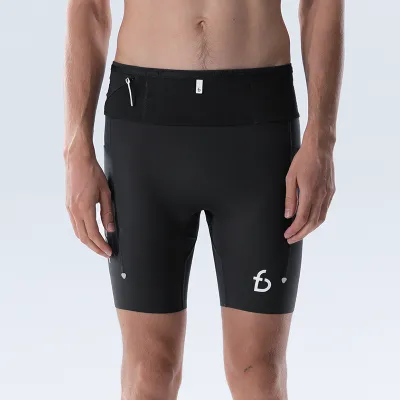
Selecting the correct belt size requires measuring the specific area where you prefer the belt to sit during your runs. Some runners prefer the belt to ride high around their natural waist, near the belly button, while others prefer it to sit low on their hips. Because men typically have a straighter torso profile than women, a belt worn on the natural waist may tend to slide down toward the hips if it is not sized correctly. Use a flexible measuring tape to measure the circumference of your preferred wearing position to ensure an accurate fit.
Always account for the thickness of the running gear you plan to wear on race day. In Singapore’s warm and humid climate, you will likely wear lightweight, thin running shorts or compression liners. However, if you are traveling to a cooler climate for a destination marathon, you might wear thicker compression tights or multiple layers. A belt that fits snugly over thin shorts may feel uncomfortably tight when worn over layered winter gear, so consider sizing up slightly if you anticipate running in varied weather conditions.
It is essential to check the manufacturer’s sizing chart against your actual body measurements rather than relying on your standard apparel or trouser sizes. Running belts are designed to fit much tighter than casual clothing to prevent movement while running. If you purchase a belt based solely on your waist size for casual trousers, you may find the belt is too loose, leading to excessive bouncing when loaded with gels. If your measurement falls between two sizes, consider the smaller size for a tighter, more secure fit, or the larger size if you prefer less compression around your abdomen.
Plan for minor fit adjustments as your body composition fluctuates during a marathon training block. High-volume training often leads to a reduction in body fat and waist circumference over a 12- to 16-week cycle. A belt that fits perfectly at the beginning of your training program may become slightly loose by the time you reach the starting line. Regularly reassess the fit of your belt during your long runs, and be prepared to transition to a smaller size if you notice any increase in bounce or movement as your fitness improves.
Checking Gel Packet Compatibility and Loading Techniques
Before race day, verify the physical dimensions of your preferred gel brands against the belt’s access point widths and internal stretch limits. Some gels have wide, rigid plastic tops or sharp foil corners that can catch on the fabric of the belt, making them difficult to extract quickly. Practice sliding the gels in and out of the belt while standing still to identify any potential snag points. If a gel packet is too wide, you can fold the edges inward or slide it in horizontally to ensure a smoother fit.
Testing different loading orientations during your training runs will help you find the most ergonomic grip while in motion. Many runners find that loading gels “tab up” allows them to easily locate and grab the tear-away tab of the packet without looking. Others prefer loading them “tab down” to prevent the sharp plastic corners of the packaging from rubbing against their skin or snagging on their running top. Experiment with both orientations to determine which method allows for the fastest, most reliable access under fatigue.
Conducting fully loaded shake-tests and long-run trials during your training is the best way to confirm the security of your setup. Fill your belt with the exact number of gels, hydration flasks, and personal items you plan to carry on race day. Perform a series of vertical jumps, high-knees, and short sprints to observe if any items shift or if the belt rides up. If you experience any movement, try redistributing the weight evenly around the belt, placing heavier items closer to your center of gravity at the back or front.
Establish clear stopping conditions during your training to determine if you need to switch belt models or gel brands. If you find that accessing your nutrition requires you to break your running form, slow down significantly, or stop completely, your current setup is not optimal for racing. A successful marathon fueling system should allow you to retrieve and consume your gels seamlessly without disrupting your pacing or breathing rhythm. If you cannot achieve this during training, consider trying a different belt size, a model with a different pocket configuration, or alternative gel packaging.
Frequently Asked Questions (FAQ)
Can I carry hydration flasks alongside energy gels in a Flipbelt?
Yes, you can carry hydration flasks alongside your energy gels, provided you use flasks specifically designed to fit the curved profile of a running belt. Carrying water adds significant weight, which increases the stretch demand on the belt fabric and can cause bouncing if the weight is not distributed correctly. To maintain stability, place the hydration flask in the rear pocket of the belt to keep it centered against your lower back, and distribute your energy gels evenly around the sides and front of the belt to balance the load.
How do I prevent chafing when wearing a fully loaded belt for a full marathon?
To prevent chafing over 42.195 kilometers, apply a high-quality anti-chafe balm generously around your waist and hips where the belt contacts your skin. Ensure your belt is sized correctly; a belt that is too loose will slide up and down, creating friction that leads to skin irritation. Additionally, wear high-performance, moisture-wicking running shorts or tights with a flat, smooth waistband. This fabric barrier helps protect your skin from the direct pressure and movement of a fully loaded belt, especially when sweating heavily in humid conditions.
Community discussion
Share your experience or ask a question. Comments are reviewed before publication.