
Selecting the right football shin guards in Singapore requires balancing personal comfort, playing style, and the physical demands of your league. Lower-leg injuries, ranging from minor bruises to severe bone contusions, are common in contact sports like football. Adequate protection is essential to absorb and distribute the force of impact during tackles and collisions.
A reliable decision-making framework involves aligning the guard’s design with your specific playing position and the intensity of your matches. This guide explores how different materials, shapes, and fit systems cater to various roles on the pitch, helping you make an informed choice for your next game.
Understanding Shin Guard Construction and Protection Types
Shin guards generally fall into three primary design categories: slip-in guards, ankle guards, and integrated shin-sock combinations. Each style offers a distinct balance between coverage area and freedom of movement.
Products mentioned in this guide
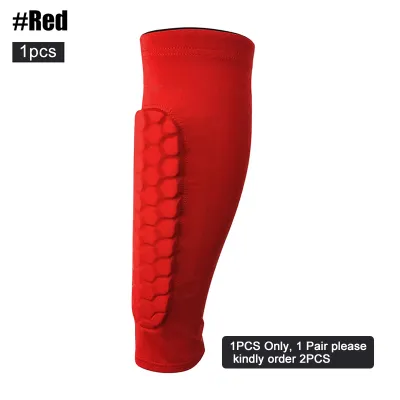
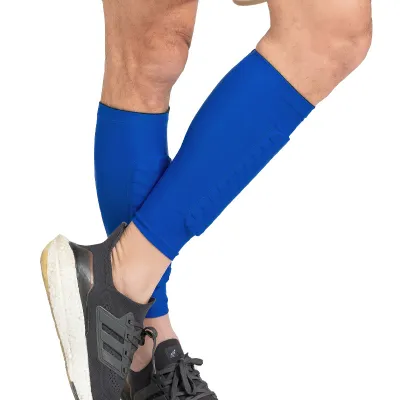
Prices are valid at publication and may change. Please refer to the product page for the latest price.
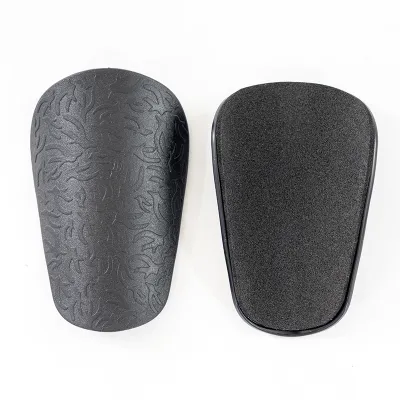
Slip-in guards are highly popular among modern players due to their minimalist design. These guards consist of a protective plate that slides directly into the football sock or a dedicated compression sleeve. While they offer excellent mobility and a lightweight feel, they rely entirely on external sleeves or athletic tape to remain securely in place during active play.
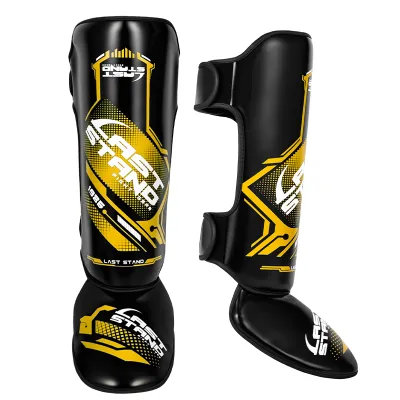
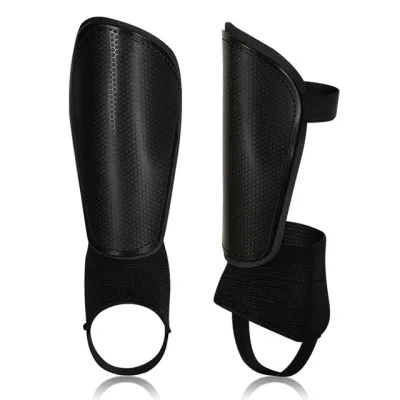
Ankle guards provide extended protection by incorporating padded cups over the ankle bones, often secured with an under-foot stirrup and an upper calf strap. This design offers comprehensive coverage, making it highly suitable for players seeking extra defense against low tackles. However, the added material increases overall bulk and can slightly restrict rapid ankle rotation and flexion.
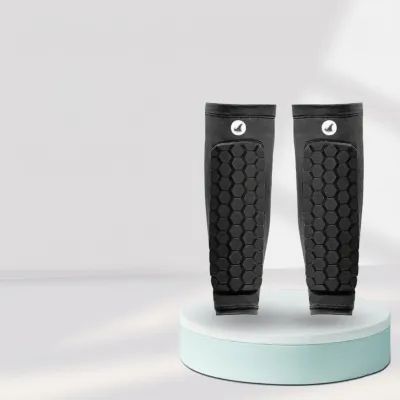
Integrated shin-sock combos feature a protective plate built directly into a compression sleeve or sock. This design simplifies preparation by combining two pieces of gear into one, ensuring a consistent fit. Players should note that washing these units requires careful attention to preserve both the elastic fabric and the protective insert.
The choice of shell material significantly influences both the weight and the impact-dispersion capabilities of the guard. Polypropylene is a widely used thermoplastic known for being lightweight, highly durable, and cost-effective. It provides reliable protection for recreational and amateur play without adding excessive weight.
Carbon fiber represents the premium end of the spectrum, offering an exceptional strength-to-weight ratio. Carbon fiber shells are incredibly rigid and thin, allowing them to disperse high-impact forces across a wide surface area while remaining virtually unnoticeable on the leg. Fiberglass is another rigid alternative, offering excellent protection but with slightly more weight than carbon fiber.
Beyond the outer shell, the inner foam backing plays a critical role in shock absorption. When evaluating options, check manufacturer labels for the type and thickness of the foam, with ethylene-vinyl acetate (EVA) being the industry standard. Thicker foam backings offer enhanced cushioning, while molded ventilation channels help manage heat and moisture during intense matches.
Selecting Shin Guards by Playing Position
Your role on the pitch dictates the frequency and nature of the physical contact you encounter. Consequently, matching your shin guards to your playing position ensures you receive the right level of protection without compromising your specific performance needs.

While some players prefer a universal style, analyzing the unique demands of goalkeepers, defenders, and attacking players reveals distinct equipment priorities.
Goalkeepers
Goalkeepers operate in a unique environment where agility, reflex speed, and diving mobility are paramount. Unlike outfield players, goalkeepers rarely engage in continuous running or frequent leg-to-leg tackles, meaning their lower legs face different risks.
For this role, lightweight and low-profile slip-in guards are highly recommended. These designs protect the tibia during occasional collisions with oncoming attackers or goalposts while keeping weight to an absolute minimum.
Avoiding bulky ankle protection is generally advisable for goalkeepers. Heavy or restrictive guards can hinder rapid lateral movements, quick footwork, and the explosive jumping required to make crucial saves.
Defenders
Defenders operate in the high-impact zones of the pitch, where physical challenges, shot-blocking, and slide tackles are routine. Because they face the highest frequency of direct impacts and stray studs, their protection requirements are the most demanding.
When selecting guards for defensive roles, prioritize models that offer maximum coverage area and a thicker foam backing. A wider, taller shell ensures that a larger portion of the shin is shielded from aggressive clearances and low tackles.
Many defenders benefit from ankle guards or robust double-strap systems. These designs keep the guard firmly anchored during heavy contact and provide vital cushioning for the vulnerable ankle bones during physical duels.
Midfielders and Forwards
Midfielders and forwards rely heavily on speed, acceleration, and rapid changes of direction to bypass opponents. For these players, heavy or bulky equipment can cause early fatigue and restrict natural running mechanics.
Attacking players generally favor lightweight slip-in designs with ergonomic, contoured shapes. These guards fit snugly under tight team socks, maintaining a streamlined profile that minimizes wind resistance and interference with the ball.
It is crucial to ensure that the selected guard covers the main body of the tibia while allowing full ankle flexion. A guard that is too long can dig into the top of the foot during sprints, distracting the player and affecting ball control.
Matching Protection to Your Competitive Level
The intensity of play, the physical build of your opponents, and the strictness of rule enforcement vary significantly across different competitive tiers. Aligning your gear with your specific league level ensures adequate safety and compliance.
In youth and recreational leagues, the primary focus should be on comfort, basic impact protection, and ease of use. Developing players and weekend hobbyists benefit from user-friendly designs, such as ankle guards with adjustable hook-and-loop straps, which stay secure without requiring advanced taping techniques.
As you transition to amateur and competitive adult leagues, the physical intensity of the game increases dramatically. Tackles are executed with greater force, and the risk of high-impact collisions rises. Players in these leagues should look for durable materials, such as reinforced thermoplastics, paired with secure fit systems like compression sleeves to prevent shifting during intense matches.
At semi-professional and professional levels, the game demands ultra-lightweight, high-performance materials. Players often invest in custom-molded carbon fiber guards that offer maximum structural integrity with minimal weight. These premium materials help elite players maintain peak speed and agility over ninety minutes.
Furthermore, competitive players must verify compliance with specific league regulations. Governing bodies often enforce strict rules regarding safety equipment, requiring guards to be made of suitable materials and to provide a reasonable degree of protection. Checking your local league’s handbook before purchasing ensures your gear meets all official standards.
Sizing, Fit, and Pre-Purchase Checks
An ill-fitting shin guard can slide out of position, leaving vulnerable areas exposed, or cause discomfort that distracts you from the game. Taking precise measurements and performing key checks before purchasing is essential for optimal performance.
To find your correct size, measure your shin length using a flexible measuring tape. Start from about two inches above the ankle bend and measure up to about two inches below the kneecap. Compare this measurement directly to the manufacturer’s specific sizing chart, as sizing guidelines can vary significantly between different brands.
In addition to length, evaluate the width of the guard. The protective shell should cover the front of the tibia adequately without wrapping too far around the sides of the leg. If a guard is too wide, it may pinch the calf muscle or restrict blood flow when the muscle contracts during running.
Secure lockdown is critical to prevent the guard from shifting during dynamic movements. Evaluate the elasticity of any included straps, the compression level of fabric sleeves, or the compatibility of the guard with integrated socks. Many players find that high-quality compression sleeves with internal silicone grip zones offer the most reliable, slip-free fit.
If you prefer slip-in guards without straps, test how they sit inside your match socks. The socks must provide enough tension to hold the guards firmly against your shins. If the socks are loose, you may need to use cohesive athletic tape or dedicated guard stays to keep them secure.
Care, Maintenance, and Replacement Signals
Proper care and maintenance extend the lifespan of your shin guards and ensure they continue to provide reliable protection. Given Singapore’s warm and humid climate, establishing a consistent hygiene routine is also vital to prevent unpleasant odors and bacterial growth.
After every match or training session, wipe down the outer shell of your guards with a damp cloth to remove dirt and sweat. Hand wash the foam backing and any fabric sleeves using mild soap and cool water, avoiding harsh detergents that can degrade the materials.
Always allow your gear to air dry completely in a well-ventilated indoor area away from direct sunlight. Exposing shin guards to high heat from dryers or intense tropical sun can warp plastic shells, weaken adhesives, and cause foam padding to dry out and crack.
Regularly inspect your guards for signs of wear and tear. Look closely for hairline cracks in the outer shell, peeling or compressed foam layers, and stretched-out straps that no longer hold tension. Even minor structural damage can significantly reduce the guard’s ability to absorb and distribute impact forces.
Recognizing when to replace your gear is crucial for your safety on the pitch. If the outer shell is cracked or punctured, or if the foam backing has permanently flattened and lost its cushioning properties, the guard must be replaced immediately. Playing with compromised equipment increases the risk of severe lower-leg injuries.
Frequently Asked Questions (FAQ)
Are shin guards mandatory in all local football leagues in Singapore?
Yes, organized football leagues and tournaments in Singapore generally follow standard international rules, which mandate the use of shin guards for all players. Referees routinely conduct gear inspections before kickoff to ensure safety compliance. It is always advisable to check the specific rulebook of your local tournament or social league to confirm their exact equipment requirements.
Can I wear shin guards with ankle protection if I play as a forward?
While forwards typically prefer lightweight slip-in guards to maximize speed and agility, you can certainly wear guards with ankle protection if you prioritize safety. This choice is highly suitable for players recovering from ankle injuries or those competing in highly physical leagues. Trying modular designs with detachable ankle sleeves can help you find the right balance between protection and mobility.
Community discussion
Share your experience or ask a question. Comments are reviewed before publication.