
Choosing the right goalkeeper gloves is not about buying the most expensive pair on the shelf; it is about aligning the glove’s latex quality, durability, and cut with how often you play and your current skill level. A common mistake is purchasing professional match-grade gloves for daily training on abrasive artificial turf, which quickly ruins the delicate latex. Conversely, relying on basic entry-level gloves for high-stakes matches can leave you without the necessary grip to secure a wet, fast-moving ball. Finding the right balance ensures you perform at your peak without constantly replacing worn-out gear.
In hot and humid climates, environmental factors play a massive role in how goalkeeper gloves perform and wear down. High humidity and intense sweat can compromise your grip and accelerate the breakdown of the latex palm, while the abrasive artificial grass pitches common in urban recreational leagues generate significant friction and heat. By understanding the distinct tiers of goalkeeper gloves and matching them to your playing frequency, you can build a smart equipment strategy that maximizes both performance and durability.
Decoding Goalkeeper Glove Tiers: From Beginner to Match-Grade
Goalkeeper gloves are generally categorized into three distinct tiers based on the quality of the latex used on the palm, the overall construction, and the intended usage. The most critical trade-off across these tiers is between grip and durability. As latex becomes softer and stickier to provide elite grip, it also becomes more fragile and susceptible to tearing. Understanding these differences is essential for making an informed purchase that matches your playing environment.
Products mentioned in this guide
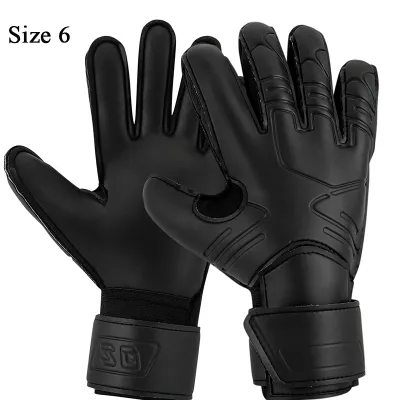
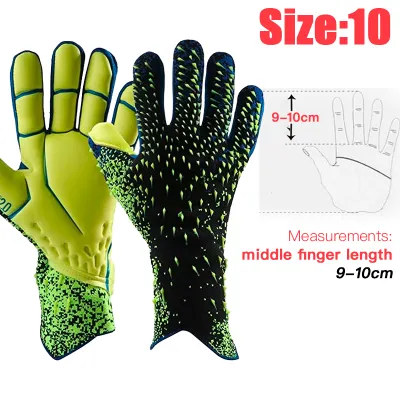
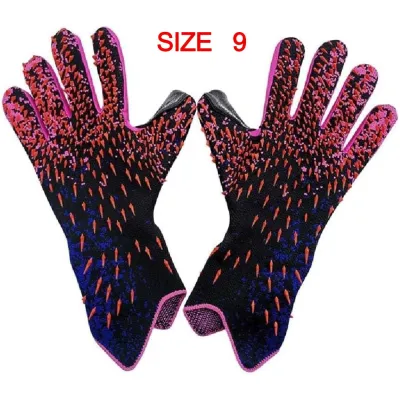
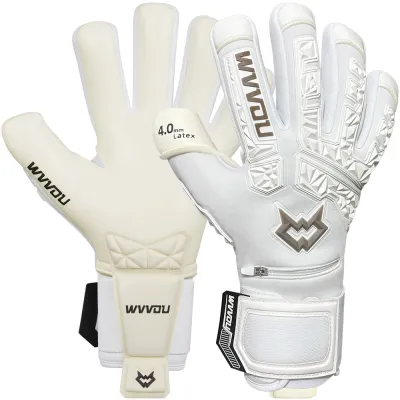
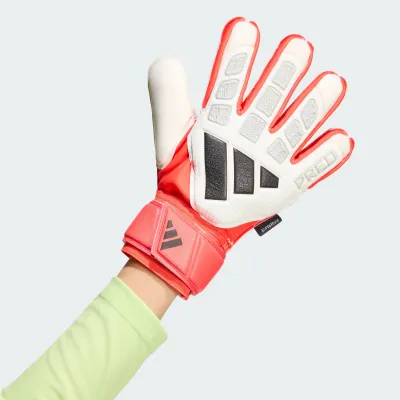
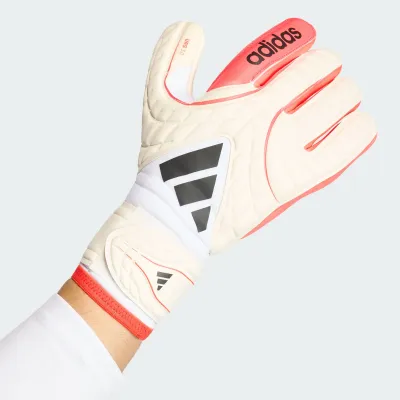
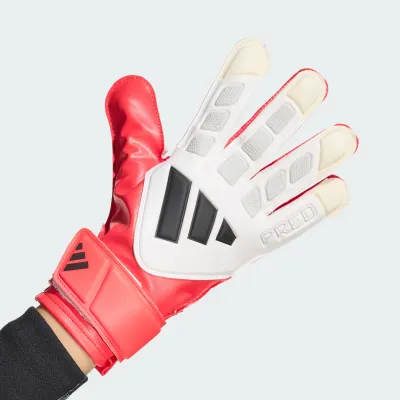
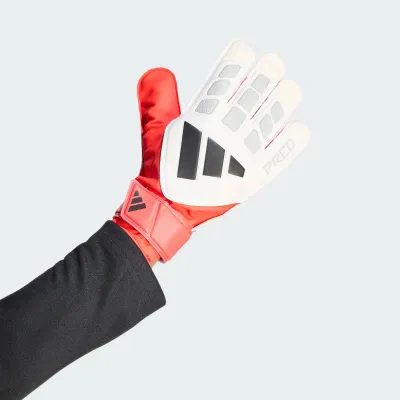
Prices are valid at publication and may change. Please refer to the product page for the latest price.
Entry-level or beginner gloves are designed primarily for durability and basic hand protection. These gloves typically feature harder, synthetic latex compounds or low-percentage natural latex blends. Because the latex is denser and less porous, it can withstand repetitive contact with abrasive surfaces like hard ground, indoor courts, or dry artificial turf. While these gloves offer excellent longevity and are highly budget-friendly, they provide limited grip, requiring the goalkeeper to rely more on clean catching technique rather than the stickiness of the glove to secure the ball.
Mid-tier or training gloves strike a practical balance between grip and longevity. These models often utilize a blend of natural and synthetic latex, offering a noticeably softer feel and better shock absorption than entry-level options. They provide reliable, consistent grip in dry conditions and decent performance in the wet, making them the standard choice for regular amateur players and academy training sessions. The construction is robust enough to handle multiple sessions a week without showing immediate signs of severe flaking or tearing.
Pro or match-grade gloves represent the pinnacle of handling performance, utilizing ultra-soft, high-grade natural latex often referred to as contact or elite grip latex. This material is highly porous and formulated to offer maximum ball retention, allowing goalkeepers to make confident catches even on rain-slicked pitches or under high-velocity shots. However, this elite performance comes at the cost of durability. The soft latex is highly delicate and can begin to show cosmetic wear during the very first use, especially if it makes contact with abrasive artificial turf or if the goalkeeper uses their palms to push off the ground.
Matching Your Profile: Skill Level and Weekly Pitch Time
Selecting the right glove tier requires an honest assessment of your current skill level, your physical development, and how often you step onto the pitch. Buying a glove that is too advanced can lead to unnecessary expenses, while using a glove that is too basic can hinder your development in competitive scenarios. Aligning your gear with your actual playing profile ensures you get the best return on your investment.

The casual or developing player typically plays once a week or less, often in social leagues, school matches, or weekend kickabouts. At this stage, goalkeepers are still refining their fundamental catching techniques and diving mechanics. Beginners frequently make the mistake of landing on their palms when diving or pushing off the ground with open hands, actions that will instantly shred soft match-grade latex. For this profile, a durable entry-level or lower-mid-tier glove is highly recommended. It provides a forgiving surface that survives technical errors while offering sufficient protection as hand strength develops.
The regular amateur or academy player trains two to three times a week and plays competitive matches on the weekend. This player requires consistent feedback from the ball to refine their handling and needs gear that can withstand high-frequency use. A reliable mid-tier glove is the ideal match for this profile. It offers a tactile feel for the ball that aids in developing clean catching habits, while still possessing the structural integrity to survive consecutive training sessions and weekend games without rapid degradation.
The competitive or high-frequency player trains daily or multiple times a week and participates in structured, high-stakes leagues. For these athletes, split-second reactions and secure handling are paramount, making the superior grip of pro-grade gloves a necessity. However, because high-frequency play accelerates latex wear, these players must manage their gear carefully. Relying on a single pair of match-grade gloves for both daily training and intense matches is highly inefficient, as the elite grip will quickly fade, leaving the player disadvantaged during official games.
The Rotation Strategy: Why You Need More Than One Pair
To maximize both your performance and your equipment budget, adopting a two-pair glove rotation strategy is highly effective. Rather than using a single pair of gloves for every activity until they fall apart, separating your gear based on the intensity and purpose of the session extends the lifespan of your equipment and ensures you always have optimal grip when it matters most.
Separating your training gloves from your match-day gloves is the foundation of this strategy. Repetitive drills, warm-ups, and shot-stopping practice involve high-frequency contact with the ball and the ground, which rapidly wears down latex. By using a durable, cost-effective mid-tier glove for these training sessions, you preserve your delicate, high-grip match gloves strictly for official games. This ensures that when you step onto the pitch for a competitive match, your match gloves are clean, sticky, and performing at their absolute best.
This rotation strategy is also highly beneficial for budget allocation. Instead of repeatedly purchasing expensive match-grade gloves because they wear out every few weeks, you can invest your S$ budget more wisely. Purchasing one premium pair of match gloves and one or two durable training pairs is often more cost-effective over a season than constantly replacing a single mid-tier pair that tries to do both jobs. The match gloves will last significantly longer because they are only subjected to 90 minutes of play per week under controlled conditions.
Surface considerations should also dictate your glove rotation. Artificial grass (AG) pitches, which are incredibly common in modern sports facilities, generate much higher friction and heat than natural grass. This abrasive environment accelerates latex wear dramatically. When training on AG, utilizing a training glove with reinforced latex or a denser compound is essential to prevent premature tearing. Save your premium match gloves for well-watered natural grass pitches, or use them on AG only during official matches where peak grip is non-negotiable.
Fit, Cut, and Closure: Final Checks Before Checkout
Once you have determined the appropriate glove tier and rotation strategy, the final step is evaluating the physical construction of the glove. The fit, cut, and closure system directly impact your comfort, hand sensitivity, and overall confidence when handling the ball. Choosing the right configuration depends heavily on personal preference and hand shape.
Understanding glove cuts is crucial, as they dictate how the latex conforms to your fingers. A Flat Cut features traditional outer seams, offering a looser, roomier fit and a flat surface area for ball contact. A Roll Finger cut wraps the latex around the fingers, providing maximum latex-to-ball contact and a snug, cushioned feel. A Negative Cut uses internal stitching to create a tight, second-skin fit, which is highly favored by modern players who want maximum ball feel and control. Hybrid cuts combine these styles, such as roll fingers on the outer digits and negative cuts on the middle fingers, to balance snugness with surface area.
Wrist closure systems provide varying levels of support and ease of use. Classic elastic bandages conform easily to the wrist, offering a comfortable and flexible entry point. Hook-and-loop straps, which can be single or double-wrap, allow you to customize the tension and level of wrist stability, which is highly beneficial for preventing hyperextension during heavy shots. Modern strapless gloves utilize high-compression knit materials to secure the wrist without a strap, offering maximum mobility and a lightweight feel, though they require a highly precise fit to prevent slipping.
Sizing and finger protection are the final details to verify. Always measure your hand size accurately according to the specific manufacturer’s size chart, as sizing can vary significantly between brands. Additionally, consider whether you need finger protection, which consists of plastic spines inserted along the back of the fingers. While these spines help prevent hyperextension injuries, they also restrict natural finger flexibility and ball-handling feel. Players recovering from injuries or younger keepers with developing hand strength often benefit from them, while advanced players typically prefer gloves without spines for unrestricted movement.
Care and Maintenance: Extending the Life of Your Latex
No matter which tier of goalkeeper glove you choose, proper care and maintenance are essential to preserve the latex and extend the lifespan of your gear. Natural latex is a delicate organic material that degrades quickly when exposed to dirt, sweat, and improper storage conditions. Establishing a consistent cleaning routine will keep your gloves performing better for longer.
An essential but often overlooked step is the pre-wash requirement. New goalkeeper gloves come from the factory coated in light preservatives to prevent the latex from drying out or cracking during shipping and storage. Before using your new gloves for the first time, wash them gently in lukewarm water and allow them to air-dry completely. This process removes the factory chemicals and “activates” the latex, ensuring you get the maximum possible grip from your very first session.
Post-match cleaning is critical for removing sweat, dirt, and turf crumbs, all of which clog the pores of the latex and dry it out. After every use, rinse your gloves thoroughly under lukewarm water. Gently rub the palms with your hands to lift away dirt, avoiding harsh household detergents, bleach, or abrasive scrub brushes, which can permanently damage the latex. Squeeze the water out gently without wringing or twisting the gloves, as twisting can tear the seams and the fragile palm material.
Proper drying and storage conditions prevent the gloves from rotting or cracking. Always air-dry your gloves naturally in a well-ventilated indoor space, away from direct sunlight, radiators, or artificial heat sources, which dry out the latex and cause it to crumble. When storing your gloves, never allow the latex palms to touch each other, as they can stick together and tear when pulled apart. Store them in a dedicated glove bag with the palms facing away from each other, separated by a piece of non-stick paper or plastic film.
Frequently Asked Questions (FAQ)
Do I need finger protection (spines) in my goalkeeper gloves?
Finger spines are plastic inserts along the back of the fingers designed to prevent hyperextension by restricting backward movement. They are highly beneficial for youth players developing hand strength, goalkeepers recovering from finger injuries, or those playing in physical leagues where forceful, close-range shots are common. However, the trade-off is a reduction in finger flexibility and tactile feel. Advanced players often prefer gloves without spines to maintain a natural, unrestricted grip and better ball-handling control.
How often should I replace my match-grade goalkeeper gloves?
Match-grade gloves prioritize elite grip over durability, meaning their lifespan is relatively short. Depending on the frequency of matches, the quality of the pitches you play on, and your diving technique, a pair of match gloves may last anywhere from 10 to 15 highly competitive matches before showing noticeable wear. Observable signs that indicate it is time to replace or downgrade your match gloves include significant thinning or flaking of the palm latex, tearing around the thumb seams or finger gussets, and a complete loss of tackiness even after a proper wash.
Can I use the same gloves for both training and official matches?
While you can physically use one pair for everything, using delicate match gloves for daily training will rapidly destroy the soft latex, leaving you with compromised grip during actual games. If your budget strictly limits you to a single pair of gloves, it is highly recommended to choose a durable mid-tier training glove rather than a fragile match-grade model. This choice ensures your gloves survive the repetitive wear of training sessions while still providing acceptable grip and protection on match day, offering much better overall value for your investment.
Community discussion
Share your experience or ask a question. Comments are reviewed before publication.