
Choosing the right storage for your swim goggles is the single most effective way to extend their lifespan and maintain clear vision in the pool. While many swimmers toss their goggles directly into a gym bag, this habit quickly leads to scratched lenses, stretched straps, and cracked frames. The choice between a hard goggles case and a soft pouch comes down to a fundamental trade-off: hard cases excel at providing robust crush protection in crowded bags, whereas soft pouches prioritize scratch prevention and compact flexibility. To make the right choice, you must evaluate your typical swim routine, how you commute to the pool, and how tightly you pack your gear.
Swim goggles are surprisingly delicate pieces of equipment. The inner lenses are typically coated with a thin, sensitive anti-fog layer that can be ruined by a single abrasive rub. Externally, mirrored coatings are highly susceptible to micro-scratches from keys, zippers, or rough fabrics. Beyond surface damage, the structural integrity of the goggles is also at risk; a heavy water bottle or a pair of shoes shifting inside a backpack can easily snap a plastic nose bridge or deform a silicone gasket. By understanding these common damage scenarios, you can better assess whether your gear requires a rigid shield or a soft, non-abrasive barrier.
Your daily commute and packing habits dictate your protection baseline. If you travel to the pool via public transit with a tightly packed multi-purpose backpack, your goggles face constant compression. Conversely, if you carry a dedicated swim bag with separate compartments and travel by car, your gear experiences far less physical pressure. Additionally, how you handle wet gear post-swim plays a major role, as storing damp goggles in an airtight environment can lead to mold growth and material degradation.
Products mentioned in this guide

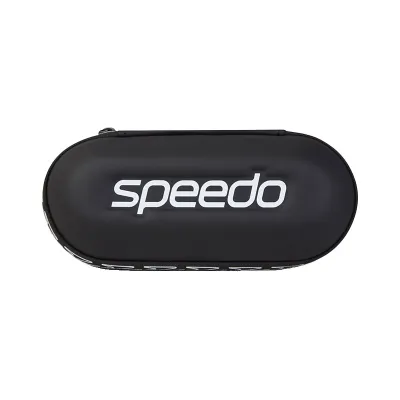

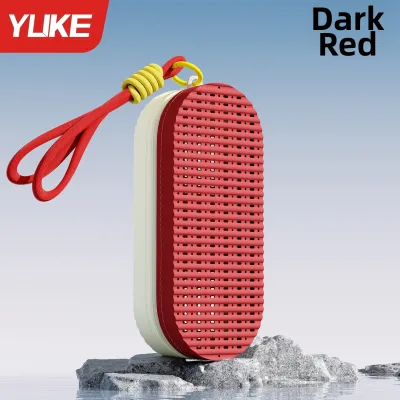

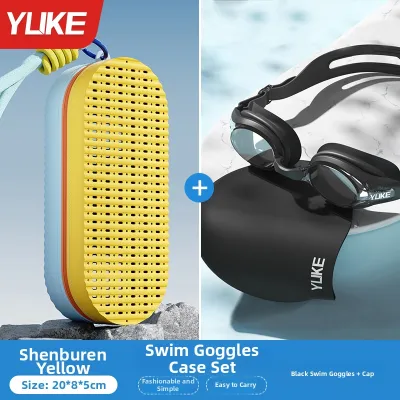
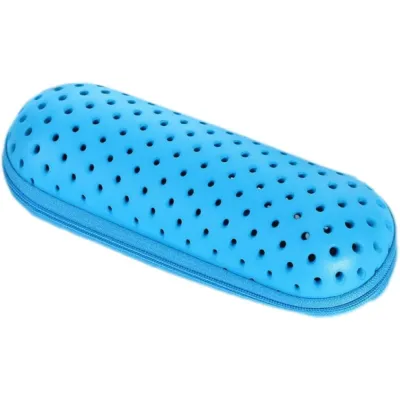
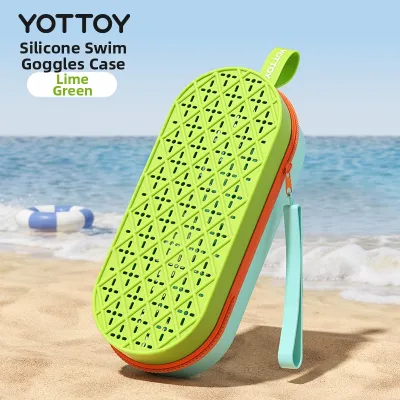
Prices are valid at publication and may change. Please refer to the product page for the latest price.
Hard Goggles Cases: Rigid Defense and Crush Resistance
Rigid goggles cases are engineered to act as an external exoskeleton for your eyewear. Typically constructed from molded plastics, ethylene-vinyl acetate (EVA), or lightweight aluminum, these boxes are designed to absorb and distribute external forces. When your gym bag is stuffed to capacity or accidentally stepped on, the hard shell bears the brunt of the impact, ensuring that the structural frame of your goggles remains completely unaffected. This crush resistance is particularly crucial for high-end racing goggles or prescription models, where any frame deformation can ruin the watertight seal or crack the lenses.
However, a tough exterior is only half the battle. To prevent the goggles from rattling inside the box, high-quality hard cases feature soft internal linings, molded foam inserts, or integrated elastic straps. Without these internal stabilization features, the goggles can slide around during transit, causing the lenses to rub against the hard plastic walls of the case itself. When shopping for a rigid box, it is essential to look for models that combine a tough outer shell with a brushed fabric or foam interior to ensure comprehensive protection.
Despite their superior defense against impact, hard cases come with distinct practical trade-offs. The most obvious drawback is their fixed, bulky footprint. Unlike soft bags, a rigid case occupies the same amount of space in your backpack whether it is full or empty. This can be a significant inconvenience if you prefer to travel light or use a compact transition bag. Furthermore, if a hard case lacks proper ventilation, it can easily trap residual pool water. Storing wet goggles in a sealed, non-breathable hard box creates a humid microclimate that accelerates the breakdown of silicone straps and ruins anti-fog coatings.
Soft Goggles Pouches: Flexibility and Scratch Prevention
Soft goggles pouches offer a lightweight, highly adaptable alternative that focuses primarily on surface preservation. Usually made from microfiber, neoprene, or soft fleece, these pouches act as a gentle barrier against dust, dirt, and friction. The primary strength of a soft pouch lies in its interior texture. Microfiber fabrics are exceptionally gentle on delicate lens coatings, allowing you to slide your goggles in and out without the risk of creating micro-scratches that can blur your underwater vision over time.

The flexibility of a soft pouch makes it incredibly convenient for swimmers who value space efficiency. When empty, a pouch can be folded, rolled, or tucked into the smallest pocket of your swim bag, taking up virtually zero space. This adaptability also allows the pouch to conform to the shape of your goggles, minimizing unnecessary bulk. If you use a dedicated swim backpack that already features built-in padded compartments, a soft pouch provides the perfect secondary layer of scratch protection without adding extra weight to your load.
The obvious limitation of any soft pouch is its complete lack of structural defense. A fabric sleeve cannot protect your goggles from being crushed by heavy items like wet towels, training fins, or water bottles. If your bag is subjected to external pressure, the flexible material of the pouch will simply compress, transferring the force directly to the goggles inside. Swimmers who choose a soft pouch must be highly disciplined about how they pack their bags, ensuring that the goggles are always placed in a safe, uncrowded pocket away from heavy or sharp objects.
Head-to-Head Comparison of Goggles Storage Options
To help you weigh these two distinct storage philosophies, it is helpful to compare their performance across several key usability and protection dimensions. While both options aim to keep your swim gear safe, they do so by prioritizing entirely different aspects of the transport experience.
| Protection & Usability Dimension | Hard Goggles Case | Soft Goggles Pouch |
|---|---|---|
| Crush Resistance | Excellent (protects against heavy loads) | None (compresses under pressure) |
| Scratch Prevention | High (requires internal lining) | Excellent (gentle microfiber/fleece) |
| Portability & Weight | Bulky, fixed shape, heavier | Lightweight, compressible, highly portable |
| Moisture Management | Variable (requires drainage/vent holes) | Moderate (breathable but absorbs water) |
| Storage Capacity | Often fits single pair; some hold accessories | Highly flexible; can stretch slightly |
Ventilation is a critical differentiator between these two storage types. Many modern hard cases are designed with integrated drainage holes, mesh panels, or breathable vents. These features allow air to circulate, helping to dry out residual moisture even when the case is closed. In contrast, while some soft pouches are made of breathable mesh, many microfiber or neoprene pouches tend to absorb and hold onto moisture. If you place a wet pouch inside a closed bag, the fabric can remain damp for hours, creating an ideal environment for mold and mildew to develop on your goggle straps.
Capacity and versatility also vary significantly between the two designs. Hard cases are typically molded to fit a specific style of goggles, meaning a bulky mask-style goggle might not fit into a slim, aerodynamic racing goggle box. On the other hand, soft pouches offer a degree of stretch and flexibility, making them more forgiving for unusually shaped eyewear or for storing small accessories like earplugs, nose clips, or spare goggle straps alongside your primary gear.
How to Choose the Right Goggles Box for Your Gear
Selecting the ideal storage solution requires matching the product’s design to your specific gear and packing habits. If you invest in expensive mirrored racing goggles, commute via public transit with a packed multi-sport bag, or frequently travel for swim meets, a ventilated hard case is the clear choice. The rigid structure ensures your investment is safe from accidental drops and heavy gear shifts. If you prefer to carry multiple pairs of goggles—such as a clear pair for indoor pools and a dark, polarized pair for open-water swimming—a larger, multi-goggle hard box will keep them organized and protected in one place.
Conversely, a soft pouch is highly recommended if you use a dedicated swim bag with structured, individual compartments that already offer crush protection. It is also the perfect choice for recreational swimmers who pack light and want to prevent their lenses from rubbing against other soft items. When selecting a soft pouch, look for options made from high-density microfiber, which can double as a safe cleaning cloth for the outer lenses when dry.
Regardless of which style you choose, verifying the product specifications before purchasing is essential. For hard cases, check the durability of the zipper or latch mechanism, and ensure the interior features a soft lining rather than bare plastic. For soft pouches, verify that the drawstring or closure system secures tightly so the goggles cannot slip out inside your bag. Finally, establish a consistent maintenance routine: always rinse your goggles in fresh, non-chlorinated water after every swim, and allow both the goggles and your storage case or pouch to air-dry completely in a shaded area before sealing them away. This simple habit prevents material degradation and keeps your vision crystal clear for your next workout.
Frequently Asked Questions (FAQ)
Can I store wet swim goggles in a hard case?
You should avoid storing wet swim goggles in a completely sealed, unvented hard case. Trapping moisture inside a rigid box creates a humid environment that can rapidly degrade the silicone gaskets, stretch out the straps, and ruin the delicate anti-fog coating on the inner lenses. If you must use a hard case immediately after swimming, ensure it features built-in ventilation holes or mesh panels, and remove the goggles to air-dry completely as soon as you get home.
Do soft pouches protect against heavy items in a gym bag?
No, soft pouches do not offer any protection against heavy items or crushing forces. Because they are made of flexible fabrics like microfiber or neoprene, they will compress under pressure, transferring the weight of heavy gear like water bottles, shoes, or wet towels directly onto your goggles. If you choose to use a soft pouch, you must designate a separate, uncrowded pocket in your gym bag to keep your goggles safe from physical impact.

Community discussion
Share your experience or ask a question. Comments are reviewed before publication.