
Deciding between a hardtail and a full-suspension mountain bike in Singapore depends on your specific trail choices, budget, and willingness to perform maintenance. For smooth, rolling cross-country paths and paved connectors, a hardtail offers high pedaling efficiency and lower upkeep. However, if you plan to frequent technical trails with exposed roots, rocky drops, and steep descents, a full-suspension bike provides enhanced traction and physical relief, though at a higher cost and maintenance commitment.
Choosing the wrong type of bike can lead to unnecessary physical fatigue or excessive maintenance costs. By understanding how local trail conditions interact with different bike designs, you can make an informed decision that matches your riding style and budget. This guide breaks down the key differences to help you select a suitable setup for your off-road adventures.
Understanding the Terrain: What to Expect on Local Trails
Singapore’s off-road trail network features a diverse mix of terrain types that challenge both rider skill and equipment. Dedicated mountain biking trails often consist of hard-packed dirt, loose gravel, slick clay, and dense networks of exposed tree roots. Artificial features such as rock gardens, wooden drop-offs, berms, and technical climbs are integrated into many local trail designs to test your handling abilities.
Products mentioned in this guide
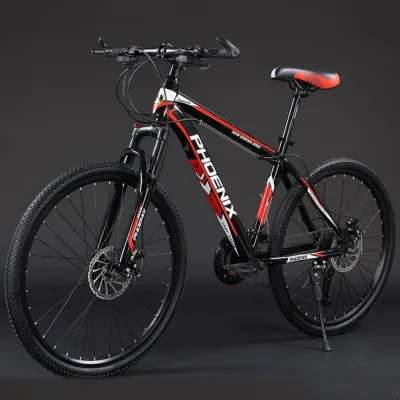
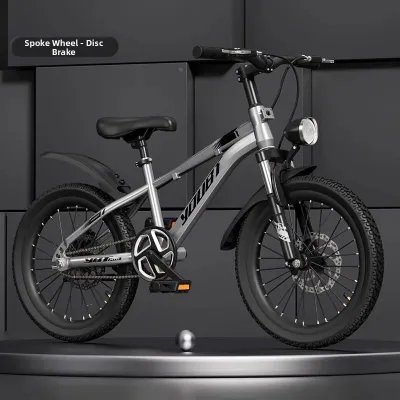
Prices are valid at publication and may change. Please refer to the product page for the latest price.
The elevation profile of local trails is characterized by short, punchy climbs and quick, technical descents rather than long, sustained alpine climbs. This means riders must constantly transition between hard pedaling and active descending. The frequent transitions require a bike that can accelerate quickly while remaining stable when the trail points downward.
The tropical climate plays a massive role in trail conditions. Heavy downpours and high humidity can quickly transform dry, dusty paths into muddy, slick tracks. Mud accumulation affects tire traction and places high demands on your bike’s drivetrain and suspension components. Understanding these environmental factors is crucial when deciding how much suspension support you actually need.
Hardtail Mountain Bikes: Efficiency and Maintenance
Hardtail mountain bikes feature a front suspension fork to absorb impacts at the front wheel, but have a completely rigid rear frame. This design ensures direct power transfer from your pedals to the rear wheel, making them highly efficient on flat sections, paved park connectors, and smooth climbs. Without a rear shock or linkage, there is minimal suspension compression under pedaling force, allowing you to accelerate quickly with minimal energy loss.

Weight and cost are two major advantages of the hardtail design. Because they require fewer components, hardtails are generally lighter than full-suspension bikes at similar price points. They also present a lower initial purchase price in S$, making them highly accessible for beginners or riders who want a high-quality drivetrain and fork without paying the premium for rear suspension.
Mechanical upkeep is significantly simplified on a hardtail. With no rear pivot bearings, bushings, or rear shock to service, you spend less time in the workshop and less money on replacement parts. This simplicity is particularly beneficial in wet, humid environments where grit and moisture can quickly wear down moving parts.
However, hardtails have clear limitations when it comes to rider comfort and traction on rough terrain. The lack of rear suspension means your legs must act as the shock absorbers. On rough, root-heavy descents, this can lead to faster rider fatigue and a loss of rear-wheel traction as the tire bounces over obstacles rather than tracking the ground.
Full-Suspension Mountain Bikes: Comfort and Control
Full-suspension bikes feature both front and rear suspension systems, designed to keep both tires in contact with the ground. On steep, rocky, or highly technical descents, this dual suspension provides enhanced traction, stability, and braking control. The rear shock absorbs impacts from roots and rocks, allowing the bike to maintain momentum through rough sections where a hardtail might stall or bounce offline.
By absorbing trail chatter and heavy impacts, a full-suspension bike significantly reduces physical fatigue on your lower back, knees, and legs. This allows for longer, more comfortable riding sessions on demanding trails. If you plan to ride frequently or tackle highly technical trails, the added comfort can make your riding experience much more enjoyable.
These benefits come with trade-offs in weight, cost, and complexity. Full-suspension bikes are heavier due to the extra shock, linkages, and pivot hardware. They also carry a higher initial purchase price in S$ and require regular, specialized maintenance of the rear suspension components to prevent play, squeaks, and performance degradation.
On climbs, some pedaling energy can be lost to suspension movement, a phenomenon known as pedal bob. While modern rear shocks offer lockout levers or platform damping to mitigate this, proper setup and tuning are essential to minimize energy loss. Riders must be willing to invest time in adjusting air pressure and rebound settings to get the most out of their suspension.
Decision Matrix: Matching Your Riding Profile to the Bike
To make the right choice, evaluate your budget, riding goals, and maintenance tolerance against the specific demands of local trails.
First, consider your budget allocation. A quality entry-level hardtail is often more reliable and enjoyable than a cheap, poorly spec’d full-suspension bike. Ensure your budget in S$ accounts for ongoing maintenance, such as pivot bearing replacements and regular drivetrain wear, which can add up quickly on a full-suspension model.
Second, identify your primary riding focus. If your goals center around cross-country fitness, casual trail riding, or commuting on paved park connectors, a hardtail is highly practical and efficient. If you want to progress to technical trail riding, jump lines, and steep descents, a full-suspension bike is a more suitable long-term investment.
Third, assess your current skill level and willingness to learn. Riding a hardtail teaches precise line selection because the bike does not forgive mistakes. You must learn to choose the smoothest path and use your body weight actively. A full-suspension bike can be more forgiving, allowing you to ride challenging lines with more confidence, but it can sometimes mask poor technique.
Finally, consider your riding frequency and personal tolerance for mechanical upkeep. If you prefer a simple wash-and-ride routine, a hardtail is ideal. If you do not mind scheduling regular shock rebuilds and checking pivot torque, a full-suspension bike will serve you well.
Essential Setup and Safety Checks for Tropical Riding
Riding in a hot, humid, and wet environment requires specific bike setup and safety precautions. Equipment cannot replace proper training and trail judgment, so always ride within your skill limits and check trail conditions before heading out.
Tire selection and pressure are critical for maintaining grip on slick roots and wet clay. Select tires with a tread pattern suited for local dirt conditions, and consider running a tubeless setup to allow for lower tire pressures without the risk of pinch flats. Regularly inspect your brake pads and rotors; wet, gritty trail conditions accelerate brake wear and can compromise stopping power.
Safety gear is mandatory for off-road riding. Always wear a certified helmet, and consider knee and elbow pads for added protection on technical trails. Given the high humidity, carry adequate hydration and electrolyte solutions to prevent heat exhaustion during long rides.
Establish a strict post-ride cleaning routine to protect your investment. Wash away mud and grit immediately, dry the chain, and apply a high-quality wet lube to prevent rust and corrosion. Check pivot bolts and suspension seals regularly to ensure no water or dirt has bypassed the seals, preserving the lifespan of your components.
Frequently Asked Questions (FAQ)
Can I ride a hardtail on advanced technical trails?
Yes, you can ride a hardtail on advanced trails, but it requires high physical engagement and precise line selection. Riding a hardtail on rough terrain will increase rider fatigue, but it is an excellent way to build fundamental bike handling skills, balance, and body positioning.
How much should I budget for my first mountain bike?
For a reliable entry-level hardtail, budget around S$800 to S$1,500. For a capable full-suspension bike, entry-level options typically start around S$2,500 to S$4,000. Remember to set aside S$150 to S$300 for essential safety gear, including a certified helmet, floor pump, and basic maintenance tools.
Does the tropical climate affect bike maintenance?
Yes, high humidity and frequent rain accelerate wear on moving parts. Suspension seals, pivot bearings, and chains are highly susceptible to moisture and grit intrusion. You will need to clean your bike more frequently, apply wet-weather chain lubricants, and service your suspension forks and shocks at shorter intervals than recommended in dry climates.
Community discussion
Share your experience or ask a question. Comments are reviewed before publication.