
Finding a reliable 500ml insulated coffee bottle that preserves the pure taste of your brew without retaining stale odors or dark stains requires looking closely at interior surface technology and lid construction. While standard stainless steel is highly durable, its microscopic surface texture can trap coffee oils and tannins over time, leading to persistent flavor transfer. To enjoy a clean-tasting beverage every day, you should prioritize bottles featuring specialized interior linings—such as ceramic coatings, glass inserts, or electropolished steel—paired with fully disassemblable, low-contact lid designs.
Why Coffee Leaves Stains and Odors in Insulated Bottles
Coffee is a complex chemical mixture containing organic acids, volatile aromatic compounds, and natural oils. When hot coffee sits inside an insulated bottle, these oils and tannins naturally settle out of the liquid and cling to the interior walls. On a microscopic level, even highly polished metals have tiny pores, crevices, and surface imperfections. Over hours of exposure, coffee oils migrate into these microscopic voids, where they oxidize and turn rancid, creating that familiar stale coffee smell that resists basic rinsing.
The rate of this absorption is heavily accelerated by temperature and time. High temperatures keep the volatile compounds active, while extended storage times allow the oils to bond more firmly with the container’s surface. When you leave a half-empty bottle on your desk or in your backpack during a long commute, the remaining liquid evaporates slightly, leaving a concentrated residue along the waterline.
Products mentioned in this guide
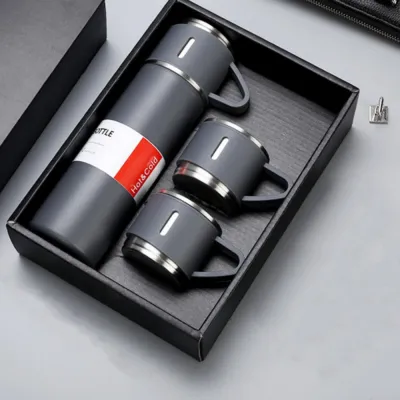
Prices are valid at publication and may change. Please refer to the product page for the latest price.
Standard stainless steel, particularly lower-grade or untreated varieties, is highly susceptible to this process. Although stainless steel is naturally corrosion-resistant, its raw surface is not perfectly smooth. Without a specialized finish or barrier coating, the metal’s microscopic texture acts like a sponge for organic compounds. Over weeks of daily use, these trapped oils build up a stubborn film that not only stains the metal dark brown but also leaches old, bitter flavors into fresh water, tea, or subsequent batches of coffee.
Recommended Interior Materials for Coffee
To combat flavor retention, manufacturers utilize several distinct interior lining materials designed to minimize surface porosity and chemical reactivity. The three primary categories suitable for carrying coffee are ceramic-coated stainless steel, glass-lined interiors, and electropolished stainless steel. Each material offers a unique balance of weight, durability, thermal efficiency, and ease of maintenance.

When choosing between these options, you must weigh your specific daily routine against the inherent trade-offs of each material. For instance, active outdoor enthusiasts may prioritize impact resistance, while office commuters might focus entirely on flavor purity. Regardless of which material you select, always verify the manufacturer’s specific care instructions and material certifications on the product label before making a purchase, as improper cleaning can permanently degrade these specialized surfaces.
Ceramic-Coated Stainless Steel
Ceramic-coated bottles feature a tough stainless steel outer shell lined with a thin, fused layer of technical ceramic. This ceramic barrier is chemically inert and exceptionally smooth, effectively blocking coffee oils and acids from reaching the underlying metal. Because ceramic lacks the microscopic pores found in raw steel, tannins and oils cannot find a foothold, allowing them to wash away easily with minimal effort.
While ceramic coatings provide an excellent sensory experience—ensuring your coffee tastes exactly as it would from a ceramic mug at home—they require careful handling. You must check the manufacturer’s guidelines regarding cleaning tools, as metal spoons, harsh scouring pads, or abrasive powders can scratch or chip the delicate coating. Additionally, ceramic-coated bottles can carry a slight weight penalty and a higher price point compared to basic bare-metal alternatives, making them a premium choice for dedicated coffee lovers.
Glass-Lined Interiors
For those who prioritize absolute flavor purity above all else, glass-lined insulated bottles represent the gold standard. Glass is completely non-reactive, non-porous, and impervious to all organic acids and oils found in coffee. It guarantees zero flavor transfer, meaning you can carry a strong dark roast in the morning and fresh water in the afternoon without any lingering aroma.
However, the primary limitation of glass is its physical fragility. A glass vacuum flask is highly susceptible to thermal shock and mechanical impact, making it less suitable for rugged outdoor activities, cycling, or chaotic daily commutes. If you choose a glass-lined bottle, carefully inspect the protective outer casing specifications to ensure it features robust shock-absorbing silicone bumpers or a high-impact plastic shell designed to cushion the inner glass vessel from accidental drops.
Electropolished Stainless Steel
Electropolishing is an electrochemical process that removes a microscopic layer of metal from the interior surface of a stainless steel bottle. This process eliminates surface peaks and valleys, leaving an ultra-smooth, high-luster finish that is significantly less porous than standard brushed steel. It offers a lightweight, highly durable, and cost-effective solution that stands up well to the bumps and drops of outdoor adventures.
While electropolished steel is highly resistant to staining and odor retention, it is not completely impervious. Over time, heavy daily coffee use can still lead to a gradual buildup of oils if the bottle is not cleaned thoroughly. To maintain its performance, you will need to perform more frequent deep cleanings compared to ceramic or glass options, and you should always verify the specific grade of steel in the product specifications to ensure long-term durability.
Lid and Seal Designs That Prevent Flavor Transfer
While much attention is paid to the bottle’s interior lining, the lid and sealing mechanism are often the primary culprits behind persistent coffee odors. Most leak-proof lids rely on flexible silicone gaskets to create an airtight seal. Silicone is highly porous and has a strong affinity for organic oils, meaning it absorbs coffee aromas rapidly and releases them slowly, even after thorough washing. Furthermore, complex lid designs with spring-loaded buttons, straw mechanisms, or deep crevices provide perfect hiding spots for coffee residue to accumulate out of reach.
To minimize flavor transfer, look for bottles featuring simplified lid designs where the liquid has minimal contact with the silicone gasket during pouring or drinking. Some advanced designs position the gasket high up on the thread, completely out of the path of the flowing liquid, or utilize barrier materials like stainless steel or ceramic on the underside of the lid.
Additionally, prioritize lids that can be fully disassembled into individual components for cleaning. Lids that allow you to easily remove the silicone rings, pop out the drinking valves, and access every internal channel make it simple to scrub away trapped oils before they can spoil your next drink. Before purchasing, check if the manufacturer offers replacement gaskets or lid assemblies online, as replacing a worn, odor-saturated silicone seal is a highly cost-effective way to extend the lifespan of your bottle.
What to Check Before You Buy
When shopping for a 500ml insulated coffee bottle, verifying the actual physical capacity is an essential first step. A true 500ml capacity aligns perfectly with standard coffee shop sizes, easily accommodating a medium or large pour while leaving sufficient headspace for milk, sugar, and the lid assembly without overflowing.
Next, evaluate the manufacturer’s stated heat retention specifications. For hot coffee, look for bottles rated to maintain hot temperatures for at least 6 to 12 hours, which typically indicates high-quality double-wall vacuum insulation. If you prefer cold brew, verify the cold retention ratings as well, ensuring the insulation can withstand warm external temperatures, especially during outdoor excursions or warm commutes in tropical climates like Singapore.
Finally, consider the bottle’s physical footprint, weight, and leak-proof guarantees to ensure it fits your lifestyle. If you plan to use the bottle during your daily commute or while driving, measure its base diameter to confirm it fits securely in standard car cup holders or side backpack pockets. A secure, mechanical locking lid or a robust screw-top design is vital for preventing accidental spills inside your bag, while a lightweight construction ensures the bottle remains comfortable to carry on long walks or hikes.
Daily Cleaning and Maintenance to Prevent Buildup
Establishing a consistent cleaning routine is the most effective way to keep your insulated bottle smelling fresh and looking spotless. The simplest and most crucial step is to rinse your bottle with warm water immediately after you finish your coffee. Allowing even a small amount of coffee residue to dry inside the bottle gives the oils time to oxidize and bond with the surface, making them significantly harder to remove later.
For daily washing, use mild dish soap, warm water, and a soft-bristled bottle brush. Avoid using abrasive scrubbing pads, steel wool, or harsh metal brushes, as these can create microscopic scratches on electropolished steel or permanently damage delicate ceramic coatings, creating new pockets where bacteria and oils can hide. Pay special attention to the lid threads and the silicone gaskets, washing them separately to ensure no residue remains trapped underneath.
For periodic deep cleaning, refer to the manufacturer’s instructions to identify safe cleaning agents. Many manufacturers recommend using specialized cleaning tablets or a gentle mixture of warm water and baking soda to lift stubborn stains without damaging the interior lining. Never submerge vacuum-insulated bottles in boiling water or place them in the dishwasher unless the manufacturer explicitly states they are dishwasher-safe, as extreme heat and harsh dishwasher detergents can compromise the vacuum seal and degrade external coatings.
Frequently Asked Questions (FAQ)
Can I safely store milk-based coffee in an insulated bottle?
You can store milk-based coffee in an insulated bottle, but you must do so with strict attention to temperature and time. Dairy products are highly perishable and rapidly enter the temperature danger zone—between 4°C and 60°C—where harmful bacteria multiply quickly. If your bottle’s insulation fails to keep the beverage hot (above 60°C) or cold (below 4°C), bacteria can grow to unsafe levels within two hours. To ensure food safety, consume milk-based coffee promptly, and wash the bottle and lid thoroughly with hot, soapy water immediately after use to prevent sour odors and bacterial buildup in the seals.
How do I remove existing coffee stains from a stainless steel bottle?
To remove stubborn coffee stains from a stainless steel interior without scratching the metal, you can use a gentle, non-abrasive mixture of baking soda and warm water. Create a paste and apply it gently with a soft sponge, or dissolve two tablespoons of baking soda in hot water inside the bottle and let it soak for several hours. Alternatively, a diluted solution of distilled white vinegar and warm water can help dissolve mineral deposits and lift organic oils. Always consult the manufacturer’s care instructions before applying any cleaning solution, and stop immediately if you notice any discoloration or damage to the interior surface.
Community discussion
Share your experience or ask a question. Comments are reviewed before publication.