
Choosing the right badminton racket requires matching its physical specifications to your current physical capabilities, technical skill level, and preferred playing format. A racket that works perfectly for a seasoned singles player can hinder a beginner trying to learn basic strokes or cause physical strain during a fast-paced doubles match. By understanding how weight, balance, and shaft flexibility interact with your swing, you can select a racket that enhances your control, prevents fatigue, and supports your development on the court.
Key Racket Specifications That Affect Your Game
To find the ideal racket, you must first understand the core specifications that dictate how it behaves during a swing. Manufacturers categorize rackets using standardized metrics for weight, balance, and shaft flexibility, each of which directly influences your power, speed, and control.
Weight is typically measured using a “U” classification system, where a higher number denotes a lighter racket. For example, a 3U racket (usually 85 to 89 grams) offers more stability and momentum for heavy smashes, while a 5U racket (75 to 79 grams) prioritizes rapid defensive reactions and maneuverability. Choosing the wrong weight can lead to early fatigue or shoulder strain if the frame is too heavy for your current conditioning.
Products mentioned in this guide
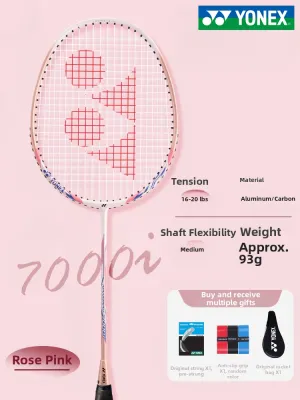
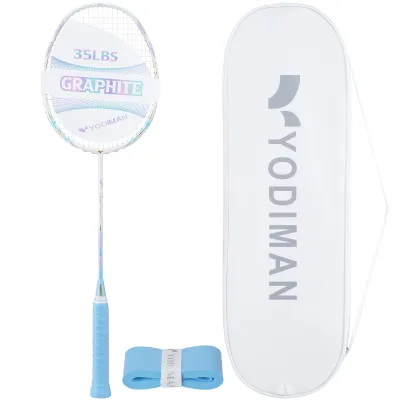
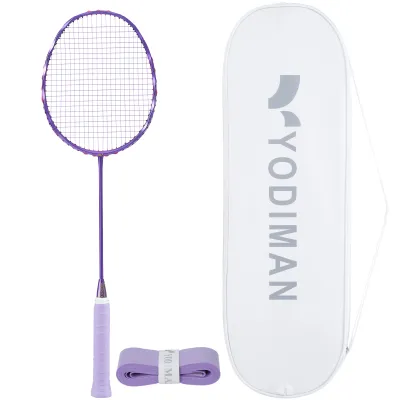
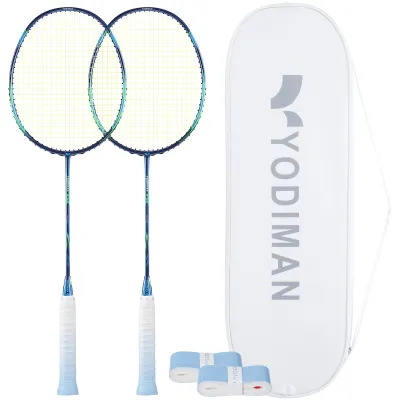
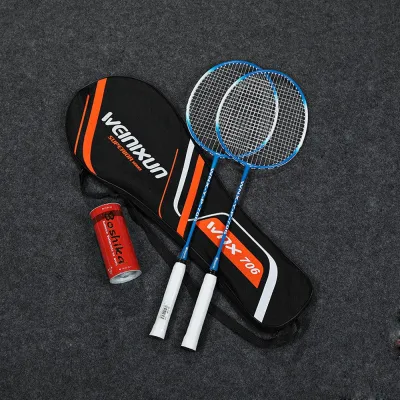
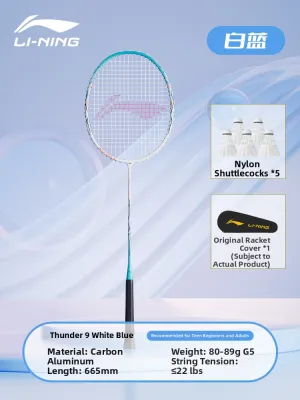

Prices are valid at publication and may change. Please refer to the product page for the latest price.
The balance point of a racket determines where most of its mass is concentrated. Head-heavy rackets concentrate weight toward the top of the frame, acting like a hammer to generate greater momentum and power for overhead clears and smashes. Head-light rackets shift the weight toward the handle, making them highly maneuverable for quick defensive blocks and rapid net play. Even-balance rackets distribute weight uniformly, offering a versatile compromise for all-around play.
Shaft flexibility dictates how the racket bends and snaps back during a swing. A flexible shaft bends easily, acting like a spring to assist players with slower swing speeds in generating depth on their shots. Conversely, a stiff shaft requires a fast, explosive swing to bend, but it offers superior precision and immediate energy transfer for players with highly developed techniques.
Selecting a Racket Based on Your Skill Level
Selecting a racket requires an honest assessment of your current technical ability and physical conditioning. Using equipment designed for a different skill level can severely limit your progress, mask technical flaws, or even lead to repetitive strain injuries in your wrist, elbow, or shoulder.

Beginners: Forgiveness and Ease of Use
For those new to the sport, the primary focus is on developing consistent hand-eye coordination, learning proper footwork, and mastering basic stroke mechanics. Beginners generally benefit most from rackets with flexible shafts, which provide natural power assistance on clears and high serves without requiring explosive wrist snap.
A head-light or even-balance racket is highly recommended during this stage. These configurations make the racket feel lighter and easier to control, allowing you to react quickly to incoming shuttles and adjust your grip mid-rally.
In terms of weight, beginners should look for lighter options, typically in the 4U (80 to 84 grams) or 5U range. A lighter frame reduces the physical toll on undeveloped forearm and wrist muscles. If you experience persistent wrist or elbow discomfort during or after play, stop using the racket immediately and check if the frame is too heavy or the shaft is too stiff for your current technique.
Intermediate Players: Transitioning to Control
Intermediate players have established consistent basic strokes, can reliably clear the shuttle from baseline to baseline, and are beginning to focus on tactical shot placement. At this stage, you should transition toward rackets that offer a balance of power assistance and precise feedback.
A medium-flex shaft is ideal for intermediate play, as it provides a moderate spring effect while offering better control over delicate drop shots and net tumbles. This allows you to refine your touch without losing the depth on your defensive clears.
Many intermediate players opt for even-balance or slightly head-heavy rackets in the 3U or 4U weight categories. If you have developed sufficient wrist strength and clean hitting technique, a slightly head-heavy racket can help you transition into a more aggressive, attacking style of play without sacrificing mid-court defensive speed.
Advanced Players: Precision and Power
Advanced players possess explosive swing speeds, highly refined wrist techniques, and the physical conditioning required to sustain high-intensity rallies. If you fall into this category, you need a racket that responds instantly to your movements and delivers precise feedback.
Stiff or extra-stiff shafts are the standard for advanced players. Because these shafts do not bend easily, they eliminate the slight delay associated with flexible frames, ensuring that the shuttle departs the string bed with absolute precision and maximum speed.
Advanced players often prefer head-heavy rackets to maximize the power of their smashes and create steep, aggressive angles. However, the choice of weight remains highly personal; some advanced players prefer a heavier 3U frame for raw power, while others choose a lighter 4U frame to maintain rapid defensive reactions during fast-paced exchanges.
Adapting Your Choice for Singles vs. Doubles
The tactical demands of singles and doubles are vastly different, directly influencing how you move and strike the shuttle. Consequently, a racket that excels in the long, endurance-driven rallies of singles may feel sluggish in the rapid-fire exchanges of a doubles match.
Singles: Endurance and Court Coverage
Singles play is a game of endurance, court coverage, and patient construction of rallies. Because you must cover the entire court alone, rallies tend to be longer, featuring high clears, drops, and precise lifts designed to move your opponent out of position.
To support this format, players often prefer head-heavy or even-balance rackets. The extra weight in the head assists in driving the shuttle deep into the opponent’s baseline, even when you are forced to hit from a defensive, off-balance position.
When choosing shaft stiffness for singles, consider your stamina over a multi-game match. While a stiff shaft offers excellent control, it requires consistent physical effort to generate power; if your technique slips as you tire, a stiff racket can become difficult to play with, making a medium-stiff shaft a safer alternative for long matches.
Doubles: Speed and Quick Reactions
Doubles is characterized by blistering speed, flat drive exchanges, and intense net play. Rallies are short and explosive, requiring you to defend rapid smashes and intercept shots at the net with split-second reaction times.
A head-light racket is highly advantageous for doubles, as it allows you to maneuver the frame quickly during fast drive sequences and defensive blocks. The reduced swing weight helps you transition rapidly from a low defensive stance to an attacking position.
Lighter overall weights, such as 4U, are highly popular in doubles to maximize hand speed and reduce fatigue during repetitive, high-speed swings. Prioritizing maneuverability and quick recovery over raw baseline power ensures you can keep pace with the rapid transitions of modern doubles play.
Practical Checks Before Purchasing
Before finalizing your purchase, there are several practical specifications and physical checks you should perform to ensure the racket matches your needs.
First, verify the grip size, which is typically denoted by a “G” rating (such as G5 or G6, where higher numbers indicate smaller handles). A grip that is too large can restrict your wrist movement, while one that is too small can cause you to squeeze too tightly, leading to forearm fatigue. You can always customize a smaller grip by adding overgrips to reach your preferred thickness.
Second, pay close attention to string tension, which must align with both your skill level and the racket’s structural limits. Lower tensions (18 to 22 lbs) create a trampoline effect that assists with power and is highly forgiving for beginners. Higher tensions (24 to 30 lbs) offer superior control and feel but require precise sweet-spot contact and high swing speeds to avoid frame damage or arm injury.
Finally, check the manufacturer’s official specifications for maximum tension limits and warranty conditions. Exceeding the recommended tension can warp or crack the graphite frame during a mis-hit, voiding the warranty and ruining your investment.
Frequently Asked Questions (FAQ)
Does a more expensive racket automatically improve my game?
No, a higher price tag does not guarantee better performance on the court. Investing S$300 in a professional-grade racket will not automatically improve your game if you lack the technique to use it. Premium rackets often use high-modulus graphite to create very stiff, head-heavy frames designed for elite players. If a beginner uses a highly stiff, advanced racket, they may struggle to generate power, experience increased vibration, and face a higher risk of wrist or elbow strain due to the lack of forgiveness.
How often should I restring my racket?
As a general guideline, you should restring your racket as many times per year as you play per week. For example, if you play twice a week, plan to restring at least twice a year. However, you should also monitor physical signs of wear, such as deep notches where the strings cross, fraying outer fibers, or a noticeable loss of tension that causes your shots to feel mushy and less controlled.

Community discussion
Share your experience or ask a question. Comments are reviewed before publication.