
Selecting your first baitcasting reel in Singapore can feel overwhelming due to the sheer variety of options and the technical learning curve associated with these tools. For beginners, the most reliable approach is to focus on established global brands that prioritize user-friendly braking systems, robust build quality, and accessible local customer support. Brands such as Shimano, Daiwa, and Abu Garcia are widely regarded as excellent starting points because they offer dedicated entry-level models engineered specifically to minimize backlash—the notorious “bird’s nest” of tangled line that frustrates many novice anglers.
By choosing a reputable brand with a strong presence in Singapore, you ensure that your initial investment is protected by a valid local warranty and that replacement parts are readily available. Furthermore, these established manufacturers design their entry-level reels with forgiving mechanical tolerances, allowing you to focus on mastering your casting technique rather than constantly troubleshooting gear malfunctions. Whether you plan to target peacock bass in local reservoirs or test your skills at saltwater payponds, starting with a brand that understands the needs of a beginner will significantly accelerate your learning curve.
What Makes a Baitcasting Reel Beginner-Friendly?
The primary challenge for any beginner learning to use a baitcasting reel is managing spool speed during a cast. When a lure is cast, the spool spins rapidly to release line; if the spool spins faster than the lure travels through the air, the line bunches up and tangles. A beginner-friendly reel must possess mechanical features designed to regulate this speed automatically and forgive minor casting errors.
Products mentioned in this guide
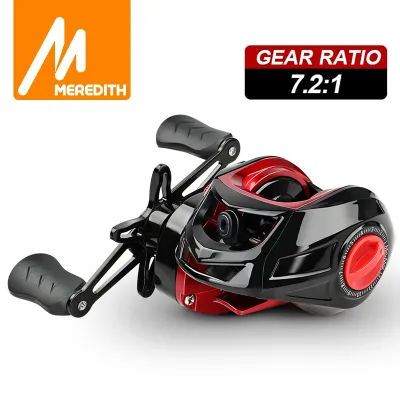
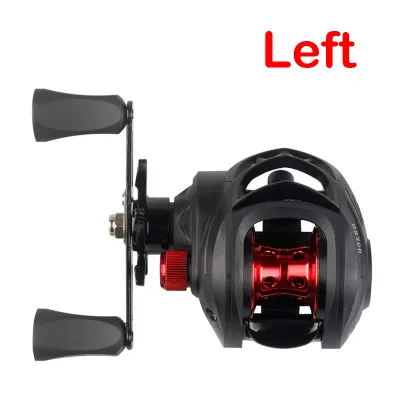
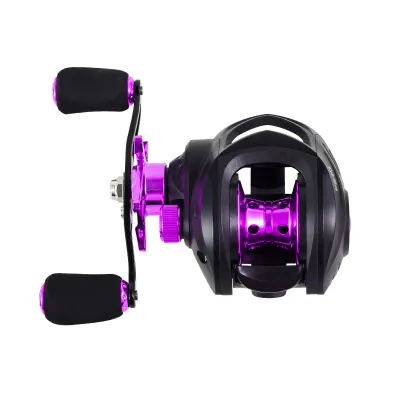
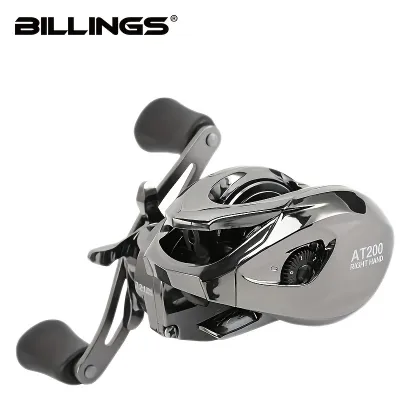
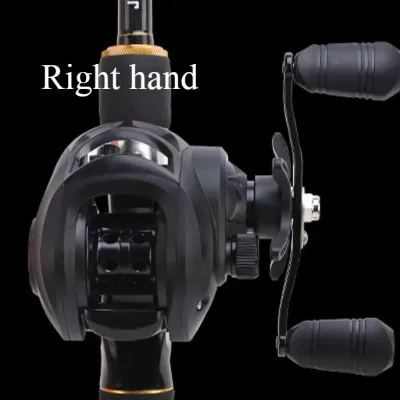
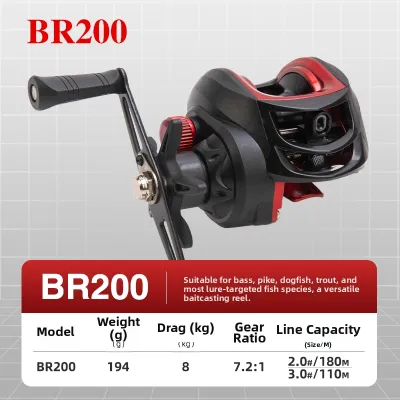
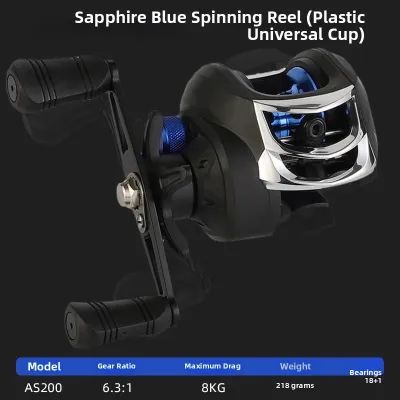
Prices are valid at publication and may change. Please refer to the product page for the latest price.
Braking systems are the most critical component in preventing backlash, and they generally fall into two categories: magnetic and centrifugal. Magnetic braking systems use adjustable magnets to apply constant resistance to the spool throughout the cast. These systems are highly recommended for beginners because they can be adjusted externally via a dial on the side plate, allowing you to make quick adjustments when changing lures or casting into the wind. Centrifugal systems, on the other hand, use small weights that push outward against a brake ring during the high-speed portion of the cast. While highly effective, adjusting centrifugal brakes often requires opening the reel’s side plate, which can be inconvenient for a novice on the water.
Spool design and weight also play a significant role in how easily a reel casts. A lighter spool requires less energy to start spinning and, more importantly, less force to stop. This makes it much easier to cast lighter lures without experiencing sudden overruns. Beginners should look for reels with machined aluminum spools that offer a balance of strength and low weight, ensuring smooth line release across a variety of lure sizes.
Ergonomics and overall reel weight should not be overlooked when selecting your first gear. A low-profile baitcasting reel is designed to sit low on the rod seat, allowing your hand to comfortably cup or “palm” the reel. This ergonomic design provides better control over the rod and reel during both casting and retrieving, reducing wrist fatigue during long practice sessions. A lightweight composite or aluminum frame ensures that you can practice your casting mechanics for hours without physical strain.
Key Evaluation Criteria for Reel Brands
When evaluating different baitcasting reel brands, it is important to look beyond marketing claims and assess how well a brand supports novice anglers. A brand’s commitment to beginners is reflected in its product lineup, manufacturing consistency, and the educational resources it provides to help users succeed.

First, check if the brand offers a dedicated entry-level product line. Some manufacturers simply strip features from their high-end models to create cheaper versions, resulting in reels that are difficult to cast and prone to failure. Reputable brands design their entry-level reels from the ground up, incorporating robust, simplified braking systems that are specifically tuned to be forgiving. These reels are engineered to perform reliably even when the user’s casting motion is not yet perfect.
Consistency in build quality and quality control is another vital criterion, especially at lower price points. A beginner’s reel will inevitably experience some rough handling, accidental drops, and improper adjustments during the learning phase. Brands with strict quality control standards ensure that even their budget-friendly models feature precise gear alignment, smooth drag systems, and durable frame materials that can withstand the rigors of practice without developing mechanical play.
Finally, consider the brand’s reputation for customer support and educational content. Learning to set up a baitcasting reel requires understanding the relationship between the spool tension knob and the braking system. Brands that provide clear, detailed user manuals, online video tutorials, and easily accessible schematics make this learning process much smoother. Access to a supportive community of local anglers who use the same brand can also provide invaluable tips tailored to Singapore’s unique fishing environments.
Navigating the Singapore Market for Fishing Gear
Buying a baitcasting reel in Singapore requires careful consideration of local market dynamics, warranty protections, and environmental factors. Because Singapore’s tropical climate is highly humid and coastal fishing often involves saltwater exposure, your gear must be resilient enough to withstand harsh conditions.
When purchasing your reel, it is crucial to distinguish between authorized local distributors and parallel imports sold on online marketplaces. While parallel imports may offer a slightly lower upfront price, they rarely come with a local warranty. If your reel develops a defect or requires servicing, an authorized local distributor will handle the repairs quickly using genuine parts. Purchasing from an authorized local tackle shop ensures that you receive a valid warranty and access to professional advice on setup and maintenance.
Before finalizing your purchase, verify the local availability of replacement parts and accessories. Common wear-and-tear items such as brake blocks, bearings, and spool tension caps can easily be lost or damaged during maintenance. Choosing a brand with a well-established distribution network in Singapore means you can easily walk into a local tackle shop and find the exact spare part you need, rather than waiting weeks for international shipping.
Singapore’s high humidity and saltwater environments demand excellent corrosion resistance. Even if you plan to fish primarily in freshwater reservoirs, salt spray and humid air can quickly degrade internal components. Look for brands that utilize sealed stainless steel bearings, corrosion-resistant frame materials, and protective coatings on internal gears. Regular maintenance, including rinsing the reel with freshwater after every outing and applying appropriate reel oil, is essential to prolonging the life of your gear in Singapore’s climate.
Building Your Shortlist: A Step-by-Step Selection Process
To choose the right baitcasting reel for your needs, follow a structured selection process that aligns the brand’s offerings with your specific fishing style, budget, and local conditions.
Start by defining your primary target species and the typical weight of the lures you plan to use. If you intend to target peacock bass in Singapore’s reservoirs, you will likely use lighter lures such as small minnows or topwater frogs, which require a reel with a highly sensitive braking system and a lightweight spool. If you plan to fish in saltwater ponds for barramundi or red drum, you will need a reel with a stronger drag system and a larger line capacity to handle powerful runs. This step helps you narrow down the gear ratio and spool size required for your target style.
Next, establish a realistic budget in S$ that balances initial cost with long-term durability. While it may be tempting to buy the cheapest reel available, ultra-budget options often lack effective braking systems, leading to constant backlash and a frustrating experience. Investing in a mid-range entry-level reel from a reputable brand ensures you get a reliable braking system and smooth operation that will last for years. Set aside a portion of your budget for high-quality braided line, as poor-quality line can also contribute to casting difficulties.
Finally, cross-reference your shortlist with local community feedback and, if possible, handle the reels in person. Visit a local tackle shop to feel how the reel sits on a rod and how smoothly the handle turns. Ask the shop staff or local anglers about their experiences with the brands on your shortlist, paying close attention to how well the reels hold up under local conditions. This hands-on evaluation will give you the confidence to make a final decision and begin your baitcasting journey with the right tool for the job.
Frequently Asked Questions (FAQ)
Is a low-profile or round baitcasting reel better for a beginner?
A low-profile baitcasting reel is highly recommended for beginners due to its superior ergonomics and ease of handling. These reels sit low on the rod seat, allowing you to easily wrap your hand around the reel body, which provides better control during casting and reduces wrist fatigue. Round baitcasting reels are typically heavier and bulkier, designed for holding large amounts of heavy line and targeting massive fish. For learning basic casting mechanics and targeting common local species in Singapore, the comfort and control of a low-profile reel make it the ideal choice.
How much should a beginner expect to spend on a first baitcasting reel in Singapore?
A beginner in Singapore should expect to spend between S$80 and S$180 for a reliable, high-quality baitcasting reel. Reels in the S$80 to S$120 range typically feature durable composite frames and basic, reliable magnetic braking systems that are excellent for learning. Moving into the S$120 to S$180 range often introduces aluminum frames, smoother carbon drag systems, and more advanced dual-braking systems that offer finer adjustments and greater forgiveness against backlash. Investing within this price range ensures you receive a durable tool that supports your learning rather than causing frustration.
Community discussion
Share your experience or ask a question. Comments are reviewed before publication.