
Choosing the right bicycle front rack bag requires matching your cargo volume, mounting system, and weather protection needs to your specific riding style. Unlike rear bags, front-loaded gear sits directly over your steering axis, meaning every kilogram impacts how your bike handles. To find the ideal balance between storage capacity and stable steering, you must evaluate how you ride, what you carry, and how your bag attaches to your front rack.
Assess Your Riding Style and Cargo Requirements
Before browsing bag designs, define your primary cycling activities. A daily commute along paved park connectors demands different storage features than a multi-day bikepacking expedition through rugged terrain. Identifying your typical route, distance, and environment helps narrow down the structural support and durability your bag will require.
Next, catalog the specific items you plan to carry on a typical ride. For urban commuting, this might include a laptop, a change of clothes, and a lunch container. For grocery runs, you may need a wide, open-top bag that accommodates bulky, irregular packages. Bikepackers, on the other hand, require space for compact sleeping gear, cooking stoves, and lightweight layers.
Products mentioned in this guide

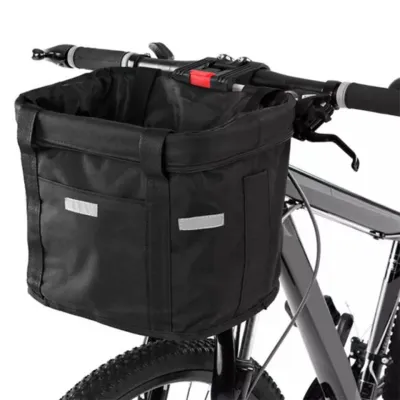
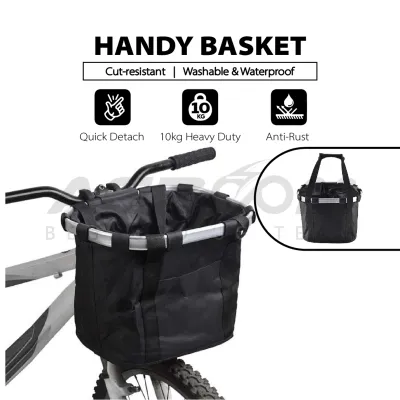
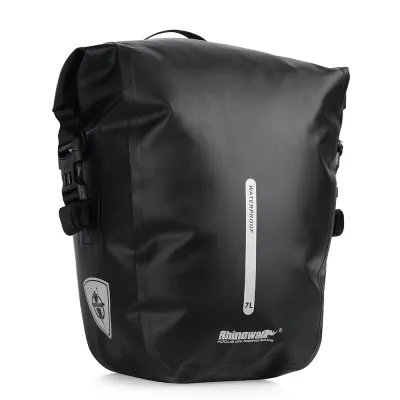
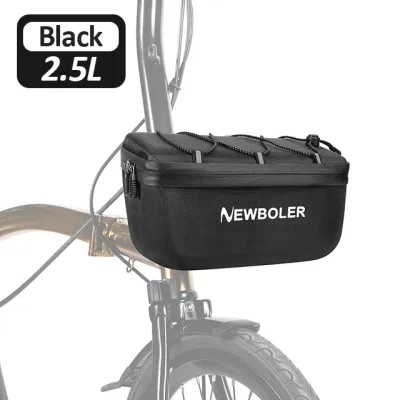
Prices are valid at publication and may change. Please refer to the product page for the latest price.
Estimate the total volume and weight of these items before making a purchase. Overestimating your needs can lead to buying an excessively large bag that sags or sways, while underestimating results in overstuffed zippers and compromised closures. Keep in mind that carrying cargo on the front of your bicycle alters its steering dynamics significantly compared to rear panniers.
Front-loading places weight directly over the steering wheel, which can make steering feel slower but more grounded when properly balanced. However, excessive weight or poorly secured loads can cause a noticeable steering wobble, especially at low speeds or during sudden turns. Understanding this handling trade-off is essential for maintaining control on busy streets or loose gravel paths.
Key Features to Evaluate in a Front Rack Bag
Selecting a front rack bag involves analyzing technical specifications to ensure the gear remains secure, dry, and accessible. You should focus on three primary pillars of evaluation: the bag’s storage capacity, its mounting security, and its environmental protection. Balancing these features ensures your bag performs reliably under real-world riding conditions.

Capacity and Volume Configuration
Front rack bags vary widely in volume, generally falling into distinct categories based on their intended use. Compact handlebar rolls and small rack-top bags typically offer 5 to 10 liters of storage, which is ideal for windbreakers, tools, and small personal items. These smaller configurations keep the front end light and responsive, making them excellent for fast-paced day rides.
For larger cargo demands, full front rack panniers or spacious trunk bags provide 10 to 20 liters or more of capacity. These larger options are designed to sit lower on the rack or spread across a wide flat-top platform, allowing you to carry substantial gear without raising the bike’s center of gravity too high.
When evaluating capacity, look for expandable designs such as roll-top closures or external bungee webs. These features allow you to temporarily increase storage for bulky, lightweight items like a damp rain jacket or a sleeping pad. Always cross-reference your planned cargo weight with the manufacturer’s maximum weight limit for both the bag and your front rack to prevent dangerous steering instability.
Mounting Systems and Rack Compatibility
A bag is only as reliable as its connection to your bicycle. You must ensure the bag’s mounting system is fully compatible with your specific front rack configuration. Flat-top porteur racks require bags with wide bases and secure bottom straps, while low-rider racks are designed for side-hanging panniers that clip onto horizontal rails.
Different manufacturers utilize various attachment mechanisms, ranging from simple hook-and-loop straps to heavy-duty bungee cords and proprietary quick-release brackets. Hook-and-loop straps offer universal compatibility and easy adjustments but can wear out over time if exposed to constant grit. Quick-release brackets provide a highly secure, rigid connection and allow you to mount or remove the bag in seconds, though they often require specific rack tube diameters.
Before finalizing your choice, verify that the bag and its mounting hardware do not interfere with your bicycle’s moving parts. Check for adequate clearance around front derailleurs, brake calipers, and routing cables. If your bicycle features a suspension fork, ensure the bag’s mounting system does not bind or rub against the fork sliders during compression.
Weather Resistance and Material Durability
Your riding environment dictates the level of weather protection your front rack bag must provide. For absolute protection against heavy downpours, look for bags constructed with waterproof welded seams and TPU-coated fabrics. These bags seal out moisture entirely without the need for an external cover, making them indispensable for wet-season riding.
Alternatively, water-resistant fabrics treated with a Durable Water Repellent (DWR) coating offer sufficient protection against light drizzle and road spray. These bags often come with or support high-visibility rain covers that can be pulled over the bag when the weather worsens. While less convenient than fully waterproof construction, water-resistant bags are often more flexible and breathable.
Durability relies heavily on material selection, with high-denier nylon, polyester, and traditional waxed canvas being the most common choices. High-denier fabrics resist abrasions from trailside brush and accidental drops, ensuring the bag survives years of rough use. Additionally, check for robust, rust-resistant zippers, reinforced high-wear panels, and integrated reflective elements to enhance your visibility in low-light conditions.
Match the Bag to Your Cycling Scenario
Different cycling environments place unique demands on your equipment. By matching the bag’s design features to your specific riding scenario, you can ensure optimal convenience, safety, and performance. Let us look at how urban commuting and long-distance touring shape your front rack bag requirements.
Daily Commuting and Urban Errands
For riders navigating city streets, park connectors, and busy intersections, convenience and quick access are paramount. Your front rack bag should feature external quick-access pockets for items like keys, transit cards, and mobile phones. This saves you from rummaging through the main compartment during brief stops.
An urban front rack bag should also transition easily from the bicycle to your shoulder. Look for models equipped with detachable shoulder straps or integrated carrying handles, allowing you to carry your gear comfortably into an office, cafe, or grocery store. Internal organization, such as dedicated laptop sleeves and zippered dividers, helps keep work documents and electronics safe and organized.
Finally, consider the physical profile of the bag when fully loaded. In tight urban environments, a bag that protrudes too far horizontally can catch on barriers, posts, or other cyclists. Choosing a streamlined bag that stays within the width of your handlebars ensures you can safely filter through narrow spaces and crowded pathways.
Bikepacking and Long-Distance Touring
When heading out on multi-day tours or gravel bikepacking routes, durability and stability take precedence over quick off-bike portability. Your bag must be capable of withstanding hours of continuous vibration, dust, and unpredictable weather. Fully waterproof roll-top designs are highly recommended here, as they keep your sleeping gear and spare clothing dry regardless of the conditions.
Look for bags with reinforced mounting points and heavy-duty straps that prevent the bag from shifting on rough, unpaved roads. Any movement or swaying of the bag can quickly fatigue the rider and destabilize the bicycle on technical descents. A secure, rigid connection to the front rack is vital for maintaining a predictable line on gravel or dirt.
To preserve balanced handling on long journeys, aim to keep the bag’s center of gravity as low as possible. If you are using a porteur-style flat rack, pack your heaviest items at the very bottom of the bag, closest to the rack platform. If using low-rider racks, distribute the weight evenly between the left and right sides to prevent the steering from pulling to one side.
Pre-Purchase Compatibility and Safety Checks
Before purchasing a bicycle front rack bag, performing a series of physical compatibility and safety checks can prevent installation headaches and dangerous riding situations. First, confirm the load rating of your front rack. The combined weight of your chosen bag and its maximum intended cargo must never exceed the rack’s certified weight limit.
Next, check for physical interference with your bicycle’s steering and pedaling clearance. While heel strike is primarily a concern for rear panniers, front bags can sometimes cause toe overlap during sharp, low-speed turns. Mount your rack, place a simulated load in your desired bag position, and turn the handlebars to maximum lock while rotating the pedals to ensure your shoes clear the bag and rack completely.
You must also verify tire clearance under full load. Ensure that even if the bag sags slightly when wet or heavily loaded, it cannot come into contact with the front tire. A bag catching on a spinning front tire can cause an immediate, dangerous lockup and a subsequent fall.
Lastly, ensure the bag does not obstruct your safety equipment. The bag’s profile must not block your front headlight, safety reflectors, or any mounted action cameras. If your headlight is mounted on the handlebars, a tall front rack bag may cast a shadow directly in front of your wheel; in this case, consider relocating the light to the front eyelet of your rack or the fork crown to maintain clear visibility of the road ahead.
Frequently Asked Questions (FAQ)
Can I use a front rack bag on a bicycle with suspension forks?
Yes, but it requires careful hardware selection. Standard front racks designed for rigid forks cannot be safely clamped to suspension lowers, as the movement of the fork will interfere with the rack and bag. You must use specialized suspension-compatible racks that mount to the axle or utilize secure, non-slip strap systems designed specifically for suspension legs. Always check your fork manufacturer’s guidelines before clamping any accessories to the lowers, as improper clamping can damage the suspension seals or structural tubes. Ensure the bag does not contact the front arch or tire when the suspension is fully compressed.
How do I clean and maintain a waterproof front rack bag?
To clean your bag, wipe down the exterior and interior with a damp cloth, mild soap, and lukewarm water. Avoid harsh chemical detergents, solvents, or abrasive scrubbing pads, as these can strip away the Durable Water Repellent (DWR) coatings and damage the waterproof TPU or PVC membranes. Never wash your bag in a washing machine or dry it in a tumble dryer. Instead, open all compartments fully and hang the bag to air-dry in a well-ventilated, shaded area. Ensure it is completely dry before storing it to prevent mold, mildew, and unpleasant odors from developing in the seams.
Will a front rack bag affect my bicycle's handling?
Yes, adding weight to the front of your bicycle will alter its steering dynamics. A loaded front bag increases steering inertia, making the handlebars feel heavier and slower to turn at low speeds. To minimize this effect, pack your heaviest items at the bottom of the bag and as close to the steering axis as possible. Avoid overpacking the bag beyond your rack’s recommended weight limits. Before riding in busy traffic or on challenging trails, conduct a brief test ride with your fully loaded bag in a safe, open area to familiarize yourself with the modified steering response and braking distances.
Community discussion
Share your experience or ask a question. Comments are reviewed before publication.